Why Choose Centrifugal Pumps for Global Applications?
Why Choose Centrifugal Pumps for Global Applications?
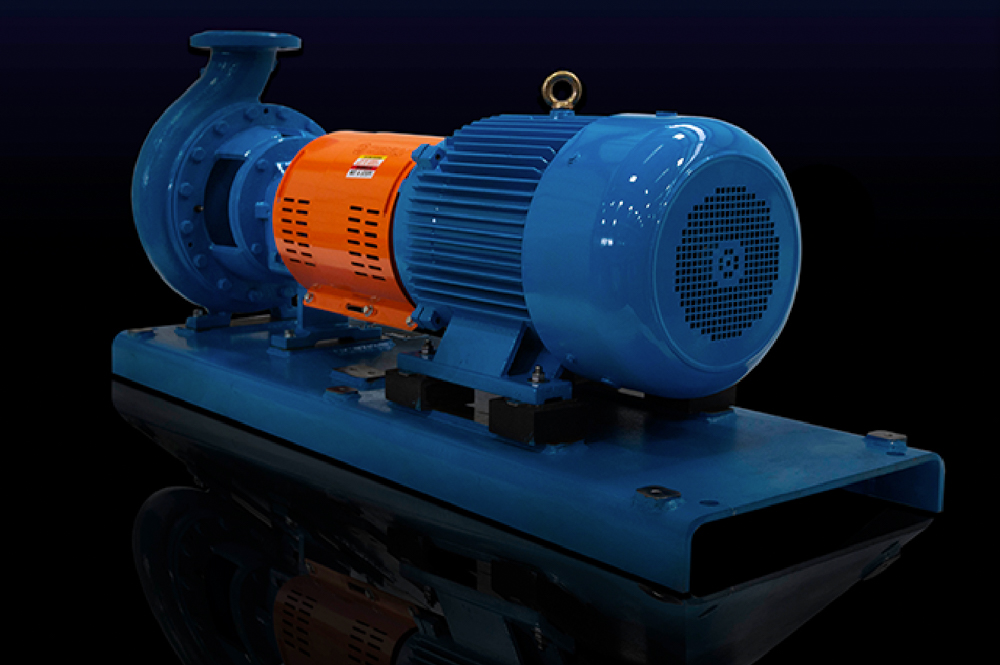
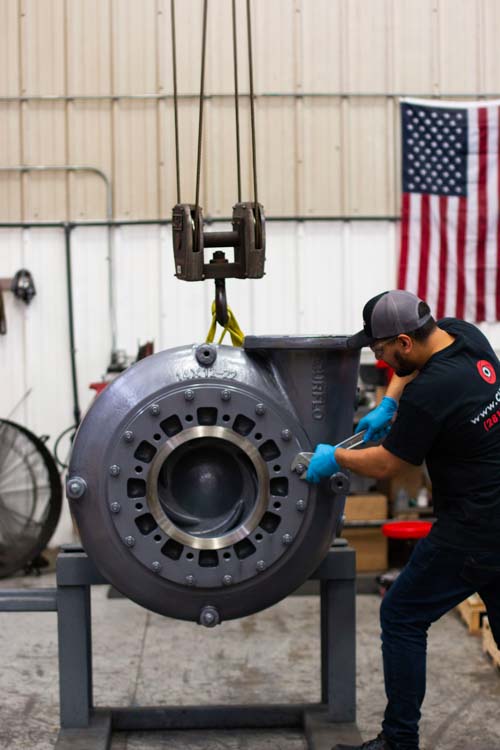
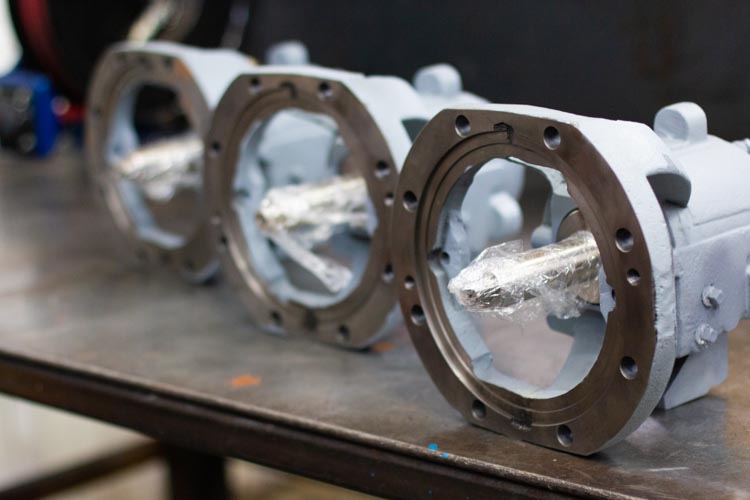
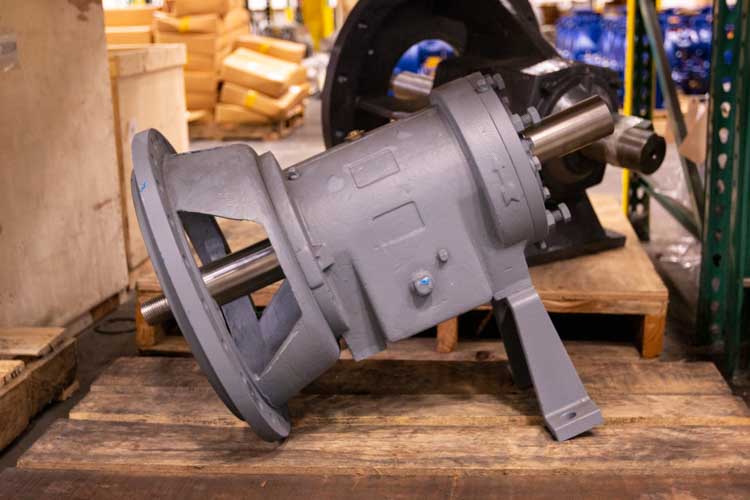
Across factories, water networks, power stations, and agricultural sites, centrifugal pumps move essential fluids every day. Their simple rotating design supports steady flow, scalable capacity, and relatively straightforward maintenance. A technician can inspect the casing, coupling, seal, and impeller without dismantling an entire system. That practicality matters where spare parts and specialist labor are limited.
The U.S. Department of Energy reports that pumping systems may consume 25% to 50% of industrial facility electricity. The International Energy Agency also identifies motor-driven systems as a major industrial energy demand. These figures make pump selection an operating-cost decision, not merely an equipment purchase. Centrifugal pumps can deliver strong efficiency when engineers match the impeller, speed, pipework, and duty point correctly. Small errors matter. A throttled valve, oversized motor, or unstable suction line can waste energy for years.
Pump specialist Dr. Lev Nelik offers a useful warning: “The pump is only one part of the system.” His point reflects field experience. A reliable pump cannot compensate for poor piping, unsuitable materials, or neglected maintenance. Global projects also face changing water quality, voltage standards, temperatures, and regulatory requirements. Centrifugal pumps remain highly adaptable, but they are not automatically the best choice everywhere. That assumption deserves scrutiny. Engineers should verify lifecycle cost, service access, corrosion resistance, and actual operating conditions before approving the design. When those details align, centrifugal pumps provide a practical balance of efficiency, availability, and long-term service across diverse markets.
What Centrifugal Pumps Are and How They Work
Why Choose Centrifugal Pumps for Global Applications?
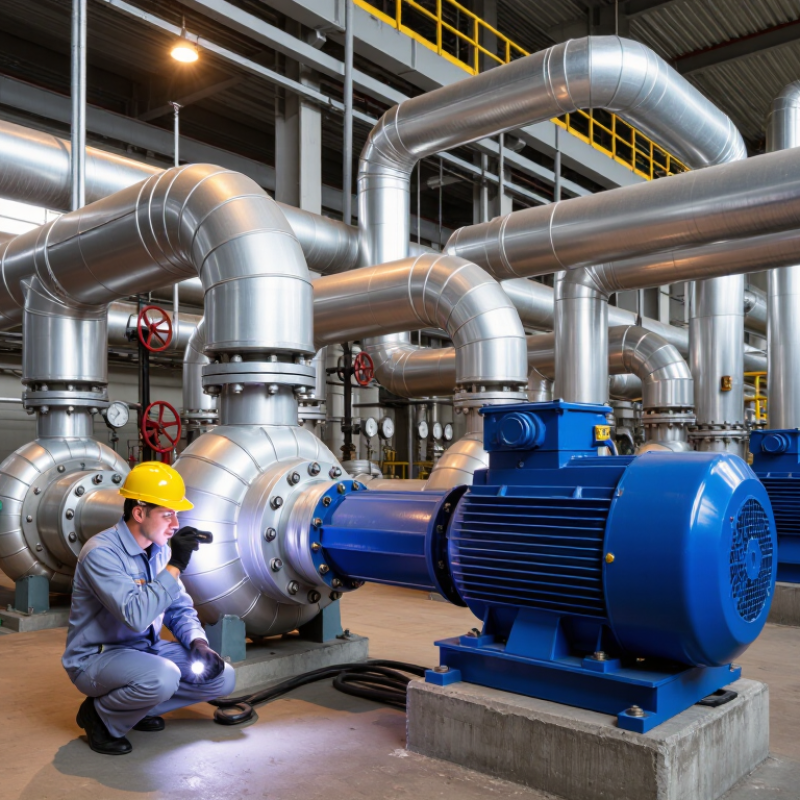
Centrifugal pumps move liquid by converting rotating energy into fluid pressure. An electric motor or engine turns an impeller inside a casing. As the impeller rotates, its curved blades accelerate the liquid outward. The casing then slows the flow and changes velocity into pressure. This simple process supports water supply, irrigation, cooling systems, chemical processing, and wastewater handling across many regions.
The design is practical because it offers steady flow with relatively few moving parts. In a field installation, operators can often inspect the coupling, seal, and bearings without dismantling the entire pump. However, performance depends on correct sizing. A pump handling clean water may struggle with thick liquid or suspended solids. Suction conditions matter too. Insufficient inlet pressure can create cavitation, producing a sharp rattling sound and damaging the impeller.
Small details often decide reliability. I have seen a pump run smoothly during testing, then vibrate after a poorly aligned pipe was connected. That mistake was easy to miss. It was also expensive. Engineers should check flow rate, total head, temperature, viscosity, seal materials, and local power conditions before selection. Proper priming remains essential for many centrifugal pumps. They cannot simply run dry without risk. Maintenance habits also vary between sites, so clear inspection intervals and simple operating instructions help protect performance. A familiar design is useful, but it is not automatically the right design.
How Pump Design Supports Different Fluids and Operating Conditions
Why Choose Centrifugal Pumps for Global Applications?
How Pump Design Supports Different Fluids and Operating Conditions
Centrifugal pumps suit many global applications because their designs can adapt to changing fluids and site conditions. A food-processing line may handle thin water, while a chemical facility moves thicker liquids. Impeller shape, casing geometry, and clearance must match each fluid. It rarely is simple.
In field installations, engineers check viscosity, temperature, solids content, suction pressure, and required flow. A closed impeller can support clean liquids efficiently. An open or semi-open impeller may better tolerate suspended particles. For hot fluids, material selection and sealing become critical. Small design choices can prevent leakage, vibration, and early wear.
Altitude also affects performance. Lower atmospheric pressure can increase cavitation risk at high elevations. Operators may need larger suction lines, reduced speed, or a different pump arrangement. Variable-speed drives help respond to seasonal demand and unstable process conditions. However, controls cannot correct every sizing mistake.
I have seen pumps selected from flow rate alone. That approach looked efficient on paper, but actual viscosity changed the operating point. The motor overheated, and maintenance became frequent. The lesson was practical: test real fluid data whenever possible. Reliable design combines calculations, operating experience, and honest attention to site limitations. Field conditions change.
Factors for Selecting Centrifugal Pumps Across International Markets
Why Choose Centrifugal Pumps for Global Applications?
Selecting centrifugal pumps across international markets requires more than matching flow rate and pressure. Fluid viscosity, temperature, solids content, and corrosion risk can change the correct design. A pump handling clean water may fail quickly with abrasive minerals. Engineers should check total dynamic head, required flow, net positive suction head, and operating range before approval. Small errors in field measurements can create large energy losses.
Regional conditions also matter. Confirm motor voltage, frequency, enclosure rating, and local certification requirements. In humid coastal areas, corrosion-resistant materials and sealed electrical connections deserve careful attention. In remote facilities, simple maintenance, available spare parts, and clear service manuals may matter more than peak efficiency. Logistics can be surprisingly decisive. A technically excellent pump is less useful when replacement seals take months to arrive. Documentation should include performance curves, material data, testing records, and installation limits. These details support reliable decisions and responsible procurement.
Tips: Compare several duty points, not one. Ask local technicians about water quality and seasonal changes. Review NPSH with real suction conditions. Leave reasonable margin, but avoid excessive oversizing. Oversizing wastes energy and may cause unstable operation. No selection is perfect. Assumptions should be recorded and challenged before commissioning. A short site visit can reveal vibration, poor pipe alignment, or limited access that a spreadsheet misses.