How to Choose the Right Centrifugal Pumps for Your Needs?
Choosing the right centrifugal pumps for your specific needs can be a daunting task. The centrifugal pump industry has seen significant advancements, with a market projected to reach USD 47 billion by 2028, according to a recent report by Allied Market Research. These pumps are critical for sectors like water supply, chemical processing, and manufacturing, highlighting their importance in modern applications.
John Smith, a renowned expert in fluid dynamics, states, "The performance of centrifugal pumps greatly impacts efficiency in various industries." Understanding the specific requirements, such as flow rate and head, is essential. It is important to note that not every pump fits every application. Inadequate selection can lead to inefficiencies and increased operational costs. Evaluating key metrics like efficiency curves and material compatibility is vital for making the right choice.
The process involves both technical knowledge and practical experience. Each application presents unique challenges. The pump's duty cycle, environment, and intended media should guide decisions. Selecting the appropriate centrifugal pumps is not just a choice; it can determine success in operations and sustainability efforts.
Understanding Centrifugal Pumps: Basic Principles and Design Features
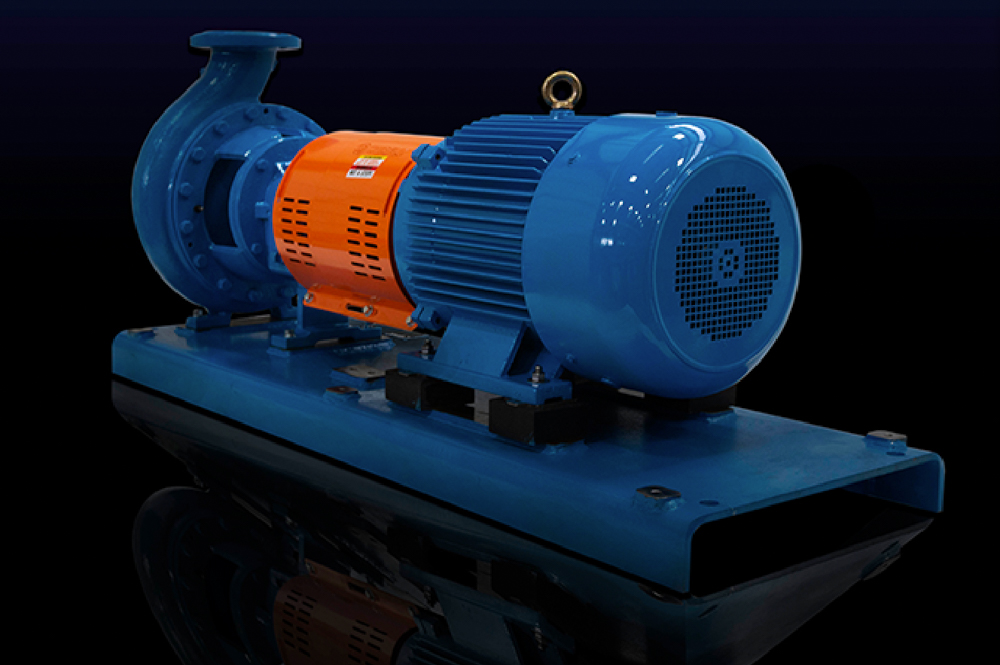
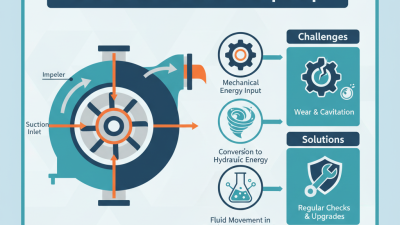
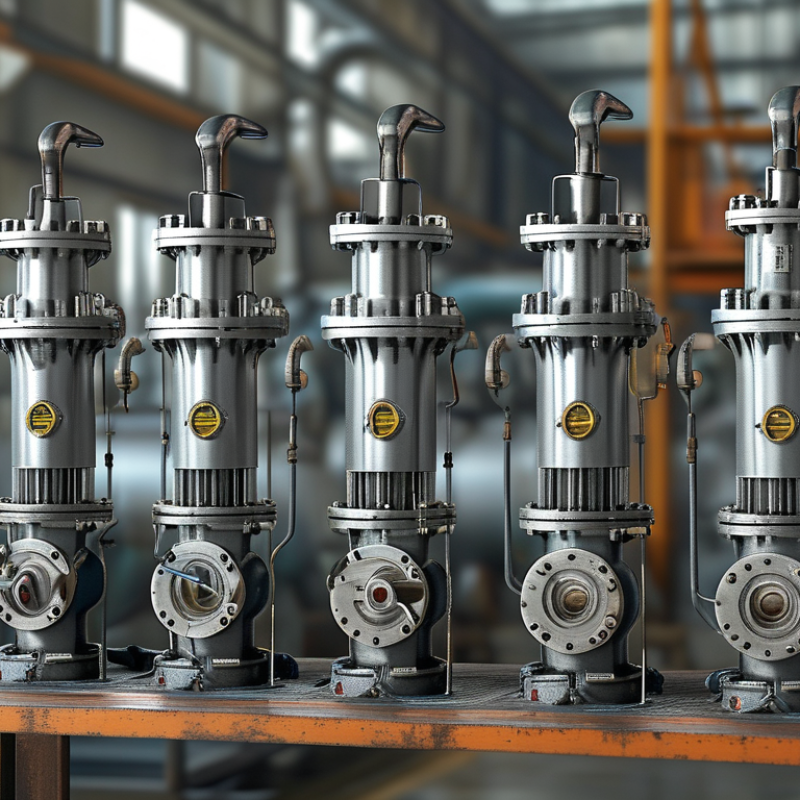
Centrifugal pumps are vital in various industries, including water treatment, oil and gas, and chemical processing. Understanding their basic principles can significantly influence your selection process. The pump operates by converting rotational energy into hydrodynamic energy, pushing the fluid outward through a rotating impeller. This action creates a low-pressure zone that draws fluid into the pump. According to a recent industry report, over 70% of pumping applications in industries rely on centrifugal pumps for their efficiency and reliability.
Design features also play a crucial role in performance. For instance, the type of impeller affects flow rate and pressure. Closed impellers are common for higher efficiency, while open impellers are better for handling solids. It is essential to consider materials as well; corrosion-resistant options improve lifespan. A study highlighted that improper design choices could lead to energy losses exceeding 30%. Such inefficiencies are a reflection of inadequate understanding, emphasizing the need for thorough research.
In selecting a centrifugal pump, each element should be evaluated closely. The pump's specific duty, including flow rate and pressure requirements, must match your needs. Installation parameters can often complicate matters as well. Making decisions without comprehensive data can result in costly mistakes. Balancing efficiency with application-specific demands requires careful consideration and sometimes, expert consultation.
How to Choose the Right Centrifugal Pumps for Your Needs?
| Dimension |
Description |
Importance |
| Flow Rate |
The volume of fluid that the pump can move in a given time. |
Determines the efficiency and capacity of the pump. |
| Head |
The height the pump can lift the fluid. |
Essential for ensuring the pump meets the application’s requirements. |
| Viscosity |
The thickness or stickiness of the fluid being pumped. |
Affects pump selection and efficiency; higher viscosity requires special considerations. |
| Suction Lift |
The vertical distance from the fluid source to the pump. |
Critical for pump selection; must be within the pump's capabilities. |
| Material |
The type of material the pump is made from. |
Influences compatibility with the fluid and durability. |
Key Factors to Consider: Flow Rate, Head, and NPSH Calculations
When choosing the right centrifugal pump, key factors include flow rate, head, and NPSH calculations. Flow rate measures how much fluid a pump can move. It’s crucial to match the pump's capacity to your system's requirements. The American Society of Mechanical Engineers (ASME) recommends that the optimal flow rate aligns with operational needs to ensure efficiency.
Head refers to the height to which the pump can raise the fluid. It's essential for overcoming resistance in the system. According to industry reports, improper head calculations can lead to reduced performance and increased operational costs. Evaluate system elevation changes and friction losses to determine the total dynamic head (TDH).
Net Positive Suction Head (NPSH) is another critical aspect of pump selection. Insufficient NPSH may cause cavitation, damaging the pump. Reference data suggests a minimum NPSH is vital for optimal performance. A good rule of thumb is to have an NPSH available (NPSHa) that exceeds NPSH required (NPSHr) by at least 1 meter.
Tips: Always calculate flow rates based on peak demand, not average usage. Regularly review your system pressures and elevations. When in doubt, consult with experts for precise measurements. Make adjustments as necessary for seamless operation. Assessing these factors ensures reliable pump performance and longevity.
Material Selection for Centrifugal Pumps: Understanding Corrosion and Wear
Choosing the right materials for centrifugal pumps is critical. Corrosion and wear can lead to pump failure and costly downtime. They can also affect efficiency. Understanding these factors will help in making informed choices.
Corrosion occurs due to chemical reactions in the environment. For example, pumps handling aggressive chemicals require specific materials. Stainless steel might serve well in some cases, while other situations call for special alloys. The choice of material affects the lifespan and performance of the pump.
Tips: Always analyze the fluid properties before making a selection. Consider temperature, pH levels, and any particulates involved. This evaluation will guide you in choosing materials that resist corrosion effectively.
Wear is another important aspect. Components within the pump can gradually deteriorate. Abrasive particles in liquids can heighten this effect. Regular inspections and using protective coatings may alleviate some wear issues.
Tips: Implement a maintenance schedule. Regularly check for wear and tear. Replace parts as needed to maintain performance and reliability. Making these considerations can save resources and enhance operational efficiency.
Pump Efficiency: Evaluating Energy Consumption and Performance Metrics
Choosing the right centrifugal pump involves understanding its efficiency and performance metrics. According to the Hydraulic Institute, pump efficiency is critical for reducing energy consumption. A well-selected pump can operate at an efficiency range of 70% to 90%. However, many systems operate at around 50% efficiency due to improper sizing and selection. This inefficiency leads to excess energy costs and operational challenges.
When evaluating pump performance, focus on flow rate and head. Accurate calculations of system requirements are vital. If you oversize a pump, it could run inefficiently and lead to increased wear and maintenance costs. Under-sizing may cause cavitation, significantly damaging the pump. Industry reports suggest that improper selection could inflate operational costs by as much as 30%.
Tips: Regularly review pump performance metrics. Use flow meters to monitor efficiency. Consider variable frequency drives to adjust operational speed and enhance efficiency. Ensuring that your system is monitored allows for proactive adjustments. This could prevent costly downtimes in the long run. Miscalculating these metrics can lead to poor pump performance and wasted energy.
Common Applications of Centrifugal Pumps in Various Industries
Centrifugal pumps are essential in many industries. They are widely used for moving liquids efficiently. Common applications span water treatment, chemical processing, agriculture, and HVAC systems. Understanding these uses can help you choose the right pump for your needs.
In the water treatment sector, centrifugal pumps transport clean water and manage wastewater. They maintain flow rates, ensuring that treatment processes run smoothly. Likewise, in chemical processing, they handle corrosive liquids with precision, requiring careful material selection for longevity. Each industry presents unique challenges, and not every pump suits every task.
Tips: Always assess the fluid being pumped. Consider viscosity and temperature. Matching these characteristics to the pump’s design is crucial. Additionally, evaluate energy efficiency. A well-chosen pump can reduce operational costs significantly.
In agriculture, these pumps help in irrigation systems. However, inadequate selection can lead to inefficient irrigation practices. A pump's performance can falter under varying load conditions, affecting crop yields. Choosing the right pump encourages sustainability and productivity.
Common Applications of Centrifugal Pumps in Various Industries