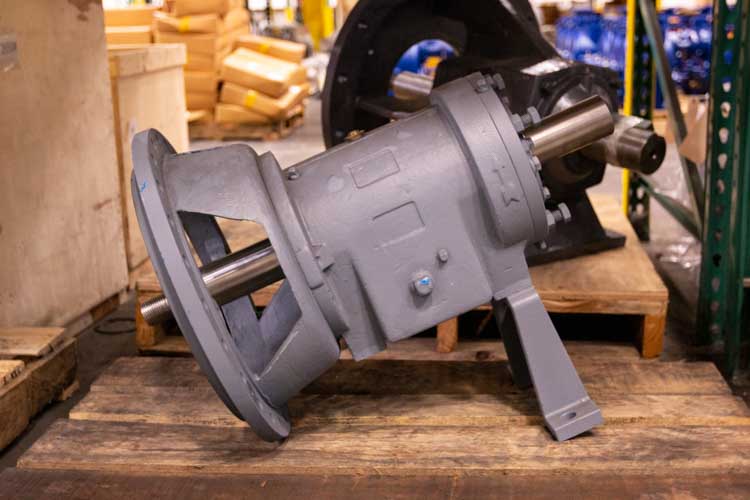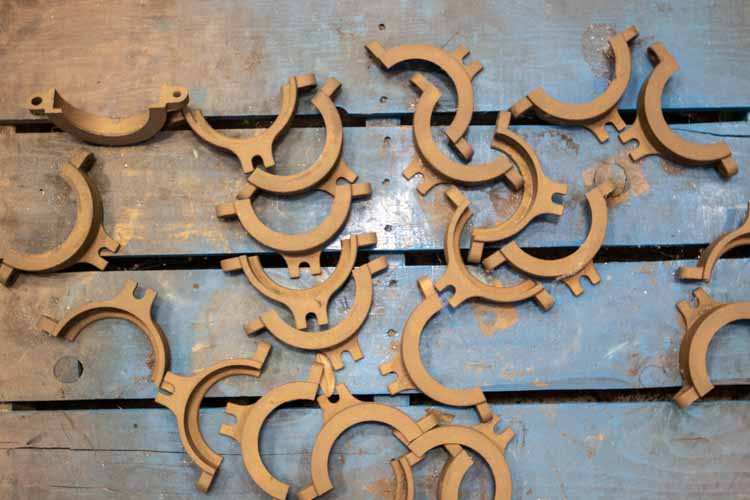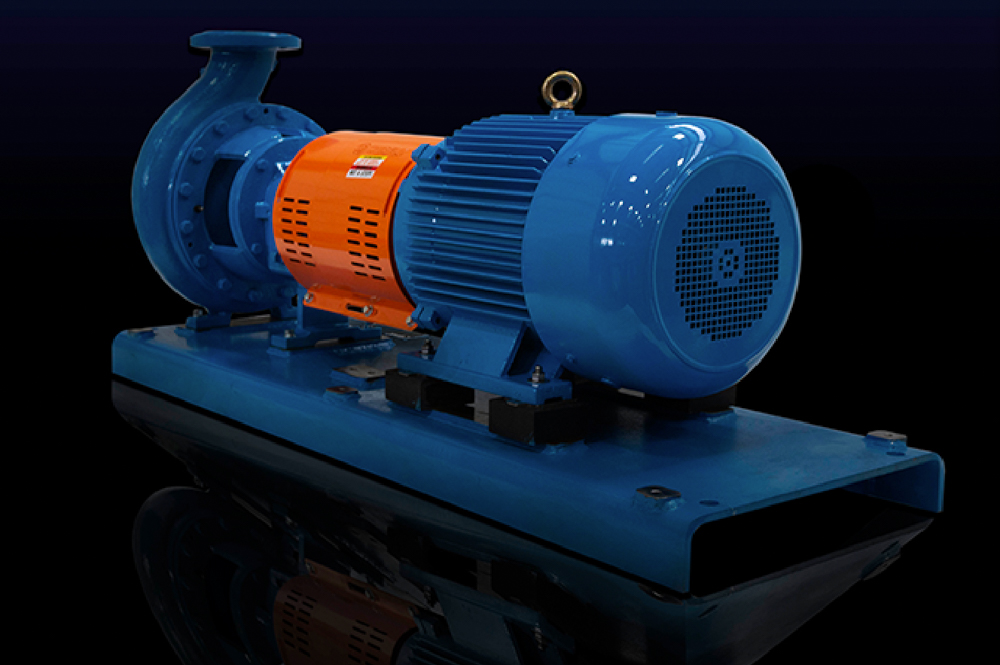
Centrifugal pumps play a crucial role in various industries, from agriculture to wastewater management. These devices help in moving fluids efficiently. For global sourcing, understanding the nuances of selecting the right centrifugal pump is essential.
Renowned industry expert, Dr. Emily Tran, emphasizes, “Choosing the right centrifugal pump can significantly impact operational efficiency.” Her insights reflect the need for careful consideration in the purchasing process. Each pump varies in design and performance, which affects its suitability for specific applications.
Potential buyers often face challenges in pinpointing the perfect pump. Factors like flow rate, pressure, and fluid compatibility require attention. A common mistake is overlooking maintenance considerations, which can lead to long-term inefficiencies. As you explore your options, remember that informed decisions can drive better results.
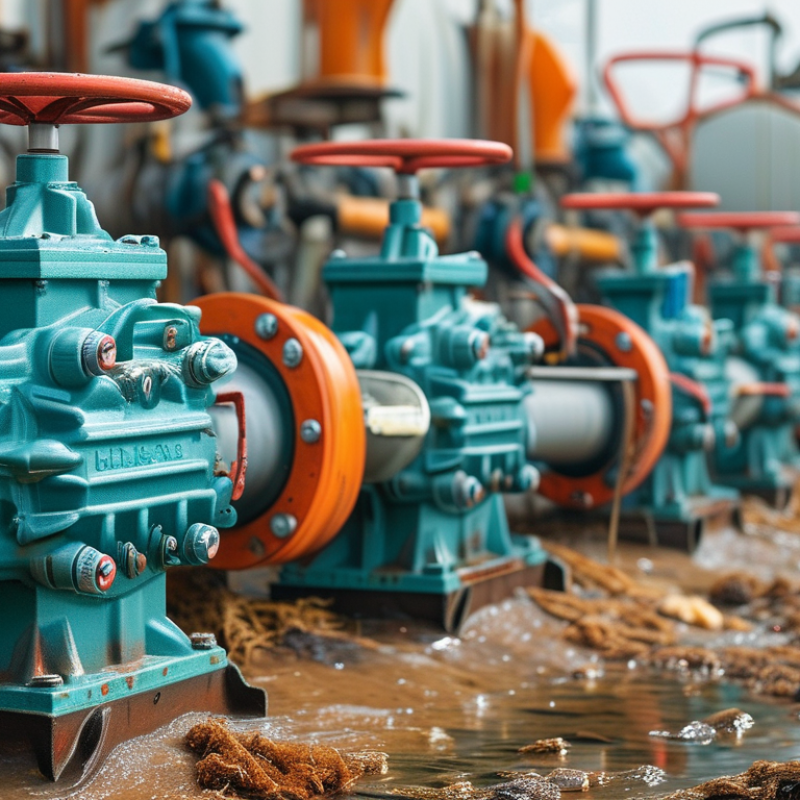
Centrifugal pumps play a vital role in various industries, including water treatment, oil and gas, and chemical processing. These pumps utilize rotational energy to move fluids. Understanding their types and applications is critical for effective sourcing.
There are several types of centrifugal pumps. The most common include volute pumps and diffuser pumps. Volute pumps have a spiral casing that increases pressure. Diffuser pumps work with a stationary component to achieve similar goals. According to a 2023 market analysis, volute pumps dominate around 65% of the global centrifugal pump market due to their efficiency.
Industries require pumps tailored to their specific needs. For example, wastewater treatment plants often use submersible centrifugal pumps. These pumps can handle solids effectively. In contrast, chemical manufacturing plants may prefer magnetic drive pumps to prevent leaks. A report from the International Pump Industry Association highlights a significant trend towards energy-efficient models. Fluids with varying viscosities demand different pump types. Misestimating pump requirements can lead to operational failures and increased costs.
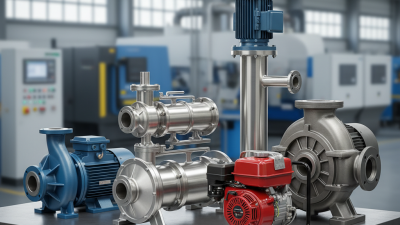
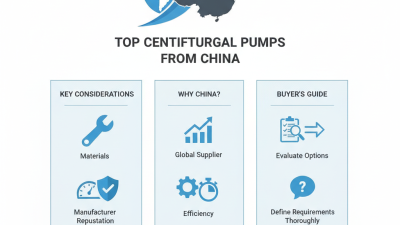
When sourcing centrifugal pumps, several key factors should guide your decision. First, consider the pump's material. Different applications require specific materials to withstand pressure and corrosion. Stainless steel or high-grade plastics may be vital in chemical processing. Always assess the chemical compatibility with your intended application.
Another important consideration is the pump's capacity and performance metrics. Understand the flow rate you need and how the pump will perform under different conditions. It's crucial to determine the best efficiency point (BEP) for your application to avoid operational issues.
**Tips:** Ensure that you clarify your project's scope with suppliers. Discuss specific needs regarding pressure, flow, and any environmental factors. This can prevent misunderstandings later. Seek out companies with a solid reputation in engineering and manufacturing.
It's also essential to evaluate the support and service offered by the supplier. A good supplier should provide training, maintenance guidelines, and readily available customer service. Ask for references or case studies to understand their expertise better. Do not hesitate to criticize potential limitations before finalizing a partnership.
| Feature | Requirement | Typical Range |
|---|---|---|
| Pump Type | Horizontal/Vertical | Horizontal, Vertical |
| Flow Rate | L/min | 50 - 5000 L/min |
| Head | Meter | 5 - 150 m |
| Material | Construction Material | Cast Iron, Stainless Steel, Plastic |
| Efficiency | Pump Efficiency Rating | 60% - 90% |
| Power Supply | Electrical Input | 220V, 380V, 460V |
| Seal Type | Mechanical Seal Types | Single, Double, Cartridge |
| Applications | Usage Scenario | Water Treatment, HVAC, Chemical Processing |
| Control Methods | Control Mechanism | Manual, Automatic, Variable Frequency Drive |
| Maintenance | Maintenance Requirement | Routine, Scheduled |
Centrifugal pumps are crucial in various industrial applications. They are widely utilized in sectors like oil and gas, water treatment, and chemical processing. The demand for reliable pumps continues to grow, with the global centrifugal pump market expected to reach over $45 billion by 2027, according to industry reports. This growth presents numerous opportunities for buyers. However, selecting the right manufacturer or supplier can be challenging.
An essential factor when sourcing centrifugal pumps is the supplier’s experience and expertise. Look for companies that have been in the industry for many years. Their long-standing presence often indicates reliability and a solid reputation. Reports suggest that top manufacturers invest heavily in R&D, ensuring their products are designed for efficiency and longevity.
Tips: Always evaluate supplier certifications. These can reflect quality and adherence to global standards. Checking customer reviews can also provide insights into reliability. Seek suppliers who offer robust after-sales support; this shows they value their customers' needs.
A significant challenge in sourcing is managing costs while ensuring quality. It is wise to request samples or prototypes before a larger commitment. Understanding the pump's specifications, compatibility with your system, and maintenance needs is essential. Collaborating with a manufacturer who understands your industry can ease the process. Aim for clarity in communication to avoid misunderstandings.
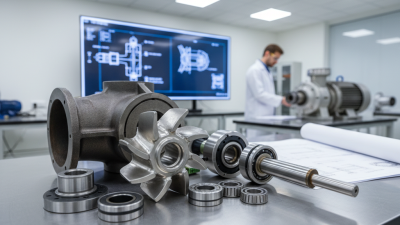
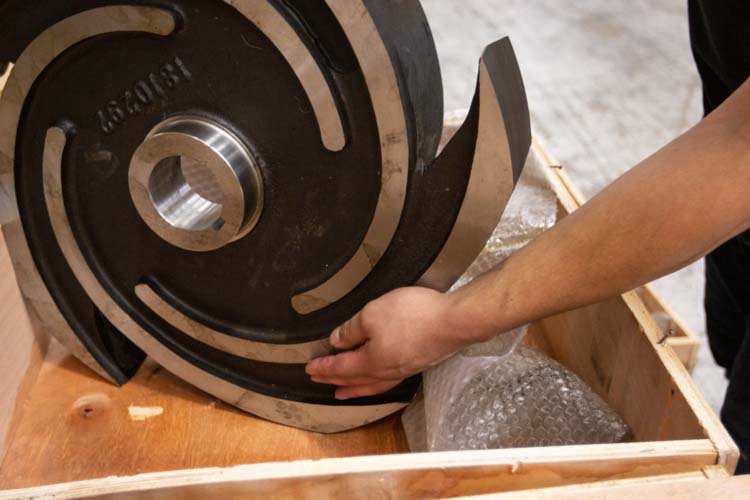
When evaluating the performance and efficiency of centrifugal pumps, several key factors come into play. The impeller design, for example, directly influences how well a pump can handle various fluids. A high-quality impeller will improve flow rates and reduce energy consumption. Efficiency ratings can vary significantly, often depending on the specific application.
Selecting the right centrifugal pump involves analyzing specific metrics. These include flow rate, head, and overall energy efficiency. It's crucial to pay attention to the pump's efficiency curve. Pumps that operate near their Best Efficiency Point (BEP) will perform more reliably. Regular assessment of maintenance needs can also prevent performance drops over time.
Understanding these aspects can help buyers make informed choices. However, not all purchases guarantee efficiency. Sometimes, a pump may not meet the expected performance in real-world situations. Users should prepare for occasional surprises, particularly when operating under varying conditions. A thorough evaluation process is essential for optimizing performance and ensuring reliability in the long run.
When considering the purchase of centrifugal pumps, cost analysis is crucial. Understanding the total cost of ownership helps in budgeting wisely. This includes initial costs, installation, maintenance, and energy consumption. Many buyers overlook ongoing expenses. This can lead to budget overruns later.
Comparing different suppliers can reveal significant price variations. Seek quotes and assess warranty terms. Cheaper pumps might save money upfront but could cost more in repairs. Take time to evaluate pump efficiency ratings. Higher efficiency typically correlates with lower energy bills and longer lifespan.
It's also wise to account for possible delays in procurement. Lead times can affect your project's schedule. Sometimes, unforeseen issues arise during installation. Consider setting aside a contingency fund for unexpected costs. Being prepared can mitigate stress when surprises occur. Balancing cost with quality is always a challenge. Making informed decisions requires effort and diligence.