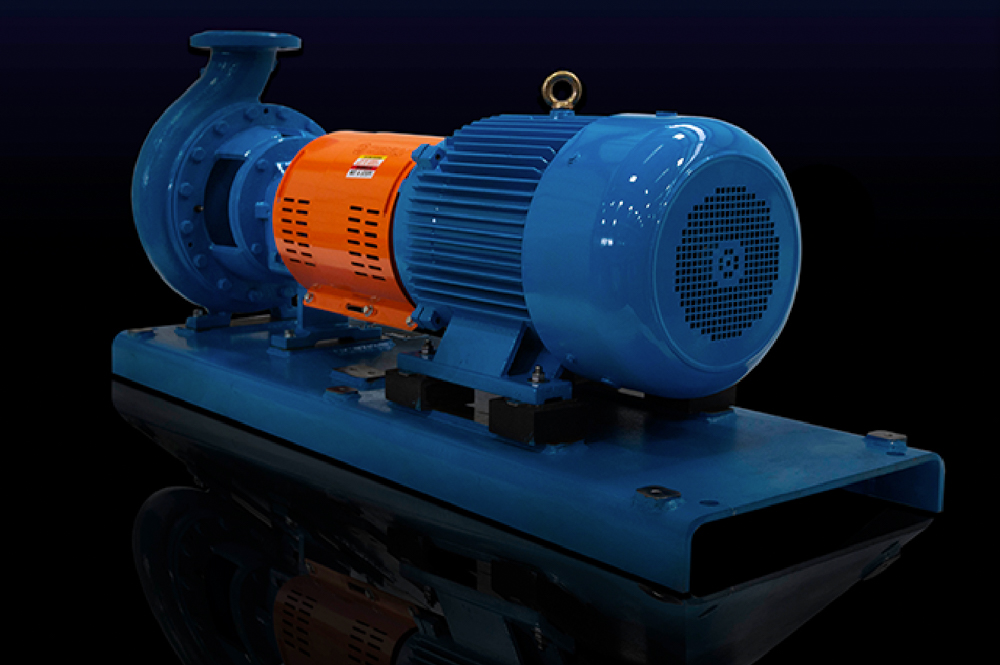
Cost of Repairing vs. Replacing ANSI Pumps: A Comprehensive Analysis

Blog

What Is the Best Self Priming Pump from China?

Choosing the best self priming pump from China requires more than comparing prices or reading polished product pages. Buyers should examine pump performance, materials, testing records, and after-sales support. A reliable model must remove air from the suction line, maintain stable flow, and handle the intended liquid without excessive wear.

Real application details matter. A pump moving clean water for construction may differ greatly from one handling wastewater, abrasive slurry, or mildly corrosive fluids. Check the required flow rate, total head, suction lift, inlet diameter, motor power, and operating temperature. Stainless steel, cast iron, and engineered plastics each suit different environments. A small mismatch can cause vibration, poor priming, or repeated seal failure.

Supplier experience is equally important. Ask for factory inspection evidence, performance curves, material certificates, and documented quality-control procedures. Request a practical test under conditions close to your site. The sound should remain steady, and the discharge should not surge. Look for clear warranty terms and accessible replacement parts. Good communication matters.

No supplier is perfect.

Even experienced buyers can overlook installation conditions. Long suction pipes, sharp elbows, or hidden air leaks may reduce performance. Therefore, the “best” pump is not automatically the most powerful or expensive model. It is the unit that matches your fluid, duty cycle, site conditions, and maintenance capacity. This guide compares key Chinese pump options while recognizing an important limitation: published specifications still require independent verification before purchase.
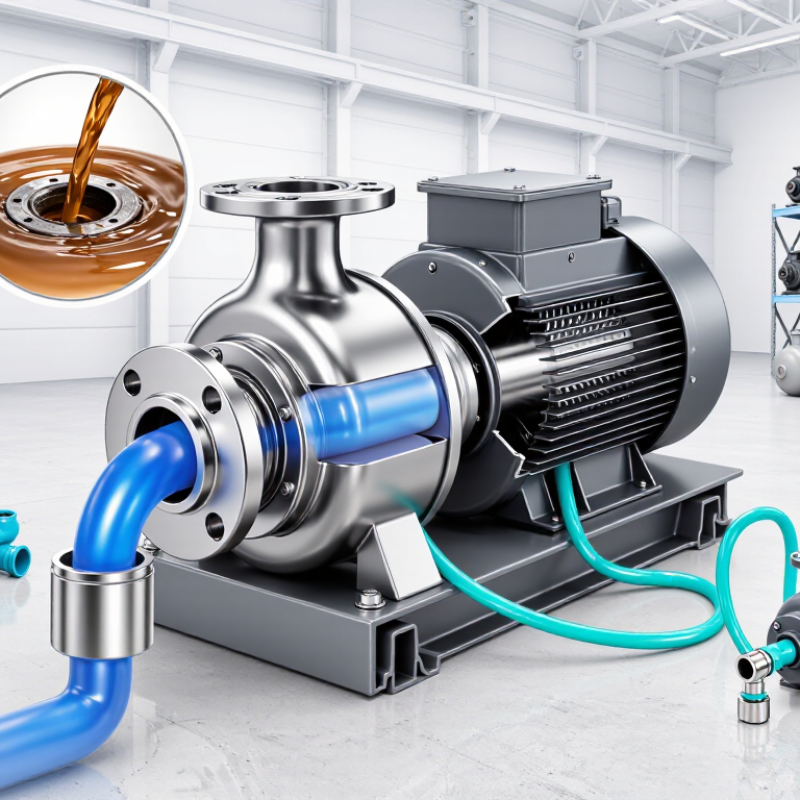
What Is the Best Self Priming Pump from China?

Self-Priming Pump Basics and Operating Principles

The best self-priming pump from China depends on the duty, not the country of origin. Self-priming models keep liquid inside the casing after shutdown. During startup, the impeller mixes trapped air with liquid. The separator then releases air through the discharge line, while heavier liquid returns to the impeller. This cycle gradually removes air from the suction pipe.

Prime time changes with pipe length, suction lift, liquid temperature, and casing design. The U.S. Department of Energy reports that pumping systems can consume about 25% of industrial electricity. Correct sizing matters. The Hydraulic Institute and Europump life-cycle guide also identifies energy as a major expense, often near 40% of total pump life-cycle cost. A pump that is too large may waste power and operate away from its best efficiency point.

When evaluating a Chinese self-priming pump, request tested flow-head curves, efficiency data, maximum suction lift, and allowable solids size. Check whether performance testing follows ISO 9906 or an equivalent procedure. Confirm the actual NPSH requirement, because a self-priming function does not eliminate cavitation risk. Stainless steel may suit corrosive water, while ductile iron can handle tougher general service. In field use, I would inspect the priming chamber and suction joints carefully. Small air leaks can defeat a good pump. The selection is rarely perfect. That deserves a second check.
Self-Priming Pump Basics: Practical Suction-Lift Limits

At sea level, atmospheric pressure provides a theoretical water-column limit of approximately 10.33 m at 20°C. In real installations, pipe friction, air leakage, water temperature, and pump design reduce the usable suction lift. A practical continuous suction lift is commonly kept near 6 m, while approximately 7 m may be achievable under favorable conditions.

Key Performance Factors for Selecting a Chinese Self-Priming Pump

What Is the Best Self Priming Pump from China?

The best Chinese self-priming pump depends on duty conditions, not country of origin. Start with flow, total head, suction lift, liquid temperature, and solids content. A pump handling wastewater needs a wider passage than one moving clean water. At 6–7 meters of suction lift, even a small air leak can stop priming. Test it under real conditions.

Energy use deserves close attention. The International Energy Agency reports that electric motor systems consume roughly half of global electricity. The U.S. Department of Energy also states that motor-driven equipment uses more than half of industrial electricity. Therefore, compare efficiency at the actual operating point, not only the maximum rating. Request certified curves, power consumption data, NPSHr values, and performance testing under ISO 9906 or equivalent procedures. A high-efficiency impeller may still waste energy when oversized.

Construction details reveal practical reliability. Check shaft sealing, casing material, corrosion resistance, wear-plate design, and access for cleaning. Confirm that the pump can tolerate intermittent dry running; many cannot. Ask for factory test records, traceable material certificates, spare-parts availability, and documented quality inspections. I have found that impressive datasheets sometimes omit priming time and air-handling limits. That omission matters. Select a supplier willing to test your liquid, pipe length, suction height, and expected duty cycle. Even then, the final choice should remain open to review after installation.

What Is the Best Self Priming Pump from China? - Key Performance Factors for Selecting a Chinese Self-Priming Pump

The most suitable pump depends on flow rate, discharge head, suction lift, liquid characteristics, solids content, construction materials, energy efficiency, and after-sales support. The figures below represent practical specifications for commonly supplied Chinese self-priming pump configurations.
Self-Priming Pump Configuration Typical Flow Range Typical Head Range Maximum Practical Suction Lift Typical Motor Power Maximum Solid Particle Size Recommended Liquid Temperature Typical Pump Casing Material Typical Priming Time Best-Suited Applications Main Selection Consideration
Compact Cast-Iron Centrifugal Pump 5–60 m³/h 15–45 m 6–7 m 1.5–11 kW Up to 3 mm 5–80°C Cast iron 1–3 minutes after initial filling Clean water transfer, irrigation, building water supply, and small drainage systems Low purchase cost and simple maintenance; not suitable for abrasive or highly corrosive liquids
Stainless-Steel Self-Priming Pump 3–80 m³/h 15–55 m 6–7 m 1.5–15 kW Up to 2 mm 5–100°C 304 stainless steel; 316 stainless steel available for more corrosive media 1–3 minutes after initial filling Food-processing utilities, light chemical transfer, clean water, and coastal installations Material compatibility and seal selection are more important than nominal motor power
Non-Clog Sewage Self-Priming Pump 20–400 m³/h 10–40 m 5–7 m 4–75 kW Up to 60 mm 5–60°C Cast iron or ductile iron 2–5 minutes after initial filling Municipal wastewater, construction-site drainage, septic effluent, and industrial wastewater Passage size, impeller design, seal protection, and access for blockage removal
Trash Pump with Semi-Open Impeller 30–600 m³/h 10–50 m 6–8 m 5.5–110 kW Up to 75 mm 5–60°C Cast iron or ductile iron 2–6 minutes after initial filling Flood control, mining drainage, agricultural drainage, and construction dewatering Large solids passage and wear resistance; efficiency decreases when handling heavily abrasive slurry
Diesel-Driven Mobile Self-Priming Pump 30–1,200 m³/h 15–80 m 6–8 m 20–250 kW engine rating Up to 75 mm 5–60°C Cast iron or ductile iron 2–8 minutes after initial filling Emergency drainage, flood response, remote irrigation, and sites without reliable electrical power Fuel consumption, engine emissions, noise, mobility, and availability of replacement engine parts
Vacuum-Assisted Self-Priming Pump 20–1,000 m³/h 15–70 m Up to 8 m under suitable conditions 5.5–160 kW Up to 75 mm 5–60°C Cast iron, ductile iron, or stainless steel Approximately 30–120 seconds Frequent start-stop drainage, deep wet wells, flood control, and applications requiring rapid restart Higher system complexity and cost, but faster and more reliable automatic priming
Chemical-Resistant Self-Priming Pump 2–100 m³/h 10–50 m 4–6 m 0.75–30 kW Normally below 1 mm 5–90°C, depending on material PP, PVDF, lined metal, or corrosion-resistant stainless steel 1–4 minutes after initial filling Acid transfer, plating systems, chemical wastewater, and process-liquid circulation Verify chemical compatibility, concentration, temperature, mechanical seal, and vapor pressure
Slurry-Capable Self-Priming Pump 10–300 m³/h 15–60 m 5–7 m 5.5–90 kW Up to 25 mm 5–60°C High-chrome alloy, ductile iron, or rubber-lined construction 2–6 minutes after initial filling Sand removal, mineral processing, dredging support, ash handling, and abrasive wastewater Abrasive wear rate, slurry concentration, impeller clearance, and availability of replaceable wear parts
Electric Motor-Driven Industrial Self-Priming Pump 20–500 m³/h 20–80 m 6–8 m 5.5–160 kW Up to 50 mm 5–80°C Cast iron, ductile iron, or stainless steel 1–4 minutes after initial filling Industrial water transfer, process drainage, fire-water support, and general plant services Motor efficiency, duty cycle, voltage, frequency, control method, and local electrical standards
Trailer-Mounted High-Flow Drainage Pump 200–2,000 m³/h 10–45 m 6–8 m 45–350 kW engine rating Up to 100 mm 5–60°C Ductile iron or heavy-duty cast iron 3–10 minutes after initial filling Large-scale flood control, mine drainage, canal maintenance, and temporary bypass pumping Transport dimensions, hose diameter, fuel autonomy, noise control, and field service capability
Note: Performance values are typical engineering ranges rather than guaranteed ratings. Final selection should be based on the complete pump curve, actual liquid properties, piping losses, altitude, duty cycle, electrical or engine standards, and site conditions.

Leading Types of Self-Priming Pumps Manufactured in China

What Is the Best Self Priming Pump from China?

Leading Types of Self-Priming Pumps Manufactured in China

The best self-priming pump depends on the liquid, suction lift, solids content, and daily operating hours. Chinese manufacturers commonly produce centrifugal, vortex, diaphragm, and jet-assisted self-priming pumps. Each type solves a different field problem.

Self-priming centrifugal pumps suit drainage, irrigation, and general water transfer. Their open or semi-open impellers can handle limited suspended solids. Vortex models create more clearance around the impeller. They are useful for wastewater containing rags or soft debris. However, efficiency may fall when the liquid becomes very thick.

Diaphragm self-priming pumps offer strong chemical resistance and can run at lower flow rates. They work well with sludge, corrosive liquids, and applications requiring controlled dosing. Jet-assisted designs provide reliable suction for deeper lifting conditions. They usually consume more energy, though.

From practical pump selection, the suction pipe layout often matters more than the catalog headline. A six-meter lift with many elbows can defeat an otherwise capable pump. Check the maximum particle diameter, seal material, motor insulation, and verified head-flow curves. Factory water testing is valuable, but it cannot fully represent abrasive wastewater.

I would not choose by price alone. That shortcut often creates maintenance costs later. Request performance data at your actual flow rate, not only the maximum rating. Small details matter.

Quality Standards, Materials, and Manufacturing Capabilities

What Is the Best Self Priming Pump from China? The answer depends on verified standards, materials, and production discipline. ISO 9906 defines hydraulic performance testing for centrifugal pumps, including flow, head, and efficiency. A serious supplier should provide test curves and inspection records, not only catalog claims. ISO 9001 certification also helps, but certification alone cannot prove consistent factory control.

Material selection should match the liquid and operating temperature. Cast iron suits many clean-water applications, while 304 or 316 stainless steel offers stronger corrosion resistance. Mechanical seals, shaft tolerances, and impeller balance deserve close inspection. The details matter. A practical factory audit should examine CNC machining, pressure testing, rotor balancing, and traceability from casting to final assembly. Hydraulic Institute guidance emphasizes correct pump selection and system efficiency, while the International Energy Agency reported in its Energy Efficiency 2024 analysis that electric motor systems consume about half of global electricity. Poor pump sizing can therefore create measurable operating waste.

Manufacturing capacity matters beyond annual output. Ask whether the plant can control casting quality, maintain spare-part consistency, and repeat performance across batches. Supplier data should include vibration readings, leak tests, and witnessed performance tests. Not always. A polished sample may hide weak process control. Even reliable factories can show occasional variation, so buyers should review nonconformity records and corrective actions. The best Chinese self-priming pump is usually the one supported by transparent evidence, suitable materials, and repeatable testing.

How to Compare Chinese Suppliers and Choose the Best Pump

What Is the Best Self Priming Pump from China?

The best pump depends on your site conditions, not the lowest quotation. Compare Chinese suppliers by checking flow rate, total head, suction height, fluid temperature, and solids content. Ask for a detailed performance curve, material list, and motor specifications. A reliable supplier should explain these figures clearly. Vague answers deserve caution.

Request a factory video, product photos, inspection records, and a sample test when possible. Check whether the supplier controls casting, machining, assembly, and pressure testing internally. Also review export experience, spare parts availability, warranty terms, and response time. A supplier may offer attractive prices but provide weak technical support. That mistake can become expensive after installation. Even experienced buyers sometimes compare only pump prices and overlook pipe diameter or suction losses. I have found that a slightly higher quotation can be safer when documentation is complete.

Tips: Send the same technical sheet to every supplier. Compare identical conditions. Ask for a test report using your expected flow and head. Confirm the priming time with the actual suction pipe length. Inspect sealing surfaces, coupling alignment, and electrical protection before shipment. Keep communication in writing. If the supplier changes materials without clear approval, pause the order. A final factory inspection is useful, although it cannot replace proper site design.

Proud Member Of Curry Supply Holdings
Since 1932

Tour Our State-of-the-Art Facility

Click for a Quick Quote