What Are the Benefits of Using Gear Pumps in Industry?
In the industrial sector, gear pumps are invaluable. They deliver precise fluid control and reliable performance. John Smith, a leading expert in hydraulic systems, states, "Gear pumps are essential for consistent flow in high-demand applications." This statement underscores their significance in various industries.
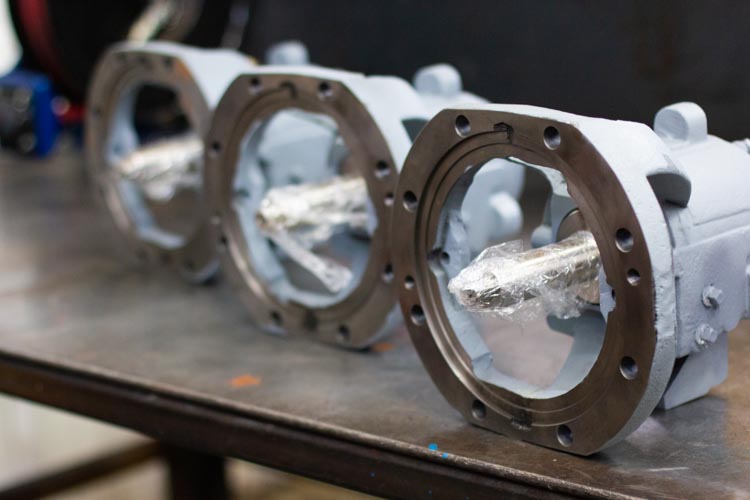
Gear pumps are known for their efficiency and durability. They work by meshing gears to pump fluids, making them ideal for applications requiring high pressure. Their robust design allows them to handle thick fluids, which is crucial in many manufacturing processes. However, they do have limitations. For example, they may not be suitable for abrasive or corrosive fluids without proper materials.
The advantages of using gear pumps are clear, but they require careful selection and maintenance. An ongoing challenge is balancing efficiency with pump longevity. Stakeholders need to consider the service environment and fluid properties to achieve optimal performance. Gear pumps can elevate industrial processes, provided they are applied thoughtfully.
Benefits of Gear Pumps in Industrial Applications
Gear pumps are widely used in various industrial applications due to their unique advantages. One major benefit is their ability to provide a constant flow rate. This consistency makes them suitable for tasks requiring precise volume delivery. Industries often rely on this feature for improved product quality. Additionally, gear pumps can handle high-viscosity fluids effectively. This capability opens doors for their usage in sectors like oil and gas, chemical processing, and food production.
Another significant advantage is the simplicity of design. Gear pumps have fewer moving parts compared to other types of pumps. This simplicity leads to lower maintenance needs, which can save costs over time. However, this doesn’t mean they are immune to wear and tear. Regular inspections are necessary to maintain optimal performance. Furthermore, while gear pumps excel at handling liquids, they may not be suitable for all types of applications, requiring careful consideration during selection.
Finally, the efficiency of gear pumps cannot be overlooked. They offer high volumetric efficiency, which translates to better energy use. In contrast, their performance can sometimes be reduced at high temperatures. This limitation requires users to ensure they operate within recommended parameters. Overall, gear pumps are a reliable option for many industries, combining efficiency with versatility.
Enhanced Efficiency and Performance of Gear Pumps
Gear pumps are widely used in many industrial applications due to their enhanced efficiency and performance. These pumps excel in moving fluids at a steady flow rate. This consistency is vital in processes that require precision. For example, they are often found in hydraulic systems and lubrication processes, where even small variations in flow can lead to considerable issues.
The design of gear pumps allows them to handle viscous fluids effectively. This capability reduces wear and tear on equipment. In industries like oil and gas, where thick fluids are common, gear pumps perform reliably. They also have a relatively simple construction, which aids in maintenance. However, the challenge lies in their sensitivity to contamination. Any foreign particles can lead to decreased efficiency.
Moreover, gear pumps have limitations in temperature tolerance. They may not perform well in extreme conditions. This can affect their overall reliability in specific applications. Even with these shortcomings, the benefits of using gear pumps are extensive. Their ability to provide consistent and reliable performance often outweighs these challenges, making them a staple in various industrial processes.
Versatility of Gear Pumps Across Various Industries
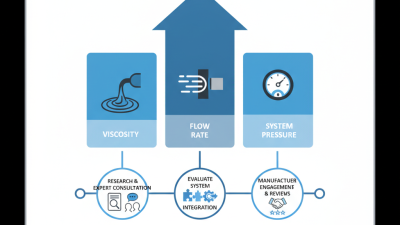
Gear pumps play a crucial role across various industries, demonstrating remarkable versatility. They efficiently move fluids in manufacturing, construction, and chemical processing. Their simple design allows for reliable performance, even under high pressures. This reliability is important when working with thick fluids, such as oils or adhesives.
Tips: Regular maintenance of gear pumps is essential. Inspecting seals and gears can prevent costly downtime. It's also beneficial to monitor fluid viscosity, ensuring optimal performance.
In addition to the mechanical benefits, gear pumps provide flexibility. They can handle a wide range of fluids, from corrosive chemicals to food products. This adaptability makes them a favorite among engineers. However, selecting the right pump for specific applications is vital. Incorrect choices can lead to inefficiency or equipment failure.
Tips: Always analyze the specific fluid characteristics before making a selection. Engage with experienced professionals when in doubt. They can provide valuable insights and help mitigate risks.
Cost-Effectiveness of Gear Pumps in Long-Term Use
Gear pumps are essential in various industries due to their cost-effectiveness. When assessing long-term use, they often prove to be a financially sound choice. According to a study by the American Society of Mechanical Engineers (ASME), gear pumps can reduce operational costs by up to 30% compared to other types of pumps. This is significant for manufacturers looking to optimize their budget while maintaining efficiency.
The durability of gear pumps plays a crucial role. Typically, they have a lifespan that exceeds 10 years with regular maintenance, as noted in a report from the Hydraulic Institute. This longevity means that the initial investment pays off over time. In heavy-duty applications, they can handle high pressures and viscosities, making them reliable under challenging conditions.
However, it's important to consider the potential limitations. Some gear pumps can be sensitive to changes in fluid temperature and pressure. Improper installation or maintenance can lead to failures, incurring additional costs. Thus, while gear pumps are a valuable asset, a thorough understanding of their operational parameters is necessary. Engaging with experienced technicians and engineers can help prevent costly mistakes and ensure optimal performance.
What Are the Benefits of Using Gear Pumps in Industry? - Cost-Effectiveness of Gear Pumps in Long-Term Use
| Benefit |
Description |
Long-Term Cost Impact |
Maintenance Frequency |
| High Efficiency |
Gear pumps have a high volumetric efficiency, leading to reduced energy consumption. |
Lower operational costs over time. |
Low; typically every 6-12 months. |
| Robust Design |
Constructed for durability, they can handle high pressure and flow rates. |
Fewer breakdowns lead to lower replacement costs. |
Minimal; may require inspection annually. |
| Versatility |
Gear pumps can handle various fluids, from oils to chemicals. |
Adaptable to multiple applications, reducing the need for different equipment. |
Low; suitable for many types of fluids without reconfiguration. |
| Consistent Flow Rate |
Provides a steady flow at various pressures, improving process reliability. |
Reduces waste and enhances efficiency. |
Moderate; depends on use. |
| Compact Size |
Designed to fit into small spaces while delivering high performance. |
Saves floor space, allowing for potential expansion. |
Low; infrequent adjustments needed. |
Ease of Maintenance and Reliability of Gear Pumps
Gear pumps are known for their ease of maintenance and reliability. These pumps are designed with few moving parts, which simplifies the maintenance process. Regular checks and basic servicing can often be done without the need for specialist tools. A study from the Hydraulic Institute notes that routine maintenance can reduce pump failure rates by 15% to 20%.
Reliability is a key advantage. Gear pumps maintain consistent performance under varying conditions. Their robust construction allows them to withstand harsh operating environments. According to the American Society of Mechanical Engineers, gear pumps often have an average lifespan that exceeds 10 years with proper care. However, over time, wear can occur, which may not always be obvious. Operators should monitor for subtle signs of degradation.
While gear pumps offer many advantages, they are not completely devoid of challenges. Variations in viscosity or temperature can affect their efficiency. It’s crucial to assess these factors regularly. The need for occasional recalibration adds to the complexity. Balancing maintenance with performance expectations remains a continuous endeavor. This reflection on both advantages and challenges is essential for maximizing the use of gear pumps in industrial applications.