Cost of Repairing vs. Replacing ANSI Pumps: A Comprehensive Analysis

Blog

What Are the Top Types of Self Priming Pumps?

Choosing the right self priming pump begins with understanding the work, not the catalogue. These pumps are designed to remove air from the suction line and establish liquid flow without constant manual filling. That sounds simple. It is not always simple.

A wastewater contractor may need a solids-handling pump for rags, grit, and uneven inflow. A chemical processor may require corrosion-resistant materials and controlled leakage protection. Agricultural users often value quick startup, easy inspection, and dependable performance during changing water levels. Each application creates different demands on suction lift, flow rate, head pressure, temperature, and liquid viscosity. A pump that performs well in a clean-water trial may struggle in a muddy pit. Real conditions matter.

Igor J. Karassik, a renowned pump engineer, famously observed, “The pump is the heart of the system.” His statement remains useful when comparing centrifugal, diaphragm, rotary lobe, and air-operated self priming pump designs. The best choice depends on the complete system, including pipe length, fittings, check valves, suction conditions, and maintenance access. Small details can become expensive failures.

This guide examines the top types of self priming pumps and explains where each design fits. It considers operating principles, practical strengths, limitations, and common selection mistakes. No comparison is perfect. Pump performance can change with liquid temperature, trapped air, wear, or installation quality. That is why responsible selection combines manufacturer data, field experience, and verified operating requirements. The goal is not the most powerful pump. It is the most dependable match.
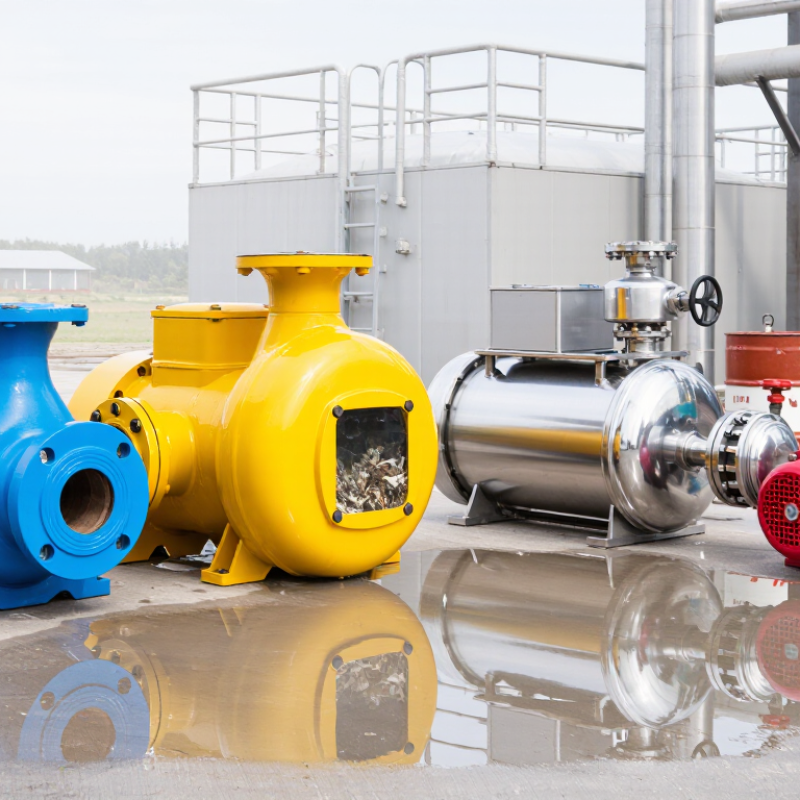
What Are the Top Types of Self Priming Pumps?

What Is a Self-Priming Pump and How Does It Work?

A self-priming pump is designed to remove air from its suction line without manual priming each time. Unlike a standard centrifugal pump, it keeps a small volume of liquid inside its casing after shutdown. When restarted, the impeller mixes this liquid with trapped air. The mixture enters the casing, where air separates and leaves through the discharge line. The heavier liquid then returns toward the impeller. This cycle continues until the suction pipe fills with liquid.

The process sounds simple. It is not effortless.

The pump must remain below its maximum rated suction lift, and the suction pipe must be airtight. Even a small leak around a threaded joint can prevent priming. A foot valve may help retain liquid, although some systems operate without one. In field inspections, poor pipe layout often causes more trouble than pump selection. A long horizontal suction line, sharp bends, or an undersized pipe can slow priming and increase wear.

Common designs include self-priming centrifugal pumps for clean or lightly contaminated water, vortex pumps for solids, and diaphragm pumps for lower-flow duties. Centrifugal models usually offer steady flow, while diaphragm designs tolerate air and intermittent operation better. The exact choice depends on liquid viscosity, solids content, temperature, and required lift. The term “self-priming” can mislead users. These pumps do not run dry indefinitely, and they cannot overcome unlimited air leaks. Careful commissioning still matters.

What Makes Centrifugal Self-Priming Pumps Widely Used?

What Are the Top Types of Self Priming Pumps?

What Makes Centrifugal Self-Priming Pumps Widely Used?

Centrifugal self-priming pumps are widely used because they handle air in suction lines more effectively than standard centrifugal pumps. Their casing stores enough liquid to create a temporary internal seal. When the impeller rotates, it separates air from water and sends the air toward the discharge line. The liquid then returns to the casing, allowing pumping to continue.

This design suits drainage, irrigation, construction dewatering, and wastewater transfer. Operators value simple installation and quick restarting after a suction line empties. A large inspection cover also helps technicians remove debris without dismantling the entire pump. That matters on muddy job sites.

But “self-priming” does not mean maintenance-free. The pump usually needs an initial liquid charge, and excessive suction lift can prevent reliable operation. Long or narrow suction pipes may also increase friction losses. In field inspections, small air leaks around fittings often cause more trouble than the pump itself. Check the gasket, flange, and mechanical seal carefully.

Solid handling is another reason for its popularity. Certain models can pass soft debris, although sharp stones or oversized materials may damage the impeller. Performance also depends on liquid temperature, viscosity, and solids concentration. A pump that works well with clean water may perform poorly with thick sludge. Selection should follow measured flow, total head, suction conditions, and particle size, not habit alone.

How Do Rotary and Positive Displacement Pumps Differ?

What Are the Top Types of Self Priming Pumps?

Self-priming pumps remove trapped air before normal liquid flow begins. Rotary pumps and positive displacement pumps are common choices. However, these terms do not describe equal categories. Rotary pumps usually belong to the positive displacement family. They use gears, screws, or vanes to move measured fluid volumes. A separate positive displacement group uses pistons or diaphragms.

The difference appears in operation. A rotary pump creates steady flow with limited pulsation. It suits oils, fuel-like liquids, and other viscous fluids. Internal clearances must match the liquid carefully. Abrasive particles can increase wear. Field technicians often check suction piping, seal condition, and initial casing fill. Small air leaks may prevent reliable self-priming.

Reciprocating positive displacement pumps deliver fluid through repeated chamber movement. Their pressure can be high, but flow is often pulsating. A pulsation dampener may protect connected piping and instruments. These pumps can handle precise dosing better than many rotary designs. Yet they may need more valves and maintenance points. Neither option wins every application. That assumption needs questioning. For wastewater containing solids, a rotary design may clog if clearances are tight. For thick liquid at controlled speed, it may perform well. Selection should consider viscosity, suction lift, temperature, particle size, and required flow stability. A short factory test with the actual liquid remains more dependable than a simple catalog comparison.

Which Self-Priming Pump Types Suit Different Applications?

What Are the Top Types of Self Priming Pumps?

Which Self-Priming Pump Types Suit Different Applications?

Choosing a self-priming pump starts with the liquid, not the pump name. Centrifugal self-priming pumps suit clean water, light wastewater, and irrigation systems. They offer steady flow and simple maintenance. Their performance drops when the liquid contains heavy solids or thick sludge. A short suction line usually improves reliability.

Trash pumps are better for construction drainage, floodwater, and liquids containing stones, leaves, or coarse debris. Their wide passages reduce clogging risks. However, they can be less efficient with clean water. That trade-off is easy to overlook. Operators should check the maximum solids diameter before installation.

Diaphragm pumps handle abrasive fluids, sludge, and liquids that may contain air. They can tolerate dry running better than many centrifugal designs. This makes them useful for dewatering pits and irregular industrial duties. Rotary displacement pumps may suit oils, syrups, and other viscous fluids. Their flow is controlled more by speed than pressure changes.

Application details matter. Engineers should review suction lift, temperature, viscosity, solids content, and expected operating hours. A pump that works well during testing may struggle after sediment builds inside the suction pipe. I would also verify priming time and material compatibility, because catalog figures rarely describe every site condition. No selection rule is perfect. Field conditions can be untidy.

What Are the Top Types of Self Priming Pumps? - Which Self-Priming Pump Types Suit Different Applications?

Self-Priming Pump Type How It Primes Suitable Fluids Typical Strengths Important Limitations Best-Fit Applications
Self-Priming Centrifugal Pump A special casing and impeller arrangement separates air from the liquid and recirculates liquid during startup. Clean water, wastewater, lightly contaminated liquids, and liquids with limited entrained air. High flow capacity, simple operation, relatively low maintenance, and good energy efficiency for continuous transfer. The pump casing normally needs to retain liquid; abrasive solids and highly viscous fluids may reduce performance. Drainage, irrigation, construction dewatering, flood control, and municipal wastewater transfer.
Trash and Solids-Handling Centrifugal Pump Uses a self-priming centrifugal casing with a larger passage and impeller designed to pass solids. Raw sewage, stormwater, muddy water, sludge-containing water, and liquids with suspended solids. Handles clog-prone liquids, reduces the need for a separate suction check valve, and supports field dewatering work. Generally less efficient than a clean-water centrifugal pump; wear increases with abrasive solids and sand. Construction sites, sewage bypass, mining water management, agricultural drainage, and emergency pumping.
Positive Displacement Diaphragm Pump Reciprocating diaphragms create suction and discharge flow, allowing the pump to evacuate air from the suction line. Chemicals, slurries, viscous liquids, shear-sensitive fluids, and liquids containing suspended solids. Good dry-running capability, strong suction lift, gentle handling, and accurate flow control at moderate rates. Pulsating flow, diaphragm wear, compressed-air energy costs for air-operated versions, and limited high-flow efficiency. Chemical transfer, paint and coating systems, wastewater sludge handling, mining slurry, and batch processing.
Flexible Impeller Pump A flexible elastomeric impeller forms temporary chambers that draw liquid into the pump and discharge it under pressure. Low- to medium-viscosity liquids, water, oils, detergents, and liquids with small soft particles. Compact design, reversible flow on many models, gentle pumping, and convenient intermittent transfer. The impeller is a wear component; dry running, high temperatures, and hard abrasive solids can cause rapid damage. Marine systems, food and beverage transfer, equipment drainage, light chemical service, and small process skids.
Rotary Lobe Pump Counter-rotating lobes create expanding cavities on the suction side and can remove air from the suction piping. Viscous liquids, slurries, food products, wastewater sludge, and liquids containing soft solids. Handles high viscosity, provides reversible operation on suitable designs, and offers relatively gentle product transfer. Requires correct clearances, can be sensitive to hard particles, and may need relief protection against closed-discharge conditions. Food processing, sanitary transfer, sludge dewatering, biogas plants, and industrial liquid handling.
Rotary Vane Pump Sliding vanes create changing chamber volumes that produce suction and move liquid through the pump. Diesel, fuel oils, lubricating oils, solvents, and other relatively clean low- to medium-viscosity liquids. Good suction capability, steady flow, compact construction, and effective handling of many petroleum-based liquids. Vanes wear with abrasive contamination; dry running, excessive speed, and unsuitable fluid compatibility can cause damage. Fuel dispensing, oil transfer, vehicle service equipment, lubricating-oil circulation, and industrial fluid loading.
Vacuum-Assisted Self-Priming Pump An integrated vacuum system removes air from the suction line before or during centrifugal pumping. Wastewater, stormwater, process water, and liquids where the pump may frequently lose prime. Reliable automatic priming, suitability for long or changing suction conditions, and reduced manual intervention. Higher purchase and control-system complexity, additional maintenance, and potentially greater energy consumption. Municipal lift stations, remote drainage, flood response, sewage bypass, and unattended dewatering installations.
Peristaltic Hose Pump A rotating set of rollers or shoes compresses a flexible hose, creating a moving pocket of fluid and suction. Abrasive slurries, corrosive chemicals, dewatering polymers, pastes, and liquids with suspended solids. Excellent fluid isolation, strong solids tolerance, accurate metering at low flow, and good dry-running resistance. Hose life limits service intervals; flow is pulsating and higher pressure or flow may require increased drive power. Mining slurry, water treatment chemical dosing, ceramic processing, wastewater treatment, and abrasive material transfer.
Selection note: Actual self-priming performance depends on suction-lift height, suction-pipe diameter and length, liquid temperature and viscosity, air leakage, solids content, discharge head, and the pump manufacturer’s operating limits.

What Factors Should Guide Self-Priming Pump Selection?

Self-priming pumps are not one universal solution. Common options include centrifugal, diaphragm, and positive-displacement models. Centrifugal units suit clear water and moderate solids. Diaphragm pumps handle abrasive fluids and intermittent flow. Positive-displacement designs provide steadier delivery against higher resistance. The best type depends on the duty, not the catalog label. Keep that distinction visible.

Start with fluid properties: viscosity, temperature, pH, solids size, and gas content. A pump moving stormwater faces different risks than one handling thick wastewater. Measure the required flow and total dynamic head, including pipe friction, elevation, valves, and discharge pressure. Check suction lift carefully. A claimed maximum may assume ideal conditions. Real installations often include long hoses, warm fluid, or a clogged strainer. These details can reduce priming reliability. Confirm the allowable dry-running time and priming speed. Faster is helpful, but not always essential.

Material compatibility deserves equal attention. Cast iron may suit general water, while stainless steel or engineered polymers can resist corrosion better. Verify seal materials and maintenance access. Operators should inspect the check valve, casing, and suction line during commissioning. A tiny air leak can stop the pump from lifting fluid. Noise, power supply, duty cycle, and local service skills also affect lifecycle cost. I have seen efficient pumps underperform because selection focused only on flow rate. That mistake is easy to repeat. Review measured site conditions, then allow a modest margin without oversizing. Oversizing can cause inefficient cycling and unnecessary wear.

What Are the Top Types of Self-Priming Pumps?

What Factors Should Guide Self-Priming Pump Selection?

The chart compares representative maximum solids-passage capabilities commonly associated with major self-priming pump types. Trash centrifugal pumps are generally selected for heavily contaminated water, while standard centrifugal pumps are better suited to relatively clean liquids. Diaphragm pumps can handle intermittent solids and dry-running conditions, whereas rotary positive-displacement pumps are typically preferred for viscous fluids and controlled flow.

Pump selection should also consider required flow and head, suction-lift height, liquid viscosity, temperature, chemical compatibility, dry-run risk, solids concentration, energy use, maintenance access, and the practical suction-lift limit. For water at sea level, atmospheric pressure limits practical suction lift to roughly 7–8 meters in many installations, depending on vapor pressure, friction losses, altitude, and system design.

Proud Member Of Curry Supply Holdings
Since 1932

Tour Our State-of-the-Art Facility

Click for a Quick Quote