What Are the Top 10 Types of Pump Parts?
A pump may look like one solid machine, yet its performance depends on parts working together under pressure. A worn bearing can cause vibration. A damaged seal can turn a clean pump room into a drip-tray problem. Knowing the main pump parts helps technicians spot wear, choose compatible replacements, and ask better maintenance questions.
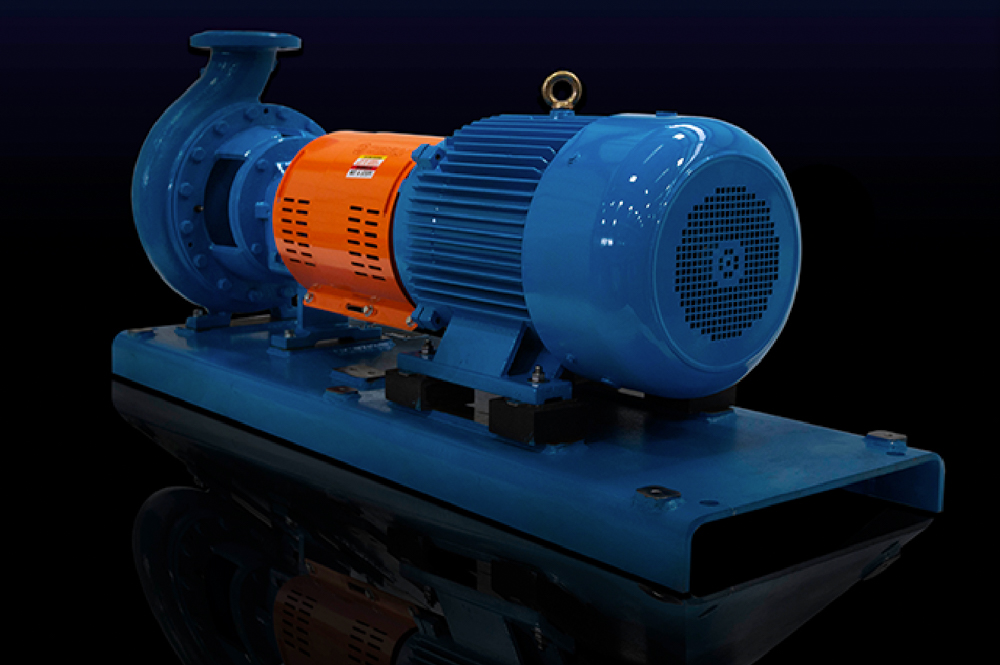
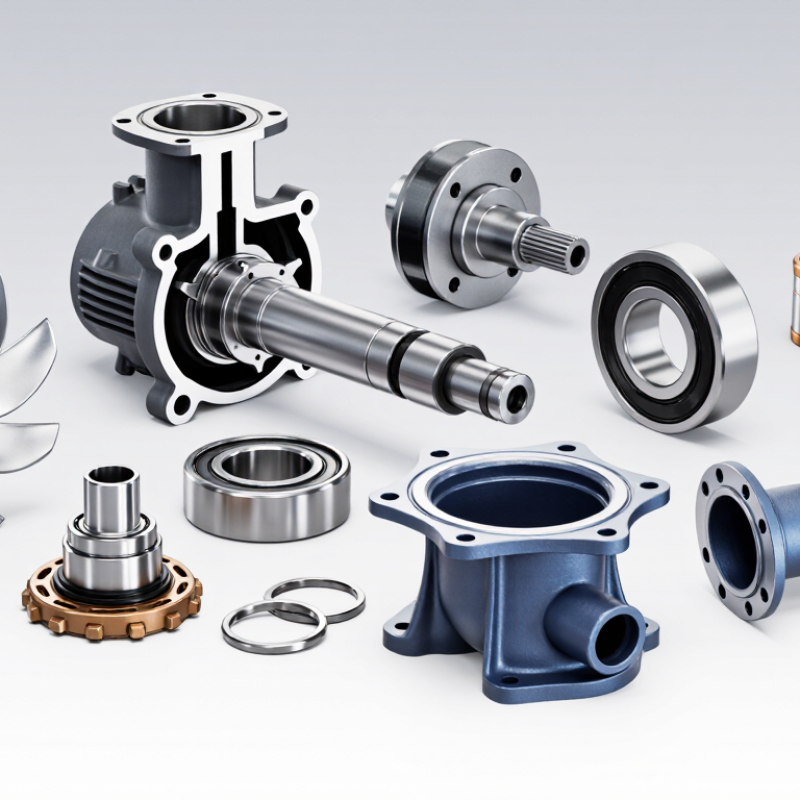
Machinery-reliability authority Heinz P. Bloch has written extensively about dependable equipment. The guiding line here is an editorial paraphrase of that reliability focus, not a verbatim quotation: “A small component can decide whether a pump runs smoothly or fails early.” That principle frames this overview. We’ll examine ten common parts: the impeller, casing, shaft, mechanical seal, bearings, wear rings, coupling, volute, suction nozzle, and discharge nozzle. Their designs vary across centrifugal, submersible, and other pump types, so one list cannot fit every machine. Still, these components offer a useful starting point. Look closely at the seal faces, bearing housing, and impeller edges; small clues matter. Not every failure has a simple cause. Material choice, fluid conditions, alignment, and installation can all change how long a part lasts. This guide explains what each component does and what to inspect before replacement.
Hydraulic Flow Components: Impellers and Casings
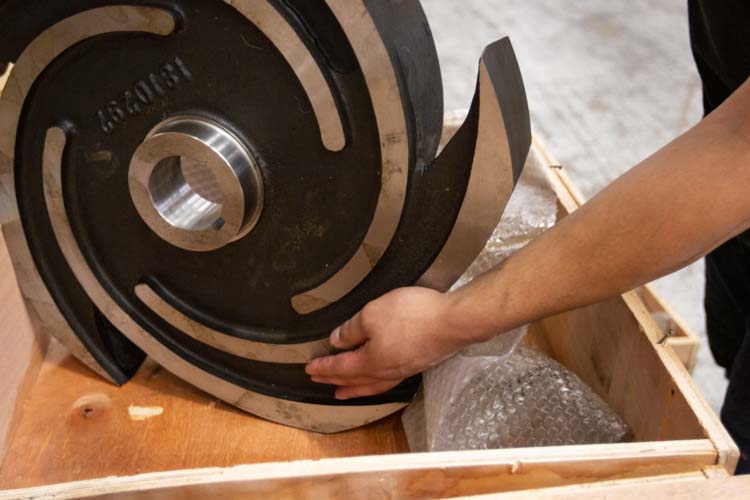
An impeller is the rotating component that adds energy to liquid inside a pump. Its vanes guide the flow outward, increasing its velocity. In a centrifugal pump, that motion helps move liquid from the impeller eye toward the casing. Small changes matter. Blade shape, diameter, and running clearance can affect flow, pressure, and efficiency.
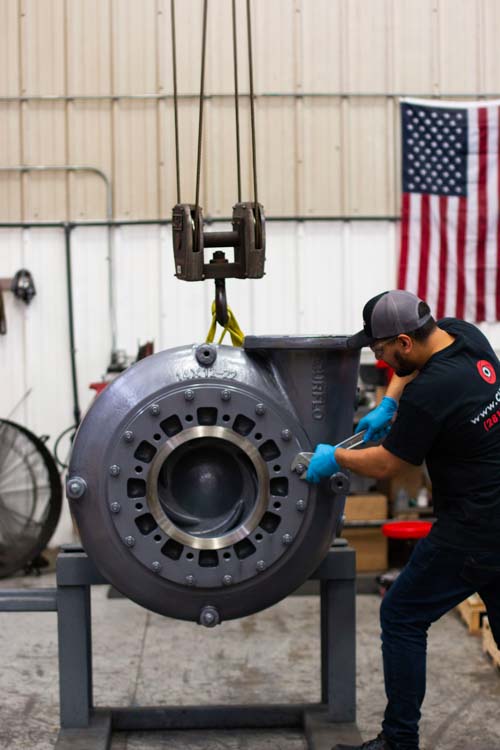
The casing surrounds the impeller and collects the moving liquid. A volute casing has a widening passage that slows flow and helps convert velocity into pressure. A diffuser casing uses stationary vanes to guide and slow the liquid. Fit matters. If the gap between impeller and casing is too large, internal recirculation can reduce performance; if it is too tight, contact may occur as parts expand or shift.
Wear is not always obvious. Abrasion can round vane edges, while cavitation may leave small pits near the impeller eye. Deposits inside a casing can also disturb flow, even when the exterior looks sound. During inspection, check for uneven wear, cracks, looseness, and rubbing marks, then compare clearances with the pump’s service specifications. One caveat: a worn-looking surface does not alone prove the cause of poor performance. Flow rate, vibration, and operating conditions provide useful context, and diagnosing from appearance alone can be misleading.
Flow Connections: Suction Inlets and Discharge Outlets
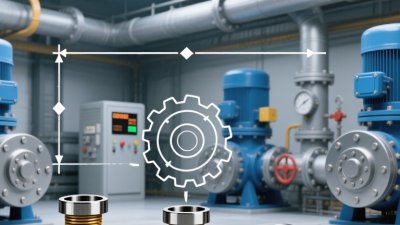
Suction inlets and discharge outlets connect a pump to the piping system, but they do more than carry fluid. The suction inlet should provide a steady, unobstructed path into the pump. Keep its pipe correctly sized and avoid tight bends near the opening. A narrow inlet or sudden restriction can increase flow resistance and contribute to cavitation. Small air leaks matter, too. They may interrupt suction and make pump performance unstable. Check flange faces, gaskets, and threaded joints during installation. This is easy to miss, even on a careful drawing.
The discharge outlet carries pressurized fluid away from the pump. Its connection must suit the pipe diameter, operating pressure, fluid, and expected flow rate. A reducer placed too close to the outlet can create turbulence or unwanted loading. Support the pipe independently where needed, so its weight does not strain the pump casing. Use compatible sealing materials, and inspect joints for vibration, seepage, or corrosion. A pressure gauge near the discharge can help technicians identify unusual operating conditions. Pipe layouts are rarely perfect; small alignment errors can remain until vibration reveals them. Regular checks help catch those details early.
Rotating Components: Shafts and Couplings
A pump shaft carries torque from the driver to the impeller, while the coupling joins the two rotating shafts. Their condition affects vibration, bearing loads, and seal life. The U.S. Department of Energy’s Improving Pumping System Performance sourcebook reports that pumping systems can account for 25% to 50% of energy use in some industrial facilities. That figure covers the wider system, not just rotating parts, but it shows why avoidable friction and misalignment deserve attention.
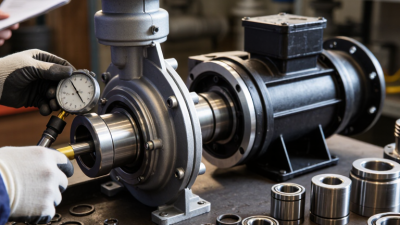
During inspection, check shaft runout, coupling-element wear, and alignment against the equipment maker’s tolerances. A flexible coupling can accommodate limited movement; it cannot fix poor installation. Look for polished contact marks, cracked elastomer, or uneven gaps between coupling halves. Small signs matter. A coupling may look intact while transmitting vibration from a bent shaft or soft foot. This check is useful, though not perfect: temperature changes and pipe strain can shift alignment after startup. The Hydraulic Institute’s pump guidance emphasizes operating pumps within suitable operating regions; stable shaft-and-coupling behavior helps support that goal, but it does not guarantee efficient operation by itself. Record readings before and after maintenance, and compare them under similar operating conditions. A quick visual check alone can miss problems.
Support Components: Bearings and Wear Rings
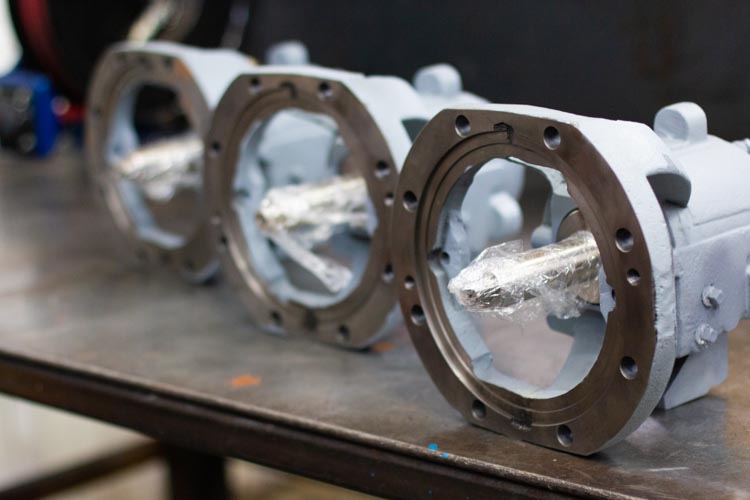
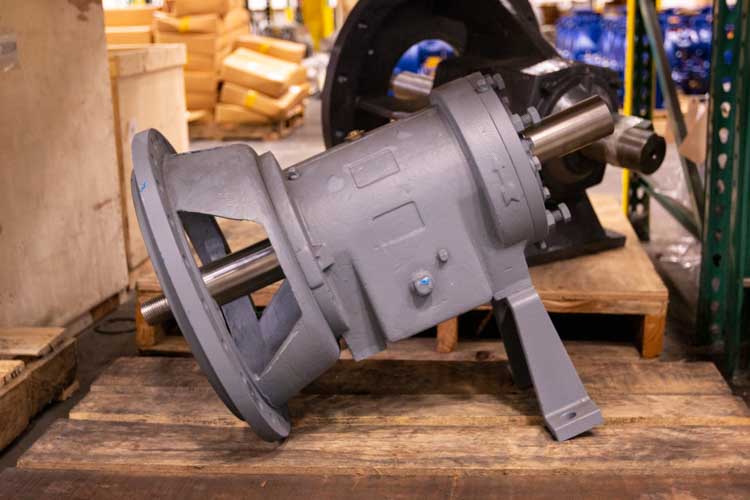
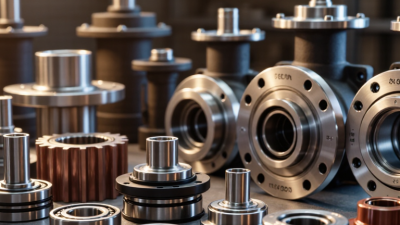
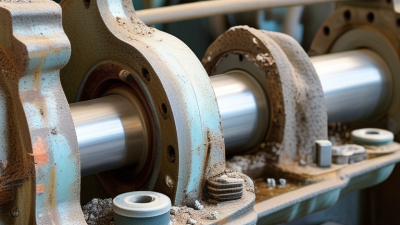
Bearings and wear rings may look modest beside a pump casing, but both help control movement and protect costly parts. A bearing supports the shaft and manages radial or axial loads, depending on the pump design. Common options include rolling-element bearings and sleeve bearings. Each has different needs for lubrication, alignment, and operating speed. Lubrication matters. Too little can raise friction and temperature; contamination can score a bearing surface. A steady hum is useful, but a rising temperature or new vibration deserves attention. Small changes often appear before a failure becomes obvious.
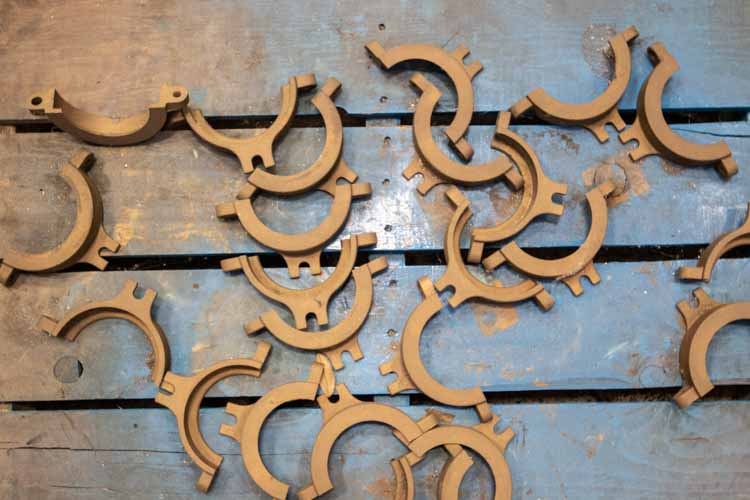
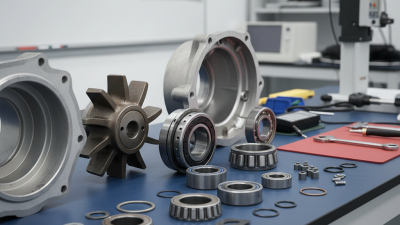
Wear rings fit between the impeller and casing, limiting internal leakage while keeping metal surfaces apart. They are designed to wear, so replacing a ring can be simpler than repairing an impeller or casing. Clearance matters. If it grows too large, efficiency can fall; if it is too tight, rubbing may occur as parts warm or shift. During inspection, technicians can check for scoring, uneven wear, looseness, and signs of contact. Measurements should be compared with the pump maker’s specifications, not guessed from appearance. It is easy to overlook a slightly oval ring. That is one reason careful measurement and clear maintenance records matter, even when a pump seems to run normally.
Pump Support Components: Bearings and Wear Rings
Bearings support and position the shaft; thrust-bearing arrangements can also carry axial loads. Wear rings limit internal recirculation and provide replaceable wear surfaces. A value of 1 indicates a typical function; actual roles depend on pump design.
Leakage Control: Mechanical Seals and Gaskets
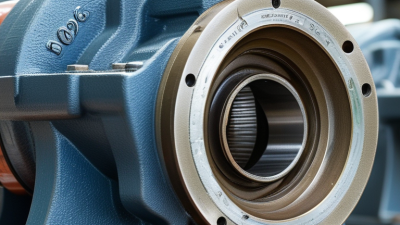
In a centrifugal pump, leakage often appears where rotating and stationary components meet. A mechanical seal controls leakage around the shaft using two closely matched faces. One face rotates with the shaft; the other stays fixed in the seal housing. A thin liquid film helps lubricate and cool these faces. Some seepage may be expected in certain designs, so check the pump manual before treating every drop as a fault.
Small marks matter.
Gaskets serve a different purpose. They seal stationary joints, such as casing covers and pipe flanges. A flattened, hardened, or torn gasket can let liquid escape under pressure. Replacing it with the wrong thickness or material may cause poor sealing or distort the joint. Check fluid compatibility, temperature, and pressure limits. Clean mating surfaces carefully, and tighten fasteners evenly. I would recheck the joint after startup; a quick visual inspection can miss a slow leak.
Tips: Keep seal faces clean during installation. Avoid running a pump dry, since heat can damage the faces quickly. Replace damaged gaskets rather than stacking new material over old. If leakage returns, inspect shaft alignment and vibration too; changing the seal alone may not solve the cause.
Don’t guess.