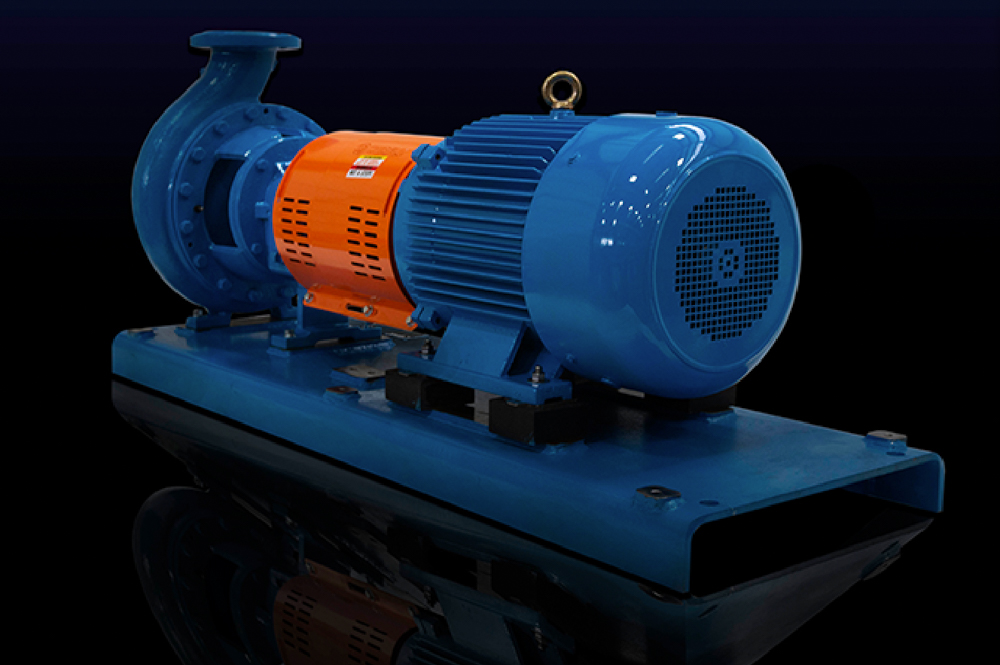
Cost of Repairing vs. Replacing ANSI Pumps: A Comprehensive Analysis

Blog

Why Do Industrial Pump Parts Fail and How to Prevent It?

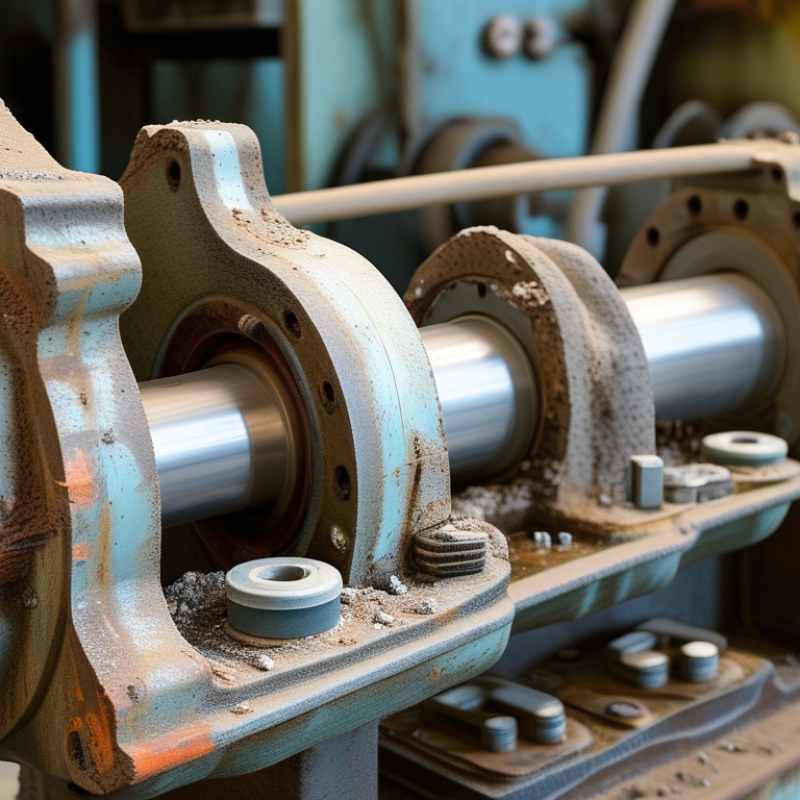
Industrial pump parts rarely fail without warning. A cracked wear ring, scored shaft, or burned mechanical seal usually records a history of pressure, heat, contamination, or poor maintenance. In chemical plants, water stations, and process facilities, technicians often find the same evidence: fine sand inside a bearing, rust beneath a gasket, or uneven wear on an impeller vane. These small details matter.

Dr. Lev Nelik, a recognized pump reliability specialist and author, states, “Pump reliability begins with proper selection, installation, and operation.” His point is practical. Industrial pump parts must match the fluid, temperature, pressure, speed, and operating cycle. A seal designed for clean water may fail quickly in abrasive slurry. A bearing can overheat when alignment is slightly wrong. Cavitation may leave rough, crater-like damage across the impeller.

Prevention requires more than replacing damaged components. Teams should verify shaft alignment, monitor vibration, inspect lubrication, and check suction conditions. Keep spare seals and bearings clean, sealed, and correctly stored. Record operating changes before failure appears.

The uncomfortable truth is simple.

Many “unexpected” failures are not unexpected at all. Warning signs were noticed but ignored, or maintenance intervals were copied from another machine. That approach needs reconsideration. Reliable industrial pump parts depend on evidence-based selection, skilled installation, and honest inspection records. Even then, no system is perfect. Fluids change. Loads fluctuate. People make mistakes. Strong maintenance programs accept these limits and keep improving.
Why Do Industrial Pump Parts Fail and How to Prevent It?

What Are Industrial Pump Parts and What Roles Do They Perform?

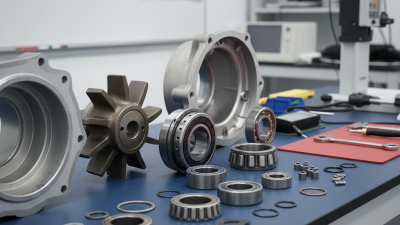
Industrial pump parts are not interchangeable pieces; each one controls flow, pressure, alignment, or leakage.

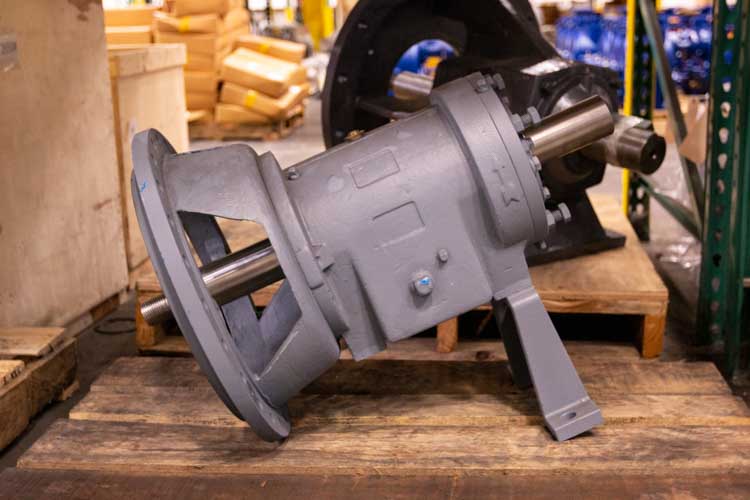
The casing contains fluid and directs it toward the discharge line.

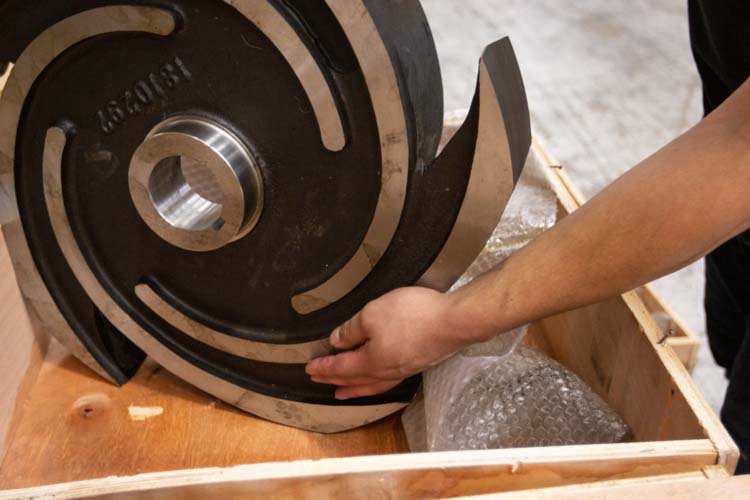
The impeller adds velocity and pressure.

A shaft transfers torque from the motor, while bearings keep rotation stable under load.

Mechanical seals limit leakage around the shaft.

Wear rings maintain internal clearance and reduce recirculation.

Small parts can create large losses.

According to the U.S. Department of Energy’s Improving Pumping System Performance sourcebook, pumping systems may consume 25–50% of electricity in industrial facilities.

A worn wear ring can increase recirculation, forcing the impeller to work harder.

Misaligned shafts can heat bearings, mark coupling surfaces, and damage seals.

The symptoms often appear together.

Prevention starts with the part’s actual role.

Measure vibration, bearing temperature, seal leakage, and motor current during normal operation.

Compare readings with the pump’s baseline, not only with generic limits.

Hydraulic Institute guidance also stresses correct operating conditions and adequate suction performance.

Yet maintenance plans are sometimes too tidy.

Operators may replace a seal without checking shaft runout or pipe strain.

That mistake can repeat the failure.

A practical inspection should include alignment, lubrication, suction conditions, clearances, and evidence of cavitation, such as rough impeller surfaces or a crackling sound.
Which Operating Conditions Cause Industrial Pump Parts to Fail?

Industrial pump parts often fail because operating conditions exceed their design limits. Cavitation is a common example. When inlet pressure falls too low, vapor bubbles form and collapse against the impeller. The damage may look like small dents, but it can quickly become severe pitting. A rattling sound, unstable flow, and rising vibration often appear first. Low liquid levels, blocked strainers, and undersized suction lines can trigger this condition.

Dry running causes even faster damage. Mechanical seals depend on liquid for cooling and lubrication. Without it, seal faces may overheat within minutes. Excessive temperature can also weaken elastomers and distort close-fitting components. Highly viscous liquids increase motor load and shaft stress. Abrasive particles wear sleeves, impellers, and wear rings, especially when filtration is poor. Corrosive fluids create another risk, even when visible leakage seems minor.

Pressure fluctuations and frequent starts can fatigue shafts, gaskets, and fasteners. Misalignment adds uneven loads, while soft foundations allow vibration to grow. Field inspections should compare actual flow, pressure, temperature, and vibration with the pump’s specified operating range. Trend data is more useful than one reading. A single inspection can miss a developing problem. I have seen operators replace damaged parts without correcting suction restrictions, so the replacement failed again. Maintenance records should include liquid properties, operating hours, and unusual sounds. Small details matter.

Cavitation, dry running, excessive solids, overheating, operation far from the best efficiency point, and shaft misalignment are common operating conditions that accelerate industrial pump-part failure. The values shown are a qualitative engineering risk index from 1 to 5, not industry-wide failure percentages.

How Can Common Pump Part Failures Be Diagnosed?

Why Do Industrial Pump Parts Fail and How to Prevent It?

Common pump failures can often be diagnosed before shutdown. In field inspections, I start with four readings: suction pressure, discharge pressure, flow, and vibration. A sudden flow loss with unstable suction pressure may indicate blockage, air entry, or cavitation. Listen near the casing. Crackling sounds matter. Rising bearing temperature often points to poor lubrication, misalignment, or excessive radial load. The U.S. Department of Energy reports that pumping systems can consume 25% to 50% of industrial facility electricity, so inefficient operation deserves urgent attention.

Mechanical seals need a closer inspection. A narrow spray pattern, salt deposits, or wetness around the shaft can reveal face damage or shaft movement. Do not replace the seal immediately. Check alignment, pipe strain, and operating conditions first. The Hydraulic Institute identifies inadequate NPSH, excessive speed, and operation away from the best efficiency point as common cavitation risks. Vibration analysis should follow ISO 20816 guidance, while trend data is more useful than one isolated reading.

My first diagnosis is not always correct. A hot bearing can reflect process overload, not simply bad grease. That is easy to miss. Record readings under the same load, then compare them with the pump curve and maintenance history. The U.S. DOE Pumping System Sourcebook also emphasizes system-level assessment, because a healthy pump can still perform poorly in a restricted or poorly controlled pipeline.

Why Do Industrial Pump Parts Fail and How to Prevent It? - How Can Common Pump Part Failures Be Diagnosed?

Pump Part Typical Failure Symptoms Most Likely Causes Diagnostic Checks Recommended Prevention Priority Typical Inspection Interval
Mechanical seal Visible leakage, seal-face overheating, leakage rate that increases during operation Dry running, misalignment, abrasive solids, incorrect installation, thermal shock, excessive shaft movement Inspect leakage location; check seal faces, elastomers, shaft sleeve, flush pressure, and operating temperature Prevent dry running, maintain correct flush or barrier fluid, verify alignment, and install seal faces without contamination High Monthly and after any leakage event
Bearings Abnormal noise, rising bearing temperature, vibration, looseness, or lubricant discoloration Insufficient or excessive lubrication, contamination, incorrect fit, shaft misalignment, overload, fatigue Measure vibration and temperature; inspect lubricant and raceways; check shaft alignment and bearing clearance Use the specified lubricant quantity, keep contaminants out, maintain alignment, and monitor vibration trends High Monthly; vibration monitoring where available
Impeller Reduced flow or head, increased power demand, imbalance, erosion, or blockage Cavitation, abrasive particles, corrosion, foreign objects, operation far from the best efficiency point Compare flow, discharge pressure, and motor current with baseline; inspect vane edges, passages, and balance condition Use suitable materials, install effective suction filtration, avoid prolonged throttling, and operate near the rated duty point High Quarterly or according to process severity
Shaft and shaft sleeve Seal leakage, runout, coupling vibration, scoring, or repeated seal failure Corrosion, wear under the seal, bending, excessive torque, poor alignment, or improper handling Measure shaft runout with a dial indicator; inspect sleeve wear and keyway condition; verify coupling alignment Protect sealing surfaces, correct alignment before commissioning, replace worn sleeves, and avoid impact during assembly Medium During every major overhaul
Casing and wear rings Internal recirculation, declining efficiency, reduced pressure, or increased clearance Erosion, corrosion, abrasive wear, excessive operating clearance, or unsuitable material selection Inspect internal surfaces; measure wear-ring clearance against the equipment service limits; compare pump efficiency with baseline Control solids, select compatible materials, maintain proper clearances, and replace wear components before severe loss of efficiency Medium Every 6–12 months, depending on wear rate
Coupling Vibration, coupling-element wear, temperature rise, noise, or repeated element damage Angular or parallel misalignment, soft foot, excessive torque, incorrect gap, or deteriorated flexible element Check alignment with appropriate precision tools; inspect coupling gap, bolts, flexible elements, and base condition Align after piping connection and thermal stabilization, correct soft foot, and inspect the coupling guard and fasteners High After installation, relocation, or abnormal vibration
Gaskets and O-rings Joint leakage, flattened sealing elements, swelling, cracking, or loss of compression Chemical incompatibility, excessive temperature, incorrect compression, damaged sealing surface, or reuse Identify the leakage path; inspect hardness, swelling, cuts, compression marks, flange faces, and bolt torque Select chemically compatible materials, use new seals during reassembly, clean flange faces, and tighten evenly Medium At each opening or planned maintenance
Suction piping and strainer Cavitation noise, fluctuating flow, low discharge pressure, or frequent loss of prime Blocked strainer, air leaks, undersized piping, excessive suction lift, closed valve, or insufficient available NPSH Check suction pressure, valve position, strainer differential pressure, air ingress, liquid level, and cavitation sound Keep the suction line short and correctly sized, clean strainers, eliminate air pockets, and maintain adequate liquid level High Weekly for critical service; otherwise monthly
Motor and electrical connections Overcurrent, overheating, unexpected trips, low speed, or failure to start Voltage imbalance, loose terminals, overload, phase loss, poor ventilation, or incorrect rotation Measure voltage and current on all phases; inspect terminals, insulation, cooling path, protective settings, and rotation direction Maintain electrical connections, keep cooling passages clear, verify protection settings, and confirm rotation before coupling High Monthly; electrical testing during planned shutdowns
Diagnostic principle: Always compare current flow, pressure, power, temperature, vibration, and leakage readings with the pump's original commissioning baseline. Isolate the equipment, depressurize it, and follow site safety procedures before inspection or disassembly.

Which Maintenance Practices Help Prevent Pump Part Failure?

Industrial pump parts rarely fail without warning. Regular maintenance makes those warnings easier to detect. During each inspection, check for leakage, unusual noise, heat, and changing vibration levels. A flashlight can reveal worn couplings, cracked housings, or seal damage. Listen closely.

Record pressure, flow, motor current, and bearing temperature during operation. Compare readings with previous records, not only with acceptable limits. A gradual change often matters more than one abnormal reading. Clean strainers and suction lines regularly, because restricted flow can cause cavitation and damage impellers. This simple task is often neglected.

Alignment and lubrication deserve careful attention. Check shaft alignment after installation, foundation movement, or coupling replacement. Use calibrated tools where possible, and apply only the specified lubricant quantity. Excess grease can raise bearing temperature and shorten service life. Inspect mechanical seals for dry running, scoring, and hardened elastomers. Replace damaged parts before they affect nearby components.

Maintenance schedules should match operating hours, fluid properties, and duty conditions. Pumps handling abrasive or corrosive fluids may need shorter inspection intervals. Keep critical spare parts in a dry, labeled storage area. Train operators to report small changes immediately. A monthly checklist helps, but it is not perfect. One missed vibration reading can hide a developing bearing fault. Review failed parts honestly, identify the original cause, and adjust the maintenance plan instead of replacing the same component repeatedly.

How Should Damaged Pump Parts Be Repaired or Replaced?

Damaged industrial pump parts should not be repaired by guesswork. A cracked casing, scored shaft, or worn impeller can change alignment and hydraulic performance. Before touching the pump, isolate power, close valves, release pressure, and drain the fluid safely. Record vibration, leakage, temperature, and operating conditions. These details often reveal whether the part caused the failure or suffered from it. A repair decision begins with evidence.

Inspect each part under clean lighting, then compare measurements with the pump’s service tolerances. Check shaft runout with a dial indicator. Examine bearing seats for fretting, and inspect seal faces for grooves or chips. Small damage matters. Metal loss, distortion, deep corrosion, and repeated fatigue usually justify replacement. Machining may restore a shaft or casing when enough material remains and final dimensions can be verified. Welding a pressure-bearing component requires qualified procedures and documented testing. It is not a casual fix.

Replace bearings, seals, gaskets, and badly damaged impellers when their fit or surface finish falls outside limits. Use compatible materials for the fluid, temperature, and pressure. Confirm clearances, shaft alignment, bolt torque, and rotation before commissioning. Run the pump briefly, then check for leaks, noise, vibration, and abnormal heat. I have seen teams replace one seal while ignoring a bent shaft; the new seal failed within days. That mistake is easy to repeat. A careful repair can be economical, but an uncertain repair deserves a second inspection.

Proud Member Of Curry Supply Holdings
Since 1932

Tour Our State-of-the-Art Facility

Click for a Quick Quote