10 Tips for Choosing the Right Pump Parts?
Pump parts may look interchangeable on a shelf. In service, a small mismatch can mean vibration, leakage, or an early shutdown. Choosing the right impeller, seal, bearing, and casing material starts with the pump’s real duty: fluid, temperature, pressure, speed, and operating hours. Small details matter.
The U.S. Department of Energy’s Improving Pumping System Performance: A Sourcebook for Industry reports that pumping systems use nearly 20% of the world’s electrical energy, and 25–50% of energy in some industrial plants. That figure concerns whole systems, not parts alone, but it shows why fit and efficiency deserve careful attention. A poorly matched component can undermine performance and raise maintenance demands.
Pump reliability specialist Dr. Lev Nelik has written extensively about pump maintenance and reliability. A useful paraphrase of that practical approach is to select components for actual operating conditions, not catalog claims. This is not a verbatim quotation. That distinction matters. A part that suits clean water may fail faster with abrasive slurry, while an elastomer that tolerates one chemical may swell in another. Before ordering, check the pump model, dimensions, material compatibility, and manufacturer specifications. Then compare suppliers’ documentation and warranty terms. The following 10 tips offer a grounded way to assess pump parts, reduce avoidable downtime, and ask better questions before purchase. No checklist replaces a qualified review of demanding service conditions.
Understand the Pump Type, Application, and Operating Conditions
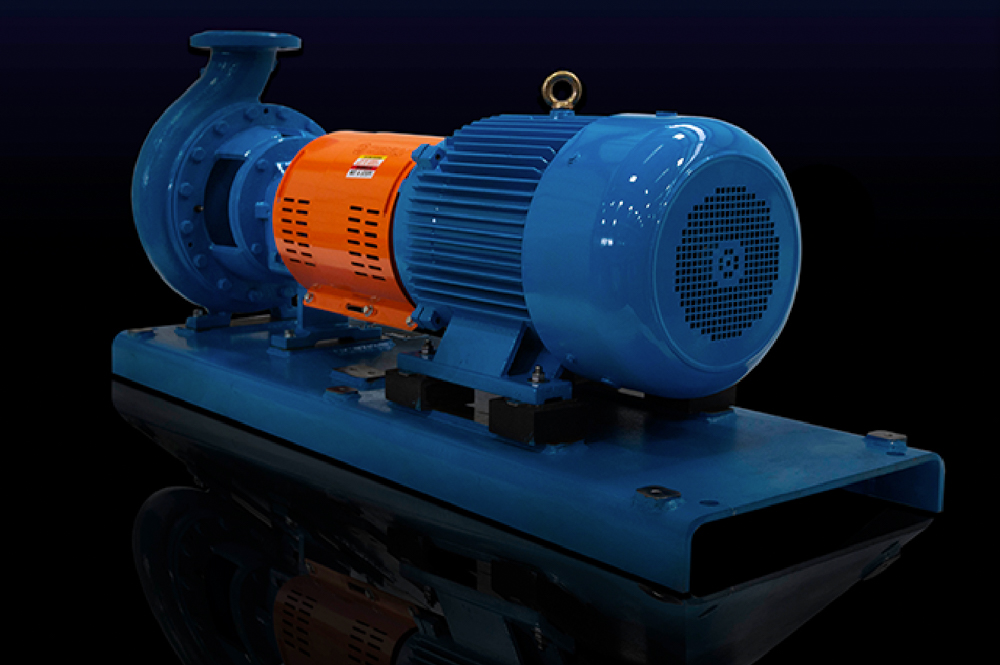
The right pump part depends on what the pump moves, where it runs, and how its duty changes. A centrifugal pump handling clean water may need a different impeller and seal than a positive-displacement pump moving viscous fluid. Check the fluid’s temperature, solids, corrosiveness, and viscosity against the part materials. Then compare the pump curve with actual flow and head, not just the nameplate rating. A system throttled all day may be operating far from its best efficiency point.
Operating conditions matter in small details. Record suction pressure, starts per hour, vibration, and temperature near the bearing housing; these clues can expose cavitation, overload, or poor lubrication. The U.S. Department of Energy’s 2006 report, Improving Pumping System Performance, says pumping systems account for nearly 20% of global electricity demand. That makes matching parts to the real duty more than a maintenance choice.
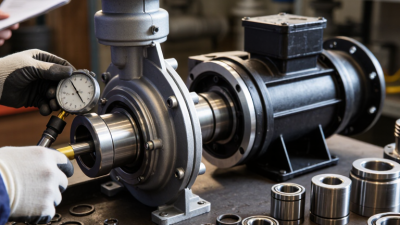
Measure before ordering. A spreadsheet helps, but it can miss a seasonal change in fluid or a partly blocked strainer. I’ve seen “standard” replacements fit the casing yet wear quickly under different operating conditions. Verify dimensions, materials, and operating limits with the pump documentation and a qualified technician.
Match Materials to the Fluid, Temperature, and Environment
Pump-part material selection starts with the actual fluid, not its label. Check concentration, pH, contaminants, and whether the liquid changes during cleaning or shutdown. A dilute acid at room temperature may behave differently when heated or aerated. Cast iron can suit many neutral-water duties; stainless alloys resist some corrosive services, but neither is universal. For abrasive slurries, hardness and replaceable wear components may matter more than corrosion resistance. Small details matter. NACE International’s 2016 IMPACT study estimated corrosion costs at US$2.5 trillion annually, about 3.4% of global GDP. That figure covers many industries, but it shows why compatibility is a lifecycle issue, not a catalog checkbox.
Operating conditions matter
Temperature shifts the choice again. Heat can soften polymer linings, accelerate corrosion, and shorten seal life; cold can make some elastomers brittle. Confirm the full operating range, including startup, cleaning, and brief upset conditions. Then check pressure, shaft speed, and solids together—material limits do not act alone. The surrounding environment counts too: salt air, outdoor UV, and frequent washdowns can attack exposed parts or fasteners. It is tempting to specify stainless steel and move on. That shortcut can fail in chloride-rich fluids or where the selected grade is unsuitable. Ask suppliers for grade-specific compatibility data, and verify it against fluid concentration and temperature. If conditions are uncertain, test a wetted sample or inspect early; one assumption may need revisiting.
Compare Performance Ratings, Quality, and Supplier Support
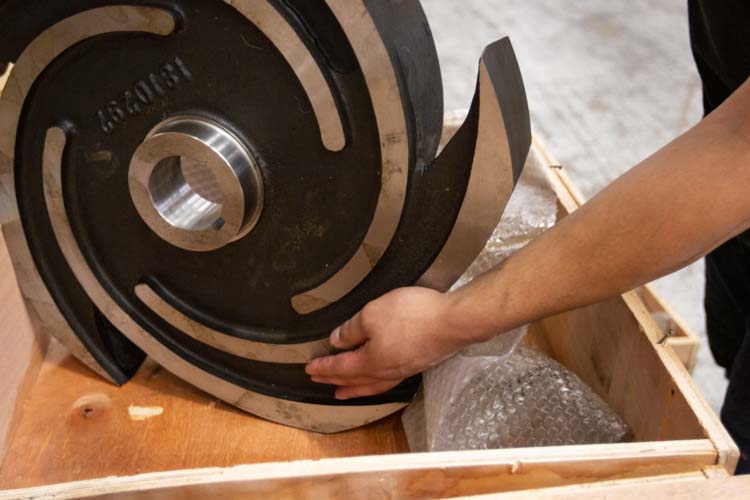
A pump part can look right on a workbench and still fail under load. Compare its rated flow, pressure, temperature range, and material compatibility with the pump’s actual duty point. A rating taken out of context can mislead. Check the operating curve, not just the largest number on a product sheet. Small details matter. For example, an impeller exposed to abrasive water may wear faster than one used with clean water.
Tips: 1) Match flow and head. 2) Check pressure limits. 3) Confirm fluid compatibility. 4) Review temperature ratings. 5) Compare efficiency data. 6) Ask about material specifications. 7) Check dimensional tolerances. 8) Request inspection records. 9) Confirm spare-part availability. 10) Test supplier response times.
Quality evidence should be specific. Ask how parts are inspected, what tolerances apply, and whether materials can be traced to records. A smooth finish is useful, but it cannot prove correct internal dimensions. Supplier support matters after installation, too. Ask who handles technical questions, how quickly they respond, and whether they can help identify a mismatch. I would not rely on a confident sales answer alone; written specifications make comparison fairer, though paperwork cannot replace a careful fit check.
10 Tips for Choosing the Right Pump Parts
Compare performance ratings, quality, and supplier support using these example buyer-priority scores. Rate each factor from 1 (lower priority) to 5 (higher priority) for your application; these are planning scores, not product test results.
Use the pump’s operating requirements and documentation to set your own scores. Check flow and pressure ratings, material compatibility, dimensions, tolerances, certifications, warranty terms, parts availability, delivery times, and technical support before purchasing.
Check Availability, Maintenance Needs, and Total Cost of Ownership
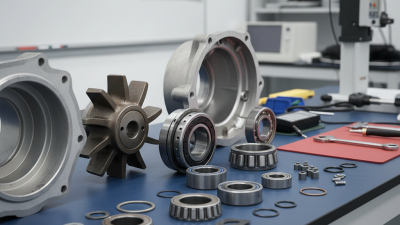
When choosing pump parts, availability is more than a purchasing detail; it can affect whether a line keeps running. Check stock for seals, bearings, impellers, and wear rings. Confirm replenishment times and compatibility with the installed assembly. Check lead times. An online listing may not mean immediate delivery.
Maintenance needs deserve equal attention. Match materials to the fluid’s temperature, solids, and chemistry. Ask how often parts need inspection and whether technicians can replace them with standard tools. The U.S. Department of Energy’s 2006 Improving Pumping System Performance sourcebook reports that pumping systems use nearly 20% of global electricity demand, and 25–50% of energy in some industrial operations. That matters. These broad figures are not a forecast for any single pump, but they show why poor fit, leakage, or excess friction can carry ongoing costs.
Compare the purchase price with energy use, installation labor, scheduled maintenance, and potential downtime. A low-cost part may look attractive until a delayed shipment leaves a pump idle. I’d challenge that assumption with a simple check: estimate the cost of one hour of lost operation and compare it with the price difference. The estimate will not be perfect, especially when demand changes, but it makes the trade-off more visible. Keep the calculation tied to actual service records, not guesswork.