In the world of centrifugal pump parts, understanding the essentials can make all the difference. Industry expert John Smith once noted, "Quality parts lead to efficient performance." This statement underscores the importance of selecting the right components for your pumps.
Centrifugal pump parts are not just functional; they are critical for operational success. Each component, from the impeller to the seals, plays a unique role. Many buyers overlook these details, assuming all parts are the same. This misconception can lead to inefficiencies and costly repairs.
Choosing the right centrifugal pump parts is a process. It involves careful consideration of material types, compatibility, and performance standards. However, many manufacturers often provide vague specifications. This lack of clarity can frustrate buyers. Reflecting on these challenges can enhance decision-making. Identifying reliable sources is essential for anyone in this field. Knowledge and awareness about the components will lead to smarter investments.
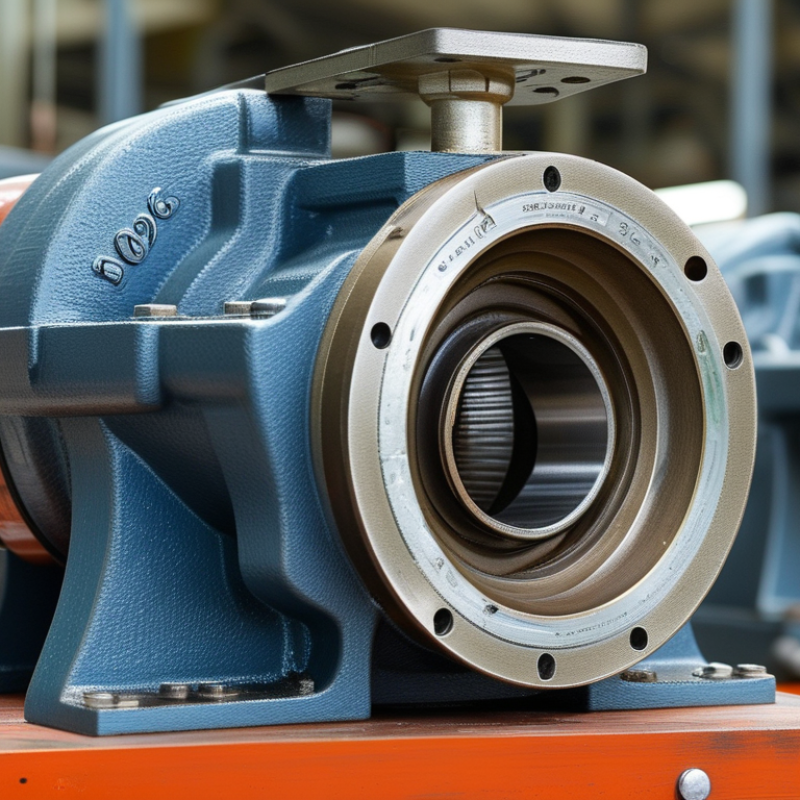
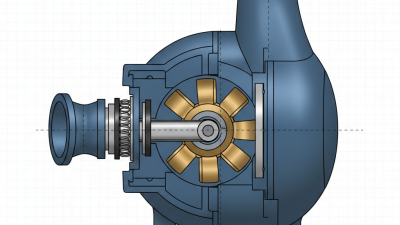
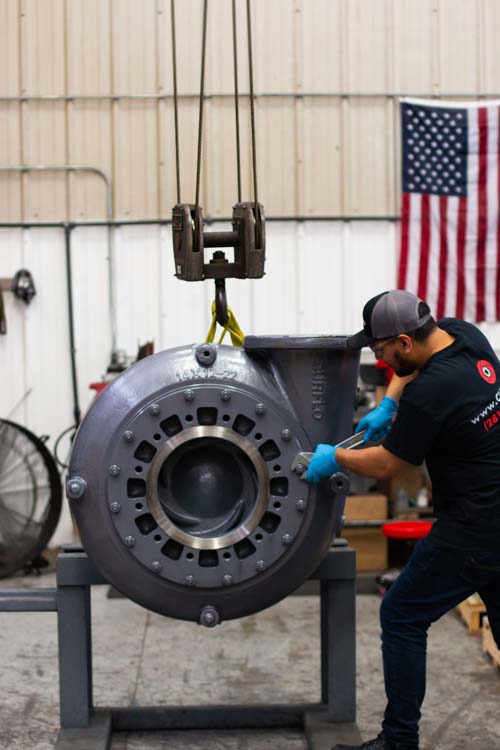
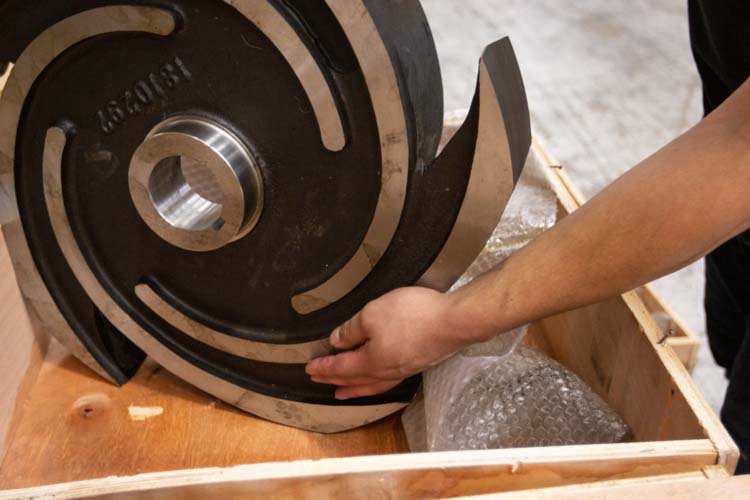
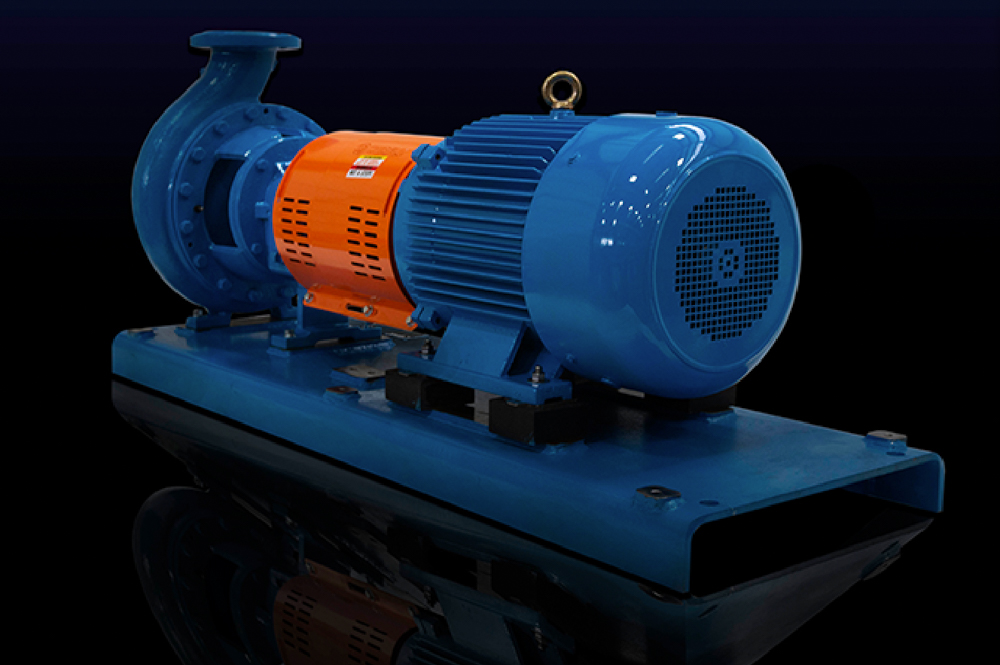
Centrifugal pumps play a vital role in various industries. Understanding their components is essential for effective usage. Key parts include the impeller, casing, and shaft. The impeller spins, creating kinetic energy that moves fluid. Different designs can affect efficiency and suitability for specific applications.
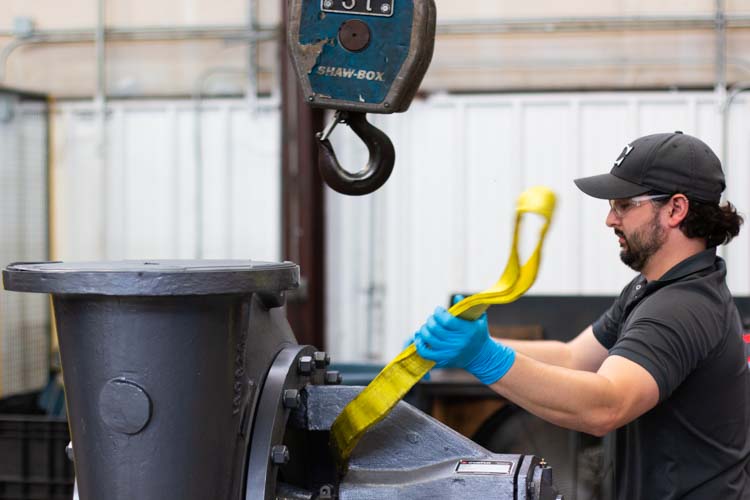
The casing surrounds the impeller. It transforms kinetic energy into pressure. The design of the casing can vary, impacting flow rate and speed. A well-designed casing ensures optimal performance and minimizes energy loss. Regular maintenance is crucial. Over time, wear and tear can diminish efficiency. Faulty components may lead to operational issues or costly repairs.
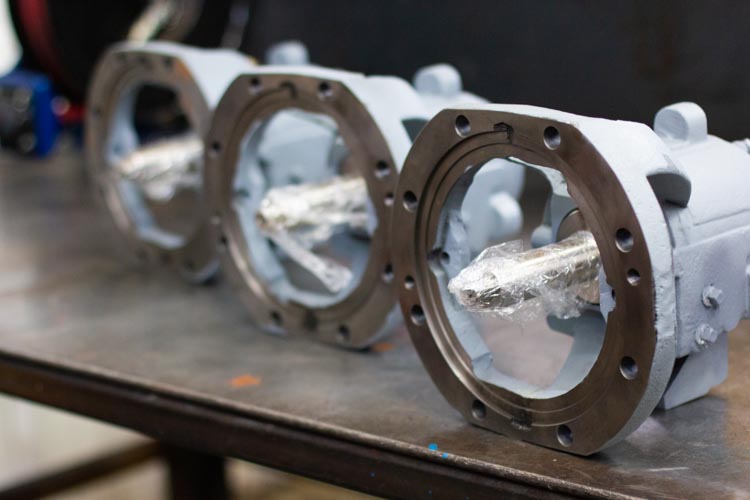
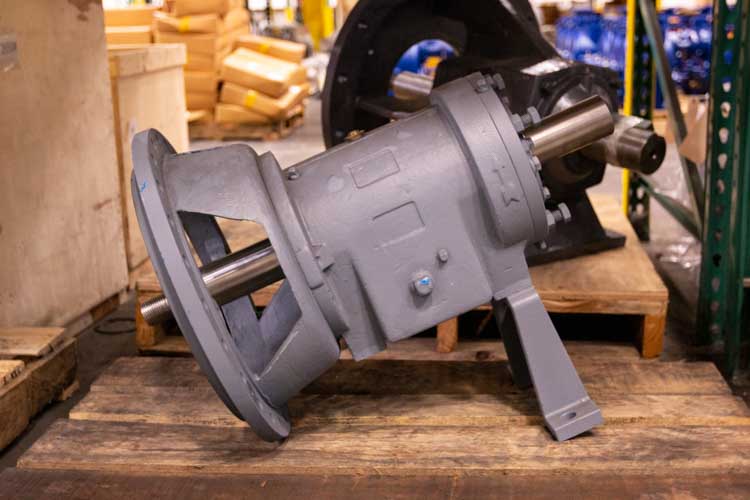
The shaft connects the motor to the impeller. Its integrity is critical; any defects can lead to pump failure. Other essential parts include seals and bearings, which support the shaft and prevent leakage. Neglecting these components can result in significant downtime. Understanding each part enhances selection and maintenance processes. This knowledge ensures pumps operate efficiently and reliably.
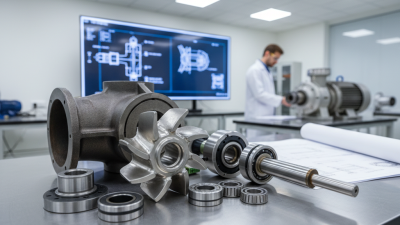
Centrifugal pumps play a vital role in various industries. Understanding their key components is essential for making informed purchasing decisions. The impeller is one of the most critical parts. It is responsible for converting rotational energy into hydraulic energy. The design and material of the impeller affect efficiency and durability. Choosing the right impeller can significantly enhance pump performance.
Another important component is the casing. The casing houses the impeller and regulates the fluid dynamics within the pump. A well-designed casing minimizes turbulence and energy loss. It's essential to consider the material used, as it impacts the pump's resistance to corrosion and wear. A poorly designed casing can lead to operational failures.
An often overlooked part is the shaft. The shaft connects the impeller to the motor. It must withstand significant stresses during operation. A weak shaft can cause misalignment and vibration, leading to premature wear. Reflecting on these components can ensure better decisions. Skipping details might result in unforeseen issues down the line. Understanding these elements deeply is key to selecting the right pump for your needs.
When selecting centrifugal pump parts, understanding materials and design is crucial. Each component plays a vital role in performance and durability. For example, the impeller's material affects its resistance to wear and corrosion. Stainless steel is popular, yet it can be prone to pitting. Composite materials may offer good chemical resistance but can be less durable under high pressure.
Design considerations extend beyond material choice. Precision in manufacturing affects part compatibility and efficiency. A poorly designed volute can lead to cavitation, reducing pump lifespan. Additionally, tolerances must be tight to prevent leaks and maintain hydraulic efficiency. It's essential to assess not just the materials but also how they interact in the design.
Purchasing decisions should reflect these complexities. While cost is often a determining factor, long-term performance should weigh heavily. Some buyers may overlook the importance of reliable suppliers, risking quality for a lower price. Rarely do the implications of low-cost components manifest immediately, but they can lead to failure down the line. Recognizing this can enhance your purchasing strategy and promote long-lasting efficiency.
Centrifugal pumps are critical in various industries, but they often face common issues that can affect performance. Wear and tear on components like impellers and bearings can lead to inefficiencies. According to a study by the Hydraulic Institute, nearly 30% of pump failures are due to these mechanical issues. Regular maintenance is essential to prolong the life of these components.
Pay attention to vibration levels. High vibration can indicate misalignment or imbalance in the pump system. Listening for unusual sounds during operation can also provide insight into issues with bearings or seals. A proper inspection schedule can help identify problems early, reducing unexpected downtime.
Lubrication is key for smooth operation. Ensure that bearings are adequately lubricated to prevent overheating and premature failure. Over-lubrication can be just as harmful as under-lubrication, so monitor levels closely. Incorporating monitoring systems can provide real-time data on pump performance, allowing for timely interventions.
The centrifugal pump industry is evolving rapidly. Innovations are transforming how these systems operate. According to the Global Market Insights report, the centrifugal pump market is projected to reach USD 48 billion by 2026. This growth is fueled by advancements in technology and increased efficiency demands in various sectors.
One significant trend is the integration of IoT technology. Smart pumps can now provide real-time data on performance and maintenance needs. This enhances reliability and minimizes downtime. Another focus is on energy efficiency. Many manufacturers are developing pumps that consume less energy while maintaining high performance. For instance, pumps with variable frequency drives can adjust their speed based on demand, leading to significant energy savings.
It's crucial to evaluate materials used in construction. New composite materials are emerging, offering better resistance to corrosion and wear. This can make a substantial difference in longevity. Operators should also consider pump size and capacity. Oversized pumps can lead to increased energy costs and inefficiencies. Always analyze operational requirements before making purchases.
| Part Name | Material | Common Applications | Future Trends |
|---|---|---|---|
| Impeller | Stainless Steel | Water Treatment, Chemical Processing | Enhanced Efficiency, 3D Printed Designs |
| Pump Housing | Cast Iron | Industrial Use, Waste Management | Corrosion-Resistant Coatings |
| Shaft | Carbon Steel | Agricultural Irrigation, HVAC Systems | High-Strength Alloys, Lightweight Materials |
| Mechanical Seal | Ceramic, Carbon | Petrochemical, Food Processing | Self-Lubricating Designs |
| Gaskets | Rubber, PTFE | Fluid Transfer, Oil and Gas | Biodegradable Materials |