Choosing the right gear pumps begins with understanding the application, not merely comparing catalog prices. A pump that handles thick oil may struggle with a thin solvent. A model rated for high pressure may still fail when the liquid contains abrasive particles. Small details matter.
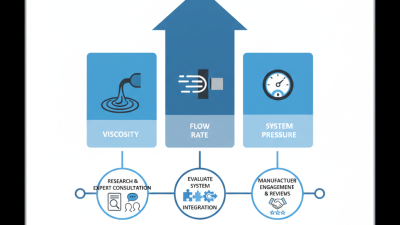
Igor J. Karassik, a respected pump engineer and author, wrote, “The pump is the heart of the process.” His statement remains useful when evaluating gear pumps. The pump must match the system’s real demands, including flow rate, pressure, temperature, viscosity, speed, and operating hours. It must also tolerate the liquid’s chemical properties.
Start with the fluid. Is it clean, hot, sticky, corrosive, or filled with solids? Check the required flow at actual operating pressure. Then review the pump’s materials, seal arrangement, internal clearances, and allowable speed. A relief valve is essential in many positive-displacement systems. Without proper protection, a blocked discharge line can damage equipment quickly.
Experience often reveals what specifications hide. A pump may perform well during a short test, then overheat after eight hours of continuous operation. That assumption can fail. Installation details matter too. Poor alignment, inadequate suction piping, and dry running can shorten service life.
The best selection balances performance, maintenance, energy use, and total ownership cost. It should also leave room for future process changes. Perfect selection is uncommon. Careful questioning is better than confident guessing. This guide explains how to compare gear pumps and avoid costly mismatches.
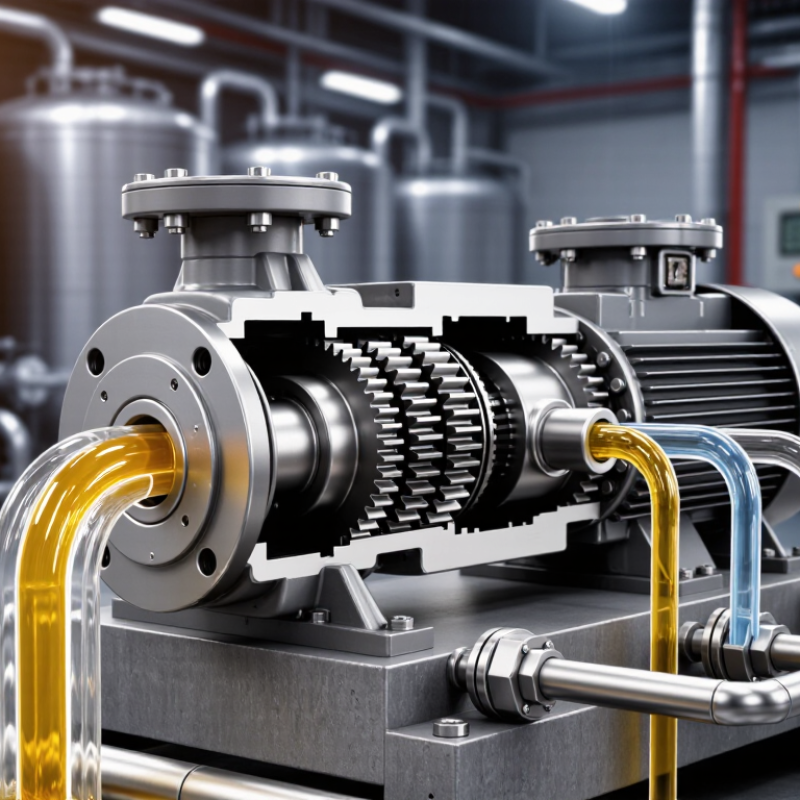
Before choosing a gear pump, define the job it must perform in your system. Is it transferring clean oil, feeding a lubrication circuit, or maintaining pressure during a controlled process? These roles demand different flow rates, pressure ranges, and materials. A pump that works well for steady circulation may struggle with frequent starts, cold fluid, or sudden resistance. The application comes first.
Observe the real operating conditions, not only the values listed in a design document. Measure fluid temperature, viscosity, inlet pressure, and required flow at the pump location. Check whether the fluid contains particles or changes thickness during operation. Small details matter. For example, a narrow suction pipe can cause noise, vibration, and early wear. In field installations, poor alignment and insufficient filtration are common causes of failure.
Select a pump that matches the system’s normal duty, with reasonable capacity for short-term variation. Oversizing is not always safer. It can increase heat, energy use, and pressure stress. I have seen systems perform poorly because the pump was chosen for maximum pressure instead of daily demand. That assumption deserves review. Confirm the drive speed, relief protection, sealing method, and maintenance access before approval. A practical trial under actual conditions can reveal weaknesses that calculations miss.
How to Choose the Right Gear Pump for Your Application?
Pump displacement should match the required flow at the actual shaft speed. Flow is not simply displacement multiplied by rpm. Internal leakage reduces delivery, especially as pressure increases or fluid viscosity falls. Use this estimate: displacement equals required flow divided by rpm and volumetric efficiency. For example, delivering 12 L/min at 1,500 rpm with 90% efficiency requires about 8.9 cc/rev. A first estimate is rarely the final answer.
Pressure selection needs equal care. Check the differential pressure across the pump, not only the system’s stated pressure. Include pipe losses, filters, valves, and actuator resistance. At 140 bar, an 8.9 cc/rev pump needs roughly 20 Nm of theoretical torque before mechanical losses. The drive motor must handle more. Add a correctly sized relief valve, because a blocked outlet can create dangerous pressure within seconds.
Operating conditions can change the choice. Cold oil increases starting torque, while hot oil may increase leakage. A pump running below its intended speed may provide less flow than expected. Variable-speed drives also demand careful review of minimum lubrication speed. I would verify the calculation against test data, then check noise, temperature, shaft loading, and duty cycle. That step is easy to skip. It should not be. Small errors in displacement can cause slow cylinders, overheated fluid, or an oversized motor.
How to Choose the Right Gear Pump for Your Application?
Material selection often determines whether a gear pump runs reliably or fails early. The pumped fluid is only part of the decision. Temperature, pressure, viscosity, and contamination also shape the choice.
For corrosive liquids, consider stainless steel or other resistant alloys for wetted components. Abrasive fluids may require hardened gears and wear-resistant surfaces. Viscous oils need materials that maintain accurate clearances during cold starts. At high temperatures, check housing stability, shaft strength, and seal performance. A material that works at room temperature may soften, swell, or crack later. That detail is easy to overlook.
Tips: Compare every wetted material with the fluid’s chemical data sheet. Check compatibility at the highest operating temperature, not the average temperature. Review pressure spikes, because short surges can damage gears and seals. Ask whether particles, moisture, or cleaning chemicals enter the system. Small contaminants matter. In practice, filtration and correct flushing often protect the pump better than expensive materials alone. Still, material upgrades cannot fix poor sizing. I have seen pumps selected with excellent corrosion resistance but unsuitable viscosity ranges. That choice looked careful, yet it created inefficient flow and unnecessary heat. Leave room for uncertainty, and verify assumptions through testing.
| Application Factor | Typical Requirement | Recommended Material or Feature | Suitable Fluid Examples | Typical Operating Guidance | Compatibility Considerations |
|---|---|---|---|---|---|
| General-purpose lubrication oils | Low to moderate corrosion risk; stable viscosity | Cast iron housing with hardened steel gears | Mineral oils, hydraulic oils, lubricating oils | Commonly used for clean fluids with adequate lubricity and filtration | Good compatibility |
| High-pressure hydraulic service | High mechanical load and pressure cycling | Ductile iron or carbon steel housing; hardened alloy-steel gears | Petroleum-based hydraulic fluids and selected biodegradable fluids | Confirm pressure rating, shaft loading, gear hardness, and relief-valve protection | Suitable when pressure limits are verified |
| Water-based fluids | Low lubricity and increased corrosion potential | Stainless steel wetted parts with suitable low-friction bearings | Water-glycol fluids, water-based hydraulic fluids | Use conservative speed and pressure limits; maintain adequate lubrication | Conditional compatibility |
| Clean water or low-viscosity liquids | Very low viscosity and limited lubricating film | Stainless steel construction with specialized clearances and bearings | Clean water, treated water, low-viscosity process liquids | Standard oil-service gear pumps may experience excessive wear or internal leakage | Application-specific design required |
| Corrosive chemicals | Resistance to chemical attack and permeation | 316 stainless steel, alloy materials, or engineered thermoplastics such as PTFE, PPS, or PEEK | Dilute acids, alkaline solutions, solvents, and process chemicals | Check concentration, temperature, exposure time, and elastomer compatibility | Verify against a chemical-resistance chart |
| Food, beverage, and pharmaceutical fluids | Cleanability, corrosion resistance, and hygienic construction | 316 or 316L stainless steel wetted parts; sanitary seals | Edible oils, syrups, liquid ingredients, process fluids | Use hygienic surfaces, drainable geometry, and seals approved for the fluid | Suitable with hygienic design |
| High-temperature fluids | Elevated fluid and ambient temperatures | High-temperature alloy components, suitable clearances, and heat-resistant seals | Thermal oils, hot lubricants, heated process liquids | Reduce speed if required; consider thermal expansion, seal limits, and viscosity loss | Confirm continuous and peak temperature ratings |
| Low-temperature service | High starting viscosity and possible cold-start torque | Low-temperature seals, robust shaft design, and clearances suited to the fluid | Cold hydraulic oils, refrigeration oils, low-temperature lubricants | Check start-up torque, motor capacity, fluid pour point, and suction conditions | Requires cold-start evaluation |
| High-viscosity fluids | Increased suction resistance and torque demand | Large-port gear pump with slow-speed drive and suitable internal clearances | Resins, heavy oils, polymers, adhesives, molasses-like liquids | Use short suction lines, large inlet piping, and adequate inlet pressure | Good positive-displacement application |
| Abrasive fluids | Resistance to wear from suspended particles | Wear-resistant gears and bushings; hardened surfaces where appropriate | Particle-filled oils, slurries with limited solids content | Install effective filtration and confirm allowable particle size and concentration | Limited suitability; wear assessment required |
| Fluids containing water or moisture | Reduced lubricity and possible rust formation | Corrosion-resistant wetted parts and water-compatible bearings | Water-contaminated oils, emulsions, water-glycol fluids | Monitor lubrication, corrosion, viscosity, and seal performance | Material selection must match water content |
| Flammable or volatile liquids | Leak prevention and controlled temperature rise | Compatible metal construction, antistatic considerations, and appropriate seals | Selected fuels, solvents, and hydrocarbon-based process liquids | Use sealed connections, grounding, ventilation, and equipment rated for the hazard area | Safety and regulatory review required |
| Air, gas, or gas-liquid mixtures | Compressibility and reduced lubrication compared with liquids | Only specially designed gear pumps with suitable clearances and lubrication | Gas-assisted liquids, vapor-containing process streams | Standard liquid gear pumps are generally unsuitable for dry gas service | Generally unsuitable without special design |
| Sealing system selection | Resistance to temperature, pressure, and chemical exposure | NBR, FKM, EPDM, PTFE, or other seal material selected for the fluid | Depends on fluid chemistry and operating conditions | NBR suits many petroleum oils; EPDM suits many water-based fluids; FKM handles many oils and higher temperatures; PTFE offers broad chemical resistance | Always verify compound-specific compatibility |
| Contaminated or dirty fluid service | Protection against particles and premature wear | Wear-resistant internal components with correctly sized filtration | Industrial oils and process fluids containing particulate contamination | Specify filtration level, bypass protection, and maintenance intervals | Suitable only with contamination control |
Choosing a gear pump starts with matching speed to the fluid and duty cycle. A pump running too slowly may fail to deliver the required flow. Excessive speed can increase heat, wear, and internal leakage. Check the pump’s displacement, operating pressure, viscosity range, and maximum continuous speed together. Do not size from flow rate alone. I have seen efficient calculations fail when fluid temperature changed during operation.
Efficiency has two parts: volumetric efficiency and mechanical efficiency. Thick fluids can improve sealing, but they also demand more driving torque. Thin fluids may slip across internal clearances and reduce output. Measure flow at actual pressure and temperature whenever possible. Noise matters. Gear meshing, cavitation, vibration, and rigid pipework can all raise sound levels. A quiet test bench does not guarantee quiet equipment.
Installation constraints often decide the final selection. Confirm shaft alignment, mounting space, port direction, inlet diameter, and access for maintenance. Keep the suction line short and avoid sharp bends near the inlet. A restricted inlet can cause cavitation, even when the pump appears correctly rated. Use suitable filtration without creating excessive pressure drop. Leave room for thermal expansion and inspection. It is tempting to choose the smallest pump that meets the numbers, but that choice may leave little margin for wear, temperature changes, or unexpected viscosity shifts. Recheck the selection under real operating conditions.
Choosing a gear pump starts with the fluid, pressure, speed, and duty cycle. Maintenance needs often matter more than purchase price. A pump handling abrasive particles may need frequent seal and gear inspections. Clean, properly filtered fluid usually reduces wear. Small details matter.
Service life depends on operating discipline, not only material selection. Keep suction lines short and prevent cavitation. Maintain correct viscosity across temperature changes. ISO 14224:2016 recommends tracking failure modes, operating hours, repair time, and maintenance history. These records make service-life estimates more credible. A calendar-based replacement plan can still be wrong.
Total cost includes energy, downtime, spare parts, labor, and disposal. The U.S. Department of Energy’s Improving Pumping System Performance: A Sourcebook reports that pumping systems can consume 25–50% of industrial facility electricity. That figure covers pumping systems broadly, not every gear pump. Treating it as a direct cost forecast would be careless. Instead, measure motor power, flow, pressure, and annual running hours. A slightly more expensive pump may reduce leakage or run closer to its best operating range. However, oversizing can increase recirculation, heat, and wear. Compare at least three years of expected maintenance and energy costs. Measure it. Then question the assumptions.