Cost of Repairing vs. Replacing ANSI Pumps: A Comprehensive Analysis

Blog

Best Gear Pumps for Efficient Fluid Transfer Solutions?

In the realm of fluid transfer, gear pumps play a vital role. Their robust design ensures reliable performance across various industries. With applications ranging from automotive to food processing, these pumps are essential for efficient fluid management.

Gear pumps operate on a straightforward principle. They utilize rotating gears to move fluids, creating a consistent flow. This mechanism offers advantages such as high efficiency and minimal pulsation. However, not all gear pumps are created equal, and selecting the right one can be challenging.

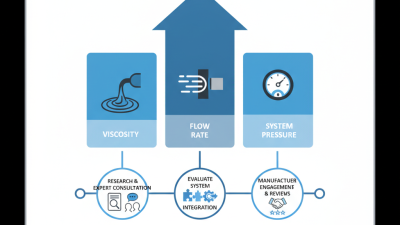
Understanding your specific needs is crucial. Consider factors like viscosity, flow rate, and operational environment. Emphasizing quality and reliability is vital when choosing gear pumps. A poorly selected pump can lead to operational issues and increased costs. Thus, careful assessment and informed choices are imperative for optimal performance.
Best Gear Pumps for Efficient Fluid Transfer Solutions?

Understanding Gear Pumps: Principles and Mechanisms

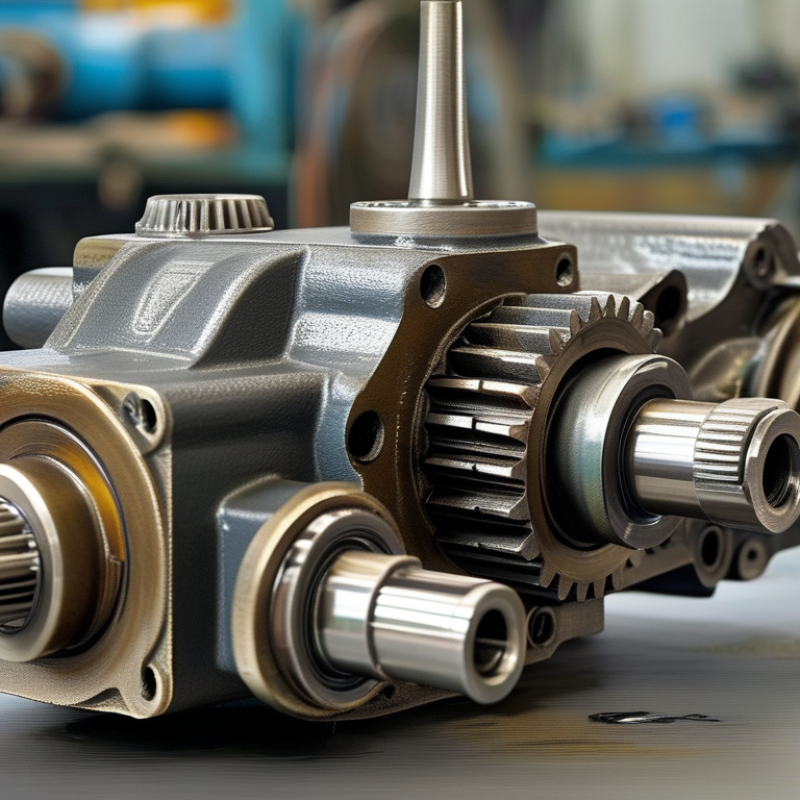
Gear pumps are vital in fluid transfer solutions, operating on basic yet effective principles. They function by trapping fluid in enclosed spaces between gears and transferring it through displacement. This design allows for continuous flow and consistent pressure, essential in many industrial applications. The interaction of rotating gears creates a vacuum, drawing in the fluid and pushing it out.

While gear pumps are efficient, they can also have drawbacks. For example, their performance can be affected by fluid viscosity and temperature. Some users might overlook these factors, leading to suboptimal results. Additionally, wear and tear on gears can alter the pump's performance over time. Regular maintenance is crucial to ensure longevity and effectiveness. Observing changes in flow rate can signal issues needing attention.

Understanding the mechanics of gear pumps helps users select the right type for their needs. Knowledge of how different gears interact can influence efficiency. Yet, it’s important to remember that no pump system is perfect. Each application has unique challenges, and careful consideration of operational conditions is essential for optimal performance.
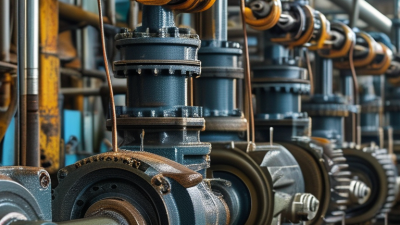
Best Gear Pumps for Efficient Fluid Transfer Solutions

Types of Gear Pumps: Internal vs. External Gear Pumps

When selecting gear pumps, understanding the difference between internal and external gear pumps is crucial. Internal gear pumps feature two gears: a smaller gear inside a larger one. This design creates a vacuum that draws fluid and then transfers it to the discharge side. They are effective for low to medium viscosity fluids, making them suitable for a variety of applications.

External gear pumps, on the other hand, consist of two gears that mesh outside one another. This setup leads to a consistent flow rate and is generally more efficient for thicker fluids. They are often favored for high-viscosity materials due to their robust design. Each type has its strengths, and user requirements should guide the choice.

When choosing a gear pump, consider the fluid's viscosity. High-viscosity fluids may work better with external gear pumps. Keep in mind the ambient temperature, as it affects fluid behavior. Also, evaluate maintenance needs; some designs require more attention than others. Regular checks can prevent failures. Choosing the right pump may seem straightforward, but adaptations may be necessary for optimal performance. Avoid assuming a one-size-fits-all approach. Each application can present unique challenges that require careful assessment.
Applications of Gear Pumps in Various Industries

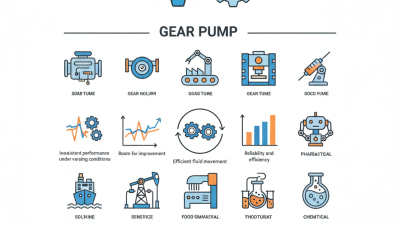
Gear pumps play a vital role in various industries by providing efficient fluid transfer solutions. Their functionality relies on gears that mesh together to create a vacuum, pulling fluid into the pump. This mechanism allows for a steady and precise flow of fluids, making them ideal for applications requiring accurate measurements. Common industries utilizing gear pumps include automotive, pharmaceuticals, and food processing. In automotive applications, they are essential for lubricating engine components, ensuring optimal performance and longevity.

In the chemical industry, gear pumps handle viscous materials, including oils and resins. Their ability to transfer thick fluids without losing efficiency is crucial. Additionally, in food processing, these pumps must meet strict sanitation standards. They help deliver ingredients consistently, ensuring quality products. However, maintenance cannot be overlooked. Gear pumps can face challenges such as wear and tear or contamination. Regular inspection is necessary to ensure they operate smoothly, reflecting the importance of not just installation but ongoing care.

While gear pumps demonstrate many advantages, users must be aware of their limitations. Not all fluids can be pumped efficiently, particularly those with solid particles or high viscosity without the right specifications. Understanding these factors can prevent costly downtimes. Therefore, industry professionals should evaluate their specific needs before selecting a gear pump. Doing so will ensure a reliable and effective fluid transfer solution tailored to their application.

Factors to Consider When Selecting a Gear Pump

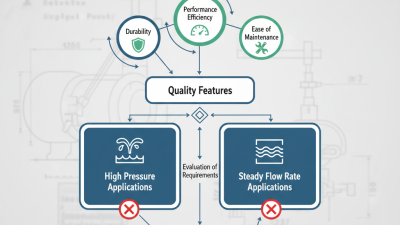
When selecting a gear pump, several factors come into play. Understanding the fluid's viscosity is essential. Higher viscosity fluids require pumps with more torque. The pump's material also matters, especially when handling corrosive substances. Choosing materials that resist wear and deterioration ensures longevity.

Another critical consideration is the flow rate. Each application demands a specific flow rate for optimal performance. It can be tricky to balance pressure and flow. Sometimes, selecting a pump based solely on flow rate can lead to inefficiencies.
Energy efficiency is another key factor. A more efficient pump may have a higher upfront cost, yet it saves on energy in the long run. It's crucial to analyze the energy consumption in real-world applications. Users often overlook the installation process. Proper installation and alignment are vital for a pump's performance. Misalignment can lead to vibrations, resulting in premature failure.

Maintenance Tips for Optimizing Gear Pump Performance

Maintaining gear pumps is crucial for optimal performance in fluid transfer applications. Regular inspections can help identify wear and tear. Check the seals for leaks frequently; small leaks can indicate bigger issues. Lubrication is key, as appropriate oil keeps the gears in motion and reduces friction.

Each component has its role. Monitor the pump’s temperature; excessive heat can signal problems. Ensure that the fluid being transferred is compatible with the pump materials. Changing the pump oil regularly can prolong its life. Overloading the pump can lead to failure, so adhere to specifications.

Sometimes, unexpected issues arise, regardless of maintenance efforts. A sudden drop in efficiency might require further investigation. Calibration might be necessary if the output is inconsistent. Cultivating a proactive maintenance routine can prevent these situations. Engage with industry resources to stay updated on best practices. Knowledge is power for ensuring that gear pumps work effectively over time.

Proud Member Of Curry Supply Holdings
Since 1932

Tour Our State-of-the-Art Facility

Click for a Quick Quote