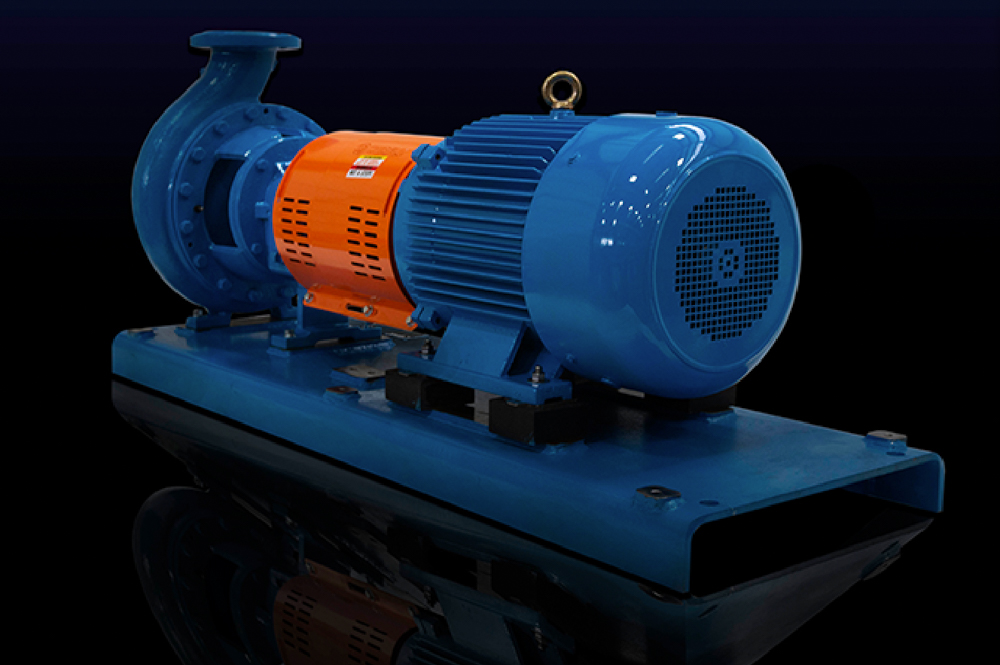
Cost of Repairing vs. Replacing ANSI Pumps: A Comprehensive Analysis

Blog

How to Choose the Right Gear Pumps for Your Needs?

Choosing the right gear pumps can be a daunting task. With various options available, understanding your specific needs is crucial. Gear pumps are essential for transferring fluids efficiently. Their design and capabilities can vary widely.

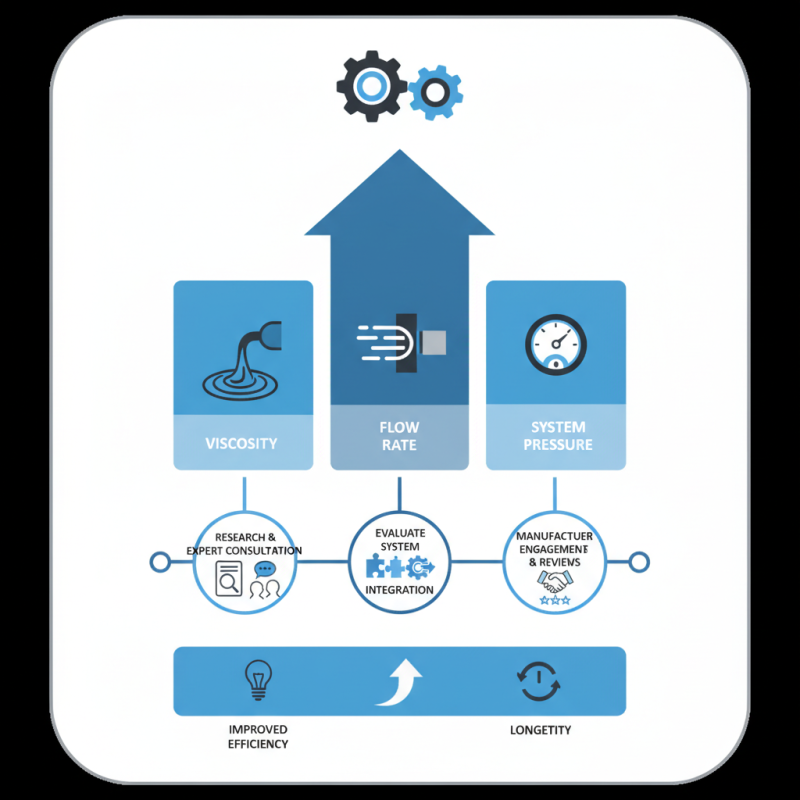
When selecting gear pumps, consider factors like viscosity, flow rate, and system pressure. Each application has unique requirements, and a mismatch can lead to performance issues. It’s essential to evaluate how the pump will integrate into your existing systems.

While gear pumps are reliable, they do come with limitations. An inappropriate choice may result in excessive wear or failure. It’s vital to consult with experts and gather reliable information before making a decision. Engaging with manufacturers and reading product reviews can enhance your understanding. Conclusively, a well-informed choice can lead to improved efficiency and longevity in your applications.
How to Choose the Right Gear Pumps for Your Needs?

Understanding Gear Pumps: A Comprehensive Overview

How to Choose the Right Gear Pumps for Your Needs?

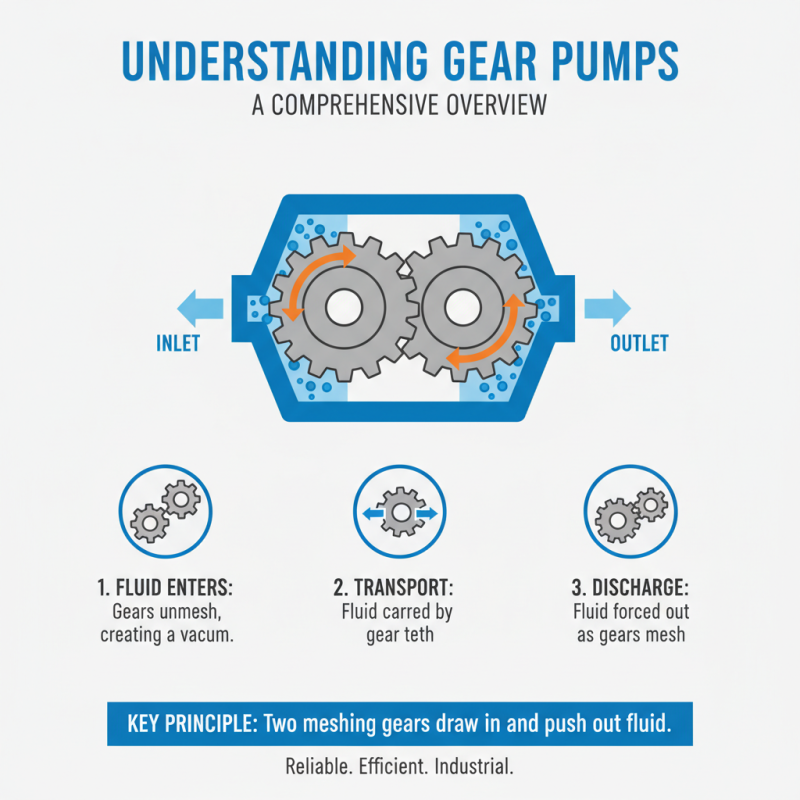
Gear pumps are crucial in various industrial applications. They operate by using two or more gears that mesh together. This design creates a vacuum that draws in fluid and pushes it out. Understanding this mechanism helps in selecting the right pump for specific tasks.

When choosing a gear pump, several factors come into play. One must consider the required flow rate and pressure. The viscosity of the fluid is also significant. Gear pumps often struggle with highly viscous materials. This limitation can impact operational efficiency. Moreover, the material construction of the pump affects compatibility with different fluids. It’s vital to weigh these aspects carefully.

Regular maintenance is essential to prolong the life of gear pumps. Small issues can lead to larger problems. Attention to detail during installation can prevent many common failures. It's worth reflecting on past experiences with pump selection. Learning from these can guide future decisions, ensuring your operations run smoothly.
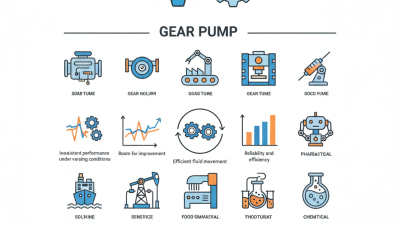
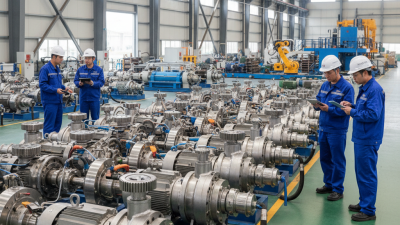
Factors to Consider When Selecting Gear Pumps

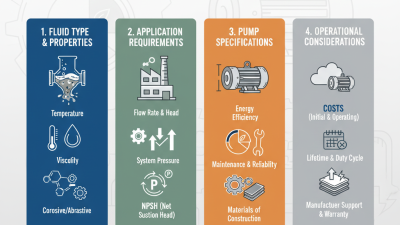
When selecting gear pumps, there are several critical factors to consider. One primary consideration is viscosity. According to the Hydraulic Institute, nearly 70% of pump failures are related to inappropriate viscosity handling. It's essential to match the pump's capabilities with the fluid's properties. For fluids with high viscosity, select pumps designed for higher pressures and lower flow rates.

Another crucial factor is the temperature range. High temperatures can affect materials in gear pumps. A report from the American Society of Mechanical Engineers (ASME) indicates that thermal fluctuations can lead to material fatigue. Always ensure the pump materials can withstand the intended temperature.

Moreover, review the pump’s horsepower requirements. Insufficient power can lead to pump failures, while excessive power increases energy costs. Many studies suggest an optimal range around 70% of the pump's maximum capacity for efficiency. Choosing the right gear pump means balancing these factors while allowing room for potential failures and adjustments. Regular evaluations can help refine the selection process based on real-world performance.

Gear Pumps Selection Criteria

Types of Gear Pumps and Their Applications

How to Choose the Right Gear Pumps for Your Needs?

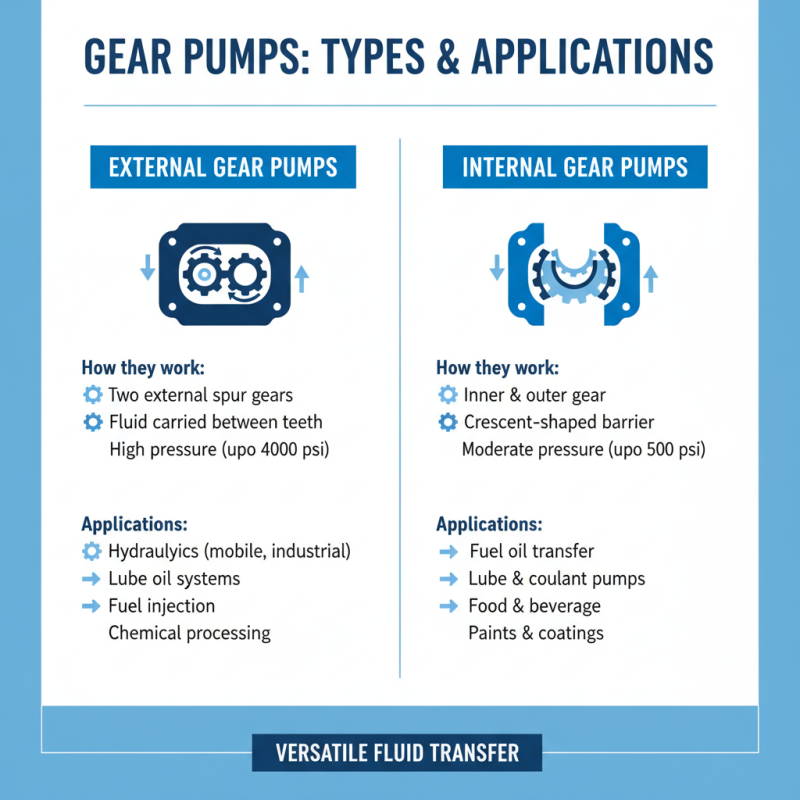
Gear pumps are versatile devices used in various industries. They are primarily classified into two types: external gear pumps and internal gear pumps. Each type offers distinct advantages based on the application.

External gear pumps consist of two rotating gears. This design effectively handles high viscosity fluids. According to a recent industry report, around 45% of the gear pump market is dominated by external types. They are widely used in sectors such as oil and gas, as well as food processing. However, their efficiency can drop with low viscosity fluids.

Internal gear pumps feature a gear design where one gear rotates inside another. This design allows for smoother flow at lower pressures, making them ideal for handling shear-sensitive liquids. They account for nearly 30% of the market share in hydraulic applications. Despite their benefits, internal gear pumps may require more maintenance due to wear and tear. Regular inspections are essential for optimal performance.

Selecting the right type depends on specific operational needs. How much pressure will the pump face? What viscosity is expected? Understanding these variables is crucial. The wrong choice can lead to inefficiencies and unexpected downtime, emphasizing the importance of thorough research and analysis in gear pump selection.

Evaluating Performance Metrics of Gear Pumps

When evaluating gear pumps, performance metrics are crucial. Assess flow rate, pressure, and efficiency. The optimal flow rate varies by application, but industry reports show that a flow rate below 5 gallons per minute may not meet demands in heavy-duty operations. A careful analysis can reveal if your pump choice aligns with operational requirements.

Pressure ratings are another vital consideration. A pump facing continuous pressure spikes can suffer from premature wear. For example, a study indicated that pumps with a maximum pressure rating of 150 psi often fail in high-stress environments. It’s essential to select a pump that can handle the maximum pressure without compromising performance.

Efficiency is key too. Gear pumps can achieve efficiencies ranging from 70% to over 90%. However, achieving high efficiency requires proper installation and maintenance. Regular inspections are necessary, as wear and tear can significantly reduce performance. In high-volume applications, even a small drop in efficiency can lead to increased operational costs. Understanding these metrics can ensure you make informed choices for your specific needs.

How to Choose the Right Gear Pumps for Your Needs? - Evaluating Performance Metrics of Gear Pumps

Pump Type Flow Rate (L/min) Pressure (bar) Viscosity Range (cP) Efficiency (%) Application
External Gear Pump 15 10 1-1000 85 Fluid Transfer
Internal Gear Pump 25 15 5-500 90 Chemical Processing
Gerotor Pump 30 20 1-2000 88 Hydraulic Applications
Lobe Pump 10 5 100-20000 80 Food Processing

Maintenance and Longevity: Ensuring Optimal Gear Pump Functionality

Maintaining gear pumps is crucial for their longevity and optimal functionality. Regular inspection is essential. Check for leaks and unusual noises. Small signs often indicate bigger issues. If not addressed, these problems can lead to unexpected failures.


Lubrication is another vital aspect. Ensure the right type and amount of lubricant is used. Over-lubrication and under-lubrication both have risks. They can both shorten a gear pump's lifespan. Beyond lubrication, monitor the pump’s operating temperature. Excessive heat may indicate wear or lack of maintenance.


Incorporate routine cleaning into your maintenance schedule. Debris can accumulate in the pump. This buildup may hinder performance. Create a checklist for regular maintenance tasks. Remember, the cost of neglecting maintenance can be high. Consider seeking expert advice if you're unsure. It's better to ask for help than to risk damage.

Proud Member Of Curry Supply Holdings
Since 1932

Tour Our State-of-the-Art Facility

Click for a Quick Quote