Cost of Repairing vs. Replacing ANSI Pumps: A Comprehensive Analysis

Blog

How to Identify Essential Centrifugal Pump Parts for Buyers?

In the world of industrial machinery, understanding the significance of centrifugal pump parts is crucial for buyers. According to Robert Johnson, a leading expert in pump design, "Choosing the right parts can make or break the efficiency of your pump system." His insights highlight the importance of being informed before making any purchase decisions.

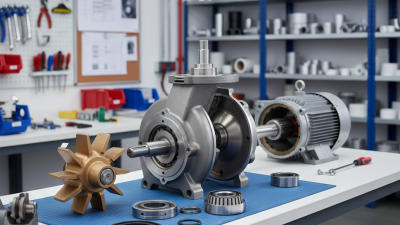
Centrifugal pumps are widely used in various industries, from water supply to chemical processing. Each component plays a vital role in the pump’s operation. Key parts include the impeller, casing, and mechanical seal. Identifying these components is not just a task; it's an essential skill for any buyer. A lack of knowledge can lead to poor performance or even costly failures.

Buyers often overlook factors such as material compatibility and maintenance needs. It's easy to focus solely on price, but this can lead to regrets later. A lower-cost part may not perform well, impacting the system's overall reliability. Taking the time to understand centrifugal pump parts will lead to smarter, more effective purchasing decisions in the long run.
How to Identify Essential Centrifugal Pump Parts for Buyers?

Understanding the Functionality of Centrifugal Pump Components

Centrifugal pumps are widely used in various industries due to their efficiency and reliability. Understanding the functionality of their components is essential for buyers. The key parts include the impeller, casing, and shaft. Each element plays a vital role in the pump's performance. The impeller is responsible for converting mechanical energy into fluid energy. Its design affects flow and pressure.

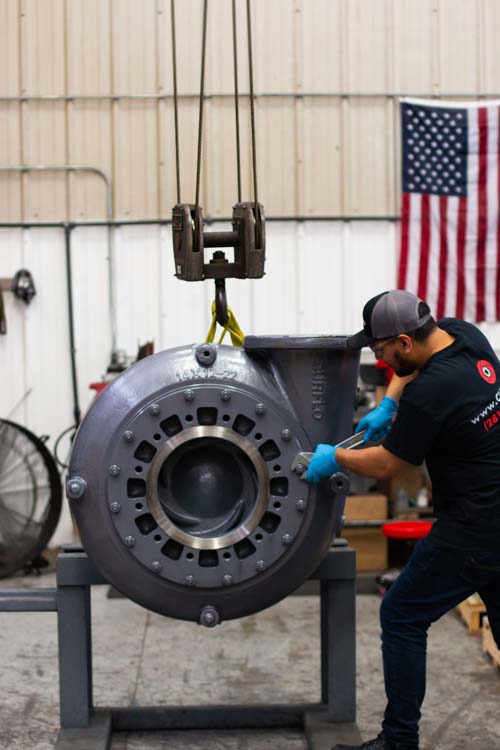
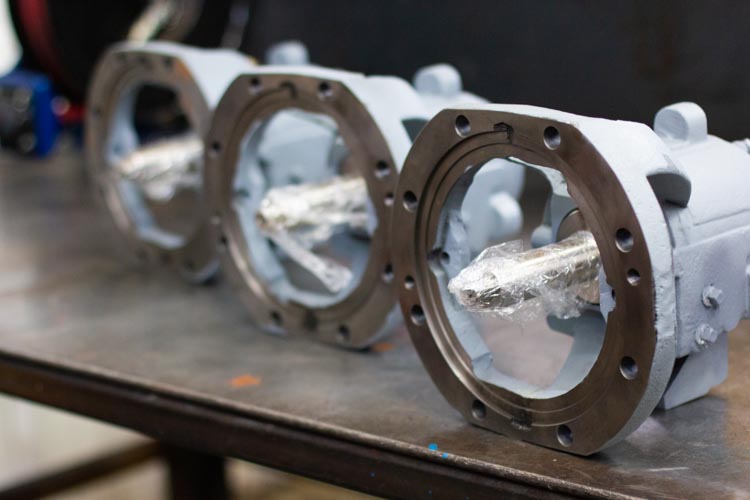
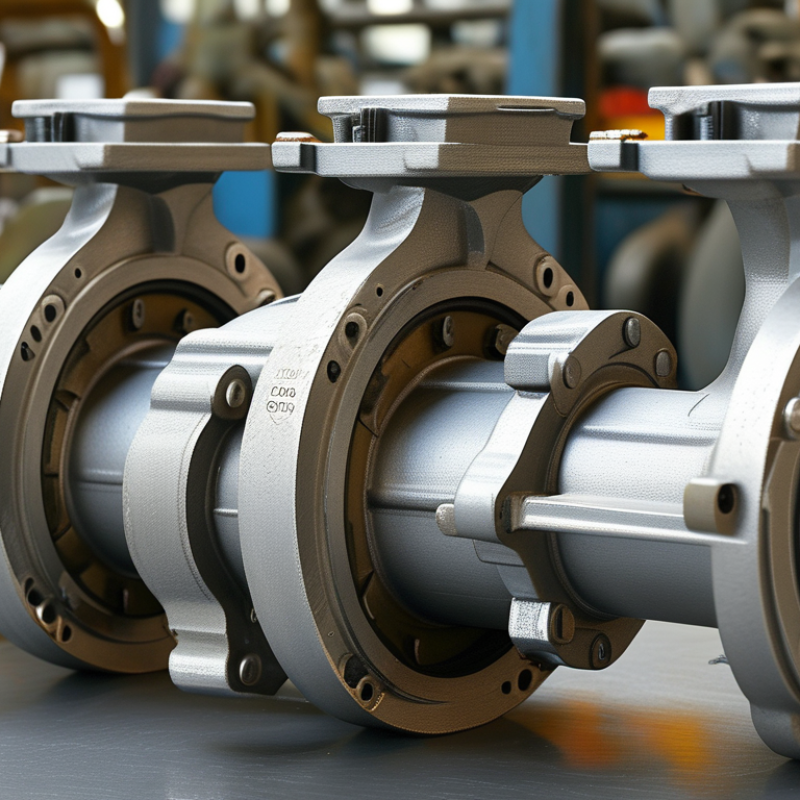
The casing surrounds the impeller, creating a path for the liquid flow. It channels the liquid from the impeller to the discharge. Choosing the right casing material can impact durability. Furthermore, the shaft connects the impeller to the motor. It transmits power effectively and must withstand considerable forces.

When selecting a centrifugal pump, consider each component's design and material carefully. Small changes in design can lead to significant performance variations. Many buyers overlook the importance of compatibility between parts. This can lead to inefficiencies or even pump failure. Learning to recognize these nuances will empower buyers to make informed decisions. Understanding centrifugal pump components will ultimately enhance operational effectiveness.
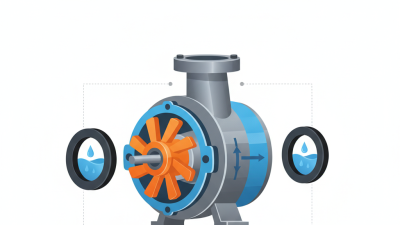
Key Parts of a Centrifugal Pump and Their Roles

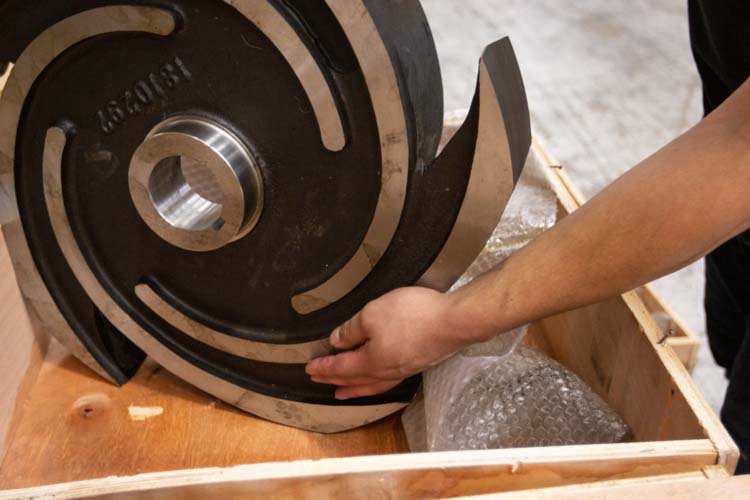
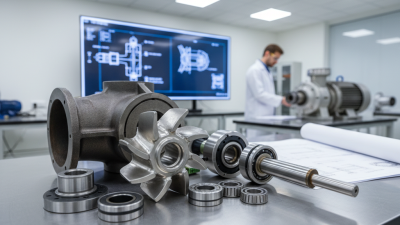
Understanding the key parts of a centrifugal pump is crucial for buyers. The impeller is the heart of the pump. It converts mechanical energy into fluid energy. This component creates the flow of liquid through the pump. When inspecting an impeller, look for wear or damage. Such issues can drastically affect performance.

The casing surrounds the impeller and helps to direct the flow. It must be strong enough to withstand internal pressure. Additionally, the mechanical seal prevents leaks. A faulty seal can lead to significant fluid loss. Regular inspections can identify problems early, saving time and resources.

Tips: Focus on the motor as well. It drives the impeller, and its efficiency impacts overall performance. A mismatch between the motor and pump can lead to inefficiencies. Also, consider the bearings. They support the rotating shaft, and worn bearings can cause vibrations. Addressing these issues promptly can enhance pump longevity.

How to Identify Essential Centrifugal Pump Parts for Buyers?

Part Name Function Material Common Issues
Impeller Moves the fluid through the pump Cast Iron, Stainless Steel, Bronze Corrosion, Wear and Tear
Volute Collects and directs flow from the impeller Cast Iron, Plastic Blockages, Cracks
Shaft Transmits power from motor to impeller Steel, Stainless Steel Bending, Corrosion
Seal Prevents leakage around the shaft Rubber, PTFE Leakage, Wear
Bearing Supports the shaft and reduces friction Steel, Ceramic Overheating, Wear

How to Differentiate Between Pump Sizes and Specifications

When selecting centrifugal pumps, understanding size and specifications is crucial. Pump sizes can vary significantly based on their application. For instance, end-suction pumps generally have a different footprint compared to vertical inline pumps. A data report from the Hydraulic Institute indicates that selecting the wrong pump size could lead to 10-30% inefficiency in system performance.

It's important to consider specific metrics such as flow rate and head pressure. The flow rate, typically measured in gallons per minute (GPM), dictates the volume of water being handled. Head pressure, measured in feet, defines the height the pump must support to push water. Misjudging either could lead to operational problems. Some manufacturers offer online calculators to facilitate these comparisons, but they often lack the precision needed for unique applications.

Buyers should also pay attention to material specifications. The pump’s construction material affects durability and maintenance needs. Factors such as temperature, chemical compatibility, and corrosion resistance play a significant role. Neglecting these aspects may result in frequent replacements. Remember, incorrect sizing and materials can lead to increased costs in the long run. These choices impact both reliability and efficiency, making it essential to review every detail carefully.

Identifying Material Types for Durability and Efficiency

Selecting the right material for centrifugal pump components is crucial for durability and efficiency. Common materials include cast iron, stainless steel, and thermoplastics.
Cast iron is known for its strength and cost-effectiveness, making it a popular choice. However, it can be prone to corrosion in certain conditions, affecting longevity.

Stainless steel offers superior resistance to corrosion and has better performance in harsh environments. According to the Pumps and Systems industry report, approximately 70% of industrial applications favor stainless steel for their pumps due to its durability.
On the other hand, thermoplastic materials, while lighter and resistant to certain chemicals, may lack the structural integrity needed for high-pressure applications.

Selecting the right material is not simply a matter of preference. It entails a careful assessment of the operating environment, fluid characteristics, and cost implications. Many buyers overlook these details.
For instance, a pump made from the wrong material can lead to frequent breakdowns. This highlights the importance of material identification for optimal pump performance and reduced maintenance costs.

Essential Maintenance Tips for Centrifugal Pump Longevity

Centrifugal pumps are vital in many industries, making their maintenance crucial for longevity. To ensure these pumps run efficiently, regular inspection is key. Simply checking for leaks and vibrations can save serious issues later. Listen for unusual sounds during operation, as they often indicate underlying problems. A thorough visual inspection can reveal wear and tear that might not be immediately obvious.

Routine maintenance should also include monitoring the pump's fluid levels and temperatures. If the fluid becomes contaminated or overheated, damage can occur. Flushing the system periodically helps maintain cleanliness and performance. It’s important to remember that even slight neglect can lead to significant failures. Keeping a maintenance log assists in recognizing patterns and anticipating issues. Regularly replacing seals and bearings can prevent more costly repairs down the line.

Engaging with knowledgeable technicians can provide insights that self-assessment may overlook. Their expertise enhances reliability and extends the life of the pump. Overall, a proactive approach fosters a culture of care and attention, which pays off in improved operational efficiency and reduced downtime. Always remain vigilant during maintenance, acknowledging that perfection is unattainable and there’s always room for improvement.

Proud Member Of Curry Supply Holdings
Since 1932

Tour Our State-of-the-Art Facility

Click for a Quick Quote