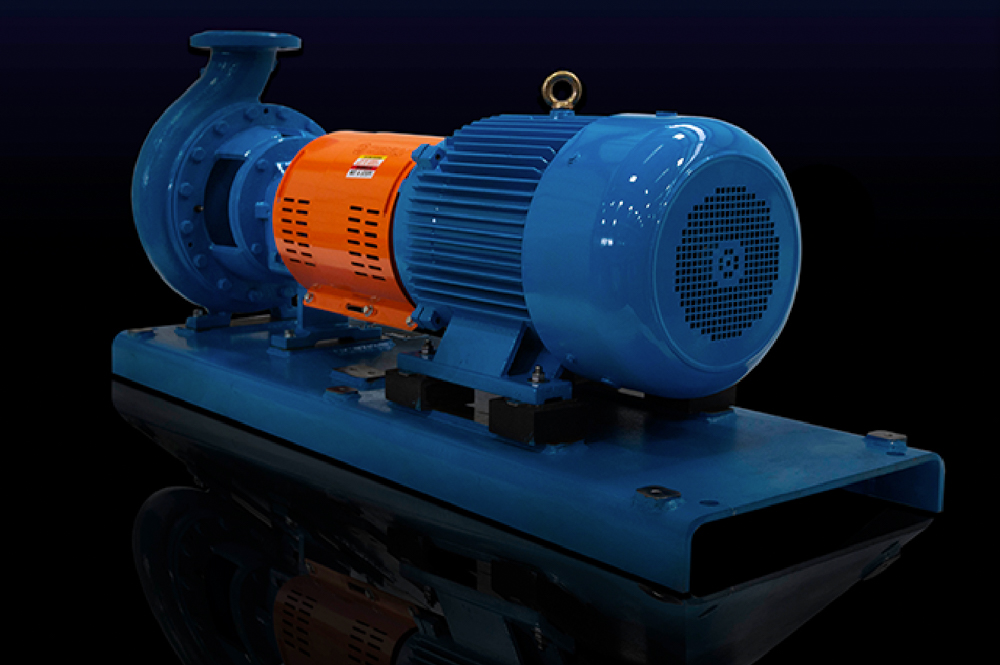
Cost of Repairing vs. Replacing ANSI Pumps: A Comprehensive Analysis

Blog

What Are the Best China Industrial Pumping Solutions?

Choosing the best industrial pumping solutions starts with the process, not the pump catalogue. Flow rate, total head, fluid temperature, viscosity, solids content, and operating cycles must be measured on site. A pump that performs well in a test room may waste energy in a real plant.

The U.S. Department of Energy’s Improving Pumping System Performance sourcebook reports that pumping systems can represent a major share of industrial electricity use, especially when throttling, leakage, or oversized equipment is present. Hydraulic Institute guidance also stresses system-level assessment, including pipe friction, control methods, maintenance, and motor efficiency. These findings make lifecycle cost more important than purchase price. Small pressure losses can become large annual expenses.

Dr. Lev Nelik, a recognized pumping-systems specialist, has expressed a useful principle: “The pump is only one part of the pumping system.” That idea should guide every specification. Efficient industrial pumping solutions may combine variable-speed drives, correctly sized impellers, condition monitoring, and corrosion-resistant materials. In a wastewater facility, that could mean stable solids handling and fewer emergency callouts. In a chemical plant, it could mean safer seals and tighter temperature control.

The choice is rarely perfect.

Fluid conditions change. Data may be incomplete. Operators may also prefer familiar equipment, even when performance evidence suggests otherwise. A reliable comparison should therefore examine efficiency at actual duty points, maintenance access, spare-parts availability, compliance requirements, and expected service life. The best solution is not always the most advanced one. It is the one that remains dependable when the plant is hot, dirty, busy, and under pressure.
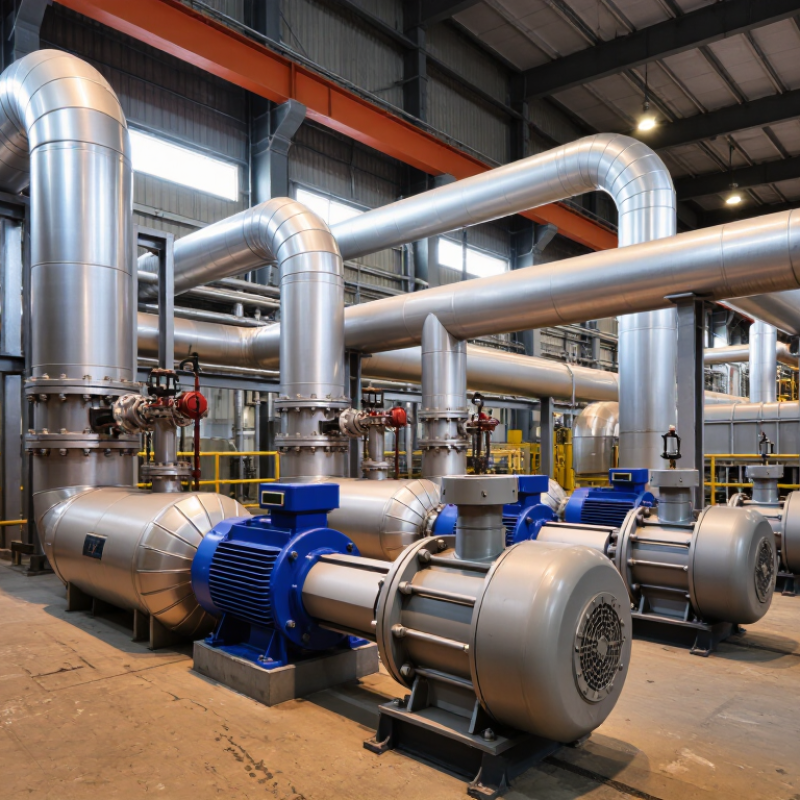
What Are the Best China Industrial Pumping Solutions?

Understanding China’s Industrial Pumping Solutions

China’s industrial pumping solutions cover centrifugal, positive-displacement, slurry, and multistage systems. The right choice depends on flow rate, pressure, fluid properties, and operating temperature. Centrifugal pumps suit water treatment, cooling loops, and general process circulation. Positive-displacement pumps handle viscous liquids and precise dosing more effectively. For mines and cement plants, abrasion-resistant slurry pumps can reduce unplanned shutdowns. That distinction matters.

A reliable evaluation starts with the duty point, not the catalog price. Engineers should check efficiency near the normal operating range, seal design, motor protection, and spare-part availability. In a coastal chemical facility, corrosion-resistant materials may matter more than a small efficiency gain. Material selection must match the liquid and its concentration. Monitoring systems can track vibration, bearing temperature, and pressure changes. But sensors do not replace regular inspections. No selection is perfect.

Procurement teams should request performance curves, test records, installation guidance, and maintenance schedules. Clear documentation helps operators avoid incorrect valve settings and dry running. It should include factory acceptance testing when the project requires strict performance control. Local service capacity can shorten repair delays, especially for large pumps and complex control systems. I would also compare lifecycle energy use, not only the initial quotation. A lower purchase price can become expensive after repeated seal failures or inefficient operation. Some projects still overlook pipeline design and suction conditions. That is where careful review becomes essential.
What Are the Best China Industrial Pumping Solutions?

Typical flow capacity by industrial pump solution. These representative engineering values help match pump technology with common industrial duties; actual selection depends on fluid properties, pressure, temperature, solids content, and operating conditions.

Centrifugal pumps are commonly selected for high-flow water and process duties, while positive-displacement pumps are preferred when accurate dosing, higher viscosity, or stable flow under pressure is required.

Key Types of Industrial Pumps Made in China

China’s industrial pump range covers centrifugal, multistage, diaphragm, screw, gear, slurry, and magnetic-drive designs.

Centrifugal pumps suit water, cooling, and general process circulation. Multistage pumps deliver higher pressure for boilers, reverse osmosis, and mine dewatering. Diaphragm pumps handle chemicals, sludge, and fluids containing solids. Screw and gear pumps move viscous liquids at controlled flow rates.

The IEA’s Energy Efficiency 2018 report states that electric motor systems consume about 50% of global electricity.

Pumping equipment forms a significant share of that demand. The U.S. Department of Energy also notes that inefficient pumping systems can waste substantial energy through throttling, oversized motors, and poor pipe design. Selection should therefore begin with flow, head, viscosity, temperature, solids content, and operating hours. Request performance curves, material certificates, factory test records, and ISO 9906 testing where suitable. A low purchase price can become expensive after months of unstable operation.

Tips:

Match the impeller to actual duty, not the maximum catalogue value. Check seal materials against the fluid. Ask for spare-part availability and commissioning support. In my experience, corrosion allowance is often underestimated. That mistake deserves review. Energy monitoring at the motor also reveals hidden losses, especially when demand changes during each shift.

How to Evaluate Pump Performance and Quality

When evaluating industrial pumping solutions manufactured in China, start with the duty point, not the catalog maximum. Record required flow, total dynamic head, fluid temperature, viscosity, and operating hours. Then compare the factory performance curve with measured flow and discharge pressure. Peak capacity misleads. A pump should operate near its best efficiency point, where energy use, vibration, and wear are easier to control. Small deviations matter.

Quality assessment requires more than a polished housing. Inspect material certificates, shaft alignment, seal construction, bearing temperature, and casting quality. During a witnessed test, use calibrated gauges and record readings at several flow rates. Check startup current, noise, vibration velocity, and leakage after thermal stabilization. Ask whether test conditions match the actual liquid. Water-test results may not predict performance with viscous or abrasive media. That gap is often underestimated. Factory traceability also matters, including serial records and documented pressure testing.

Reliability appears in details that are easy to postpone. Review spare-part availability, inspection intervals, seal replacement time, and protection against dry running or cavitation. Trend vibration and power readings after installation; one acceptance test cannot reveal every weakness. Be skeptical of unusually high efficiency claims. Real systems rarely stay perfectly clean. One honest limitation should be documented: the selected pump may meet today’s duty but lack future capacity. That admission supports a better engineering decision than confident numbers without operating context.

Selecting the Right Chinese Pumping System for Your Needs

Selecting the right Chinese industrial pumping system starts with your process, not the supplier’s catalog. Define flow rate, pressure, liquid temperature, viscosity, and operating hours. Check whether the liquid contains solids or corrosive chemicals. These details directly affect pump materials, seal design, and motor capacity.

I used to treat flow rate as the main priority. That was a mistake. Energy use, maintenance access, and spare-parts availability also influence long-term value. During equipment evaluations, request performance curves, material certificates, factory test records, and clear warranty terms. A reliable supplier should explain efficiency losses and operating limits without hiding technical weaknesses. Independent inspection before shipment can also reduce installation risks.

Tips: Compare at least three technical proposals. Ask for measured efficiency, not estimates. Confirm voltage and control requirements. Leave space around the pump for service work. Test the system with realistic operating conditions. A cheaper unit may become expensive when seals fail often or replacement parts arrive slowly. Local water quality and climate also matter, especially in dusty or humid facilities. I would also question any proposal promising perfect performance without site data. Some selection decisions remain uncertain, and documenting those assumptions makes later improvements easier.

What Are the Best China Industrial Pumping Solutions?

Selecting the Right Chinese Pumping System for Your Needs

Pump Solution Typical Flow Range Typical Head or Pressure Suitable Fluid Temperature Capability Solids Handling Energy and Maintenance Profile Best-Fit Industrial Applications
End-Suction Centrifugal Pump Approximately 5–2,000 m³/h Approximately 10–150 m head Clean or lightly contaminated water, cooling water, process liquids Typically 0–100°C; higher temperatures require appropriate seals and materials Generally limited; suspended solids should normally remain below about 1–3% by volume High efficiency near the duty point; simple construction and relatively low maintenance Water transfer, cooling systems, general process service, irrigation and fire-water systems
Horizontal Split-Case Pump Approximately 100–10,000 m³/h Approximately 20–200 m head Clean water and low-viscosity, non-abrasive liquids Typically 0–80°C, depending on casing, seal and bearing design Low solids content; filtration is recommended for abrasive particles Efficient for large continuous flows; casing can often be serviced without removing the motor or pipework Municipal water supply, power-plant circulation, district cooling and large-scale irrigation
Multistage Centrifugal Pump Approximately 1–500 m³/h Approximately 50–1,000 m head Clean water, boiler feedwater and high-pressure process liquids Typically 0–140°C with suitable mechanical seals and metallurgy Very limited solids tolerance; clean fluid is preferred Efficient for high-head duty; stage wear and seal condition must be monitored Boiler feed, reverse-osmosis pretreatment, high-pressure water supply and pressure boosting
Vertical Turbine Pump Approximately 100–20,000 m³/h Approximately 10–300 m head Raw water, cooling water and water from wells, reservoirs or intake structures Typically 0–80°C for standard water-service configurations Low to moderate solids content, subject to bowl and impeller design Suitable for deep-water sources; installation requires proper alignment and foundation design Deep wells, river intakes, reservoirs, power stations and large municipal pumping stations
Submersible Sewage Pump Approximately 5–2,000 m³/h Approximately 5–100 m head Wastewater, sewage, stormwater and liquids containing fibrous material Typically up to 40°C for standard sewage service Commonly handles solids from about 20–100 mm, depending on impeller and passage design Compact installation with no priming requirement; lifting equipment and cable protection are important Wastewater treatment, municipal lift stations, drainage, construction dewatering and flood control
Progressive Cavity Pump Approximately 0.1–300 m³/h Approximately 6–150 bar High-viscosity liquids, sludge, polymers, oils and shear-sensitive products Typically −20–150°C, depending on elastomer and rotor materials Good tolerance for soft solids and suspended particles; abrasive solids reduce stator life Accurate low-flow metering and gentle handling; stator and rotor are wear components Sludge transfer, chemical dosing, food processing, mineral processing and polymer handling
Air-Operated Double-Diaphragm Pump Approximately 0.01–60 m³/h Up to approximately 8 bar discharge pressure Corrosive, abrasive, viscous or shear-sensitive liquids Commonly −20–120°C, depending on diaphragm and valve materials Good solids handling; passage size varies by pump model and valve design Self-priming and capable of dry running; compressed-air consumption can be significant Chemical transfer, paint and coating systems, wastewater, mining slurries and batch processing
Magnetic-Drive Chemical Pump Approximately 0.1–100 m³/h Approximately 5–80 m head Clean corrosive chemicals and hazardous liquids without abrasive particles Typically 0–120°C, subject to lining and magnetic-drive material limits Very limited; solids may damage internal bearings and containment surfaces Sealless design reduces leakage risk; dry running and inadequate flushing can cause rapid damage Chemical dosing, acid and alkali transfer, plating, semiconductor and laboratory process systems
Twin-Screw Process Pump Approximately 1–1,500 m³/h Approximately 5–40 bar Viscous liquids, emulsions, oils, food products and multiphase fluids Approximately −40–180°C, depending on material, lubrication and seal configuration Can handle entrained gas and some soft solids; abrasive particles require special design Good flow control across a broad viscosity range; precision machining and seal maintenance are important Food and beverage, oil and gas, petrochemical, marine loading and hygienic process transfer
Slurry Centrifugal Pump Approximately 10–2,500 m³/h Approximately 10–120 m head Mineral slurries, ash, sand, tailings and other abrasive mixtures Typically 0–80°C; special materials are required for elevated temperatures Designed for high concentrations of abrasive solids, commonly up to about 40–70% by weight depending on slurry Uses replaceable wear liners and heavy-duty components; operating point and slurry density strongly affect wear Mining, mineral concentration, dredging, coal preparation, metallurgy and aggregate processing
Self-Priming Centrifugal Pump Approximately 5–1,000 m³/h Approximately 10–100 m head Water, wastewater and liquids with occasional air entrainment Typically 0–80°C for standard configurations Moderate solids handling when fitted with an appropriate semi-open or vortex impeller Reduces the need for foot valves and manual priming; suction-lift limits and air-leak prevention are critical Construction drainage, wastewater transfer, tank emptying, emergency pumping and mobile pumping units

Selection note: Actual performance depends on flow rate, total dynamic head, suction conditions, liquid viscosity, specific gravity, vapor pressure, solids concentration, corrosion requirements, seal arrangement, motor efficiency and local electrical standards. Confirm the final duty point with a pump curve and a complete system calculation before purchase.

Applications, Service, and Maintenance Considerations

China’s industrial pumping solutions serve water treatment, chemical processing, mining, food production, and district heating. Selection should begin with fluid behavior, not catalog capacity. Slurries need abrasion resistance, while corrosive liquids demand compatible wetted materials. The U.S. Department of Energy reports that pumping systems can consume 25% to 50% of industrial facility electricity. Therefore, efficiency deserves attention beside purchase price.

Service conditions often decide actual performance. A practical supplier should provide commissioning records, vibration readings, alignment checks, and operator training. Response time matters when a failed pump stops a production line. Remote monitoring can track pressure, temperature, current, and seal leakage. Yet sensors do not replace experienced technicians. Site access, spare-part availability, and clear service responsibilities should be written into the contract. Small omissions become expensive later.

Maintenance should combine routine inspection with condition-based decisions. The U.S. Department of Energy’s Operations & Maintenance Best Practices guide identifies preventive maintenance as a way to improve reliability and control operating costs. Inspect bearings, couplings, mechanical seals, valves, and strainers at defined intervals. Keep a simple history of flow, discharge pressure, energy use, and repairs. Patterns become visible. However, maintenance plans are rarely perfect. Over-maintenance wastes labor, while delayed repairs invite secondary damage. A pump may run quietly and still operate far from its best efficiency point. Engineers should review actual duty conditions after seasonal changes, process upgrades, or repeated failures. That review is often missed.

Proud Member Of Curry Supply Holdings
Since 1932

Tour Our State-of-the-Art Facility

Click for a Quick Quote