Choosing among the top types of house pumps begins with the home’s actual water needs. A quiet suburban house may need a booster pump for weak pressure. A deep well often requires a submersible pump. A basement with rising groundwater may depend on a sump pump. Each design moves water differently, and each creates different installation demands.
Robert Asdal, a respected pump-industry specialist and former Hydraulic Institute executive, puts it clearly: “A pump must be selected as part of a system, not in isolation.” That principle guides this overview. Flow rate, pressure, pipe length, power supply, noise, and maintenance all affect performance. A pump that looks powerful in a catalog may struggle with narrow pipes or frequent starts. Small details matter.
Some homes need reliability more than maximum output. Others need compact equipment beneath a kitchen sink or beside a storage tank. The wrong choice can produce weak showers, cycling motors, excess noise, or premature wear. That is not always obvious.
Real conditions can be messy.
This guide compares common house pumps, including jet, submersible, booster, sump, and sewage models. It explains where each type works best and what limitations deserve attention. The comparison is practical, but not perfect. Local water quality, climate, building design, and professional inspection can change the final decision. A qualified installer should confirm sizing before purchase.
Choosing a house pump starts with three numbers: flow rate, head pressure, and motor power.
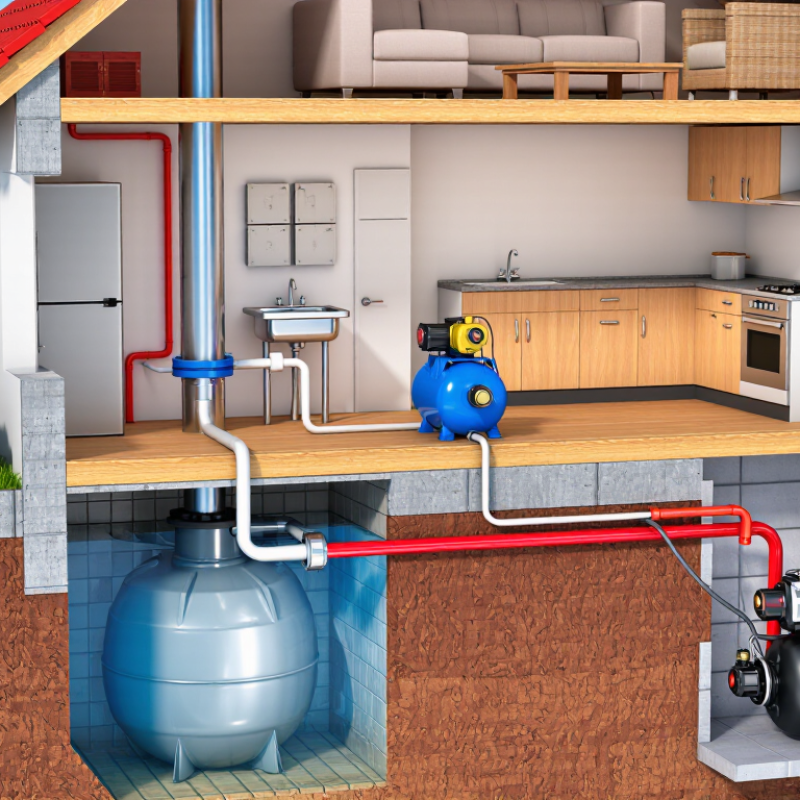
Common types include centrifugal, jet, submersible, and booster pumps. Centrifugal pumps suit steady water transfer. Jet pumps help draw water from shallow or moderate depths. Submersible pumps work inside wells or tanks. Booster pumps increase pressure when fixtures feel weak.
Flow rate measures delivered water, usually in gallons per minute or liters per minute. Head pressure includes elevation, pipe friction, and required fixture pressure.
The U.S. Department of Energy’s Pumping System Assessment Tool evaluates these factors with efficiency, motor power, and operating hours.
A useful conversion is 1 psi equals about 2.31 feet of water head.
Measure it. Guessing from pipe size alone can produce an undersized pump.
Motor power must support the operating point, not just the maximum rating.
Hydraulic Institute affinity-law data shows that a 10% speed increase can raise flow by 10%, head by 21%, and power demand by roughly 33%.
That increase is easy to overlook. A basic estimate uses horsepower = flow × head ÷ (3,960 × efficiency), when using gallons per minute and feet.
Real pipe losses may exceed the estimate, especially with narrow fittings, filters, or long runs. I would recheck the calculation after installation, because a pump that reaches pressure quickly may still cycle too often and waste energy.
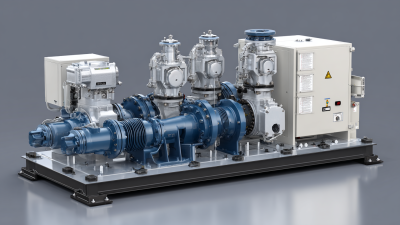
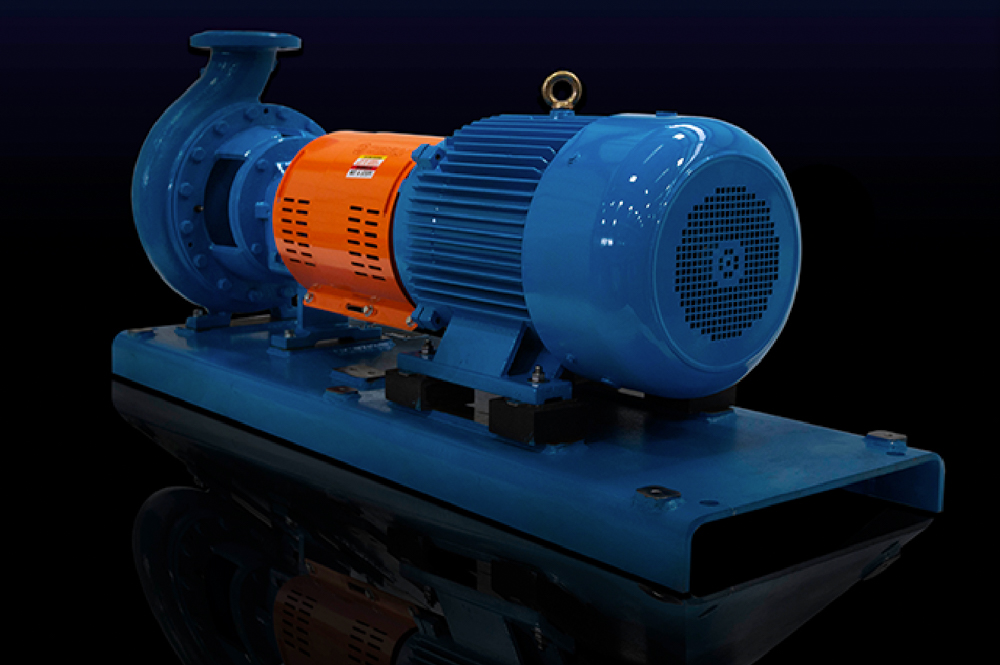
Centrifugal pumps are common choices for moving clean water around a home. Their practical flow range often falls between 20 and 100 gallons per minute, depending on system pressure and pipe resistance. A 20 GPM pump may serve a modest house with several fixtures. Larger homes, irrigation zones, or storage tanks may require 60–100 GPM. Some homes need less.
Flow rate alone does not determine performance. Pump head, pipe diameter, elevation, and fittings can reduce delivered water. In field checks, I measure pressure near the pump and at the farthest outlet. A reading that looks strong at the source may feel weak upstairs. Filters also matter. A partially blocked filter can quietly reduce flow and increase motor strain.
A properly sized centrifugal pump should match the household’s peak demand, not an exaggerated estimate. Running several showers, toilets, and outdoor sprinklers together creates a more realistic test. I have seen first calculations fail because they ignored narrow pipes and long runs. That mistake is easy to repeat. Electrical supply and tank capacity deserve equal attention. Professional installation and documented flow testing improve reliability, especially when the system approaches 100 GPM.
Submersible sump pumps sit inside the pit, keeping the motor cooled by surrounding water. Their real value appears during heavy rain, when groundwater can rise quickly. The Insurance Information Institute reports that water damage and freezing claims averaged about $12,514 per claim from 2018 to 2022. That figure makes sump capacity more than a technical detail. It becomes a practical protection decision.
Measure the pit’s diameter and usable depth before choosing a pump. A typical 18-inch pit holds roughly 11.5 gallons per vertical foot, though sediment reduces working space. Pump selection should match the inflow rate and total dynamic head, not horsepower alone. Hydraulic Institute guidance stresses evaluating flow at the actual discharge height, bends, and pipe length. A pump rated at 3,000 gallons per hour may deliver far less at 10 feet of lift.
Float-switch control needs equal attention. A tethered float offers a wider switching range, while a vertical float suits smaller pits. Keep the float away from the discharge pipe and pit wall. Otherwise, it may stick before the water reaches the intended start level. The U.S. Department of Energy notes that frequent motor cycling can increase energy use and equipment wear. I have seen homeowners set the switch too low, chasing a dry pit and causing short cycles. That choice seems tidy, but it can shorten pump life. A properly sized pit, free-moving float, and tested backup alarm provide more reliable control.
Approximate sump-basin capacities are calculated from the internal diameter and water depth of a cylindrical basin. A submersible pump is commonly controlled by an automatic float switch: the switch starts the pump as the water level rises and stops it after the level falls. Actual activation levels and usable capacity vary by basin design and float-switch adjustment.
What Are the Top Types of House Pumps?
Booster pumps can add roughly 20–60 PSI to weak residential water systems. The actual gain depends on pipe length, elevation, flow demand, and inlet pressure. A basement shower may feel acceptable at 35 PSI, yet a second-floor shower can lose pressure quickly. Every extra 2.31 feet of elevation costs about 1 PSI. That small number becomes noticeable in a tall home.
The U.S. Department of Energy’s Building America guidance commonly places household water pressure near the 40–60 PSI range. Many plumbing codes also treat 80 PSI as the upper limit before pressure reduction becomes necessary. A booster pump should increase pressure without creating excessive stress on valves, washing-machine hoses, or water heaters. Pressure tanks can reduce rapid cycling, while variable-speed controls adjust output as fixtures open and close.
Energy use deserves attention. The U.S. Energy Information Administration’s Residential Energy Consumption Survey reports that water heating represents about 18% of household energy consumption. A poorly selected pump adds another avoidable load. Hydraulic Institute guidance emphasizes matching pump performance to system demand, not simply choosing the largest motor. Bigger is not always better. In field installations, pressure gauges before and after the pump reveal problems that calculations can miss. Sediment, undersized piping, or a partly closed valve may imitate low pump capacity. That is where the analysis gets uncomfortable.
What Are the Top Types of House Pumps?
House pumps usually fall into three practical groups: booster pumps, sump pumps, and sewage pumps. Booster pumps improve weak water pressure at showers, sinks, or upper floors. Sump pumps remove groundwater from a basement pit. Sewage pumps handle wastewater containing solids. Each type requires a different design, so choosing by appearance alone can create expensive trouble.
Selecting a pump by ANSI/HI standards helps compare tested performance, efficiency, and operating limits. Check the rated flow, head, motor load, and duty cycle. A pump should meet household demand without running continuously. Efficient models may reduce electricity use, but efficiency can drop when pipe sizing is poor. Noise also matters. A basement pump may tolerate more sound than one beside a bedroom. In my experience, vibration often reveals loose mounts, worn bearings, or an uneven base. Small details matter.
Tips: Measure the required flow and vertical lift before shopping. Confirm the pump’s solids-handling capacity for wastewater. Ask for test data based on applicable ANSI/HI standards. Choose corrosion-resistant materials where moisture is constant. Leave access space for cleaning and inspection. A quieter pump is not always the best pump. Maintenance access may matter more. Review the manual and local installation requirements with a qualified professional. I would also recheck the calculation after installation; real pipe bends can change performance. Mistakes happen. A practical selection allows room to correct them.