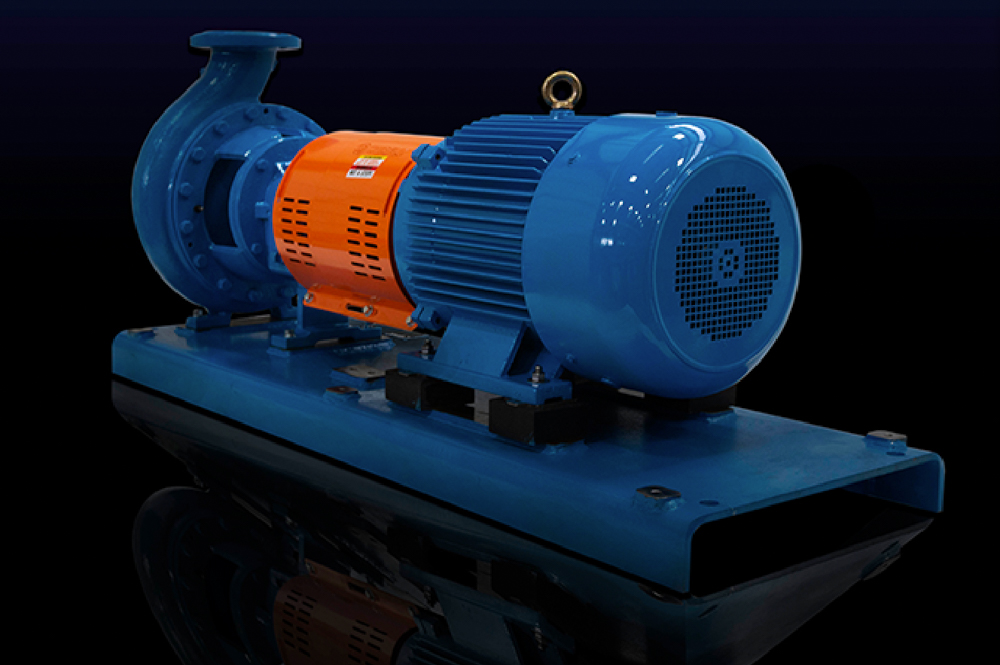
The industrial pumps market is evolving rapidly, driven by various factors. Businesses need reliable, efficient solutions for fluid management. Industrial pumps are vital in numerous sectors. They ensure smooth operations, enhance productivity, and reduce downtime.
In 2026, the competition for the best industrial pumps will intensify. Buyers must understand the latest innovations and technologies. Selecting the right industrial pump can significantly impact operational efficiency. Industry leaders are investing heavily in R&D to improve pump designs. Users expect durability, energy efficiency, and low maintenance.
Yet, challenges remain. Many products do not meet expectations or have hidden flaws. Buyers must exercise caution and conduct thorough research. Knowledgeable buyers will seek out trustworthy suppliers with proven records. Awareness of market dynamics is crucial for making informed decisions. The right pump can lead to substantial benefits.
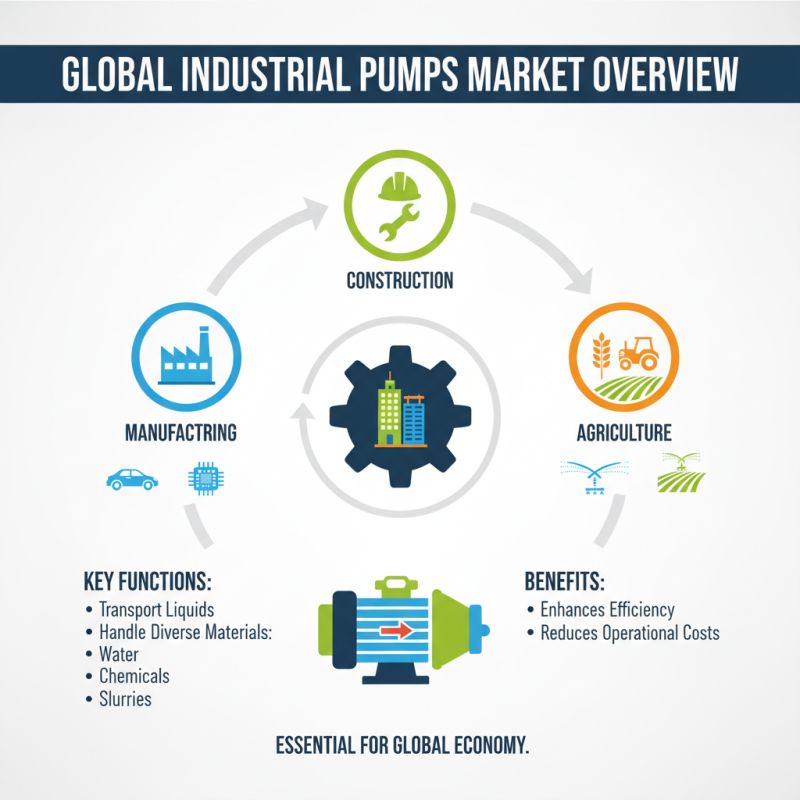
Industrial pumps play a critical role in various global markets. They are essential for the transportation of liquids in sectors such as manufacturing, construction, and agriculture. These pumps can handle diverse materials, including water, chemicals, and slurries. The right choice enhances efficiency and reduces operational costs.
In 2026, we see some notable trends. The demand for energy-efficient pumps is rising. Buyers are increasingly concerned about sustainability. This shift drives innovation in pump technology. Digital solutions are also becoming vital. Remote monitoring and IoT integration improve reliability and maintenance. However, many buyers still struggle to keep up with these advancements.
Quality varies significantly across products. It's important to consider service life, compatibility, and overall performance. Some users might find themselves overwhelmed by choices. Not all pumps are suitable for every application. Understanding specific project needs is crucial. This knowledge can prevent costly mistakes and inefficiencies.
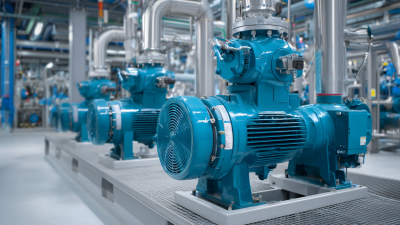
In 2026, the landscape of industrial pumps has seen notable advancements. These innovations primarily focus on energy efficiency and smart technology integration. According to a recent market analysis, energy-efficient pumps can reduce operational costs by up to 30%. Such pumps have features like variable speed drives, allowing for optimal performance under varying demands.
A significant trend is the use of IoT technology for monitoring and predictive maintenance. This technology can minimize downtime and enhance performance. For instance, sensors can detect wear and tear in pumps, alerting systems to potential failures before they occur. The global industrial pump market is projected to reach $86 billion by 2027, reflecting the growing acceptance of these innovations.
Tips: When selecting a pump, consider the total cost of ownership, not just the purchase price. Look for features that promote easy maintenance. Doing so can save substantial costs in the long run.
While the innovations are promising, challenges remain. Adoption rates vary widely across industries. Some sectors still rely on outdated technologies. This inconsistency indicates a need for further education on the benefits of modern pump systems. Awareness and training can bridge this gap.
The industrial pump market is vast and competitive, attracting a wide array of manufacturers. These companies focus on creating efficient, durable, and reliable pumps. Key factors include innovation, sustainability, and customer service. Buyers seek tailored solutions that meet specific operational needs. The industry's growth leads manufacturers to refine designs and enhance performance metrics.
Several top manufacturers are defining the market with their leading products. Many emphasize energy efficiency, which reduces operational costs significantly. Some innovations include smart pumps equipped with IoT capabilities, allowing for real-time monitoring. While these advancements promise much, they can also introduce complexities. Technicians may struggle with adapting to new technologies. Therefore, training becomes crucial.
With diverse applications, manufacturers offer pumps for oil and gas, water treatment, and chemical processing. Each sector demands unique features, pushing factories to specialize. However, this specialization can narrow options for buyers seeking versatility. As the landscape evolves, buyers must remain informed about trends. Decision-making can be challenging in such a dynamic market.
| Pump Type | Max Flow Rate (m³/h) | Max Pressure (bar) | Material | Applications |
|---|---|---|---|---|
| Centrifugal Pump | 600 | 15 | Cast Iron | Water Treatment, HVAC |
| Diaphragm Pump | 100 | 10 | Plastic, Stainless Steel | Chemical Transfer, Food Processing |
| Gear Pump | 250 | 30 | Aluminium, Bronze | Oil Transfer, Lubrication |
| Screw Pump | 450 | 25 | Stainless Steel | Wastewater, Chemical Processing |
| Peristaltic Pump | 80 | 3 | Rubber, Silicone | Pharmaceutical, Water Treatment |
The industrial pump market is evolving rapidly. Various sectors, including oil and gas, water treatment, and food processing, are driving this change. Market demand is shifting towards energy-efficient solutions. Sustainability is becoming a critical factor for buyers. Many industries seek pumps that minimize environmental impact.
Forecasts indicate a steady growth trajectory for industrial pumps. Technological advancements play a significant role in this expansion. Smart pump systems are gaining popularity, offering real-time monitoring. However, not all companies have integrated these advancements effectively. There are still hurdles in data interoperability and system integration.
Buyer preferences are also shifting. Key trends include a focus on customization and durability. Some manufacturers are struggling to meet the diverse needs of customers. This presents an opportunity for suppliers willing to adapt. Limited resources can hinder innovation, leaving gaps in the market. Understanding these dynamics is crucial for future planning and strategy development.
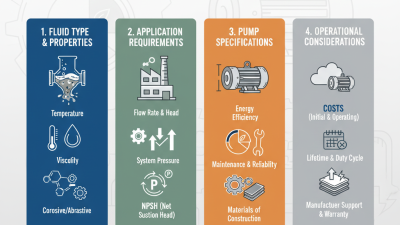
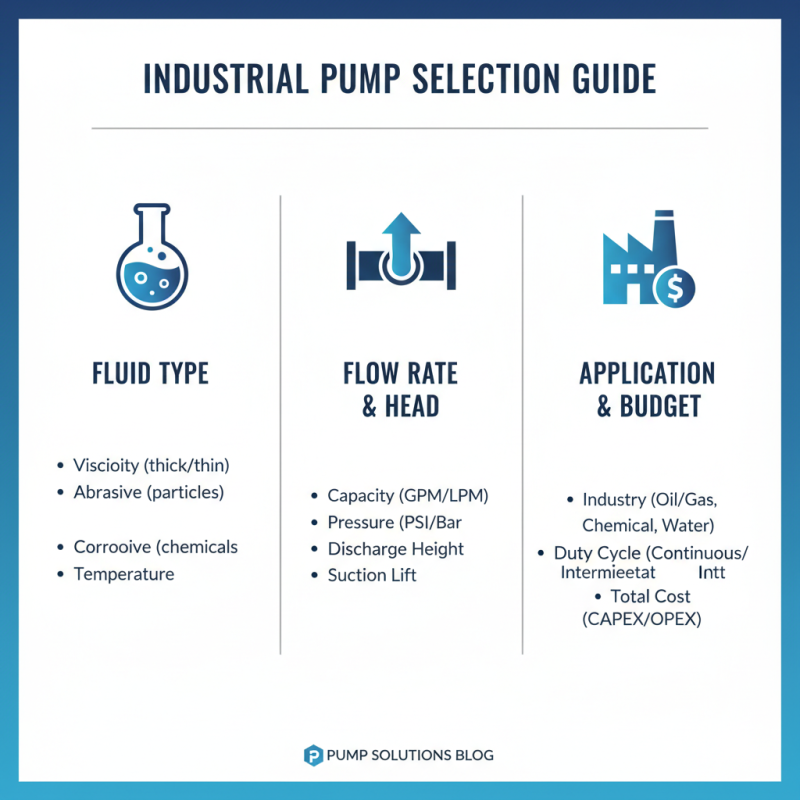
Choosing the right industrial pump can seem daunting. Many factors influence your decision. Consider the type of fluid you will be moving. Is it viscous or abrasive? The characteristics of the fluid greatly impact pump selection. Also, think about the flow rate required. Different applications demand different capacities.
Next, assess the environment where the pump will operate. Temperature and pressure ratings are crucial. Ensure the pump can handle extreme conditions. Not all pumps are built the same. Some may lack durability and reliability in harsh settings. Additionally, make sure to evaluate maintenance needs. Some pumps require frequent servicing, while others are more user-friendly.
Lastly, consider energy efficiency. Industrial pumps consume significant energy. Choosing an efficient model can lead to long-term savings. Keep in mind your budget constraints, but do not sacrifice quality for cost. Investing wisely pays off. Rely on current industry insights and expert reviews, but remember, there's no one-size-fits-all solution. The best choice always depends on your specific needs and context.