What is an Industrial Centrifugal Pump and How Does It Work?
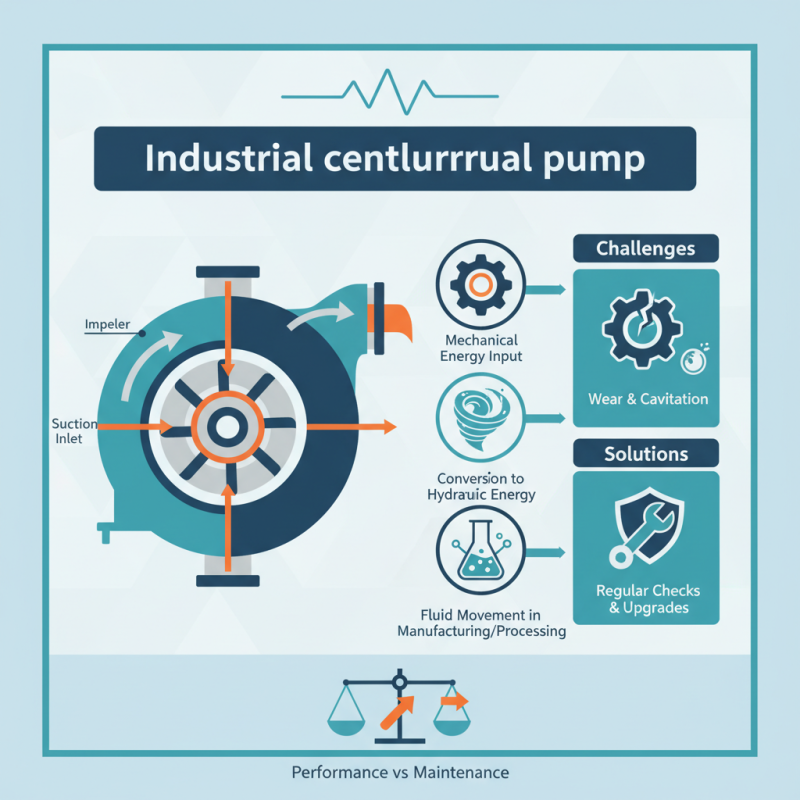
Industrial centrifugal pumps are essential in various sectors today. Experts like Dr. Emily Carter, a leading authority in pump technology, state, “These pumps transform mechanical energy into hydraulic energy efficiently.” Their design enables the movement of fluids through centrifugal force, making them invaluable in manufacturing and processing industries.
These pumps utilize an impeller to impart energy. This action creates a flow by converting rotational energy into fluid motion. For instance, in a chemical plant, these pumps handle corrosive substances daily. However, the complexity of their operation can lead to challenges, such as wear or cavitation.
Understanding industrial centrifugal pumps requires knowledge of fluid dynamics. While they are reliable, poor maintenance can lead to performance issues. Investing in regular checks and upgrades is crucial. Balancing performance and maintenance can be a constant challenge, but it is necessary for optimal operation.
What is an Industrial Centrifugal Pump?
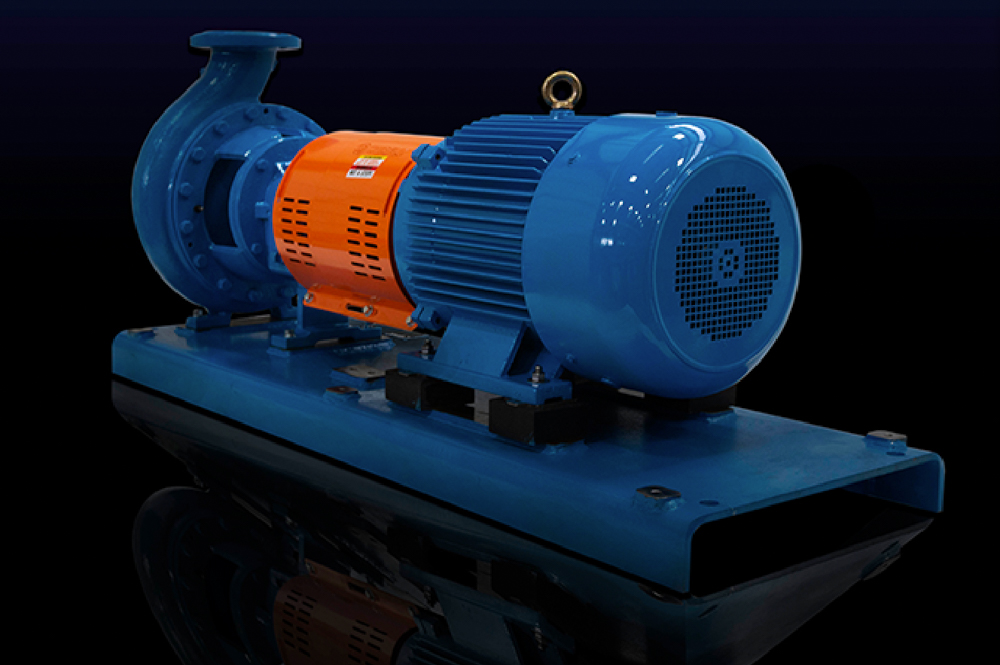
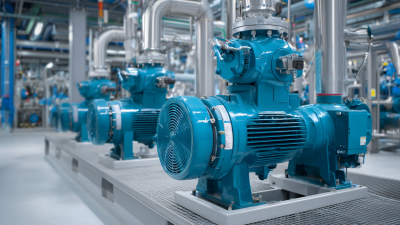
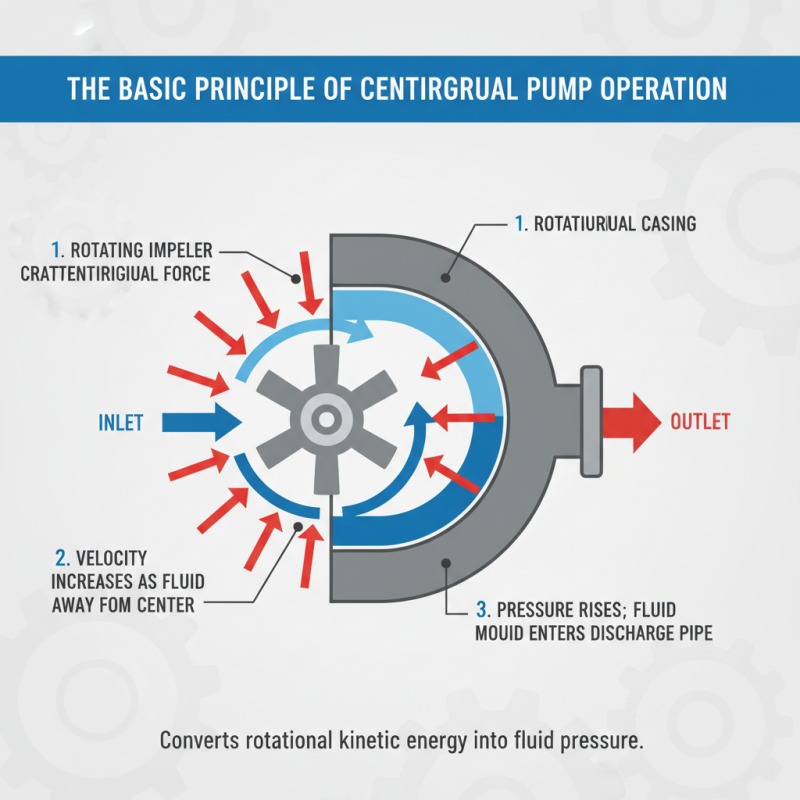
Industrial centrifugal pumps are vital components in a wide range of industries, including water treatment, chemical processing, and oil and gas. These pumps work by converting rotational energy from a motor into kinetic energy in the fluid. This process involves a rotating impeller that moves the liquid outwards, creating a vacuum that draws more fluid into the pump. According to Market Research Future, the global industrial pump market is expected to grow at a CAGR of over 5% from 2021 to 2028, reflecting the increasing need for efficient fluid transfer systems.
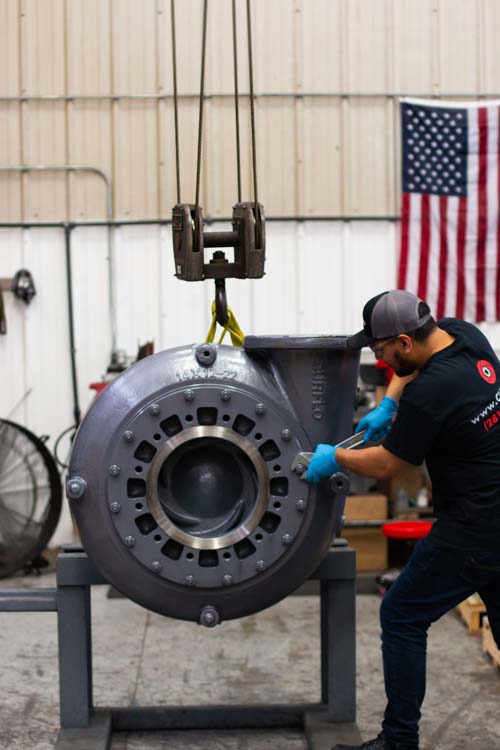
The design of these pumps is crucial. They often feature a volute casing that helps to convert the fluid's velocity into pressure. The efficiency of centrifugal pumps can reach up to 90% in optimal conditions, but many factors can influence this performance. Poor maintenance, improper installation, and inappropriate pump selection can lead to significant efficiency losses. The Hydraulic Institute notes that up to 25% of pump energy can be wasted due to these issues, highlighting the need for proper knowledge and expertise in pump applications.
Moreover, the materials used in constructing centrifugal pumps play a critical role in their durability and performance. Common materials include cast iron, stainless steel, and various polymers, each suited for specific applications. However, the choice of material often requires careful consideration to prevent corrosion or wear and tear. Industry reports indicate that selecting the wrong material can lead to unexpected breakdowns and increased operational costs. Therefore, understanding the specific requirements of each application is essential for anyone involved in industrial pump operations.
Key Components of Industrial Centrifugal Pumps
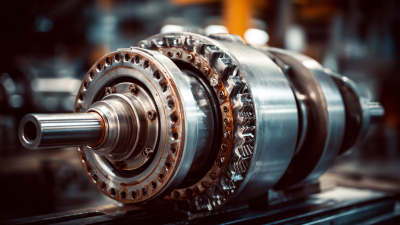
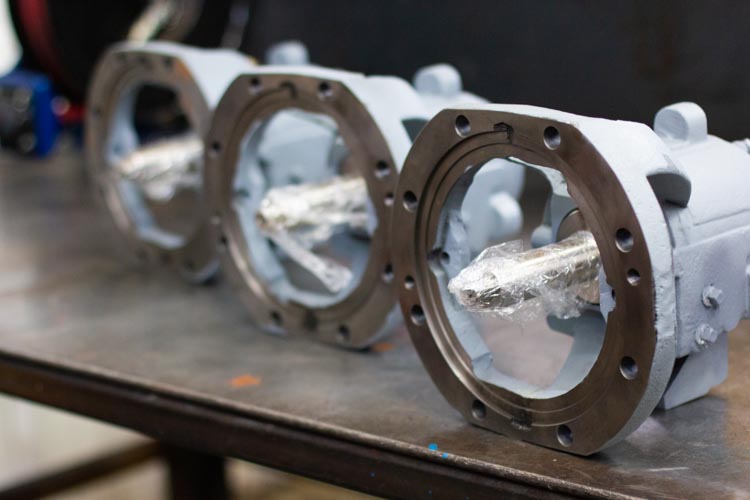
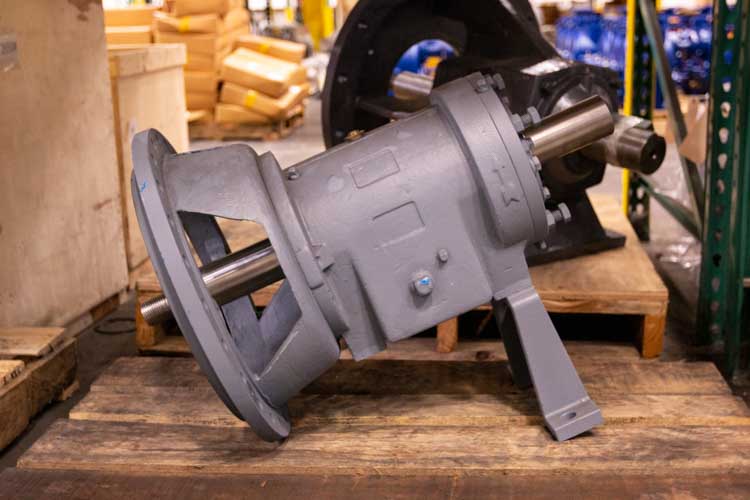
Industrial centrifugal pumps are vital in many sectors, including chemical processing and water treatment. Understanding their key components is essential for effective operation. These pumps primarily consist of an impeller, a volute, a shaft, and bearings.
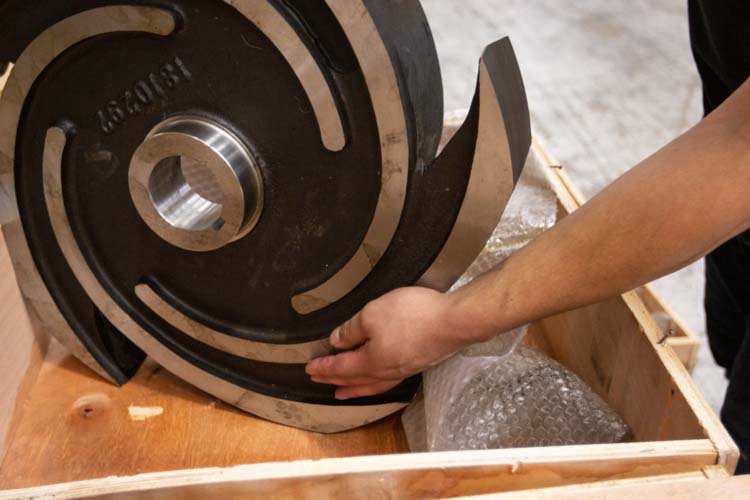
The impeller creates a flow of fluid. It accelerates the liquid outward through the centrifugal force generated by its rotation. This process transforms the mechanical energy from the motor into kinetic energy in the fluid. According to a recent industry report, over 70% of fluid transport applications utilize centrifugal pumps, highlighting their importance and efficiency.
The volute collects the fluid from the impeller and directs it to the discharge pipe. Its design impacts the pump’s efficiency and performance. Likewise, the bearings support the shaft, ensuring smooth operation. Regular maintenance is crucial. Many operators overlook this, leading to inefficiencies. In fact, improper bearing maintenance can reduce pump life by up to 50%. Investing in quality components can yield significant long-term savings. Choosing the right materials can prevent common issues like corrosion, which is detrimental over time.
Applications of Industrial Centrifugal Pumps in Various Industries
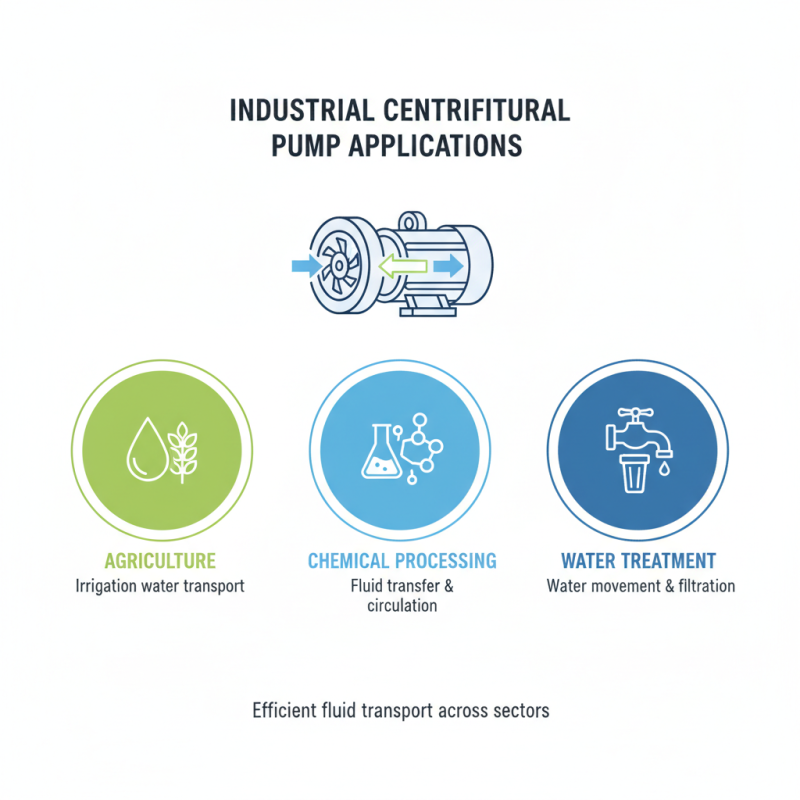
Industrial centrifugal pumps are essential in various sectors. They are used for transporting fluids through a rotating impeller that generates flow. Their efficiency makes them ideal for applications in agriculture, chemical processing, and water treatment. For instance, in agriculture, these pumps help move irrigation water effectively.
In the chemical industry, they are crucial for transferring corrosive and viscous substances. Proper material selection in these applications is vital to prevent pump failure. In water treatment, centrifugal pumps play a key role in filtration processes. They ensure that clean water is available for communities and industries alike.
**Tips**: Regular maintenance of these pumps is critical. Ensure that seals and bearings are checked frequently to avoid leaks. Also, monitor the pump's performance regularly. This can prevent unexpected downtime and costly repairs.
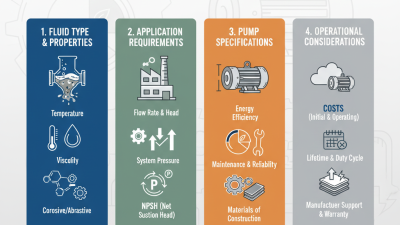
Understanding the specific requirements of each application can also enhance pump performance. Using the right pump for the job is crucial. Improper sizing can lead to inefficiencies or even damage. Always analyze the fluid's characteristics before making a selection.
Maintenance and Troubleshooting of Centrifugal Pumps
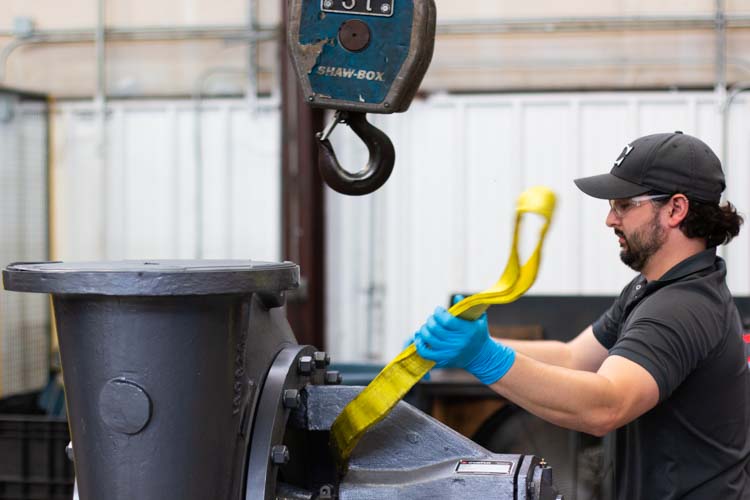
Centrifugal pumps are vital in many industrial applications. Maintaining these pumps is essential to ensure efficiency and longevity. Regular inspection is necessary to identify potential issues. This includes checking for leaks, unusual noises, and abnormal vibrations. Schedule frequent maintenance checks based on usage. Proper lubrication of moving parts can reduce wear and tear.
If a pump is showing signs of inefficiency, troubleshooting begins with the power source. Verify that the electrical supply is stable and within the pump's specifications. Blockages within the pump or piping can lead to performance issues. Cleaning or replacing filters may solve the problem. Don't overlook the significance of operating temperature. High temperatures can damage components, leading to costly repairs.
Operators should be trained in basic troubleshooting techniques. Misalignment and cavitation are common problems that can occur. Addressing these issues early can save time and money. Documenting maintenance efforts is also a best practice. This provides a reference for future troubleshooting and helps track performance over time. Regular reflection on maintenance practices is key to improvement.