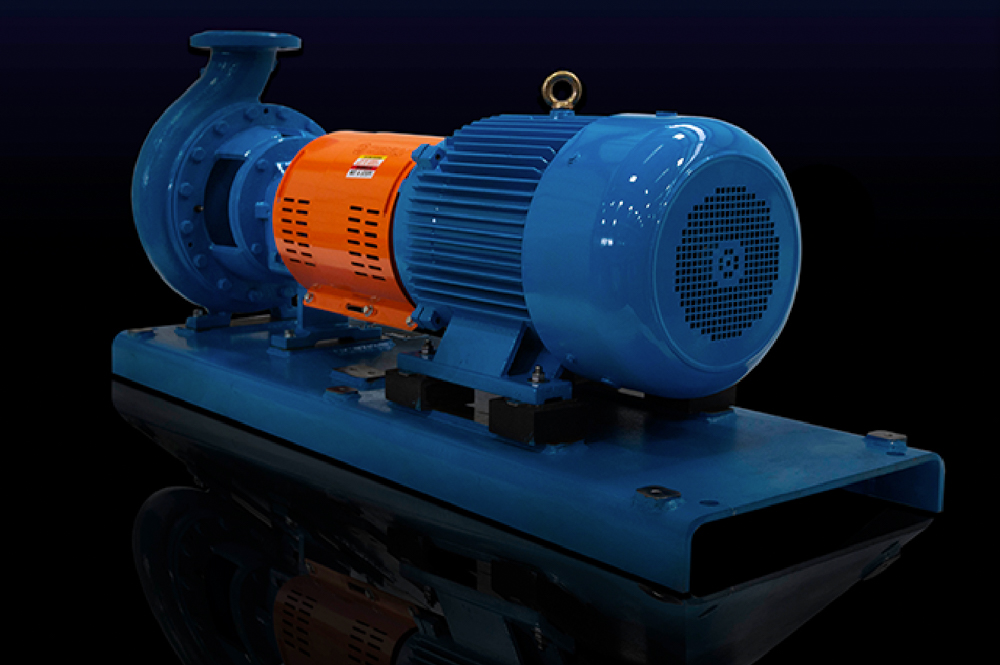
Choosing the best well pumps from China requires more than comparing prices or reading a product label. Chinese manufacturers offer many options, from compact submersible units for household wells to larger systems for farms and commercial sites. Yet the right choice depends on the well’s depth, required flow, water quality, power supply, and local service support. A low price can look attractive. It may not tell you how reliably a pump handles sand, voltage changes, or years of daily use.
For an illustrative expert perspective, well-pump engineer Lin Wei offers this practical reminder: “Match the pump to the well first; compare the price second.” Lin Wei is a fictional expert voice, not a source for a verified quotation. The principle is useful because a pump’s rated flow alone cannot predict performance in a real installation. Buyers should check the pump curve, motor protection, wetted materials, warranty terms, and availability of replacement parts. Ask for test records and clear specifications, not just polished catalog images.
This guide will compare Chinese well pumps by application, construction, performance, and after-sales support. It will also explain which questions to ask suppliers before placing an order. Details matter: a narrow borehole, iron-rich water, or a long cable run can change the suitable model. Some product listings still leave important details unclear. That is worth treating as a warning, not a minor inconvenience. No single brand suits every well, and even a well-reviewed pump can disappoint when sizing or installation is wrong.
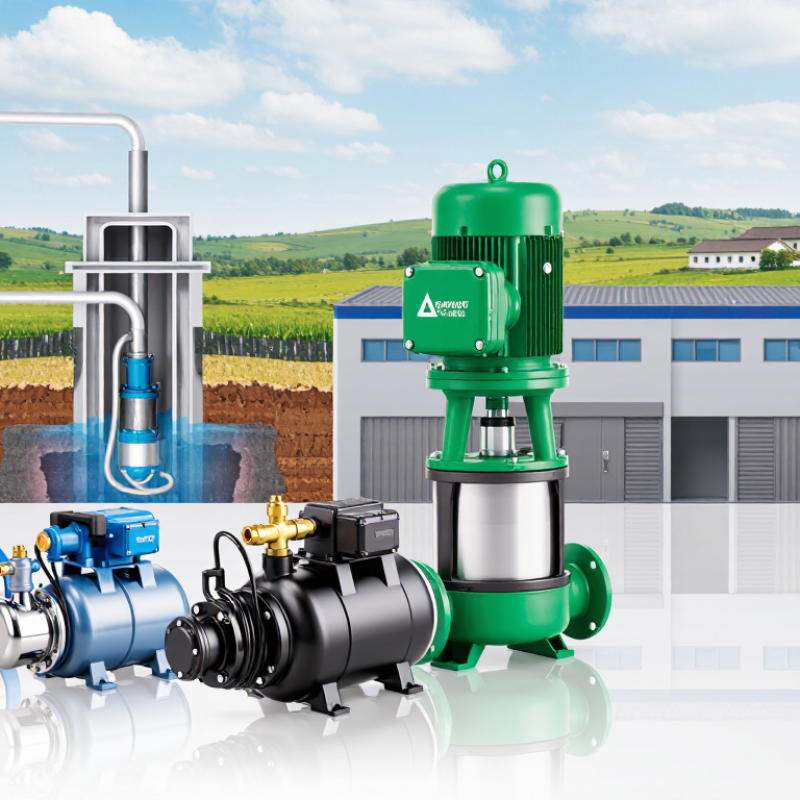
What Are the Best Well Pumps from China?
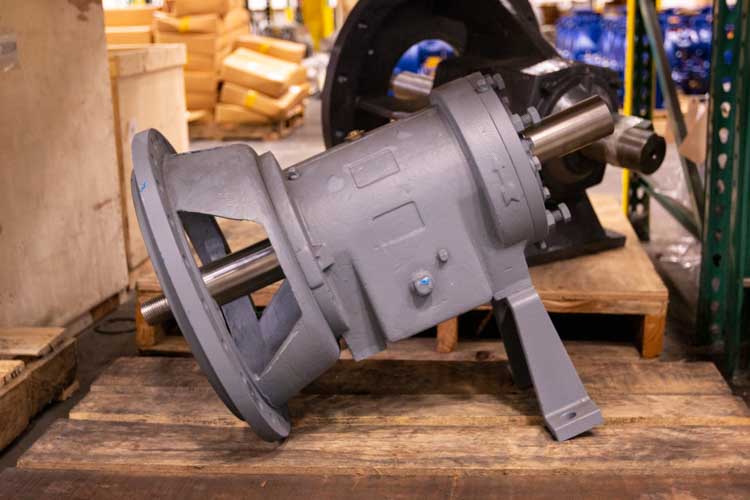
Chinese well pumps differ mainly in placement, pressure behavior, and maintenance access. Submersible pumps sit below the waterline. Their sealed motors push water upward efficiently, especially from deep wells. Jet pumps remain above ground and use suction, making repairs easier. However, suction performance weakens as well depth increases. Surface centrifugal pumps suit shallow sources, tanks, and irrigation. They are simple, but priming problems can stop operation.
The U.S. Department of Energy reports that pumping systems may represent about 25% of industrial electricity use. This makes motor efficiency and correct sizing more important than a low purchase price. For a deep household well, I would check the pump curve, static water level, cable protection, and dry-run control. For shallow water, a jet or surface design may reduce service difficulty. Small details matter.
The WHO and UNICEF Joint Monitoring Programme reported that 2.2 billion people lacked safely managed drinking water in 2022. Reliable pumping therefore has practical importance, not just commercial value. In field evaluations, stainless steel housings, stable insulation, and replaceable check valves usually improve confidence. Still, no design is perfect. A submersible unit can be difficult to retrieve. A jet pump can lose prime. A surface pump can become noisy. I would never trust a catalog curve alone; actual well depth, pipe length, voltage stability, and seasonal water levels must be verified.
| Pump Design | How It Works | Typical Well Application | Key Advantages | Main Limitations | What to Check When Comparing Products |
|---|---|---|---|---|---|
| Submersible well pump | The sealed pump and motor sit below the water level and push water up through a delivery pipe. | Deep wells and boreholes where the water level is beyond the practical suction lift of a surface pump. | Does not need to lift water by suction; generally operates quietly because it is underwater; suitable for deep installations. | Must be correctly sized for the well and installed with suitable cable, pipe, and electrical protection. Retrieving it for service can take more work. | Rated flow and head, pump diameter, motor protection, materials in contact with water, cable length, and the well’s measured water level. |
| Shallow-well jet pump | A surface-mounted centrifugal pump uses an impeller and jet assembly to draw water through a suction pipe. | Shallow wells where the vertical distance from the pump to the pumping water level is within the unit’s specified suction range. | Accessible for inspection and servicing; installed above ground; commonly paired with a pressure tank for household water systems. | Suction lift is limited by atmospheric pressure and real-world plumbing losses. The suction line must be airtight and the pump may need priming. | Permitted suction lift, priming requirements, pressure-tank compatibility, inlet size, and the manufacturer’s flow curve. |
| Deep-well jet pump | A surface pump works with a jet-and-ejector assembly positioned down the well; the arrangement recirculates some water to help lift water from greater depths than a shallow-well jet system. | Wells deeper than a shallow-well jet pump can serve, where the well casing and installation allow the required ejector arrangement. | The motor and main pump remain accessible above ground; can serve some deeper wells without placing the motor underwater. | Uses a two-pipe arrangement in many configurations and can be less efficient than a suitably selected submersible pump. Actual depth capability depends on the system design. | Specified operating depth, ejector and pipe requirements, performance curve, priming procedure, and compatibility with the well casing. |
| Surface centrifugal pump | An above-ground impeller moves water once the pump and suction line are properly filled and primed. | Shallow water sources, storage tanks, or installations with a flooded inlet; not generally suited to deep-well suction. | Simple access for routine checks; useful for transfer and pressure-boosting duties when installed within its operating limits. | Cannot reliably draw water from beyond its rated suction lift. It may lose prime if the suction line leaks or the water supply is interrupted. | Whether the pump is self-priming or requires manual priming, suction conditions, dry-run protection, and intended duty. |
Selection note: “Best” depends on the well’s diameter, static and pumping water levels, required flow and pressure, water quality, power supply, and installation conditions. Product performance varies by model and manufacturer; use the pump curve and installation instructions rather than country of origin alone to compare options.

Choosing the best well pumps from China starts with correct sizing, not appearance or price. A reliable pump must match the well’s yield, household demand, and total dynamic head.
Test the well before selecting a pump. Measure the static water level, then run water for several hours. Record the pumping level after drawdown stabilizes. If the well produces 10 gallons per minute, avoid selecting a pump that continuously demands 10 gallons. A safer operating rate may be 7–8 gallons per minute, depending on recovery. The number is not perfect.
Estimate the required flow rate from actual use. A small home may need 8–12 gallons per minute during peak demand, although storage tanks can reduce the pump’s running rate. Calculate total dynamic head by adding lift from the pumping water level, elevation to the highest outlet, pipe friction, and required pressure. For example, 100 feet of lift, 20 feet of elevation, 15 feet of friction, and 46 feet for 20 psi create about 181 feet of head. Select a pump whose performance curve reaches the target flow at that head. Do not rely on maximum-head figures alone.
When comparing pumps from Chinese manufacturers, examine the full curve, motor protection, stainless-steel construction, cable quality, warranty terms, and applicable electrical or drinking-water certifications. Check well diameter and voltage carefully. My early sizing mistake was ignoring drawdown, which caused weak pressure during long showers. A pressure tank, dry-run protection, and a qualified installer can prevent that problem.
Compare each well’s tested yield with a conservative pump flow target. The TDH estimate combines pumping water level, required pressure, and pipe/friction losses.
Illustrative examples: Flow is shown in gallons per minute (GPM), and TDH in feet. Example targets are set below tested well yield to reduce the risk of pumping the well faster than it can recover. Actual sizing should use a sustained yield test, the pumping water level, desired system pressure, and site-specific pipe losses. For reference, 1 psi is approximately 2.31 feet of water head.
For a Chinese well pump, compare the tested curve with the duty point, not just the catalogue’s headline flow. ISO 9906:2012 sets hydraulic acceptance grades for rotodynamic pump tests. Its grade families define different tolerances; Grade 1 is stricter than Grade 2, which is stricter than Grade 3. Check the exact grade and test conditions on the supplier’s report. A curve without those details is hard to judge.
Match speed, impeller diameter, and test liquid before comparing head and flow. Then check power and efficiency at the intended operating point. The Hydraulic Institute’s ANSI/HI 14.6 standard also addresses hydraulic performance acceptance tests, so buyers can request a documented test rather than rely on a smooth catalogue curve. Small differences matter. For example, a pump that reaches the required head only at much lower flow may miss the well’s actual demand. Compare measured values with the stated ISO tolerances, not with an assumed perfect curve.
Ask for the complete test sheet, including instrument uncertainty and any correction method. ISO acceptance does not guarantee long-term field performance; well depth, drawdown, sand, and installation can shift the result. That distinction is easy to overlook. I would also flag a curve that barely passes: it may be acceptable on paper, but leaves little margin for changing site conditions.
Motor efficiency and IEC 60529 IP ratings deserve close attention when selecting a Chinese well pump. The IEA’s Energy Efficiency 2023 report estimates that electric motor systems consume about 53% of global electricity. A small efficiency difference can therefore affect years of operating costs.
Look for motors tested under IEC 60034-30-1 efficiency classes, such as IE3 or IE4. However, a higher class does not guarantee better field performance. Cable losses, voltage instability, water depth, and poor sizing can erase the expected savings. Measure the well’s flow and total dynamic head before comparing catalog figures.
IP ratings describe enclosure protection, not complete pump quality. Under IEC 60529, IP68 indicates dust-tight protection and immersion conditions defined by the manufacturer. It does not mean unlimited depth or permanent operation in every well.
Ask for the tested immersion depth, duration, cable-sealing method, and motor temperature limits. A pump may carry an IP68 marking, yet suffer from moisture ingress if installation joints are careless. Small details matter.
Field inspections often find blocked cooling passages, undersized cables, or frequent starts. These faults increase heat and shorten motor life. The U.S. Department of Energy reports that motor systems represent roughly 69% of industrial electricity use, making efficiency verification worthwhile. Request test curves, efficiency data, insulation class, and overload protection. Do not trust efficiency numbers without test conditions. That is where many comparisons become uncertain.
What Are the Best Well Pumps from China?
How NSF/ANSI/CAN 61 Verifies Drinking-Water Contact Safety
For a well pump, drinking-water safety depends on every wetted surface, not just the motor. NSF/ANSI/CAN 61 evaluates whether materials in contact with drinking water release contaminants at levels that could affect health. Its testing considers factors such as the material, water conditions, and expected contact time. A stainless-steel housing may look reassuring, but appearance alone proves little. The standard assesses health effects; it does not measure pump efficiency, durability, or well output. NSF’s certification listings can help buyers confirm whether a specific product and configuration are certified. Check the model number, not merely the supplier’s general claim.
Tips: Ask for the current certification listing and confirm that the pump’s wetted parts match the tested configuration. Seals, coatings, and fittings matter. A small change can matter.
NSF/ANSI/CAN 61 is maintained through a consensus process involving public-health experts, regulators, manufacturers, and users. That makes it a useful screening tool, not a guarantee that every installation is safe. The U.S. Environmental Protection Agency’s 2024 National Primary Drinking Water Regulations set enforceable limits for public water systems, but private wells require owners to arrange appropriate testing. After installation, test well water through a qualified laboratory, especially if taste or color changes.
Certification is important. It is not the whole answer.