How to Choose the Best Well and Pump for Your Needs?
Choosing the right well and pump is crucial for any property owner. Experts like John Miller, a veteran in the well and pump industry, emphasize, “Selecting the right system can make all the difference.” With millions relying on well water, the importance of this decision cannot be overstated.
Many factors influence your choice of well and pump, including depth, water quality, and daily usage. A poorly matched system can lead to inefficiencies and increased costs. For instance, using a pump that lacks the power needed to meet your demands may result in insufficient water supply during dry spells or peak usage.
It’s vital to assess your specific needs and the conditions of your land. Not every well and pump will fit every situation. Reflecting on past experiences can guide decision-making. Consulting with an expert may help avoid costly mistakes. A careful, informed choice leads to reliability and satisfaction in the long term.
Factors to Consider When Choosing a Well Type for Your Property
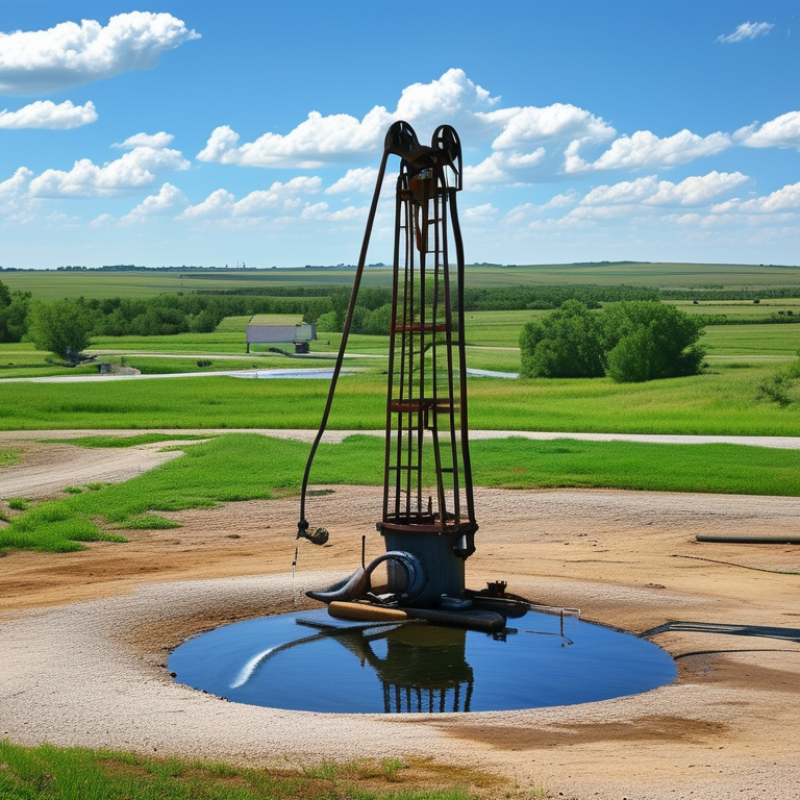
When choosing a well type for your property, several key factors come into play. The depth of the water table in your area is crucial. Shallow wells may be suitable for areas with high water tables, while deep wells are better for regions where the water is deeper underground. Understanding local geology can help you assess your options effectively.
Also, consider the intended use of the water. If it's for irrigation or livestock, you may need a different setup compared to household use. The volume of water required will dictate the pump's capacity and well size. Evaluate your property’s layout and accessibility for equipment installation, as this can affect your choices.
Finally, think about potential maintenance challenges. A deeper well might require special tools for servicing, while shallow wells may be easier to manage. Future water needs should also be considered. Growth might increase demand, so plan accordingly. Reflecting on these aspects will guide you in finding a well type that fits your unique situation.
Understanding Different Types of Water Pumps: Pros and Cons
When selecting a water pump, understanding the different types available is crucial.
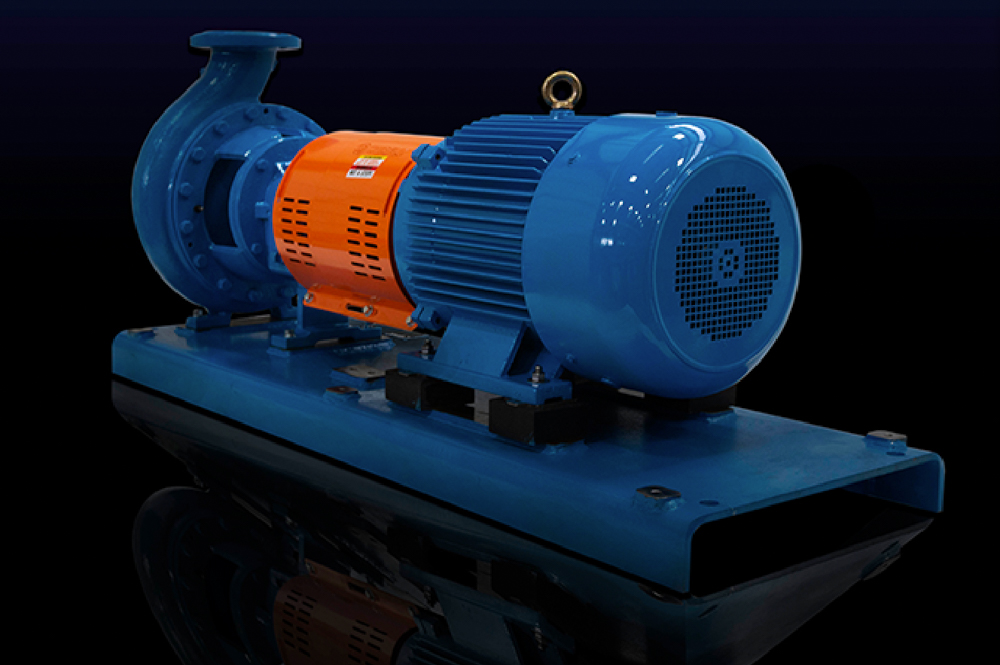
Centrifugal pumps are common for household use. They are efficient and easy to maintain.
However, they may struggle with high-viscosity fluids. Consider where you'll use them.
For deeper wells, submersible pumps are ideal. They can operate underwater and deliver
water effectively. Yet, installation can be complex and costly.
Another type is the jet pump. These pumps are versatile and suitable for shallow and
deep wells. They work by creating a vacuum that pulls water up. However, jet pumps may
require more frequent repairs due to their intricate design. If you need mobility, look
into diaphragm pumps. They're often lightweight and portable. While convenient, they can
be less powerful than other options, limiting their capacity.
Each pump type has its trade-offs. The right choice depends on your specific needs
and setup. Reflect on your water source and usage. Consider the potential for repairs
and energy consumption. This analysis will help avoid unexpected challenges later.
Understanding these pros and cons can lead to better decision-making.
Assessing Water Quality and Yield: Essential Tests and Measurements
Assessing water quality and yield is crucial when selecting the right well and pump for your needs. Reliable data shows that nearly 80% of private wells in the U.S. may experience water quality issues. Tests for contaminants like bacteria, nitrates, and heavy metals are essential. Local health departments typically recommend testing at least once a year. Making informed decisions requires understanding these potential risks.
In addition to quality, measuring water yield is pivotal. A comprehensive report from the U.S. Geological Survey indicates that the average domestic well produces between 5 to 10 gallons per minute. Adequate yield ensures sufficient water supply for household needs. However, it's common to underestimate this during the planning phase. Evaluating your household's demands against these averages can reveal discrepancies, leading to dissatisfaction later.
It's vital to conduct thorough measurements of both water quality and yield. Innovative testing methods today allow for greater accuracy. Yet, many users overlook this step. Ignoring these evaluations can result in long-term issues, such as insufficient supply or health risks from contaminants. Engaging with local experts can provide guidance tailored to your specific situation. This balance of diligence and expertise is essential in making suitable choices for water systems.
Assessing Water Quality and Yield
This bar chart shows the results of essential tests for water quality and yield from different well sites. The parameters tested include pH levels, turbidity (NTU), total dissolved solids (TDS), and yield (GPM).
Sizing Your Pump: Flow Rate and Pressure Requirements Explained
Choosing the right pump requires understanding flow rate and pressure needs. Flow rate is the volume of water a pump can deliver. It is measured in gallons per minute (GPM). For residential use, flow rates typically range from 3 to 10 GPM. This depends on several factors, such as the number of fixtures that will use the water.
Pressure is equally crucial. It is measured in pounds per square inch (PSI). Most household systems require at least 40 PSI for adequate water flow. However, some applications may need higher pressure. For example, irrigation systems often need around 60 PSI to ensure even distribution. When sizing your pump, you must consider both flow rate and pressure to avoid underperformance.
While these metrics provide a good starting point, local conditions can complicate matters. Water table depth and seasonal variations can impact flow and pressure. It's essential to reflect on those aspects. Installing a pump that doesn’t meet actual needs can lead to inefficiencies or failure. Therefore, consulting with professionals in the field may be a smart step. They can help you analyze your specific requirements and recommend suitable solutions based on reliable data.
Cost Analysis: Budgeting for Installation and Maintenance of Wells and Pumps
When budgeting for the installation and maintenance of wells and pumps, a clear understanding of costs is essential. Initial expenses typically include drilling, pumping equipment, and necessary permits. Costs can vary widely based on factors such as depth and location. More challenging terrains might drive up the expenses. Keep in mind that cheaper options may lead to inefficiencies later.
Maintenance costs are often overlooked. Regular check-ups and repairs ensure reliability. Neglecting routine maintenance can result in higher expenses down the line. Water quality testing is crucial, as poor water can damage pumps and compromise health.
Additionally, factor in ongoing costs like electricity and potential insurance. Investing in a quality pump can reduce energy usage. Sometimes, a higher initial cost pays off with long-term savings. Consider lifestyle needs too. If your household has high water use, ensure your pump can keep up. Holistic budgeting helps you avoid future financial surprises.