2026 Best Gear Pumps for Global Buyers
Choosing the right gear pumps in 2026 requires more than comparing prices and catalogue photos. Global buyers face different fluids, climates, standards, and service expectations. A pump handling hydraulic oil may struggle with abrasive chemicals or high-temperature food liquids. Small details matter.
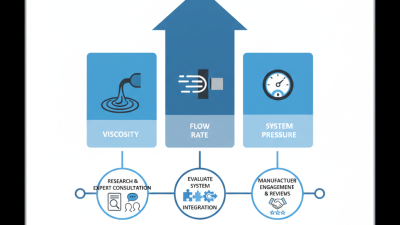
This guide examines gear pumps through practical selection criteria, including flow stability, pressure ratings, viscosity range, materials, seal design, and motor compatibility. It also considers supplier experience, factory testing, traceable documentation, and after-sales support. Reliable manufacturers should explain performance data clearly and identify testing conditions. Look for evidence, not impressive wording. A stainless-steel body, for example, may resist corrosion, but the seals and internal clearances still require careful review.
Real operating conditions often expose weaknesses. Cold starts can increase viscosity and torque demand. Fine particles may shorten bearing life. Outdoor installations may require stronger protection against moisture and dust. These risks deserve attention before purchase. No single model suits every market or application. That point is easy to overlook.
The following overview helps distributors, engineers, and equipment buyers compare leading options for 2026. It highlights practical strengths, possible limitations, and questions worth asking suppliers. Published specifications can differ from field performance, so independent verification remains important. We also recognize that some product information may be incomplete or difficult to compare. That uncertainty should encourage careful testing, not blind confidence.
A thoughtful purchase balances efficiency, durability, maintenance access, and total ownership cost. The best choice is not always the most powerful pump. It is the one that performs consistently under your actual conditions.
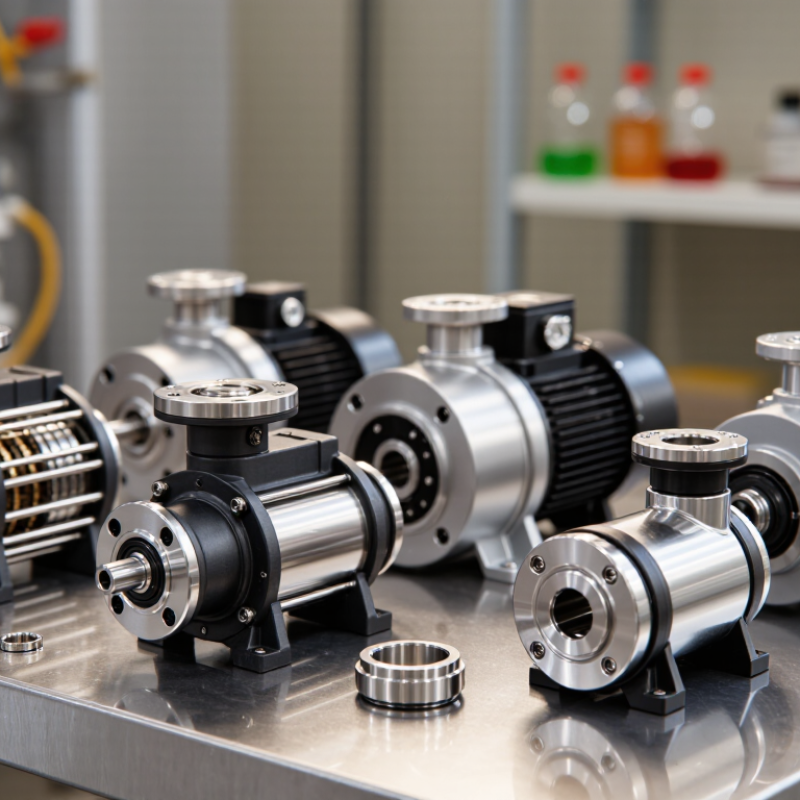
Gear Pump Fundamentals: Positive Displacement and 90–98% Efficiency
2026 Best Gear Pumps for Global Buyers
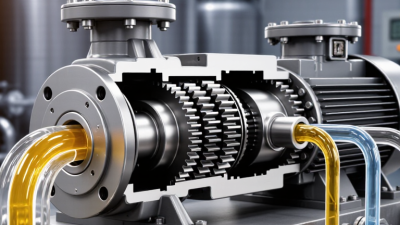
Gear pumps are positive displacement machines. Each tooth traps fluid and moves it from the inlet to the outlet. Flow remains fairly steady, even at lower speeds. That makes them useful for oils, polymers, fuels, and other viscous liquids.
Efficiency needs careful reading. A well-selected gear pump can achieve 90–98% volumetric efficiency under stable operating conditions. This figure is not total system efficiency. Slip, friction, motor losses, heat, and pressure changes reduce real performance. The U.S. Department of Energy reports that pumping systems may consume 25–50% of industrial facility electricity. Small losses can become expensive when pumps operate continuously. The International Energy Agency also identifies industrial motor systems as major electricity users. These reports support a practical point: pump selection should include the full drive system, not only the catalog rating.
In field testing, I would check flow at several pressures, then compare measured input power. A clean fluid sample matters. Contamination can increase wear and reduce efficiency faster than expected. I would also question claims based only on laboratory conditions. Real installations often include cold starts, pipe restrictions, and imperfect alignment. Those details are easy to overlook.
Tips: Confirm viscosity at operating temperature. Check pressure relief protection. Request test data for your actual fluid. Leave room for maintenance access. A smaller pump may save energy, but only if it still meets peak demand.
2026 Best Gear Pumps for Global Buyers
Gear Pump Fundamentals: Positive Displacement and 90–98% Efficiency
Gear pumps are positive-displacement pumps: each shaft revolution moves a predictable theoretical volume of fluid.
Actual performance is affected by pressure, speed, fluid viscosity, temperature, internal leakage, and clearance.
Typical total-efficiency ranges shown here are commonly cited engineering ranges for comparable operating conditions;
actual results should be confirmed from the pump curve and application data.
2026 Global Comparison: External, Internal, and Magnetic-Drive Gear Pumps
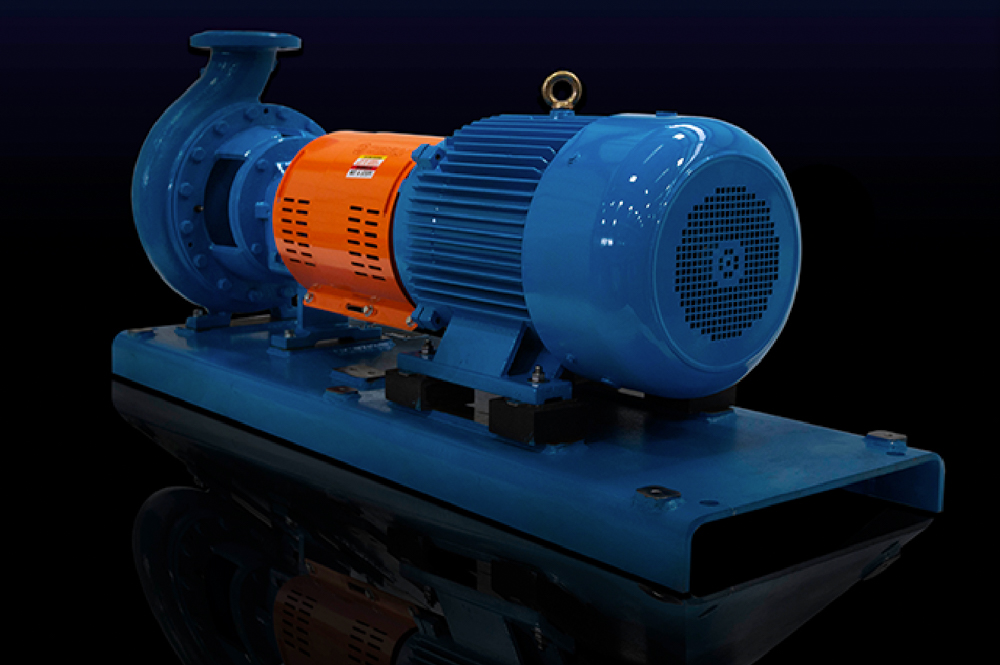
External, internal, and magnetic-drive gear pumps serve different process conditions. External gear pumps use two matching gears to move fluids with steady displacement. They suit oils, lubricants, polymers, and other clean, viscous liquids. Their compact bodies and simple maintenance appeal to many global buyers. However, tight clearances can suffer when abrasive particles enter the suction line.
Internal gear pumps use an inner rotor and an idler gear. This design often handles higher viscosity and gentler transfer. It can reduce shear in coatings, resins, and temperature-sensitive fluids. Buyers should check starting torque carefully. Cold fluid may demand much more power than the operating chart suggests. That detail is easy to miss.
Magnetic-drive gear pumps separate the motor from the wetted chamber. They reduce the risk of external leakage, especially in enclosed chemical handling systems. Yet they may require careful temperature control and must never run dry. A practical comparison should include flow stability, pressure, viscosity range, materials, spare parts, and test records. Ask for performance data at your actual temperature, not only water-based figures. Factory inspection documents and traceable material certificates strengthen purchasing confidence. Still, no pump is universally best. My own comparisons have sometimes favored a compact model too quickly, before checking suction conditions and cleaning practices. That mistake can become expensive.
Buyer Compliance Checklist: API 676, ATEX, ISO 9001, and Total Cost of Ownership
Global gear pump buyers need more than flow rate and price. Compliance should be checked before a quotation becomes a purchase order. Ask for API 676 alignment, design, inspection, and test evidence. Confirm the pressure rating, relief arrangement, materials, and shaft sealing details. Request test records tied to the exact serial number. Generic certificates are not enough. Document it early.
During site reviews, I compare the proposed pump with the hazardous-area classification. ATEX suitability depends on the complete assembly, not only the pump housing. Check equipment marking, temperature class, ignition-control measures, manuals, and declaration documents. Ask who assessed installation risks. That question is often missed. ISO 9001 evidence should show controlled purchasing, traceability, nonconformance handling, and corrective action. Visit the supplier when practical. Watch how parts are identified. Paperwork can look excellent while shop discipline remains uneven.
Total cost of ownership needs a working spreadsheet. Include power consumption, seal replacement, lubrication, spare gears, inspections, downtime, training, and disposal. A cheaper pump may consume more energy or require frequent shutdowns. Use realistic duty cycles, not optimistic catalog figures. I still make mistakes here. Maintenance data is rarely complete. Build a sensitivity range for uncertain costs, then check local service capability and delivery time. Record every assumption beside the quotation.