Choosing reliable foot parts suppliers can influence comfort, safety, product durability, and production consistency. This guide examines ten established suppliers serving footwear manufacturers, repair businesses, orthopedic brands, and custom makers worldwide. It considers more than catalog size or search rankings. Materials, molding accuracy, surface finish, sizing options, packaging, and delivery reliability also matter. A heel counter may look simple, yet a small dimensional error can affect fit and stability.
The comparison focuses on practical evidence. Supplier experience, technical documentation, quality controls, customer feedback, and international support receive careful attention. Certifications can strengthen confidence, but they should not replace sample testing or factory communication. Buyers should request material specifications, tolerance data, production samples, and clear warranty terms before placing large orders. Important details include rubber hardness, foam density, adhesive compatibility, and resistance to moisture or repeated wear. Some suppliers excel at high-volume production, while others provide better customization for smaller projects. Neither option is automatically superior.
This ranking is not absolute. Market conditions change.
Prices, capacities, and certifications may also change. Therefore, readers should verify current information directly with each company. The selected suppliers represent useful starting points, not guaranteed choices for every application. A careful purchasing decision combines documented performance with hands-on evaluation. In the end, the best foot parts supplier is the one that consistently matches the product’s technical needs, budget, timeline, and quality expectations.
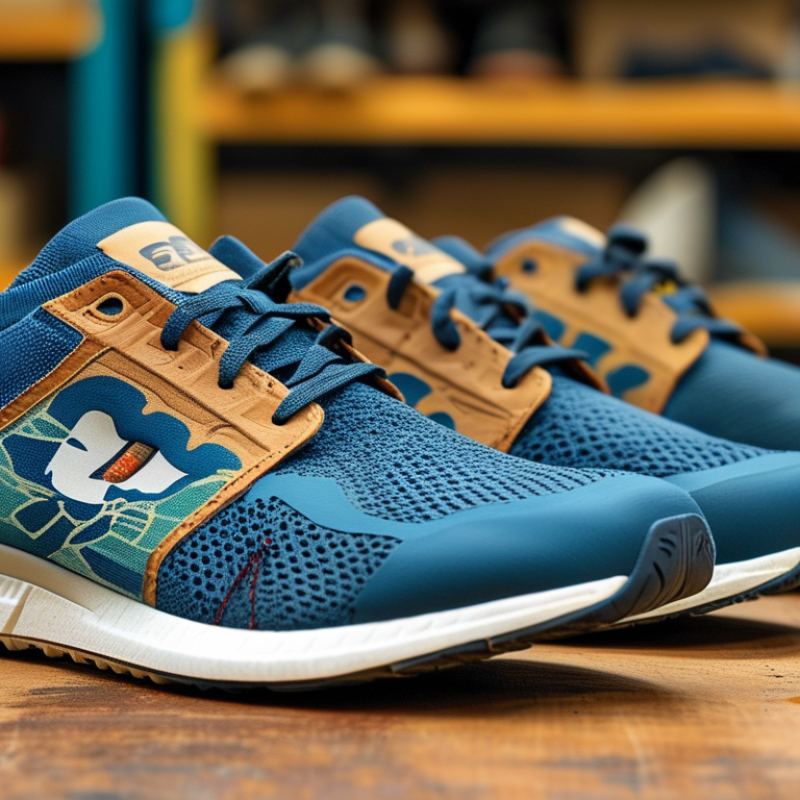
Foot parts are the components that shape, support, protect, and finish a shoe. They include insoles, outsoles, heels, toe caps, heel counters, shanks, wedges, pads, and fastening pieces. Some suppliers sell raw sheets and molded materials. Others deliver ready-to-install components for casual, work, athletic, or specialized footwear.
Reliable suppliers usually provide several sole options, such as rubber, polyurethane, thermoplastic rubber, and lightweight foam. Their product ranges may also include leather or synthetic insoles, cushioning pads, heel lifts, arch supports, and protective toe structures. Experienced buyers should request material specifications, hardness data, flex testing, abrasion results, and slip-resistance information. Small details matter. A sole that looks durable may become stiff in cold conditions. A soft insole may compress too quickly after repeated use.
Quality control should cover size accuracy, bonding strength, color consistency, and batch traceability. Suppliers with technical teams can help adjust mold dimensions, density, and surface patterns. They should also explain testing methods clearly, rather than offering vague performance claims. Samples are essential, but one sample is not enough. Wear trials under realistic conditions reveal problems that factory inspection may miss. I have found that comfort often depends on how several parts work together, not on one impressive component. That assumption deserves regular review.
A practical overview of the main global supplier segments that manufacture or distribute components used in footwear production.
| Rank | Supplier Segment | Main Foot Parts | Common Materials | Typical Manufacturing Processes | Typical End Uses | Global Supply Strength |
|---|---|---|---|---|---|---|
| 1 | Outsole and Rubber-Compound Suppliers | Rubber outsoles, rubber sheets, tread units, heel pieces | Natural rubber, synthetic rubber, thermoplastic rubber, fillers and pigments | Compounding, calendering, compression molding, injection molding and vulcanization | Work shoes, casual shoes, boots, outdoor footwear and athletic footwear | High-volume production and durable traction solutions |
| 2 | EVA and Foam-Component Suppliers | Midsoles, insoles, footbeds, cushioning pads and lightweight soles | EVA, polyethylene foam, polyurethane foam and blended foam compounds | Foam expansion, compression molding, die cutting, laminating and CNC shaping | Running shoes, slippers, sandals, recovery footwear and children's footwear | Lightweight construction, shock absorption and scalable customization |
| 3 | Polyurethane Sole-System Suppliers | PU outsoles, dual-density soles, midsoles and complete sole units | Polyether or polyester polyurethane systems, pigments and additives | Reaction injection molding, direct soling, two-color molding and bonding | Safety footwear, comfort shoes, work boots and uniform footwear | Comfort, abrasion resistance and integrated sole construction |
| 4 | Leather and Synthetic Upper-Material Suppliers | Shoe uppers, vamp panels, quarters, tongues and overlays | Leather, microfiber, coated textiles, polyurethane-coated fabrics and mesh | Tanning, coating, embossing, laminating, cutting and surface finishing | Formal shoes, fashion footwear, sports shoes and protective footwear | Broad material selection and large-scale upper production support |
| 5 | Textile, Mesh and Knitted-Upper Suppliers | Knitted uppers, mesh panels, linings, collars and breathable inserts | Polyester, nylon, cotton, recycled fibers, elastane and engineered yarns | Warp knitting, circular knitting, weaving, dyeing, printing and lamination | Athletic shoes, lifestyle footwear, summer shoes and lightweight work shoes | Breathability, low weight and efficient material utilization |
| 6 | Insole and Footbed Suppliers | Removable insoles, sockliners, orthotic footbeds and arch-support inserts | Foam, felt, textile, leather, cork, gel and thermoplastic materials | Die cutting, molding, thermoforming, laminating, printing and stitching | Comfort shoes, medical footwear, safety shoes and everyday footwear | Ergonomic support, cushioning and moisture-management options |
| 7 | Footwear Hardware and Fastener Suppliers | Eyelets, hooks, buckles, snaps, rivets, zippers and lace accessories | Steel, aluminum, brass, zinc alloys, plastics and coated metals | Stamping, die casting, machining, plating, coating and assembly | Boots, hiking footwear, fashion shoes, work shoes and children's footwear | Reliable fastening systems and extensive finish customization |
| 8 | Lace, Webbing and Elastic Suppliers | Shoelaces, elastic bands, drawcords, webbing straps and binding tape | Polyester, nylon, polypropylene, cotton, recycled fibers and rubber yarns | Braiding, weaving, knitting, dyeing, waxing, printing and heat cutting | Sports shoes, casual shoes, children's shoes, boots and sandals | High color variety, flexible sizing and automated-order compatibility |
| 9 | Toe-Puff, Counter and Structural-Component Suppliers | Toe puffs, heel counters, stiffeners, shank pieces and reinforcement sheets | Thermoplastic sheets, nonwoven materials, woven fabrics, leather fiber and resin systems | Impregnation, heat setting, die cutting, molding and adhesive coating | Dress shoes, boots, uniform footwear and structured casual shoes | Shape retention, heel stability and improved upper durability |
| 10 | Sole-Assembly and Custom-Component Suppliers | Preassembled sole units, custom heels, wedges, platforms and molded accessories | Rubber, EVA, PU, PVC, TPU, wood, cork and composite materials | CNC machining, molding, bonding, pressing, grinding, painting and final assembly | Fashion footwear, orthopedic footwear, performance footwear and small-batch collections | Integrated sourcing, prototyping and design-to-production support |
Foot parts are the individual components used to construct footwear. They generally include upper materials, soles, midsoles, outsoles, insoles, footbeds, heel components, structural reinforcements, fasteners, laces and decorative or protective accessories.
Buyers commonly compare material consistency, dimensional accuracy, testing capability, production capacity, customization support, minimum order requirements, compliance documentation, lead time, quality control and the supplier's ability to meet the technical requirements of the finished footwear.