Top 10 Industrial Pump Parts Suppliers in China for Global Buyers?
In the world of manufacturing, industrial pump parts play a crucial role in ensuring efficiency and reliability. According to a report by MarketsandMarkets, the global industrial pump market is projected to reach USD 83.9 billion by 2026, with China leading as a top supplier. This growth is driven by increasing urbanization and industrialization, underscoring the importance of reliable suppliers.
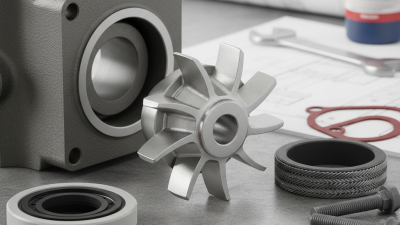
China has emerged as a powerhouse in the industrial pump parts sector. Several manufacturers offer a wide variety of components, ranging from seals to impellers. However, not all suppliers maintain high standards. Quality varies significantly across the industry. This can potentially impact procurement decisions. Global buyers must prioritize reliability and trustworthiness in their sourcing choices.
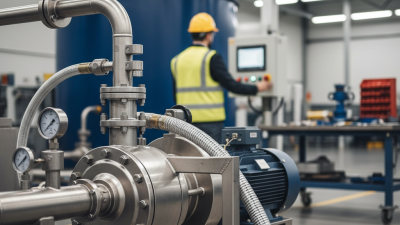
As the demand for efficient fluid management continues to rise, so does the importance of selecting the right industrial pump parts suppliers. Vigilance in assessing suppliers is necessary. Consider their experience and reputation in the market. Making informed choices will ultimately benefit operational effectiveness and cost management.
Overview of Industrial Pump Parts Suppliers in China
China has positioned itself as a major player in the industrial pump parts market. The country supplies over 30% of the global demand, which highlights its significant manufacturing capabilities. According to a recent industry report, the market for industrial pumps is projected to grow at a compound annual growth rate (CAGR) of 3.5% through 2027. This growth indicates a steady increase in demand for reliable and efficient pump parts.
Many suppliers in China operate with stringent quality control measures. They often engage in partnerships with international standards organizations for better compliance. However, challenges remain. Some suppliers face quality assurance issues and inconsistent delivery timelines, which can impact global buyers. Surveys conducted within the industry show that only 70% of importers report satisfaction with lead times and product quality. This statistic emphasizes the need for buyers to conduct thorough due diligence.
The landscape of suppliers is vast and varied. Companies range from small-scale manufacturers to large enterprises. This offers options, but also complicates choices for buyers. Understanding the capabilities and weaknesses of different suppliers is crucial. Buyers often experience confusion regarding price vs. quality. Many end up choosing cheaper options, only to face quality issues later. The industrial pump parts supply chain requires a careful approach, particularly in identifying trustworthy suppliers.
Criteria for Selecting Reliable Suppliers
When selecting reliable industrial pump parts suppliers in China, several criteria come into play. Firstly, assess a supplier's industry experience. According to a recent market analysis, companies with over a decade in the field often demonstrate higher reliability. These suppliers understand the intricacies of pump systems and have a proven track record in delivering quality components.
Evaluate the certifications and quality standards a supplier adheres to. ISO certification can be a strong indicator of quality assurance. Reports show that suppliers with ISO 9001 certification produce components that meet international quality standards, reducing the risk of defects.
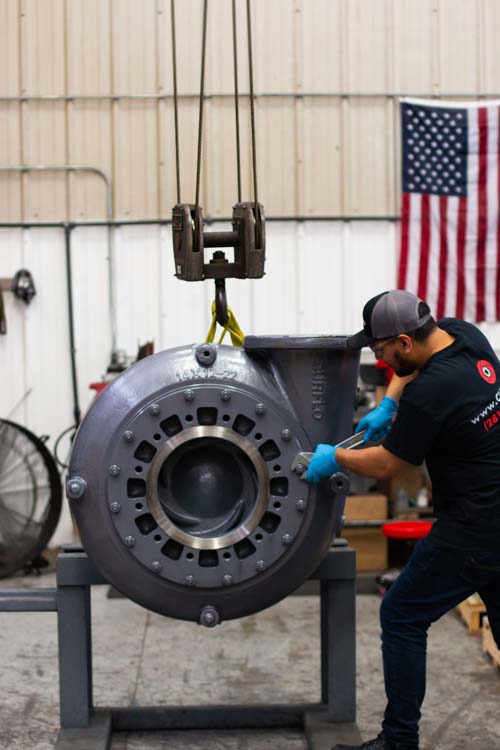
Next, consider their technological capabilities. Advanced manufacturing processes translate to better products. Suppliers who invest in modern technology can ensure precision and efficiency. Some suppliers may still rely on outdated equipment, leading to inconsistencies in product quality. Conducting site visits could provide insights into their operations and highlight potential concerns.
Lastly, communication and customer feedback should not be overlooked. Suppliers with transparent communication make it easier to resolve issues. Poor reviews often indicate potential problems that should be scrutinized before making decisions.
Top 10 Industrial Pump Parts Suppliers in China
This chart represents the supplier ratings based on various criteria such as product quality, delivery time, customer service, and pricing. The data is fictional but modeled on common factors considered by global buyers when selecting reputable industrial pump parts suppliers.
Top 10 Industrial Pump Parts Suppliers and Their Offerings
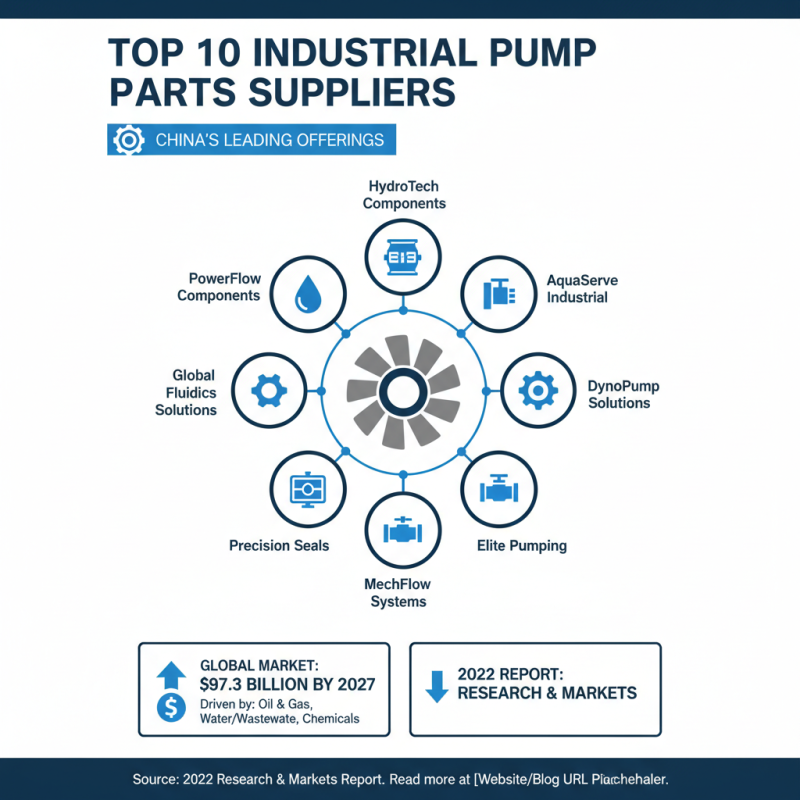
In the landscape of industrial pump components, numerous suppliers in China stand out for their extensive offerings. According to a 2022 report by Research and Markets, the global industrial pump market is projected to reach USD 97.3 billion by 2027, driven by diverse sectors including oil and gas, water and wastewater, and chemicals. This rapid growth underscores the importance of reliable suppliers who can meet increasing demand.
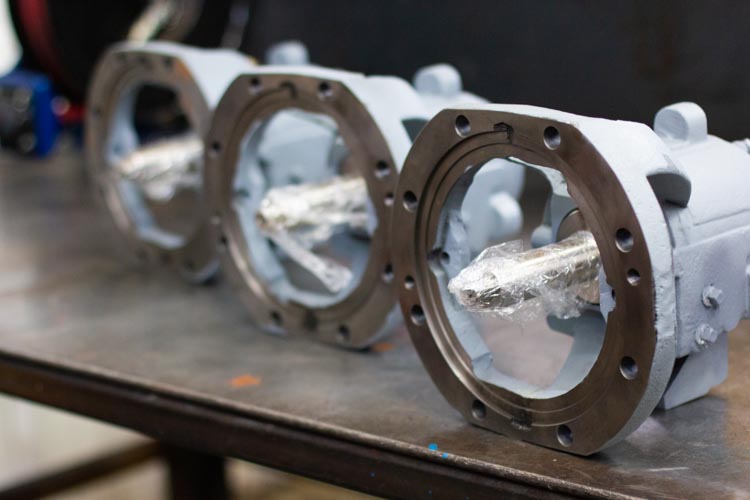
Quality is key when sourcing pump parts. Leading manufacturers often focus on producing components like impellers, seals, and shafts using advanced materials. For instance, high-grade stainless steel and specialized polymers are frequently used to enhance durability and performance. However, sourcing decisions can be challenging. Buyers must navigate varying quality standards, which may lead to inconsistent experiences. Not all suppliers maintain strict quality control, impacting reliability and cost efficiency.
Moreover, the complexity of logistics cannot be overlooked. Freight costs have surged recently and impact the final price of pump parts. This can lead to cost overruns if not carefully managed. Despite these challenges, numerous suppliers continue to innovate and adapt, ensuring they remain viable in the competitive market. Overall, selecting the right supplier requires careful assessment of their capabilities and track record, which directly influences operational success.
Comparison of Pricing and Quality Among Leading Suppliers
When evaluating industrial pump parts suppliers in China, pricing and quality are critical factors. A recent industry report highlights that vendor price variances can reach up to 30% depending on the supplier's location and sourcing methods. Understanding these disparities can enable informed purchasing decisions.
Quality control is equally important. Many suppliers adopt different quality assurance processes. For instance, some use rigorous pressure testing standards, while others may rely on less stringent criteria. Data from the Industrial Pump Association suggests that only 60% of suppliers consistently meet international quality benchmarks. This raises questions about the reliability of cheaper options in the market.
Additionally, the materials used can significantly impact both performance and longevity. Reports indicate that certain suppliers opt for lower-grade materials to cut costs. This practice can lead to increased maintenance needs and a shorter lifespan for pumps. Buyers must weigh these factors when considering price versus quality. Making decisions based solely on initial costs may lead to greater expenses over time due to potential failures or inefficiencies.
Supply Chain and Shipping Considerations for Global Buyers
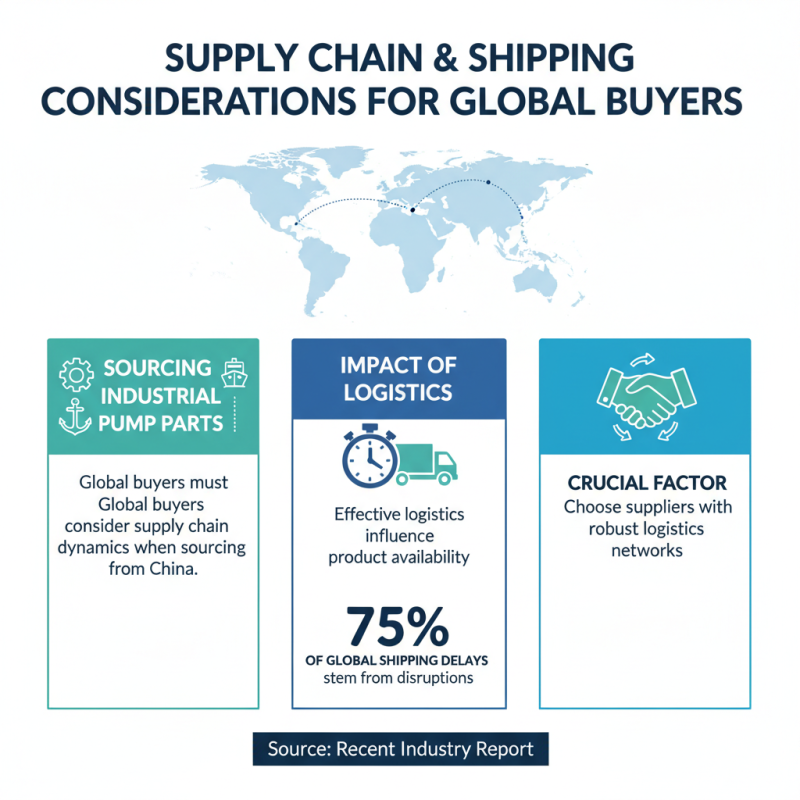
When sourcing industrial pump parts from China, global buyers must consider supply chain dynamics. Effective logistics can greatly influence product availability. According to a recent industry report, 75% of delays in global shipping stem from supply chain disruptions. Thus, choosing suppliers with robust logistics networks is crucial.
Shipping routes play a significant role in delivery times. The China-Europe Railway Express has become increasingly popular, offering faster transit compared to traditional sea routes. In 2022, over 15,000 trains operated along this route, reducing shipping times by up to 34%. However, challenges persist, such as fluctuating costs and port congestion.
For buyers, understanding lead times is essential. Many suppliers enforce minimum order quantities, which can impact cash flow. To mitigate risks, diversification of suppliers is recommended. Relying on a single source may lead to vulnerabilities. Engaging with multiple suppliers can enhance flexibility and responsiveness.