Top 10 Priming Pump Types for Global Buyers
Choosing the right priming pump can determine whether a fluid system starts smoothly or stalls under pressure. For global buyers, the decision involves more than flow rate and price. It requires attention to fluid viscosity, suction lift, temperature, installation space, maintenance access, and local power conditions. This guide examines the top 10 priming pump types used across industrial, agricultural, marine, construction, and water-handling applications.
Each pump type offers a different balance of performance, durability, and operating cost. Some models suit clean water, while others handle abrasive liquids or air-filled suction lines more effectively. A self-priming centrifugal design may simplify daily operation, but a positive displacement option can provide steadier delivery in demanding systems. Small details matter. Seal materials, inlet diameter, control settings, and spare-parts availability can strongly affect long-term reliability.
The comparison reflects practical equipment-selection principles and common field experience, not a one-size-fits-all formula. Manufacturer data remains essential before purchase. That assumption can fail. A pump rated for a certain flow may perform differently after changes in pipe length, elevation, or liquid temperature. Buyers should verify test conditions, technical documentation, warranty terms, and service support with qualified suppliers. The goal is not merely to identify a powerful priming pump, but to select a dependable unit that fits the complete system and remains supportable across its working life.
Priming Pump Basics: Purpose, Operation, and Selection Criteria
Top 10 Priming Pump Types for Global Buyers
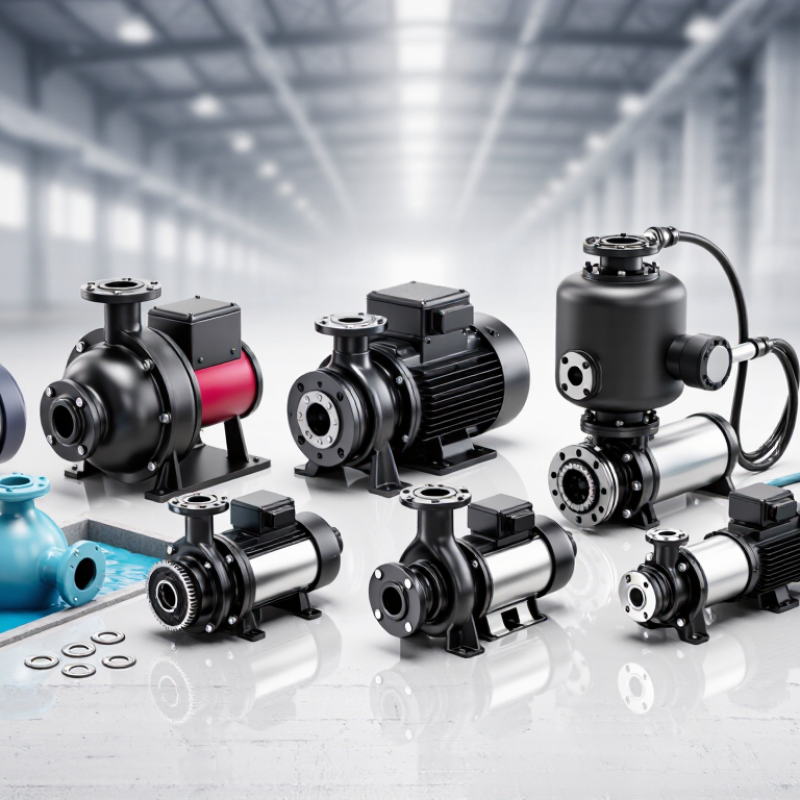
Priming pumps remove air from suction lines before liquid enters the main pump. Without proper priming, the pump may run dry, overheat, or lose delivery pressure. Common options include self-priming centrifugal, diaphragm, piston, vacuum-assisted, rotary vane, and liquid-ring designs. Each type suits different fluids, lift heights, and operating conditions.
Operation is practical but not automatic. The priming unit creates suction, displaces trapped air, and establishes a continuous liquid path. Check valve quality matters. So does suction-pipe sealing. Even a tiny leak can extend priming time and reduce capacity. In field inspections, poor pipe layout often causes more trouble than the pump itself. That point deserves attention.
Tips: Confirm the required suction lift, flow rate, fluid temperature, and viscosity. Ask whether the fluid contains solids or corrosive chemicals. Select wetted materials carefully. Verify the pump’s dry-running limits and maintenance access. A larger pump is not always safer. Oversizing may increase energy use and create unstable operation. Buyers should also request tested priming time, duty-cycle data, and installation guidance. Local voltage and safety requirements need checking before purchase. Some specifications look complete but omit seasonal temperature changes. That omission can matter.
Centrifugal Priming Pumps for High-Flow Water Transfer
Top 10 Priming Pump Types for Global Buyers
Centrifugal Priming Pumps for High-Flow Water Transfer
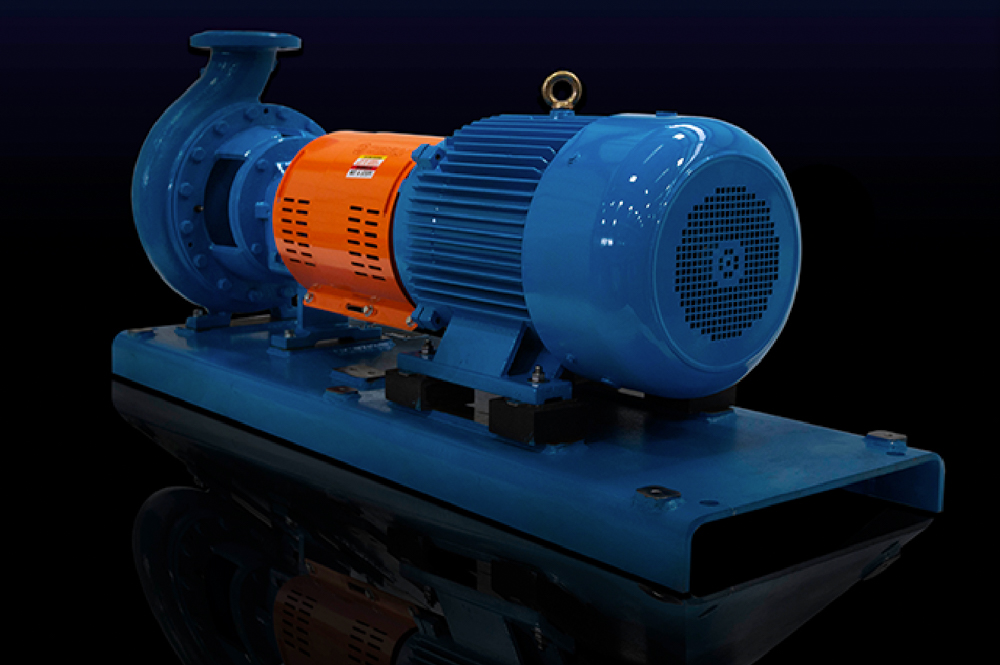
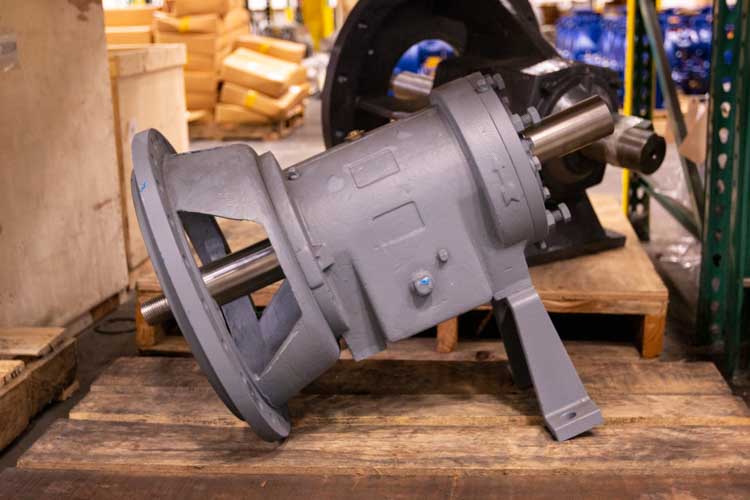
Centrifugal priming pumps remain practical for high-flow water transfer. They move large volumes through pipelines, tanks, drainage channels, and temporary bypass systems. Their self-priming design reduces manual filling after air enters the suction line. However, suction lift, pipe length, and water temperature still affect performance.
The U.S. Department of Energy reports that pumping systems can represent about 20% of industrial electricity use. Correct sizing matters. A pump with excessive head may waste energy and cause unstable flow. UNESCO’s World Water Development Report 2024 notes that agriculture accounts for roughly 70% of global freshwater withdrawals. This supports demand for efficient transfer equipment, especially where irrigation and bulk-water systems operate daily.
Tip: Check total dynamic head, not flow alone. Confirm NPSH requirements before purchase. Use a strainer for debris, but avoid excessive restriction. Field experience shows that many failures begin with undersized suction pipes. A larger pump is not automatically safer. It may cycle poorly, consume more energy, and damage piping. Select corrosion-resistant materials when water quality is uncertain. Also, verify dry-run protection and service access. Some specifications look convincing on paper, yet real installation conditions can differ. Recheck the figures.
Self-Priming Pumps for Reliable Fluid Handling
Top 10 Priming Pump Types for Global Buyers
Self-Priming Pumps for Reliable Fluid Handling
Global buyers often compare centrifugal, diaphragm, rotary, jet, vacuum-assisted, and other priming pump designs. Self-priming centrifugal pumps remain practical for many water, drainage, and light industrial duties. Their casing retains enough liquid to remove air from the suction line. This reduces manual filling during routine operation. However, the pump must be installed within its specified suction lift.
Reliable fluid handling starts with clear operating details. Check liquid temperature, viscosity, solids content, and expected flow before selecting a pump. A self-priming unit may handle intermittent air entry better than a standard centrifugal pump. It still needs correct pipe sizing and a leak-free suction connection. Small air leaks can cause noisy running, delayed priming, or repeated shutdowns.
Field technicians commonly inspect the foot valve, gaskets, and casing level during commissioning. These simple checks prevent many avoidable failures. Keep the suction pipe short and gently sloped where possible. Avoid sharp elbows near the inlet. That assumption can fail. A pump rated for clear water may struggle with abrasive particles or thick fluids. Buyers should also request test data, maintenance intervals, materials, and documented performance curves. I would not choose from flow rate alone; real site conditions often expose the missing detail.
Comparing Priming Pump Types for Global Purchasing Decisions
Top 10 Priming Pump Types for Global Buyers
Comparing priming pump types requires more than checking flow rate. The common options include manual piston, diaphragm, air-operated diaphragm, jet, ejector, vacuum-assisted, liquid-ring vacuum, rotary-vane vacuum, self-priming centrifugal, and positive-displacement pumps. Each suits a different suction lift, fluid viscosity, and solids load. A jet pump may handle intermittent water transfer, while a diaphragm pump tolerates dry running better. A rotary-vane unit can create strong vacuum, but oil contamination may become a concern.
The U.S. Department of Energy reports that pumping systems can consume 25% to 50% of an industrial facility’s electricity. The IEA’s Energy Efficiency 2023 report also states that electric motor systems use about 53% of global electricity. Therefore, buyers should compare total operating cost, not only purchase price. For a wastewater site, check solids passage, elastomer compatibility, noise, and maintenance access. For a chemical facility, review materials, seal design, and emergency containment. Small details matter. A five-meter suction lift can change the decision.
A self-priming centrifugal pump often offers simple installation and high flow. However, it may lose performance with air leaks or thick liquids. Positive-displacement designs provide steadier delivery, yet their relief protection needs careful verification. My ranking remains imperfect because climate, service skills, and spare-part availability vary widely. A technically efficient pump can still be a poor global purchase when local technicians cannot repair it. Ask for tested performance curves, documented efficiency data, and realistic priming times before approval.