Cost of Repairing vs. Replacing ANSI Pumps: A Comprehensive Analysis

Blog

How to Choose the Best Pumping Solutions for Your Needs?

Choosing the right pumping solutions for your needs is crucial in various industries. According to a report by MarketsandMarkets, the global pumps market is expected to reach $85 billion by 2026, indicating robust demand. This growth underscores the importance of selecting efficient and reliable equipment.

Organizations face unique challenges when selecting pumps. The right solution depends on fluid types, flow rates, and specific applications. Many companies struggle to identify which pumping solutions best meet their operational needs. Moreover, efficiency can vary significantly between different pump types. For instance, centrifugal pumps may be ideal for low-viscosity fluids, whereas positive displacement pumps excel with thicker liquids.

Choosing a pump also requires focusing on maintenance and operating costs. A more expensive option may provide greater long-term savings if it operates more efficiently. Therefore, understanding both upfront costs and ongoing performance is vital. With so many options, it can be overwhelming. Reflecting on specific operational requirements is essential in making an informed decision.
How to Choose the Best Pumping Solutions for Your Needs?

Understanding Different Types of Pumping Solutions Available in the Market

Choosing the right pumping solution can significantly impact efficiency and productivity. Various types exist in the market, each designed for specific applications. Centrifugal pumps, for instance, are ideal for transferring fluids at low viscosity. Positive displacement pumps, on the other hand, excel in handling thicker fluids. Understanding these differences is crucial for effective decision-making.

When selecting a pump, consider your fluid type and flow rate requirements. How much material do you need to move? What is its viscosity? These factors dictate which pump style is most suitable. It's essential to gather accurate data to avoid mismatches. Conducting thorough research can prevent costly mistakes.

**Tips:** Assess the environment where the pump will operate. A tank or well might require a different approach than industrial settings. Also, evaluate maintenance needs. Some pumps need regular upkeep; others are more self-sufficient. Reliable information is critical to ensure long-term functionality. Engage with professionals to gain insights and avoid potential pitfalls. Seeking expert advice can guide you through complex features and specifications.
Understanding Different Types of Pumping Solutions

This chart illustrates the market share of different types of pumping solutions available, highlighting the prevalence and applications of each category in industrial and commercial settings.

Evaluating Your Specific Needs and Requirements for Pumping Applications

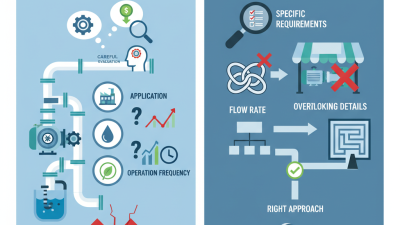
Evaluating your specific pumping needs is crucial. Different applications demand different solutions. For instance, consider the type of fluid you will be pumping. Is it thick or thin? Corrosive or neutral? Each characteristic affects the choice of pump. A clear understanding of these factors helps in avoiding costly mistakes.

Next, think about the required flow rate. Will the pump need to operate continuously or intermittently? This decision impacts the design and efficiency of the pumping system. Also, consider the environment where the pump will operate. Will it be exposed to extreme temperatures or pressures? Failing to account for environmental factors can lead to pump failure.

Lastly, reflect on maintenance needs. Some pumps require more care and servicing than others. A high-maintenance pump can disrupt operations. Assessing your team's expertise is also important. If your staff lacks experience, a simpler design might be more reliable. Remember, the ideal solution balances performance with practicality.

Key Factors to Consider When Selecting a Pumping Solution

Selecting the right pumping solution involves several critical factors. Begin with understanding the specific requirements of your project. Is it for water, chemicals, or slurry? Each fluid has different properties. Consider flow rates and pressure. Knowing these helps determine the pump type and size needed.

Next, think about the environment in which the pump will operate. Will it face high temperatures or corrosive substances? This can impact materials and pump design. Energy efficiency is another vital element. An efficient pump saves costs in the long run but may come with a higher initial investment.

Don't overlook availability and support. Local suppliers may offer faster service, but ensure they understand your needs. Sometimes, options appear ideal until you consider their application limitations. Assessing these factors thoroughly can lead to more informed decisions. Doing so helps avoid common pitfalls and enhances reliability in your pumping solutions.

Comparing Cost Efficiency and Performance of Pumping Systems

When evaluating pumping systems, understanding cost efficiency and performance is crucial. According to the American Society of Mechanical Engineers (ASME), energy costs can account for up to 90% of the lifecycle costs of a pump. This statistic highlights the importance of selecting a pump that not only meets operational needs but also minimizes energy consumption.

Efficiency ratings often vary significantly among different types of pumps. For instance, centrifugal pumps typically provide higher flow rates at lower pressure, while positive displacement pumps excel in high-viscosity applications. A recent study by the Hydraulic Institute indicates that optimizing pump selection can lead to energy savings of 30% or more. However, the efficiency of a system can be undermined by improper sizing or malfunctioning components.

Performance isn’t solely about energy use. Maintenance and reliability are essential for long-term operation. The estimated average annual maintenance cost for pumping systems can range from 2% to 5% of the initial purchase price, as noted in industry reports. Regular checks on seals, bearings, and impellers can prevent costly downtimes. Evaluating these aspects helps refine choices based on specific needs while acknowledging that even the best systems require periodic reassessment.

Maintenance and Support Considerations for Pumping Solutions

When selecting a pumping solution, maintenance and support are crucial factors. A reliable pump needs regular upkeep to function well. Oversight can lead to unexpected breakdowns, which may disrupt operations. Ensuring you understand the basic maintenance requirements can save time and costs in the long run.

Look for solutions that offer robust customer support. Quick access to technical assistance can make a significant difference. It's vital to evaluate the availability of service technicians. Understanding response times can provide peace of mind. Spare parts should also be easy to obtain. This can help you avoid lengthy downtimes.

Consider the support you will receive post-purchase. Training for staff is essential. A knowledgeable team can address minor issues independently. However, it's important to recognize that some problems may still require professional hands. Not all solutions are foolproof, and adaptability is key. Balancing ease of maintenance with effectiveness will lead to better outcomes.

Proud Member Of Curry Supply Holdings
Since 1932

Tour Our State-of-the-Art Facility

Click for a Quick Quote