2026 Top Pump Skid Packages for Global Buyers Insights?
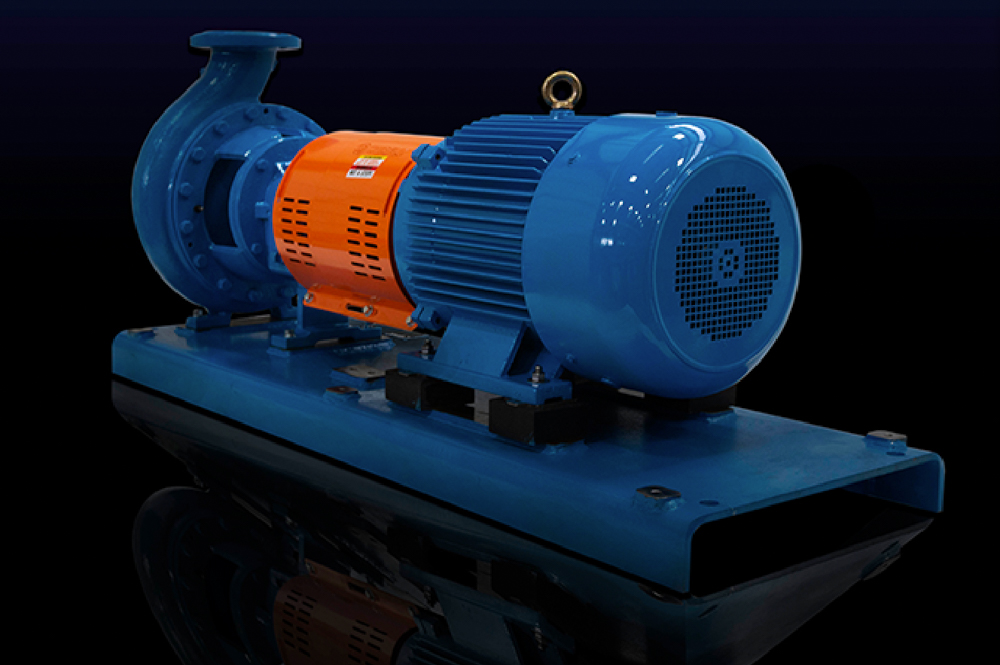
As the demand for efficient fluid transfer grows, 2026 promises exciting developments in pump skid packages. Industry expert Dr. Emily Harris, a leading consultant in hydraulic systems, notes, “Pump skid packages are essential for optimizing performance in various applications.” This highlights the increasing importance of these systems in diverse industries worldwide.
The market is evolving rapidly. Buyers are seeking high-quality, customizable solutions tailored to unique operational needs. Key factors include energy efficiency, ease of installation, and reliability. This year, innovation will drive the design of pump skid packages, making them more adaptable than ever.
Amid these advancements, challenges remain. Manufacturers face pressure to meet stricter environmental regulations while maintaining cost-effectiveness. This creates a balancing act between innovation and compliance. Stakeholders must reflect on their strategies to stay competitive in this dynamic landscape. Investment in technology and talent is crucial as the industry progresses.

2026 Global Pump Skid Package Market Overview and Trends
The global pump skid package market is projected to reach a significant valuation by 2026. Current insights show a compound annual growth rate (CAGR) of around 5.7% between 2021 and 2026. This growth is driven by rising demand in industries such as oil and gas, water treatment, and construction. Enhanced pump efficiency and reliability are key factors influencing purchasing decisions.
Recent market analyses indicate a surge in automation and technology integration within pump skids. More companies are seeking smart solutions that offer real-time monitoring. Automation not only improves efficiency but also reduces operational risks. However, many end-users express concerns about the initial investment costs associated with these advanced systems.
Moreover, geographical trends reveal that regions like North America and Asia-Pacific are leading in terms of market share. These regions benefit from robust industrial infrastructure. Yet, challenges persist. The supply chain disruptions caused by global events have raised production costs. This unpredictability makes strategic planning vital for businesses aiming to capitalize on market trends.
Key Manufacturers and Market Share in Pump Skid Packages for 2026
In the global market for pump skid packages, a few key manufacturers dominate the landscape. These players have built a reputation for quality and reliability in fluid handling solutions. Their expertise has helped them secure a significant market share in various sectors, including oil and gas, water treatment, and manufacturing.
Understanding their production strategies is essential. These manufacturers focus on innovation, ensuring that their products meet industry standards. They also prioritize customer feedback, using it to refine their offerings. However, challenges persist. The need for sustainability in design remains a hot topic. Many companies are exploring eco-friendly materials but often struggle to balance cost and environmental impact.
Market trends show an increasing demand for customized solutions. Buyers seek packages that fit specific operational needs. The adaptability of pump skid packages allows for modifications, but this can complicate production timelines. Buyers need to assess the implications of customization carefully. Balancing efficiency and adaptability will shape the future of pump skid packages in 2026.
Technological Innovations Driving Pump Skid Package Efficiency
The pump skid package market is evolving rapidly, driven by significant technological innovations. In 2022, the global pump skid package market was valued at approximately $3 billion, with projections suggesting a compound annual growth rate (CAGR) of 5.6% by 2026. This substantial growth stems from the implementation of advanced technologies, focusing on efficiency and sustainability.
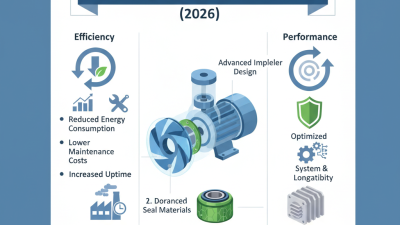
One major innovation is the integration of IoT-enabled monitoring systems. These systems allow for real-time data collection, providing valuable insights into pump performance. An industry report indicates that up to 30% of energy can be saved through predictive maintenance enabled by such technologies. The operational efficiency gained has prompted many companies to adopt these smart solutions.
Furthermore, advancements in materials and pump design significantly enhance durability and reduce wear. The use of composite materials can increase lifespan while maintaining lightweight characteristics. Reports show that these innovations can lead to a 15% reduction in operational costs. However, many users still struggle with the transition to these technologies, reflecting on the need for comprehensive training and adaptation strategies. Embracing these technological changes remains a critical challenge for companies aiming to stay competitive.
Regional Analysis: Demand for Pump Skid Packages Across Global Markets
The demand for pump skid packages is reshaping various global markets. Industries such as oil and gas, water treatment, and chemicals are driving this growth. These packages streamline operations, reduce costs, and improve efficiency. As industries seek reliable solutions, pump skid packages become essential.
Regional analysis reveals specific trends. North America shows robustness in demand due to aging infrastructure. Conversely, Asia-Pacific is witnessing rapid expansion. Emerging markets in this region are investing heavily in industrial modernization. However, these investments come with challenges, such as the need for skilled labor and reliable supply chains.
In Europe, regulatory pressures influence the adoption of pump skid packages. Companies strive to comply with environmental standards. Meanwhile, Latin America presents a unique landscape, balancing economic growth and infrastructure limitations. Each region exhibits distinct needs and preferences, underscoring the importance of localized solutions in pump skid package design.
Cost Analysis and Buyer Insights for Investing in Pump Skid Packages
In recent years, the global pump skid market has witnessed significant growth. Industry reports indicate a projected increase of 5% per year through 2026. This rise is driven by the demand for efficient and cost-effective solutions in sectors like oil and gas, water treatment, and chemical processing.
Cost analysis of pump skid packages shows that investing in these packages can yield considerable savings over time. A well-designed pump skid can reduce installation costs by up to 30%. Maintenance should not be overlooked; while upfront costs are essential, ongoing maintenance can impact the overall budget. Regularly scheduled maintenance can extend the life of pump systems significantly.
Buyers need to assess not just initial costs but also the long-term implications of their investments. Many buyers underestimate the total cost of ownership, which includes operational expenses. Reliable industry data is crucial for making informed decisions. Investing in quality and reliability often pays off, especially when market conditions fluctuate.
2026 Top Pump Skid Packages for Global Buyers Insights
| Package Type |
Application |
Average Cost (USD) |
Market Demand (Units/year) |
Key Features |
| Standard Pump Skid |
Water Treatment |
$15,000 |
5,000 |
Corrosion-resistant, compact design |
| Chemical Injection Skid |
Oil & Gas |
$24,000 |
3,000 |
Integrated controls, high reliability |
| Vertical Pump Skid |
Industrial Processes |
$20,000 |
2,500 |
Space-efficient, energy-saving |
| Multistage Pump Skid |
Irrigation |
$30,000 |
4,000 |
High efficiency, customizable settings |
| Submersible Skid Pack |
Mining |
$35,000 |
1,200 |
Robust design, high discharge pressure |