In the world of fluid handling, the importance of self priming pumps cannot be overstated. These innovative devices have revolutionized water transfer processes across various industries by eliminating the need for manual priming, thus enhancing efficiency and reducing labor costs. According to a 2022 report by Global Market Insights, the self priming pump market is projected to witness substantial growth, with an estimated CAGR of 5.4% from 2023 to 2030, driven by increasing demands in agriculture, construction, and wastewater management sectors.
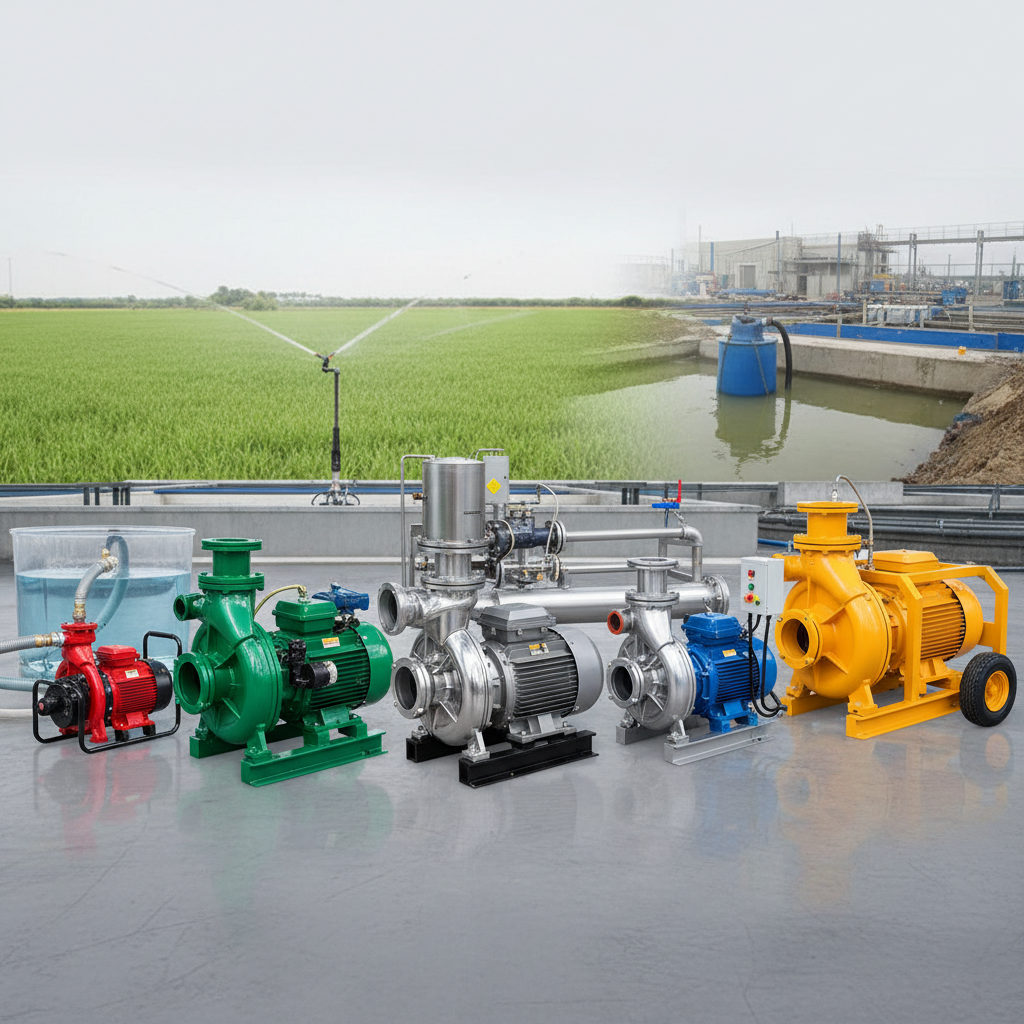
Self priming pumps are designed to maintain suction even in applications where the liquid source is lower than the pump itself. This unique capability not only facilitates effortless water transfer but also ensures reliability in challenging conditions, making them a preferred choice for professionals in many fields. A key aspect highlighted in industry analyses is that self priming pumps reduce downtime and operational costs, significantly benefiting industries looking to optimize resource management. As we delve into the top five self priming pumps of 2023, it is crucial to consider factors such as efficiency, durability, and compatibility to meet the diverse needs of users while keeping pace with the evolving technological landscape.
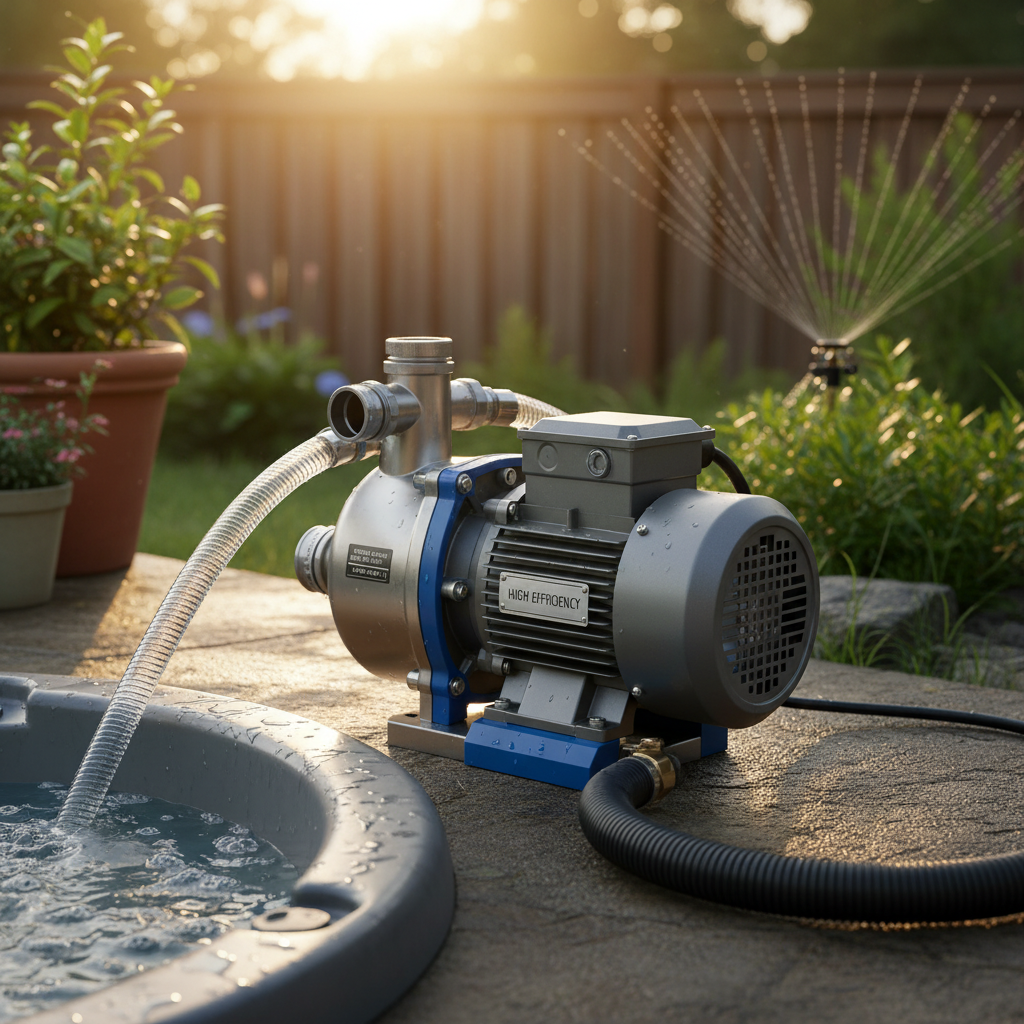
When looking for the best self-priming pumps for effortless water transfer, it’s essential to focus on several key features. One of the most important aspects is the pump's efficiency; a high-efficiency motor ensures that water transfer is quick and smooth. Additionally, consider the maximum suction height and flow rate. A pump that can handle increased lift and delivers a substantial flow will meet your needs for various tasks, from irrigation to draining hot tubs.
Another critical feature to evaluate is the pump's ease of maintenance. Models with removable filter screens and simple assembly can save you time and effort in upkeep. Durability should also be a priority—select pumps constructed from high-quality materials that can withstand corrosion and wear, especially if you plan to use them in demanding environments.
**Tips:** Always check for the noise level of the pump—quieter models are preferable for residential areas. Also, read user reviews to gauge real-world performance and customer satisfaction. Finally, ensure the pump's compatibility with your existing setup, including hose sizes and fittings, for seamless installation and operation.
In 2023, the demand for efficient water transfer solutions has led to a surge in the popularity of
self-priming pumps. These devices are designed to prime themselves without the need for manual intervention, making them incredibly convenient for both
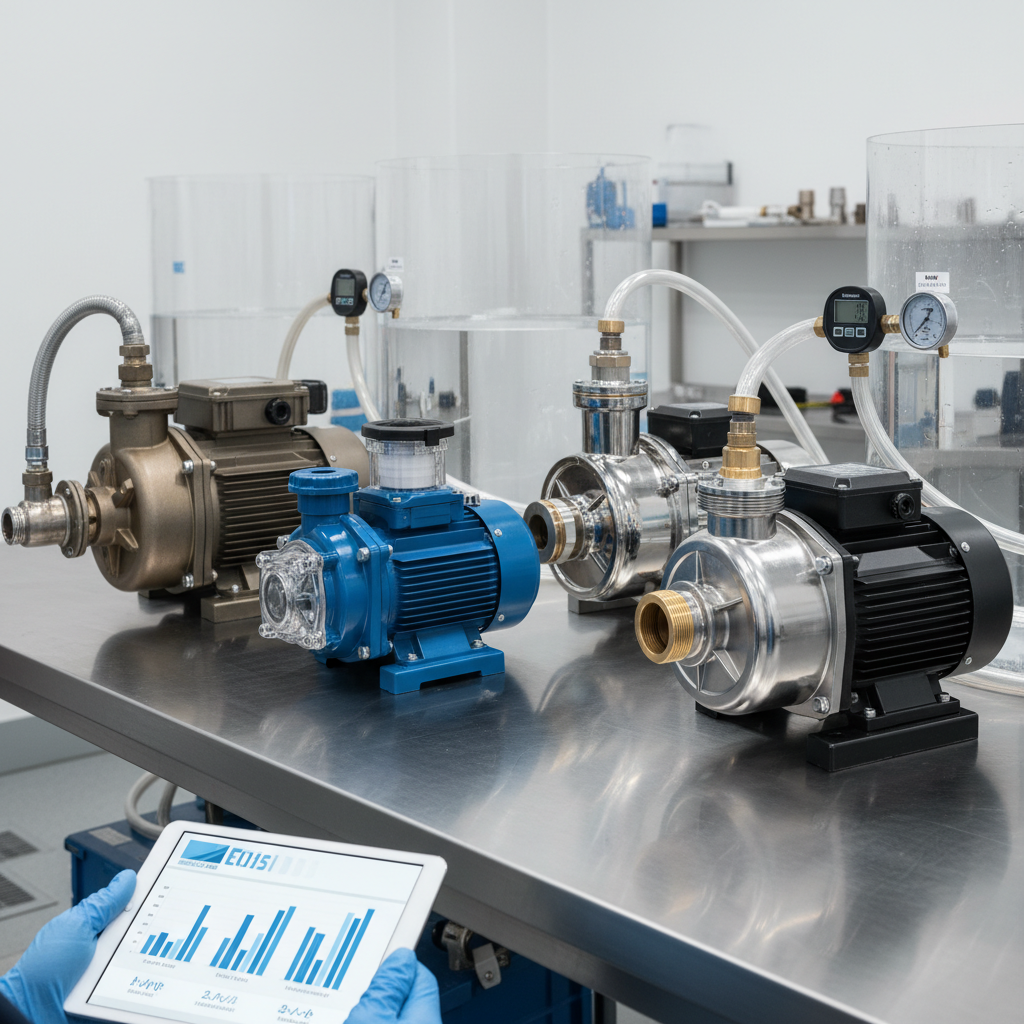
residential and commercial applications. When conducting a comparative analysis of the top self-priming pumps, several key factors come into play, including
flow rate, durability, and ease of maintenance.
One standout model is the XtremeFlow Pro 3000, known for its impressive flow rate and robust build quality, ideal for heavy-duty operations.
Another noteworthy option is the AquaMax Performer, which balances performance and efficiency seamlessly, making it a favorite among homeowners.
Additionally, the EcoPump Green 2500 integrates energy-saving technology without compromising on power, attracting eco-conscious users.
By evaluating these features, consumers can make informed decisions about which self-priming pump best suits their water transfer needs in 2023.
Self-priming pumps have revolutionized the water transfer process by minimizing the effort required to move liquids. This innovative technology enables the pump to draw in water and create a vacuum, which allows it to prime itself automatically. The simplicity of the self-priming mechanism eliminates the need for manual priming, saving users time and reducing the risk of damage that can arise from improper priming techniques. This feature is particularly beneficial in applications such as irrigation, drainage, and industrial uses, where consistent water flow is essential.
In addition to ease of use, self-priming pumps are designed to handle various water conditions, including murky or debris-laden water. Their ability to efficiently handle solids and maintain prime over short periods enhances their versatility in different environments. As users increasingly seek efficient and user-friendly solutions for their water transfer needs, self-priming technology serves as a game-changer, making it possible to execute tasks effortlessly and effectively, even in challenging conditions.
This chart compares the flow rate (in gallons per minute) and maximum lift height (in feet) of the top 5 self-priming pumps based on recent performance data.
In 2023, users have shared their real-life experiences with the top self-priming pumps, highlighting the
efficiency and convenience these devices offer for
water transfer. Many have praised the ease of use and quick setup features of these pumps, which have
become a staple for homeowners and professionals alike. Users found that even those with minimal
technical knowledge could operate these pumps with confidence, leading to successful water transfer
for various applications, such as gardening, pool maintenance, and even industrial uses.
When selecting a self-priming pump, consider checking user reviews to identify models that
stand out for reliability and performance.
Real-life feedback can provide insights into the durability and efficiency of different pumps under
varying conditions. Additionally, it’s beneficial to verify the pump's flow rate
and suction capability, as this significantly affects performance
and overall satisfaction.
Tip: Always ensure that the pump is
compatible with the type of liquid you're transferring. For instance, food-grade applications require
specific materials to avoid contamination. Also, regular maintenance checks can greatly enhance the
longevity and efficiency of your self-priming
pump, ensuring it remains a trustworthy tool for all your water transfer needs.
When utilizing self-priming pumps, proper maintenance is key to ensuring they operate efficiently over time. First and foremost, always check the pump's filter and impeller for any clogs or debris before use. Keeping these components clean prevents strain on the motor and helps maintain an optimal water flow. Additionally, ensure that the pump’s seals are intact; worn-out seals can lead to leaks and reduce suction power.
Another important tip is to be mindful of the pump’s operating environment. Avoid exposing it to extreme temperatures or rapid changes in temperature, which can cause damage. If you're using the pump for outdoor applications, consider investing in a protective cover to shield it from rain or excessive sunlight. Regularly inspect the pump for wear and tear, and replace worn parts promptly to avoid larger issues down the line. Following these tips not only prolongs the life of your self-priming pump but also guarantees reliable performance during critical tasks.
| Pump Model | Max Flow Rate (GPH) | Self-Priming Depth (ft) | Material | Best Use |
|---|---|---|---|---|
| Model A | 2500 | 10 | Plastic | Aquarium |
| Model B | 3000 | 15 | Aluminum | Irrigation |
| Model C | 1800 | 8 | Stainless Steel | Construction |
| Model D | 2200 | 12 | Plastic | Home Use |
| Model E | 3500 | 20 | Cast Iron | Industrial |