Cost of Repairing vs. Replacing ANSI Pumps: A Comprehensive Analysis

Blog

Top 5 Industrial Pumping Solutions Tips You Need to Know?

In today's competitive landscape, industrial pumping solutions play a critical role in enhancing operational efficiency. The global industrial pump market was valued at $38 billion in 2022 and is projected to grow. Companies are increasingly investing in advanced pumping technologies to reduce downtime and improve productivity. However, many still struggle with selecting the right solutions.

A significant number of industries face challenges in optimizing pump performance. The right pump can lead to energy savings of up to 30%. But improper selection can result in costly maintenance issues. Many users overlook the importance of understanding specific application requirements. Neglecting this can lead to disasters like equipment failures.

Furthermore, manufacturers are encouraged to explore innovative materials and designs. This is crucial for extending the lifespan of pumps in harsh environments. The wrong choice might yield high initial savings but can burden operations with long-term inefficiencies. Evaluating every aspect of industrial pumping solutions is essential for sustainable growth.
Top 5 Industrial Pumping Solutions Tips You Need to Know?

Understanding the Importance of Selecting the Right Pump Type for Applications

Top 5 Industrial Pumping Solutions Tips You Need to Know?

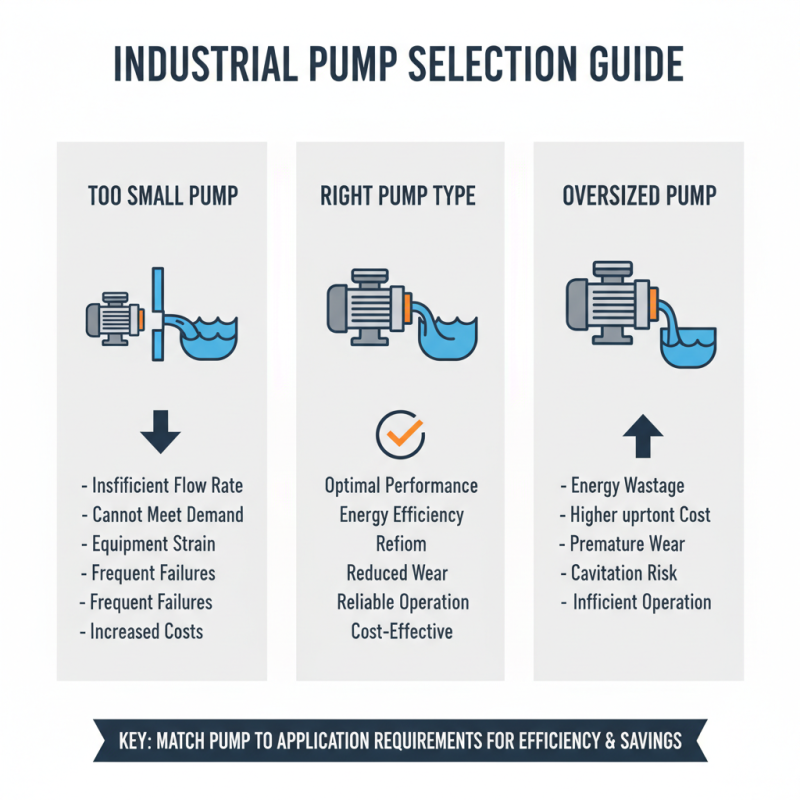
When it comes to industrial pumping solutions, selecting the right pump type is crucial. Each application has unique requirements. A misstep can lead to inefficiencies and increased costs. For example, if a pump is too small, it might not handle the required flow rate. Conversely, an oversized pump can lead to energy wastage.

Consider the fluid being pumped. Its viscosity, temperature, and chemical properties play a significant role in pump selection. Some pumps excel with thick fluids, while others work better with thin ones. Using the wrong pump for the fluid can cause damage. It’s essential to evaluate these factors carefully to avoid costly repairs down the line.

Another aspect to reflect on is maintenance. Some pumps require regular upkeep, leading to more downtime. Simple pumps might require less attention but could struggle in demanding applications. Striking a balance between reliability and low maintenance is vital. Choosing the right pump demands a thorough understanding of the application, yet many overlook this important step.
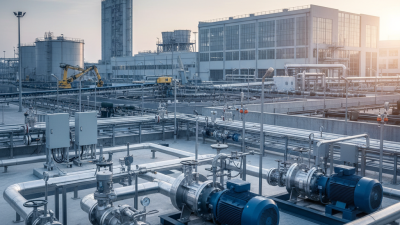
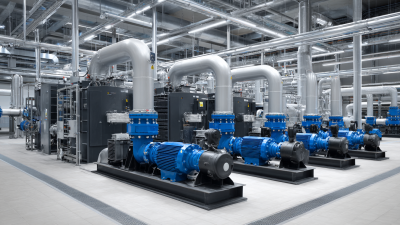
Evaluating Pump Efficiency: Technical Standards and Performance Metrics

When evaluating pump efficiency, it's crucial to understand key technical standards. These standards include performance metrics like flow rates, head, and power consumption. Monitoring these factors ensures that pumps operate optimally, reducing energy waste and operational costs.

Tip: Regularly check the pump curves. These graphs provide essential insights into how pumps perform under various conditions. They help identify the ideal operating range and reveal potential inefficiencies.

It's also important to analyze the overall system design. A poorly designed system can counteract even the best pump's efficiency. Evaluate piping layouts and fittings; they can add unwanted resistance. Regular maintenance is another factor that cannot be overlooked. Wear and tear can dramatically impact performance.

Tip: Keep an eye on vibrations and noise. Abnormal sounds often signify underlying issues. Addressing these problems early can prevent costly failures. Remember, efficiency is not just about the pump; it involves the entire system. A comprehensive approach will drive better results.

Maintenance Best Practices: Reducing Downtime and Extending Pump Lifespan

Top 5 Industrial Pumping Solutions Tips You Need to Know?

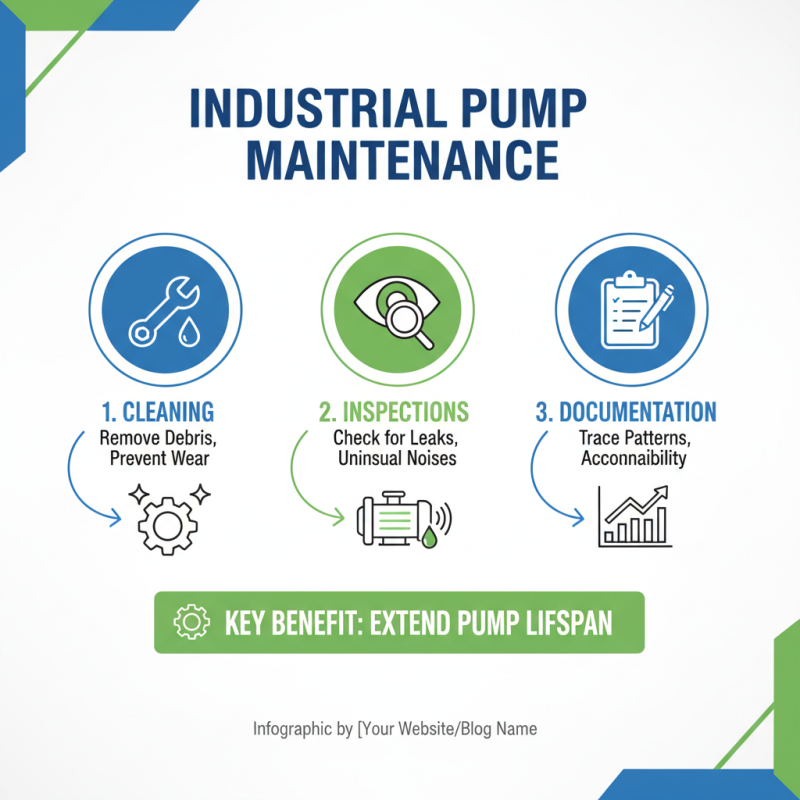
Regular maintenance is vital for enhancing the lifespan of industrial pumps. Cleaning pump components removes debris that can cause wear. Regular inspections are essential. Look for leaks or unusual noises. Even minor issues can lead to major breakdowns. Document your observations. This promotes accountability and helps trace patterns over time.

Using the correct lubricants is just as important. Over-lubrication can create problems too. It can attract dirt and impair performance. Adjusting lubricant levels requires careful monitoring. Consider temperature variations that may affect viscosity. It's a fine balance that requires attention.

Training staff on best practices is another key aspect. Everyone should understand basic maintenance tasks. However, not all employees grasp the importance of procedures. Regular training sessions can address this gap. Encourage open discussions about challenges faced during maintenance. Learning from mistakes is an opportunity for growth. Real commitment to maintenance means embracing both successes and failures.

Analyzing Cost-Effective Solutions for Industrial Pumping Operations

When analyzing cost-effective solutions for industrial pumping operations, efficiency is crucial. Many companies overlook routine maintenance, which can lead to costly breakdowns. Regular checks on seals, bearings, and impellers can prevent larger issues. A simple inspection could save substantial repair costs in the long run.

Using the right materials in pump construction can also impact costs. Many often choose cheaper alternatives, only to face quicker wear and tear. This decision may save money initially, but it often leads to frequent replacements. The longevity of components should be balanced with initial investment. Finding that balance can seem daunting.

Another key point is energy efficiency. Pumps that consume less power are worth the investment. Yet, many operations stick to outdated models. These can drain budgets over time. Employees should be trained on best practices for operating pumps. Such training can lead to better usage and reduced waste, but it’s often neglected. It's essential to create a culture focused on constant improvement.

Exploring Innovations: Smart Pump Technologies and Their Industry Impact

Innovations in smart pump technologies are changing the industrial landscape. According to a recent report by Markets and Markets, the smart pump market is projected to reach $3.6 billion by 2025, growing at a CAGR of 4.93% from 2020. This data highlights the increasing reliance on advanced pumping solutions that integrate IoT and AI technologies.

These smart pumps offer real-time monitoring and performance optimization. Sensors collect data, enabling predictive maintenance. This can reduce downtime by up to 20%, making operations more efficient. Yet, the adoption of these technologies isn't perfect. Many industries face challenges in integrating legacy systems with new technologies.

Moreover, training personnel to utilize smart pump features is critical but often overlooked. Employees may struggle with advanced interfaces. This issue can hinder the potential benefits of smart technologies. Industry experts suggest addressing this gap in training to maximize smart pump effectiveness. Embracing these innovations, while also tackling integration and training challenges, is essential for future success.

Top 5 Industrial Pumping Solutions Tips You Need to Know

Tip Number Pumping Solution Advantages Innovative Technology Industry Impact
1 Smart Pumps Energy efficiency, real-time monitoring IoT integration Increased productivity and reduced operational costs
2 Variable Frequency Drives (VFD) Reduced energy consumption Automated speed control Minimized stress on pump systems
3 Submersible Pumps Space-saving design, efficient fluid handling Advanced sealing technologies Lower operational risks in confined spaces
4 Magnetic Drive Pumps Leak-free operation No shafts or seals Enhanced safety for hazardous fluids
5 Positive Displacement Pumps Consistent flow, high viscosity handling Precision engineering Reliable performance in demanding applications

Proud Member Of Curry Supply Holdings
Since 1932

Tour Our State-of-the-Art Facility

Click for a Quick Quote