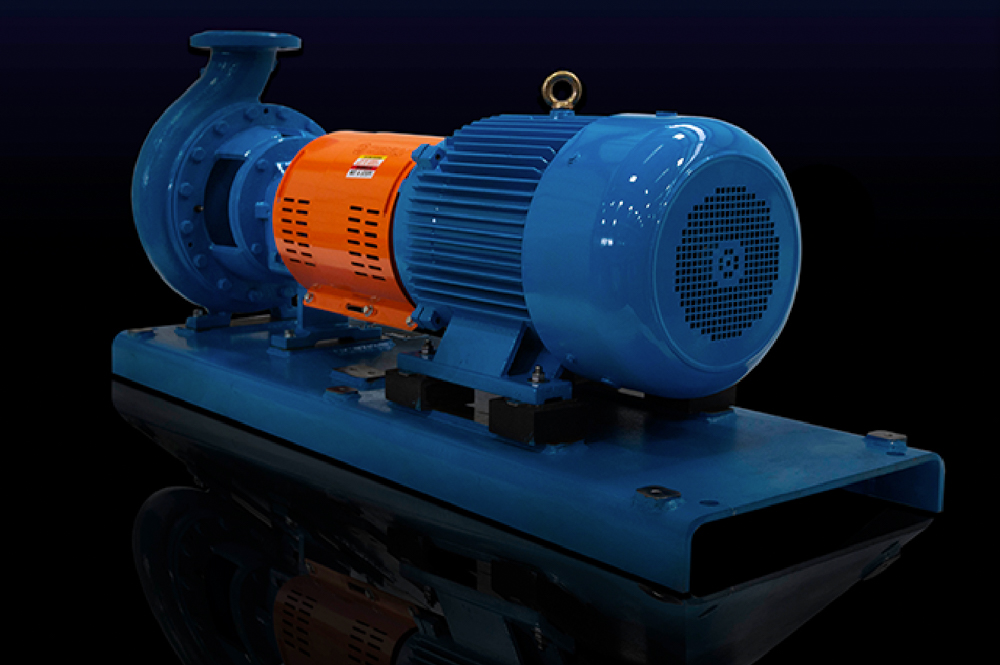
Cost of Repairing vs. Replacing ANSI Pumps: A Comprehensive Analysis

Blog

7 Tips for Choosing Industrial Pumping Solutions

Choosing industrial pumping solutions begins with the job the pump must perform, not the biggest motor on the catalog page. A line moving clean water behaves differently from one handling abrasive slurry, viscous food product, or corrosive chemicals. Flow rate, total head, fluid temperature, solids content, and operating hours all shape the choice. Miss one detail, and a pump may run loudly, consume excess energy, or wear out early.

Igor J. Karassik, a respected pump engineer and co-author of the Pump Handbook, helped make pump selection a rigorous engineering discipline. A practical summary of his approach—not a verified verbatim quotation—is: “Match the pump to the system, not just to its nameplate.” That distinction matters. A nameplate rating cannot show every change in pipe length, valve position, or process demand. A pressure gauge can.

This guide outlines seven checks for evaluating industrial pumping solutions, from duty requirements and pump type to materials, efficiency, controls, maintenance, and supplier support. Look closely at the actual installation: a narrow suction line, a warm motor room, or a pump cycling every few minutes can change performance. Small details matter. And not every decision has a perfect answer. A lower purchase price may bring higher service costs; a highly efficient model may not suit variable demand. Use measured operating data where possible, ask vendors for clearly stated assumptions, and revisit the selection when process conditions change. That is a more dependable starting point than choosing by price alone.
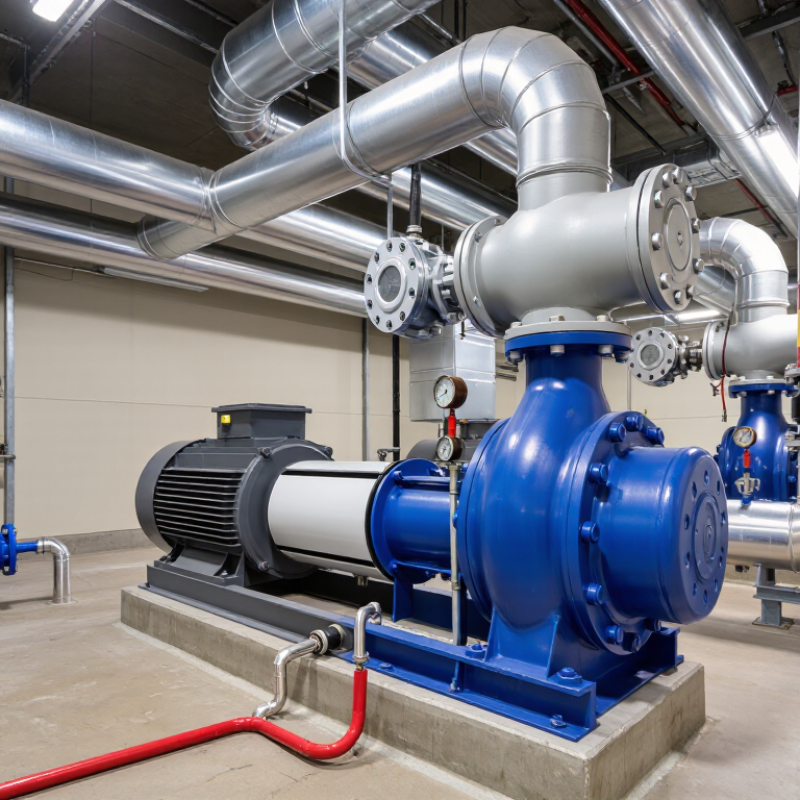
7 Tips for Choosing Industrial Pumping Solutions

Define the Pumping Requirements and Operating Conditions

Choosing an industrial pumping solution begins with defining the duty, not browsing a catalog. Record the fluid type, temperature, viscosity, solids content, and required flow rate. Measure discharge pressure at the actual outlet. Small details matter. A wastewater stream with abrasive particles can wear an impeller faster than expected. I have seen projects fail because operators estimated flow from pipe size alone. Pipe size is not flow. I once treated a clean-looking liquid as harmless to seals, and that assumption was wrong.

Map the complete operating condition before selecting equipment. Include suction lift, pipe length, elbows, valves, elevation changes, and inlet pressure. Calculate total dynamic head during normal and peak demand. Check whether the pump runs continuously, intermittently, or with frequent starts. A washdown system may face sudden demand changes every few minutes. That pattern affects motor sizing, controls, seal life, and energy use. Do not ignore dry-run risk. Even a short empty-suction event can cause damage.

Define acceptable limits for noise, vibration, temperature, maintenance access, and leakage. Ask operators what really happens, not only what the design sheet claims. Their observations may reveal clogged strainers or seasonal flow changes. Use measured data whenever possible. Verify performance against test curves and applicable safety requirements. A startup pressure reading may mislead the selection. Repeat measurements during stable production and peak demand. Leave a modest safety margin, but avoid excessive oversizing. Oversizing can reduce efficiency and create control problems. State every assumption clearly, including uncertain operating data.
Compare Pump Types and Performance Characteristics

Centrifugal pumps suit steady, high-volume flow when the liquid is relatively thin. Their performance changes with flow rate, so compare the pump curve with the system’s required pressure, not just the maximum flow listed on a specification sheet. A unit may deliver less once pipe friction, elevation, and fittings are included. The difference matters.

Positive-displacement pumps move a measured volume per cycle and can handle thicker fluids at low flow rates. They are often a better fit for oils, syrups, or precise dosing, but pressure can rise quickly if the discharge line is blocked. Relief protection and suitable seals deserve attention. Not always an obvious choice.

For wastewater or liquid containing solids, compare solids-passage size and the risk of clogging. Submersible pumps can simplify installations in pits, while diaphragm designs may tolerate certain abrasive or chemically challenging fluids. Check material compatibility against the actual liquid and its temperature; a generic “chemical-resistant” label is not enough. I would also question any comparison that ignores efficiency at the normal operating point. A pump that looks powerful on paper may run inefficiently, vibrate, or wear faster when selected far from its best-efficiency range. Allow for some uncertainty in real conditions.

Check Fluid Compatibility and Construction Materials

When choosing industrial pumping solutions, fluid compatibility should come before flow rate. A pump handling diluted acid may fail quickly when concentration rises during a cleaning cycle. Temperature changes can also soften elastomers, accelerate corrosion, or reduce seal life. Check the fluid’s concentration, viscosity, temperature, solids content, and pH across the full operating range.

Material selection deserves careful attention. Stainless steel may resist one chemical but pit in another environment containing chlorides. Plastics can offer strong chemical resistance, yet some grades swell under solvents or lose strength at elevated temperatures. The NACE IMPACT study estimated that corrosion costs the global economy about 3.4% of GDP, showing why material decisions affect more than maintenance budgets. A compatibility chart helps, but it is not a field test.

Use documented chemical-resistance data, safety documentation, and applicable engineering standards before approval. Ask suppliers for evidence from comparable duty conditions, including seal materials and shaft protection. The U.S. Department of Energy reports that pumping systems can represent 25–50% of energy use in some industrial facilities; poor material choices can add energy losses through leakage, friction, and repeated replacement. Small details matter. A practical review should include a sample-fluid test, temperature cycling, and inspection after early operation. The uncomfortable truth is that a technically “compatible” material may still fail when impurities, vibration, or poor installation enter the picture.

7 Tips for Choosing Industrial Pumping Solutions: Check Fluid Compatibility and Construction Materials

This chart shows general compatibility guidance on a 1–5 scale, where 5 indicates broad compatibility under typical conditions. Actual suitability depends on concentration, temperature, pressure, abrasion, permeation, and seal materials. Always verify the complete pump construction with a qualified supplier before selecting equipment.

Assess Energy Efficiency and Total Ownership Costs

7 Tips for Choosing Industrial Pumping Solutions

Energy efficiency should be measured under real operating conditions, not only at the pump’s best efficiency point. Compare the pump curve with actual flow, pressure, fluid temperature, and operating hours. A unit running far from its design range may waste power every day. Small losses become expensive over several years.

Check motor efficiency, control methods, and pipe resistance together. Variable-speed control can reduce energy use when demand changes, but it is not automatically the best choice. Incorrect settings may create unstable flow or extra maintenance. Ask for measured performance data, not broad estimates. A temporary power meter can reveal surprises.

Look beyond the purchase price. Total ownership costs include electricity, installation, seals, bearings, inspections, spare parts, and unplanned downtime. Calculate these costs across the expected service life. Include labor rates and production losses. A cheaper pump can be misleading. I have seen projects favor low purchase prices, then struggle with frequent repairs. That decision deserved more review.

Request a clear maintenance schedule and realistic repair intervals. Review the availability of replacement parts and the skills required for servicing. Keep records of flow, vibration, power consumption, and pressure after installation. These readings create a useful baseline. They also expose gradual performance decline before failure occurs. Do not ignore old assumptions. Actual site data should change the selection when necessary.

7 Tips for Choosing Industrial Pumping Solutions - Assess Energy Efficiency and Total Ownership Costs

Tip What to Assess Practical Evaluation Why It Matters
1. Match the pump to the duty point Required flow rate, total dynamic head, fluid properties, and operating hours. Compare the system duty point with the pump performance curve. Check expected operation across normal and peak demand. A pump operating far from its best efficiency point may use more energy and experience greater wear.
2. Compare energy consumption Pump efficiency, motor efficiency, input power, and annual run time. Estimate annual electricity use as input power in kW × operating hours per year. Use the same duty and electricity-price assumptions for each option. Energy can make up a substantial share of life-cycle cost, especially in continuously operated systems.
3. Evaluate variable-speed control Whether demand varies and whether system resistance allows useful speed reduction. Review measured flow or pressure profiles and compare a variable-speed option with throttling or bypass control. Speed control can reduce energy use under variable demand, but savings depend on the system curve and control strategy.
4. Check materials and fluid compatibility Fluid chemistry, temperature, solids content, abrasiveness, and required cleanliness. Confirm wetted materials, seals, and clearances are suitable for the actual fluid and operating conditions. Compatibility helps limit corrosion, erosion, leakage, contamination, and premature component failure.
5. Include maintenance and reliability costs Inspection intervals, replacement parts, labor, downtime, and access to service. Request a maintenance schedule and estimate the cost of routine service and likely wear-part replacement over the planned evaluation period. Purchase price alone does not reflect the operational impact of maintenance or unplanned downtime.
6. Review installation and system requirements Pipe sizing, suction conditions, foundations, electrical supply, controls, and available space. Check suction pressure, net positive suction head available, alignment needs, and compatibility with existing piping and controls. Installation constraints can affect performance, commissioning effort, and the total cost of a project.
7. Compare total cost of ownership Purchase, installation, energy, maintenance, downtime, and end-of-life costs. Use a consistent analysis period, operating schedule, energy price, and discount-rate assumption when comparing alternatives. A life-cycle comparison makes trade-offs visible and avoids selecting equipment on initial price alone.

Review Maintenance Needs, Installation, and Supplier Support

Choosing an industrial pump is only part of the decision. Maintenance access, installation conditions, and supplier support shape its performance over time. The U.S. Department of Energy’s Improving Pumping System Performance sourcebook reports that pumping systems use nearly 20% of global electricity demand. That figure makes efficient operation worth examining, not just purchase price.

Tip: Ask how routine inspection will work. Can a technician reach seals, bearings, and filters without moving nearby pipes? A cramped layout can turn a small repair into hours of downtime.

Before installation, check the foundation, pipe alignment, drainage, and space for lifting equipment. The U.S. Department of Energy also notes that pumping can account for 25–50% of energy use in some industrial plant operations. Actual savings depend on the system, but poor alignment or throttling can waste energy.

Tip: Request a site review and confirm who verifies alignment after installation. Drawings help. They do not reveal every awkward corner.

Supplier support matters after commissioning. Ask about spare-part lead times, troubleshooting response, operator training, and clear maintenance instructions. Specify what support includes, and keep the answers in writing.

Tip: Review a sample service schedule before committing. A neat checklist can still miss shift changes or difficult access. That is worth revisiting with the people who will maintain the pump.

Proud Member Of Curry Supply Holdings
Since 1932

Tour Our State-of-the-Art Facility

Click for a Quick Quote