What is a Stainless Steel Water Tank and Why Choose It?
A Stainless Steel Water Tank is an essential component for many households and businesses. Unlike plastic or concrete tanks, stainless steel offers unmatched durability and corrosion resistance. This material is known for its strength and long lifespan, often outlasting other options. When choosing a water tank, you must consider how it will affect water quality. Stainless steel does not leach harmful substances, ensuring cleaner water.
Beyond durability, the aesthetic appeal of a stainless steel water tank is noteworthy. Many find it visually pleasing and suitable for modern installations. However, it comes at a higher initial cost. This factor may lead some to question whether the investment is worthwhile. Reflecting on long-term performance can lead to better decisions.
Moreover, the maintenance requirements of a stainless steel water tank are lower than other materials. It can withstand extreme weather conditions without deteriorating. Nevertheless, regular checks are still essential to ensure optimal performance. Weighing the pros and cons of a stainless steel water tank will help in making a sound choice.
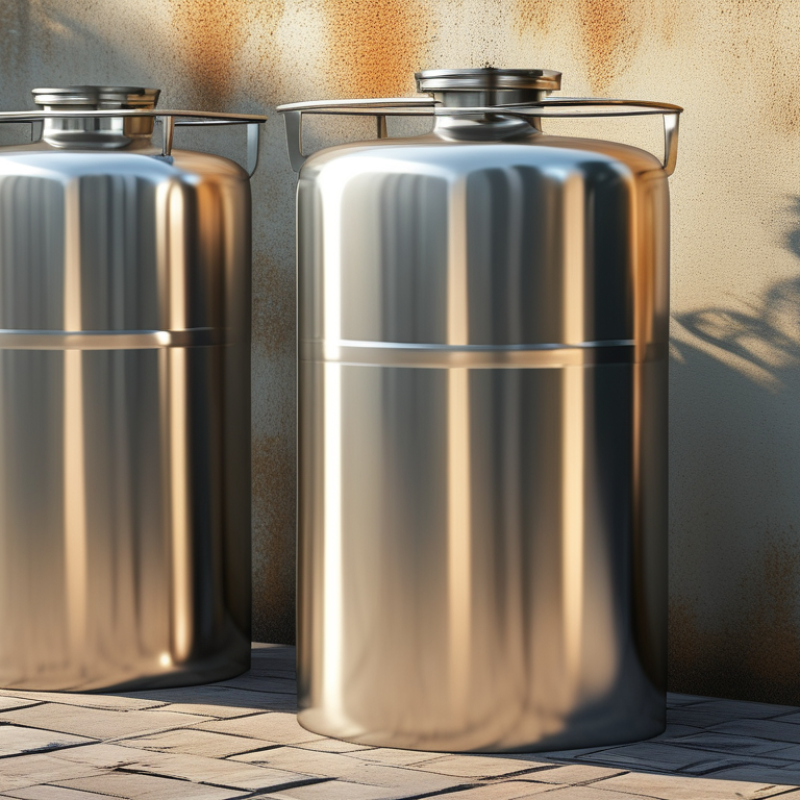
Definition and Composition of Stainless Steel Water Tanks
Stainless steel water tanks are popular for their durability and efficiency. These tanks are made from alloys that typically include at least 10.5% chromium and varying amounts of nickel and carbon. This composition gives stainless steel its rust-resistant properties. The tank's surface remains smooth and aids in preventing bacterial growth. This characteristic is crucial for maintaining clean water.
Flexibility in design makes stainless steel tanks suitable for various applications. They can be custom-sized to fit unique spaces, from residential areas to industrial facilities. While the material is robust, it can be more expensive than other options. However, considering its lifespan and maintenance needs, the investment often pays off over time. Reflecting on choices, it's important to evaluate what suits your specific requirements.
Selecting a stainless steel tank means considering multiple factors. While they excel in longevity, improper installation can lead to problems. Regular inspections are also essential. Understanding the material's strengths and weaknesses helps in making informed decisions. The choice of a tank should be based on practical needs and environmental conditions.
Advantages of Using Stainless Steel for Water Storage
Stainless steel water tanks are increasingly popular for commercial and residential water storage. They are durable and resistant to corrosion, making them an ideal choice. A report from the International Stainless Steel Forum notes that stainless steel can have a lifespan of 50-100 years or longer with proper maintenance. This longevity greatly reduces the need for replacement, making it a cost-effective option.
One significant advantage of stainless steel is its hygienic properties. It is non-porous, which prevents the growth of bacteria and algae. According to the World Health Organization, ensuring clean water storage is crucial for health. Stainless steel tanks require less frequent cleaning compared to plastic tanks, contributing to lower maintenance costs.
Furthermore, stainless steel has high resistance to extreme temperatures. Whether in hot or cold climates, these tanks maintain water quality. However, the upfront cost of stainless steel may be higher than other materials. Still, many consumers overlook long-term savings associated with durability and maintenance efficiency. It's essential to weigh these factors carefully when choosing a water storage solution.
Common Applications of Stainless Steel Water Tanks
Stainless steel water tanks have diverse applications, notably in industrial, agricultural, and residential sectors. These tanks are known for their durability and resistance to corrosion, making them suitable for storing various liquids. According to a report from the International Journal of Environmental Research, stainless steel tanks can last over 50 years with proper maintenance. This longevity makes them an attractive investment for many organizations.
In the agricultural sector, stainless steel water tanks play a vital role in irrigation systems. They can store large quantities of water, enabling farmers to manage water resources effectively. A study by the Agricultural Engineering Research Institute revealed that water tanks significantly reduce waste and improve crop yield by 23%. In the industrial domain, these tanks are essential for maintaining the quality of water used in production processes. Their non-reactive nature ensures that stored water remains uncontaminated.
Stainless steel tank installations have increased by about 15% annually due to their reliability. However, improper installation can lead to issues like leaks or structural weaknesses. It is important to consider expert guidance during setup to avoid costly mistakes. Overall, while stainless steel water tanks offer many benefits, careful planning and execution are crucial in maximizing their effectiveness.
Factors to Consider When Choosing a Stainless Steel Water Tank
When choosing a stainless steel water tank, several factors come into play. One of the primary considerations is the tank's size and capacity. You need to assess your water requirements. An oversized tank can lead to unnecessary costs and space issues. Conversely, a tank that is too small may not meet your needs, leading to inconvenience.
Another aspect to consider is the tank's grade of stainless steel. Higher grades like 316 offer better corrosion resistance, especially in harsh environments. However, they come with a higher price tag. Evaluating your local water quality is essential. If your water source is aggressive or contains high levels of chlorides, investing in better quality stainless steel is crucial.
Installation and maintenance are equally important. Simple installation saves time and money. Additionally, consider maintenance requirements. Stainless steel tanks require less upkeep than plastic or concrete options. However, it's still vital to inspect for any signs of wear or corrosion. Ultimately, making an informed choice involves weighing the pros and cons carefully.
Water Tank Material Comparison
Maintenance and Care Tips for Stainless Steel Water Tanks
Stainless steel water tanks are increasingly popular for their durability. However, proper maintenance is crucial for longevity. Regular cleaning helps prevent rust and bacteria growth. Use mild soap and a soft cloth to scrub the interior surfaces. Rinse thoroughly to remove residue, ensuring fresh water quality.
Inspect the tank for any signs of wear or leaks. Corrosion can occur, especially around welds or seams. If you notice any issues, address them promptly to avoid costly repairs. Keep the tank well-ventilated to prevent moisture buildup. It’s essential to monitor water levels and temperature. Extreme conditions may degrade the material over time.
Be mindful of the surrounding environment. Dust and debris can accumulate on the exterior. A simple wipe-down can enhance aesthetics and performance. Ensure that any installed valves or fittings are functioning properly. Regular checks can prevent potential system failures. Understanding these details helps maintain a reliable water supply.