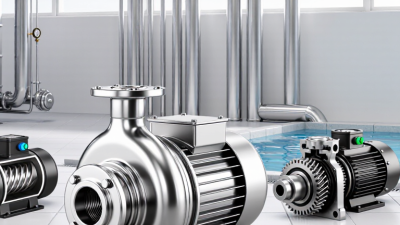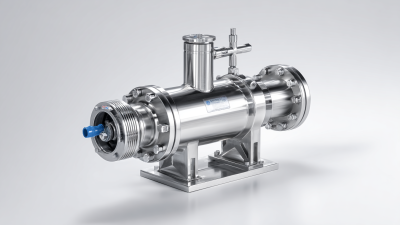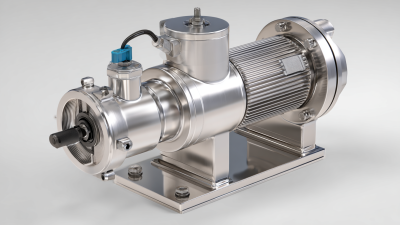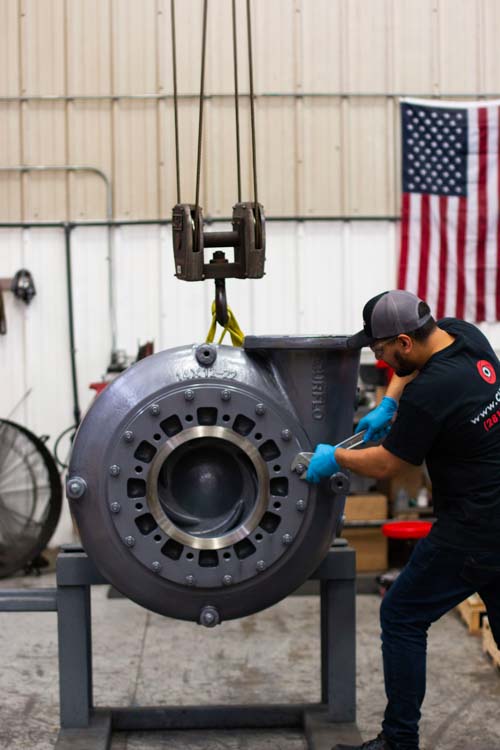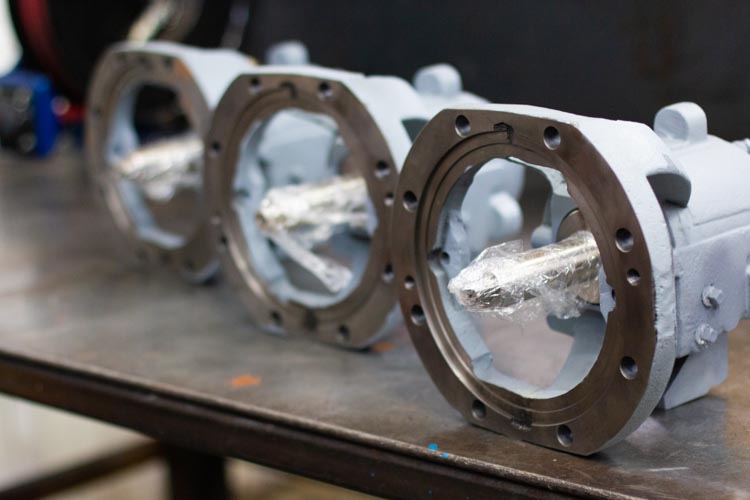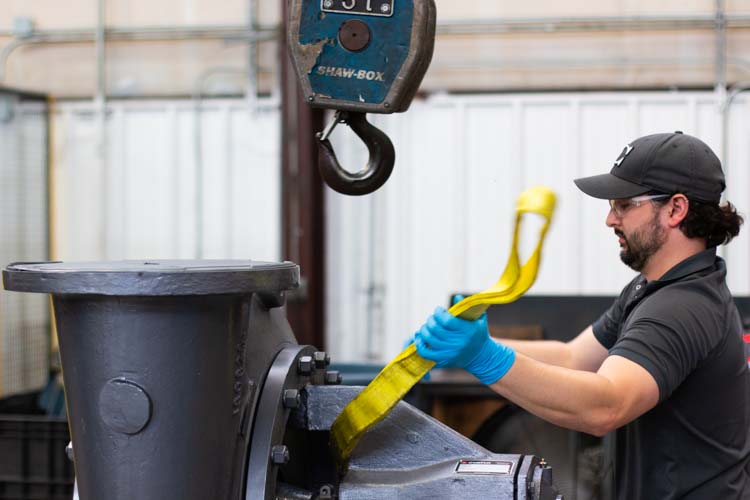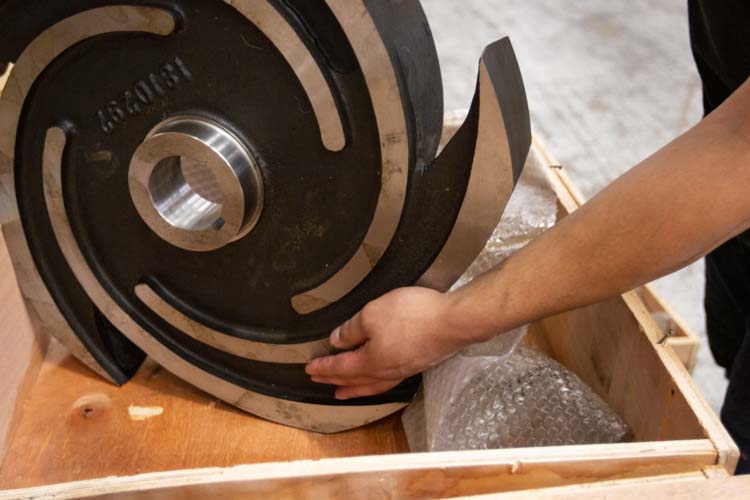
Choosing a dependable stainless steel pump supplier requires more than comparing prices. Global buyers must match pump design to the fluid, operating conditions, and maintenance plan. A unit handling clean water may not suit viscous liquids or frequent washdowns. Small differences matter.
Material grade is one useful starting point. Buyers often compare stainless steel types, seal options, flow rates, head, and temperature limits. These details should match the actual application, not just a brochure. Request technical data sheets and ask how performance was tested. Confirm what is included in the quoted configuration.
This guide introduces ten suppliers for international buyers to research. It considers product range, manufacturing experience, export support, and access to technical documentation. These factors can help narrow a shortlist, but they cannot guarantee a good fit. Supplier capabilities and delivery terms may change, and public information is not always complete. That is worth remembering.
Before placing an order, verify the exact model, wetted materials, spare-parts availability, warranty terms, and service arrangements for your region. Ask about lead times and packaging, too. A low quotation can become less attractive when replacement parts are difficult to source. Even a careful comparison has limits. Treat this list as a practical starting point, then confirm each detail directly with the supplier.
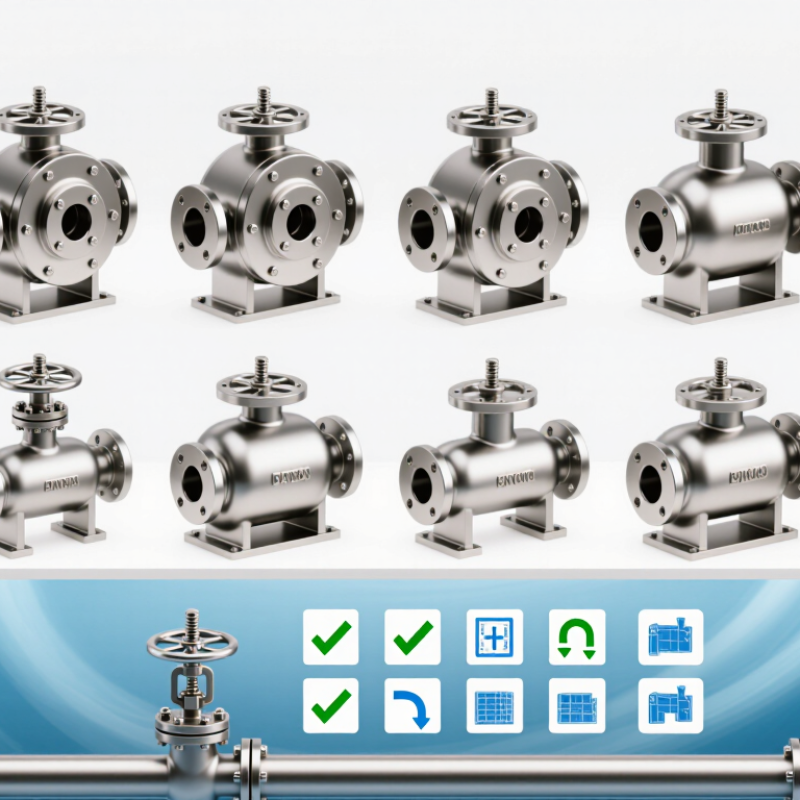
Stainless steel pumps move water, oils, food ingredients, and process fluids through demanding industrial systems. Their corrosion resistance and cleanable surfaces make them useful in food production, pharmaceutical processing, marine operations, and chemical plants. Yet stainless steel is not a universal shield. Chlorides, abrasive solids, and unsuitable cleaning chemicals can still damage wetted parts. Pump selection should reflect the fluid, temperature, pressure, and cleaning routine—not just a material label.
In a beverage facility, a pump may transfer liquid through narrow pipes while frequent washdowns keep production areas clean. Smooth internal surfaces can support effective cleaning, while the right seals help prevent leaks. In other settings, such as a wastewater plant, suspended solids may demand different impeller clearances and wear protection. A pump that seems robust can still perform poorly if its flow rate or operating conditions are mismatched. That detail is easy to overlook.
Tips: Confirm fluid composition and operating temperature with the supplier. Ask how seals, impellers, and connections suit the application. Check maintenance access before installation; a pump can be reliable and still be awkward to service. Revisit the choice after real operating data becomes available.
The entries below describe common supplier specializations rather than named companies or a verified ranking. Product availability, material grades, certifications, and performance vary by manufacturer; confirm them against the specific pump model and application.
| No. | Supplier specialization | Common pump types | Typical industries and duties | Stainless steel and standards to check | Key buyer checks |
|---|---|---|---|---|---|
| 1 | Hygienic process-pump suppliers | Sanitary centrifugal and positive-displacement pumps | Food and beverage, dairy, and selected pharmaceutical processes | Confirm product-contact material grade, surface finish, cleanability, and applicable hygienic design requirements. | Ask about clean-in-place or sterilize-in-place compatibility, drainability, elastomer suitability, and documentation for product-contact parts. |
| 2 | Chemical-process pump suppliers | End-suction, process, and sealless magnetic-drive pumps | Chemical transfer, dosing systems, and corrosive-liquid handling | Material selection depends on the chemical, concentration, temperature, and operating conditions; 316 stainless steel is not suitable for every corrosive service. | Provide the full fluid composition and operating envelope; check seal compatibility, corrosion data, containment needs, and applicable process-pump standards. |
| 3 | Water and wastewater pump suppliers | Submersible, drainage, and end-suction pumps | Municipal water, wastewater treatment, building services, and industrial utilities | Verify wetted-part materials against water chemistry, chlorides, solids, and treatment chemicals. | Compare solids-handling capability, clog resistance, duty point, motor protection, and local electrical requirements. |
| 4 | High-pressure cleaning-pump suppliers | Plunger and triplex reciprocating pumps | Industrial cleaning, washing systems, and selected process applications | Check which components are stainless steel; high-pressure pump designs may use different materials for the head, valves, and plungers. | Confirm pressure and flow at the required duty point, liquid temperature, inlet conditions, and suitability for continuous operation. |
| 5 | Vertical multistage pump suppliers | Vertical in-line and vertical multistage centrifugal pumps | Building water systems, boiler feed, reverse-osmosis feed, and pressure boosting | Check the material of each wetted component and its compatibility with feedwater quality and treatment chemicals. | Review required head, flow, efficiency, minimum inlet pressure, installation space, and motor configuration. |
| 6 | Marine and offshore pump suppliers | Centrifugal, utility, and selected seawater-duty pumps | Vessels, offshore facilities, cooling circuits, and marine utilities | Seawater can be highly corrosive to common stainless grades; verify alloy suitability and any coating or corrosion-control measures. | Check seawater compatibility, vibration and mounting requirements, applicable marine approvals, and spare-parts support. |
| 7 | Oil and gas process-pump suppliers | Process centrifugal and multistage pumps | Refining, petrochemical processing, and related energy operations | Material and construction requirements depend on the fluid and service; confirm project specifications and any applicable API 610 requirements. | Review the specified duty point, sealing plan, hazardous-area requirements, inspection records, and project documentation. |
| 8 | Dosing and metering-pump suppliers | Diaphragm and plunger metering pumps | Water treatment, chemical dosing, and process control | Confirm wetted-head, valve, diaphragm, and seal materials against the chemical being dosed. | Check turndown, dosing accuracy, pulsation control, calibration method, and compatibility with the control system. |
| 9 | Sanitary positive-displacement pump suppliers | Rotary lobe and circumferential-piston pumps | Viscous food products, personal-care products, and gentle-transfer duties | Verify contact-surface finish, elastomer compliance, and hygienic design documentation for the intended market. | Assess product viscosity, shear sensitivity, cleaning method, allowable solids, and the pump's operating speed range. |
| 10 | Custom-engineered pump suppliers | Application-specific centrifugal or positive-displacement designs | Specialty process lines, retrofit projects, and non-standard installation conditions | Request a material schedule identifying grades for all wetted parts; confirm that the proposed alloy suits the actual service. | Review engineering drawings, performance curves, testing scope, change control, lead time, and long-term service support. |