Cost of Repairing vs. Replacing ANSI Pumps: A Comprehensive Analysis

Blog

What is a Solenoid Valve in an Irrigation System?

In modern irrigation systems, the role of the solenoid valve is crucial. A solenoid valve in an irrigation system controls water flow with precision. According to the Irrigation Association, efficient water management can save up to 50% on water use. This highlights the importance of optimizing irrigation systems.

Solenoid valves contribute to this optimization. They enable automated control, ensuring water is delivered only when needed. The global market for solenoid valves in irrigation is projected to grow significantly. A report by MarketsandMarkets estimates a compound annual growth rate (CAGR) of 5.4% from 2020 to 2025.

However, many systems still lack this necessary technology. Issues arise when traditional valves cause inefficiencies and water waste. There is a need for education and investment in solenoid valve technology to improve agricultural practices. Harnessing the potential of improved irrigation systems is essential for sustainable agriculture.
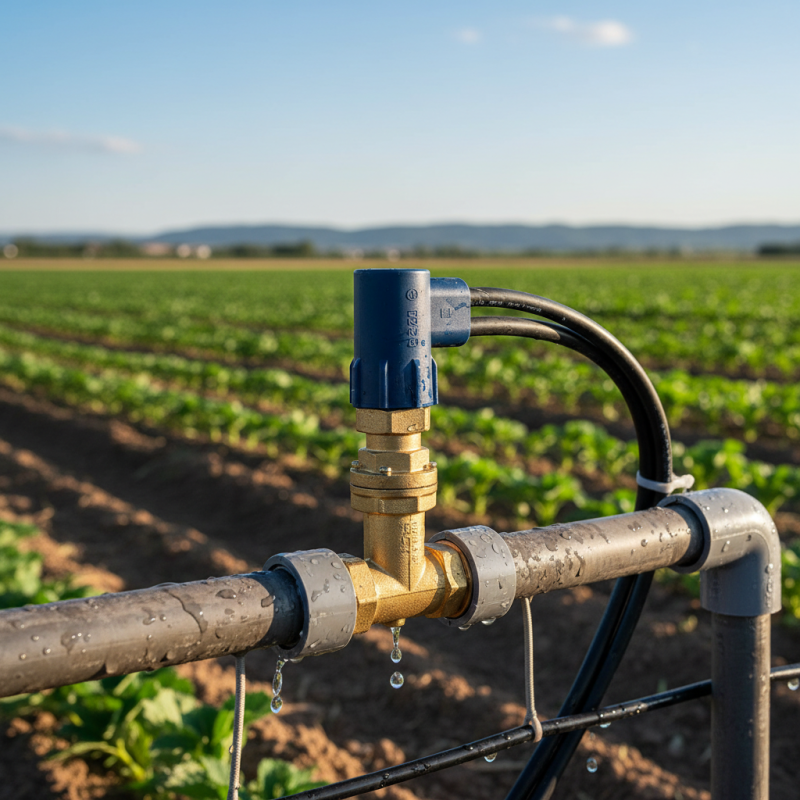
What is a Solenoid Valve in an Irrigation System?

Definition and Function of a Solenoid Valve in Irrigation Systems

A solenoid valve plays a crucial role in modern irrigation systems. This device allows for the automatic control of water flow. When electrical current is applied, the solenoid activates and opens the valve. This action provides efficient water distribution to crops, reducing waste. In fact, data from the Irrigation Association shows that automated systems can save up to 30% more water compared to traditional methods.

The function of a solenoid valve in irrigation is not only about water conservation. It aids in precise timing and scheduling. Farmers can set timers to irrigate at optimal times. This improves crop yield and plant health. However, regular maintenance is essential. Neglecting valve upkeep can lead to inefficiencies. A study noted that 15% of agricultural water usage could be wasted if valves are not regularly checked.

Despite their advantages, not all solenoid valves perform equally. Variability in quality can impact functionality. Poor designs may lead to frequent malfunctions. Some users report needing to troubleshoot issues more often than anticipated. Therefore, careful selection and evaluation of solenoid valves are necessary. Continuous monitoring helps in enhancing their performance.


Components of a Solenoid Valve: What Makes It Work?

A solenoid valve is a key component in irrigation systems. It controls water flow with electrical signals. Understanding its components helps us grasp its functionality.

At the heart of the solenoid valve is the solenoid itself. This is a coil of wire that generates a magnetic field when energized. The magnetic field pulls on a plunger, opening or closing the valve. The plunger is usually made of metal. It fits tightly within the valve body. This design ensures a reliable seal, preventing leaks.

In addition to the solenoid and plunger, there are other important parts. A diaphragm can separate different areas within the valve. This helps control pressure and flow. Seals and springs are also crucial. They maintain the valve's position and ensure responsiveness. Sometimes, these components wear out or fail. Regular maintenance is often overlooked, leading to issues. Understanding these parts makes troubleshooting easier. It can improve the overall efficiency of the irrigation system.

How Solenoid Valves Control Water Flow in Irrigation

A solenoid valve is a key component in many irrigation systems. These valves control water flow through electrical signals. When activated, they open or close pathways, managing water distribution efficiently. This mechanism helps save water and ensures that plants receive the right amount.

In action, a solenoid valve uses a coil to create a magnetic field. This field pulls a plunger, either opening or closing the valve. It’s fascinating how simple mechanics can enhance irrigation. However, issues can arise if the coil fails or debris clogs the valve. This can disrupt water flow unexpectedly. Regular maintenance is crucial to avoid these problems.

Farmers often rely on timers and sensors to automate these valves. This technology improves efficiency but sometimes depends too heavily on automation. Overreliance can lead to oversight if regular checks are overlooked. Balancing technology and manual observation is essential. After all, nature has its surprises. Observing plants closer can reveal their needs beyond what sensors indicate.

Water Flow Control in Irrigation Systems Using Solenoid Valves

Installation and Maintenance of Solenoid Valves in Irrigation Systems

Installing solenoid valves in an irrigation system requires careful planning. Start by determining the placement of your valves to ensure optimal water flow. These valves should be installed near the main water source. Use PVC piping to connect the valves to your irrigation lines. Make sure to check for leaks after installation. It's crucial to secure all fittings tightly.

Maintenance is equally important for solenoid valves. Regularly inspect the valves for debris and damage. Clean the filters to prevent clogs that can disrupt water flow. Monitor the electrical connections as well. Sometimes, these connections can become corroded over time. Replace any worn components to ensure reliability.

Consider weather conditions too. Extreme temperatures can affect valve performance. If necessary, insulate the valves during cold seasons. Reflect on your past experiences. Have you missed any maintenance schedules or ignored minor repairs? Little mistakes can lead to bigger problems in your irrigation system.

Common Issues and Troubleshooting for Solenoid Valves in Irrigation

Solenoid valves are critical components in irrigation systems. They control the flow of water, ensuring plants receive adequate moisture. However, these valves can encounter issues that disrupt their function. Common problems include leaks, a lack of response, and electrical failures. Each of these can lead to inefficient watering or even damage to the irrigation system.

Leaking solenoid valves may stem from worn out seals or debris inside the valve. Inspecting these parts can help identify the source of the leak. Sometimes, cleaning can solve the problem. But it may require replacement if the damage is severe. Additionally, a valve that does not respond might indicate electrical issues. Check the wiring and connections to diagnose effectively.

Another frequent issue is the valve failing to open or close. This could happen due to a stuck plunger. It’s important to ensure the valve is clean and free from obstructions. Solenoid valves require regular maintenance; ignoring this can lead to persistent problems. Reflections on past maintenance might reveal overlooked aspects that could prevent future issues.

What is a Solenoid Valve in an Irrigation System? - Common Issues and Troubleshooting for Solenoid Valves in Irrigation

Issue Description Troubleshooting Steps Prevention Tips
Valve Not Opening The solenoid fails to open, preventing water flow. Check for power supply issues, inspect for blockages, and test the solenoid with a multimeter. Regularly inspect wiring and connections, clear debris from valves.
Valve Stuck Open Water continuously flows even when the system is off. Inspect the solenoid for mechanical failures and check for electrical malfunctions. Perform regular maintenance and replace worn-out parts.
Low Water Pressure Reduced water output from the irrigation system. Check the water source for pressure, and inspect for leaks in the system. Ensure appropriate sizing and installation of valves and pipes.
Electrical Faults Problems with the electrical connection to the solenoid valve. Test voltage supply with a multimeter, and replace faulty wiring. Use weatherproof connectors and protect wiring from rodent damage.
Corrosion Rust or mineral build-up affecting valve operation. Remove the valve, clean with vinegar or a descaling solution. Use corrosion-resistant materials and apply protective coatings.

Proud Member Of Curry Supply Holdings
Since 1932

Tour Our State-of-the-Art Facility

Click for a Quick Quote