Cost of Repairing vs. Replacing ANSI Pumps: A Comprehensive Analysis

Blog

Why Pumping Solutions Are Essential for Efficient Water Management Systems

In today's world, efficient water management systems are more crucial than ever, particularly in the face of growing urbanization and climate change challenges. The Global Water Management Market is expected to reach $1,166.8 billion by 2025, according to a report by industry analysts at MarketsandMarkets. Within this landscape, "pumping solutions" play a vital role in ensuring that water is distributed effectively and sustainably. As reported by the American Water Works Association, nearly 50% of water losses in municipal systems can be attributed to inefficient pumping operations.

Dr. Emily Johnson, a leading expert in water management technologies, emphasizes the significance of innovative pumping solutions, stating, "Efficiency in our pumping systems not only reduces operational costs but significantly contributes to the sustainability of our water resources." This highlights the growing recognition within the industry of how advanced pumping technologies can optimize the overall performance of water distribution networks. Embracing such solutions is not just a matter of functionality; it is a necessary step towards achieving sustainable water management and addressing the pressing water scarcity issues facing communities worldwide.
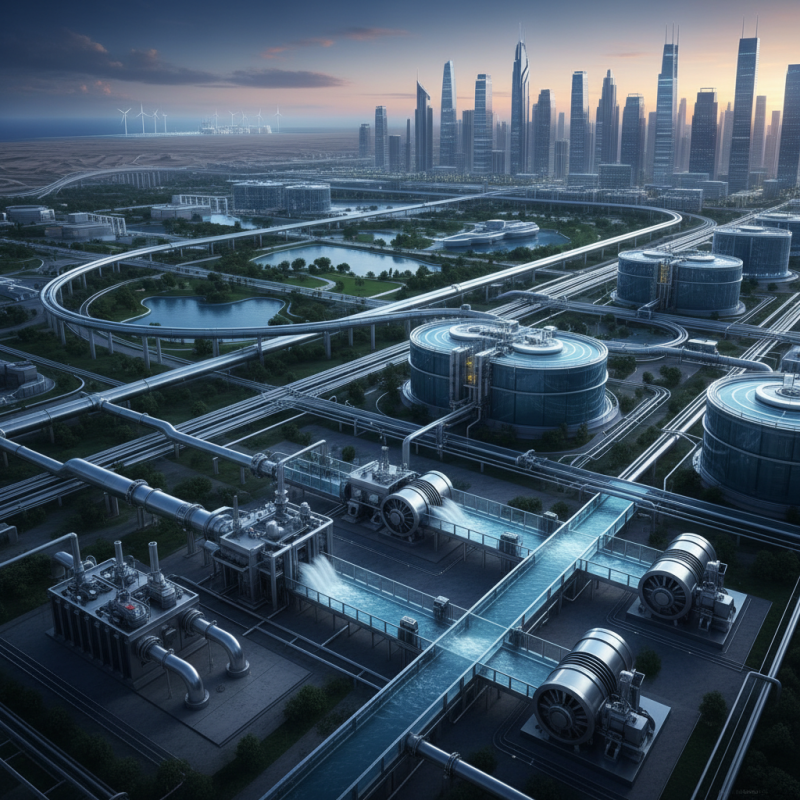
Why Pumping Solutions Are Essential for Efficient Water Management Systems

Importance of Efficient Water Management in Modern Society

Why Pumping Solutions Are Essential for Efficient Water Management Systems

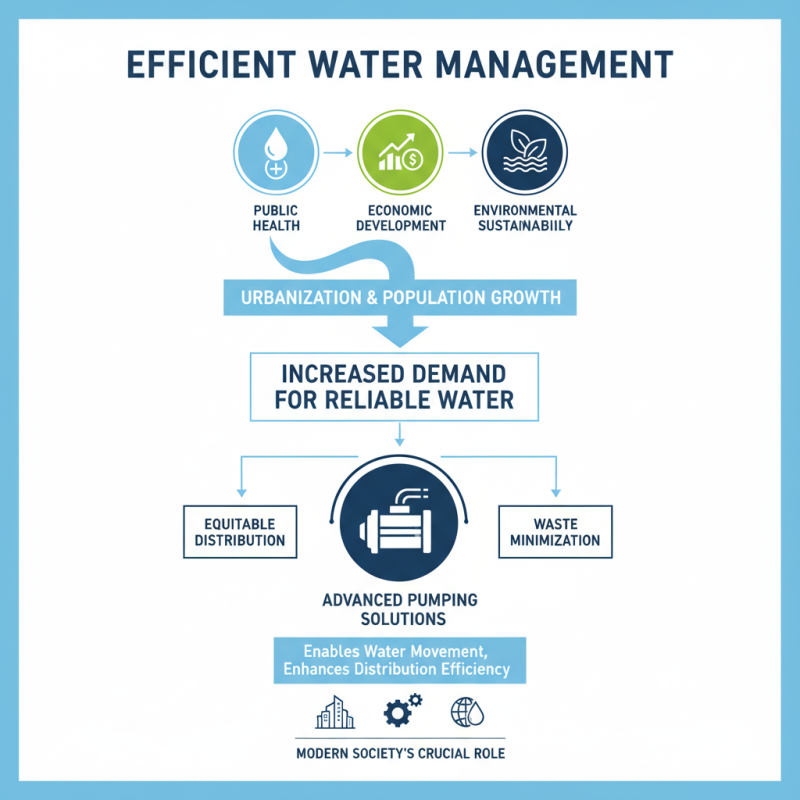
Efficient water management is crucial for modern society as it directly impacts public health, economic development, and environmental sustainability. As urbanization accelerates and populations grow, the demand for reliable water supply systems increases. This necessitates the implementation of effective water management strategies that ensure the equitable distribution of water resources while minimizing waste. Advanced pumping solutions play a vital role in achieving these objectives, as they enable the movement of water across varying terrains and enhance the efficiency of distribution networks.

Moreover, the importance of efficient water management extends beyond mere accessibility. It encompasses the need for sustainable practices that protect natural water sources and ecosystems. By optimizing water flow and reducing energy consumption, effective pumping systems contribute to lower operational costs and decreased carbon footprints. In turn, this aligns with global efforts to combat climate change and preserve valuable resources for future generations. As societies continue to face water scarcity challenges, integrating innovative technologies in water management becomes not just a choice but a necessity for fostering resilience and sustainability.
Overview of Pumping Solutions in Water Management Systems

Pumping solutions play a crucial role in the effective management of water resources, especially in addressing the growing challenges of water scarcity and infrastructure demands. Various pumping technologies are essential for regulating water supply, ensuring efficient distribution, and facilitating wastewater treatment. As urban populations rise and agricultural demands increase, the integration of advanced pumping solutions becomes vital to maintaining sustainable water management systems.

The global market for water and wastewater pumps is anticipated to experience significant growth, expanding from $18.81 billion in 2025 to an estimated $30.61 billion by 2032. This surge is driven by increasing investment in infrastructure projects, particularly in North America, where demand for pump equipment is on the rise due to extensive megaprojects. Furthermore, regions like Africa are recognizing the essential role of pumps in alleviating water scarcity, showcasing the vital importance of efficient pumping solutions in enhancing overall water management strategies.

Types of Pumping Solutions and Their Applications

Why Pumping Solutions Are Essential for Efficient Water Management Systems

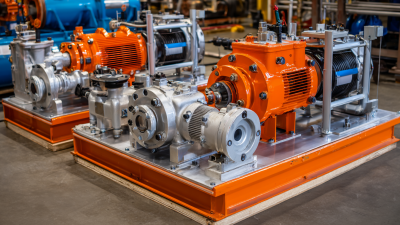
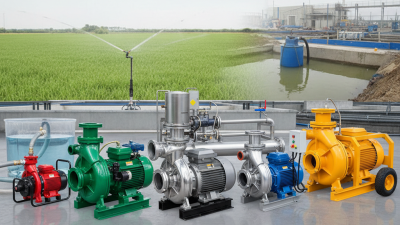
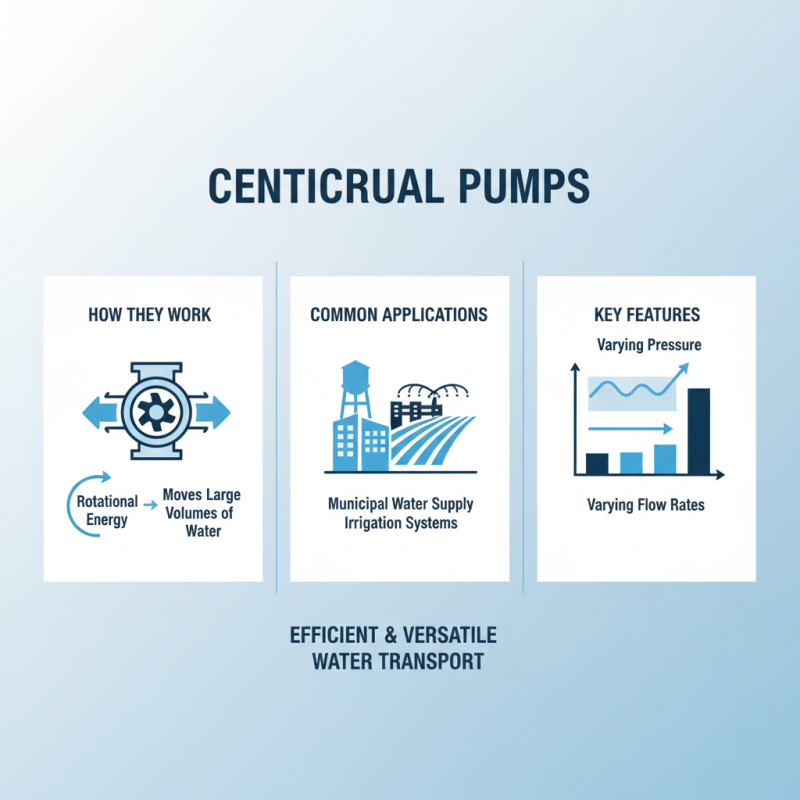
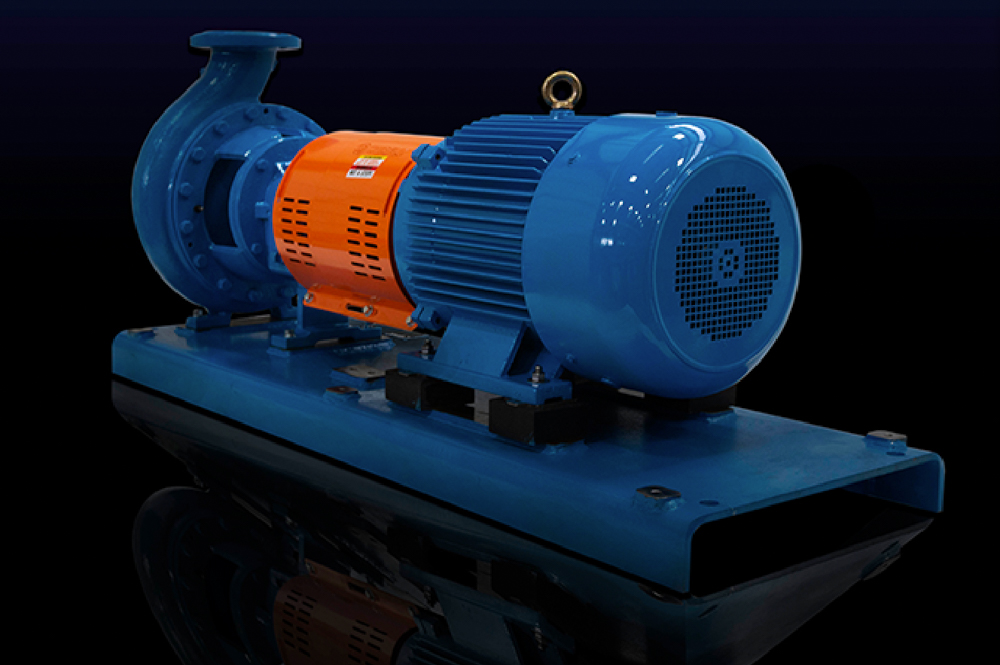
Pumping solutions are critical components in water management systems, offering various types tailored to specific applications. Centrifugal pumps are among the most widely used, ideal for transporting large volumes of water efficiently. They rely on rotational energy to move water and are commonly employed in municipal water supply and irrigation systems. Their ability to handle varying flow rates and pressure levels makes them versatile tools in both residential and industrial settings.

Another important type is submersible pumps, which operate underwater and are effective for groundwater extraction and sewage management. These pumps are sealed to prevent water ingress, making them suitable for deep well applications and areas with high water tables. Additionally, diaphragm pumps are favored for transferring more viscous fluids and chemicals, providing reliability in diverse industries, from agriculture to manufacturing. Each of these pumping solutions plays a vital role in ensuring efficient water management and addressing unique system demands, ultimately contributing to sustainable water use and resource management.

Benefits of Integrated Pumping Systems for Water Efficiency

Integrated pumping systems play a crucial role in enhancing water efficiency across various applications, from agricultural irrigation to urban water supply. One of the significant benefits of these systems is their ability to optimize energy consumption. By incorporating advanced pump designs and smart controls, integrated pumping solutions can adjust their performance based on real-time demand, significantly reducing unnecessary energy use and operational costs. This not only helps to conserve resources but also contributes to lower greenhouse gas emissions, making water management more sustainable.

Furthermore, integrated pumping systems facilitate better water quality management. By maintaining consistent flow rates and minimizing stagnation, these systems help prevent the proliferation of contaminants often found in stored water. Additionally, the integration of advanced monitoring technologies enables operators to track water quality parameters closely, ensuring compliance with safety standards. This holistic approach not only protects public health but also promotes trust in municipal water supplies, ultimately encouraging communities to engage more actively in water conservation efforts.

Why Pumping Solutions Are Essential for Efficient Water Management Systems - Benefits of Integrated Pumping Systems for Water Efficiency

Benefit Dimension Description Impact on Water Efficiency
Energy Efficiency Reduced energy consumption through optimized operation of pumps. Up to 30% reduction in energy costs.
Automatic Controls Integration of smart controls for better management of pump operations. Improved responsiveness to demand changes ensures optimal water usage.
Remote Monitoring Ability to monitor pumping systems from remote locations. Quick detection and resolution of issues, minimizing water loss.
Scalability Integrated systems can be scaled to meet growing water demands. Support for sustainable water management practices.
System Integration Combining multiple components into a unified system. Enhanced performance and reduced operational costs.

Challenges and Innovations in Pumping Technology for Water Management

Pumping technology plays a critical role in modern water management systems, facing numerous challenges that require innovative solutions. According to the Water Environment Federation, approximately 90% of urban water supply systems rely on pumps. As water scarcity becomes a global issue, intelligent pumping systems are increasingly vital to ensure efficient water distribution and conservation. Innovations such as variable speed pumps not only adapt to fluctuating demand but also reduce energy consumption by up to 30%, demonstrating their effectiveness in optimizing resource management.


Moreover, advancements in smart pumping technology, including IoT-enabled systems, have revolutionized monitoring and control processes. A report by McKinsey indicates that integrating smart technology into water infrastructure can lead to a 10-20% reduction in operational costs, while improving response times to system failures. These innovations are essential for overcoming challenges such as aging infrastructure and climate change impacts, enabling water utilities to enhance service reliability and sustainability in their operations. As the water management sector continues to evolve, the integration of cutting-edge pumping solutions will be key to meeting future demands efficiently.

Proud Member Of Curry Supply Holdings
Since 1932

Tour Our State-of-the-Art Facility

Click for a Quick Quote