Cost of Repairing vs. Replacing ANSI Pumps: A Comprehensive Analysis

Blog

What Is a Line Pump and How Does It Work?

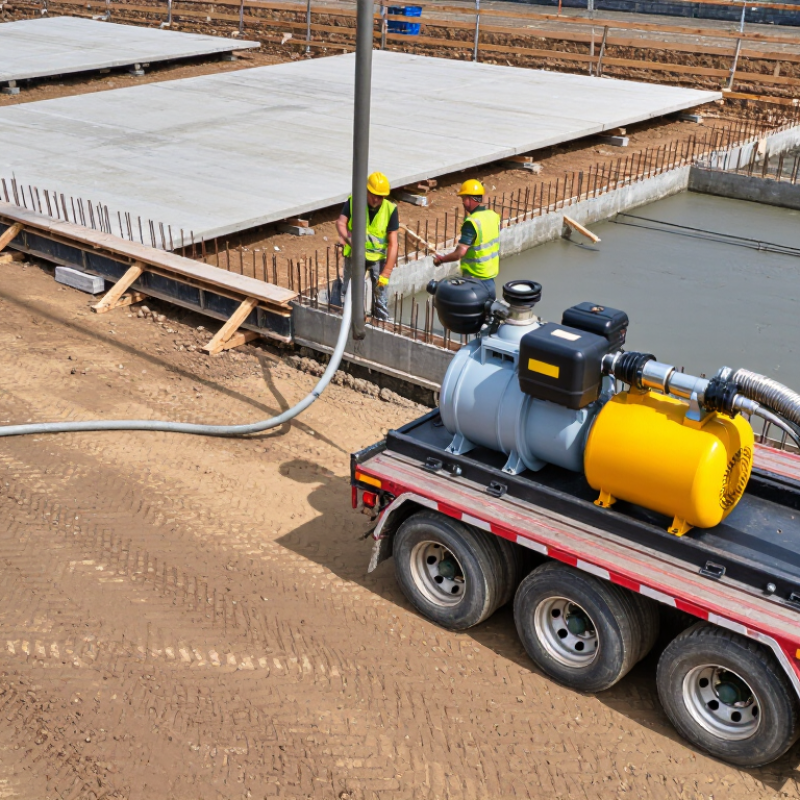
A line pump is a compact concrete-delivery machine designed for projects where access is narrow, distant, or awkward. It usually sits on a trailer and pushes concrete through connected hoses or steel pipes. Unlike a boom pump, it does not carry a large articulated arm. Workers guide the delivery hose by hand, placing concrete into foundations, slabs, walls, or restricted construction areas.

Concrete-pumping specialist Jim Baty is often associated with practical pumping education. He says, “Good pumping starts before the first cubic yard moves.” That idea matters. A line pump depends on more than engine power. The crew must check the mix design, hose diameter, pipeline layout, ground stability, and priming method. A poorly planned bend can increase pressure and create a blockage. Fresh concrete then stops moving, sometimes without warning.

Inside the machine, hydraulic cylinders drive twin pumping pistons. One piston draws concrete from the hopper while the other pushes it into the pipeline. A switching valve alternates their movement, producing a steady discharge. The operator controls flow from the pump, while hose handlers manage the final placement.

The principle sounds simple.

The work is not.

Concrete temperature, slump, aggregate size, and pumping distance can change performance quickly. Even experienced crews can misjudge a difficult pour. This article explains how a line pump works, where it performs best, and which setup details deserve closer attention. It also considers practical limitations, because a machine that fits through a narrow gate may still require careful planning, communication, and disciplined operation.
What Is a Line Pump and How Does It Work?

Definition and Main Components of a Line Pump

What Is a Line Pump and How Does It Work?

Definition and Main Components of a Line Pump

A line pump is a compact concrete pump that pushes wet concrete through connected delivery pipes or hoses. It suits slabs, walls, foundations, and locations where truck-mounted boom access is limited. The machine receives concrete through a hopper. Inside, an agitator keeps the mixture moving and reduces segregation. Pumping cylinders then draw concrete inward and force it toward the outlet valve.

The main components include the hopper, agitator, hydraulic power unit, pumping cylinders, valve assembly, control system, and delivery line. The valve alternates between cylinders, creating a steady discharge. Steel pipes carry pressure near the pump, while flexible hoses help workers reach corners. According to the 2024 Global Concrete Pump Market analysis by Grand View Research, demand is expanding with urban construction and infrastructure investment. That growth makes component reliability more important, not merely machine size.

Mix design affects performance sharply. A line pump needs workable concrete with suitable aggregate grading and enough paste. Oversized stone can obstruct the valve or hose. Field technicians usually check couplings, hose wear, lubrication, and pressure before pumping. American Concrete Institute guidance also stresses proper pipeline layout and controlled placement. Small details matter.

The diagram looks simple. Real sites are less forgiving.

A 2024 industry safety report from the American Concrete Pumping Association emphasizes trained operation, secure connections, and exclusion zones around pressurized lines. These measures sound obvious, yet rushed preparation still causes trouble. Pressure ratings may be overlooked. Cleaning procedures can also vary between crews. That is an uncomfortable weakness in otherwise professional operations.


How Concrete Enters and Moves Through the Pump

What Is a Line Pump and How Does It Work?

Concrete enters a line pump through a receiving hopper. A truck discharges the fresh mix into this open container. An agitator keeps the concrete moving and reduces separation before pumping begins. Beneath the hopper, two piston cylinders work in alternating strokes. One piston draws concrete into a cylinder. The other pushes material toward the delivery line. A valve redirects the flow between each stroke. This creates a steady, controlled movement through the pipe and hose.

The concrete then travels through connected steel pipes and flexible hoses. Pump pressure must overcome distance, height, friction, and hose bends. Mix consistency matters greatly. Concrete that is too dry may block the line, while excessive water can weaken the finished structure. On site, experienced crews check the slump, aggregate size, and line connections before pumping. A tight bend can increase resistance quickly. I have seen minor setup errors create serious delays. The system looks simple, but it requires constant observation.

Tips: Keep the hose path as straight as practical. Secure every connection before pressure rises. Start with suitable grout or approved primer when required. Watch the concrete leaving the hose, not only the pump gauge. If the flow changes suddenly, stop and investigate. Guessing can make a blockage worse.

What Is a Line Pump and How Does It Work? - How Concrete Enters and Moves Through the Pump

Process Stage Main Component What Happens to the Concrete Key Operating Detail Practical Consideration
1. Delivery to the Hopper Receiving hopper Fresh concrete is discharged from a mixer truck into the pump’s hopper. The concrete must remain workable and sufficiently uniform to flow into the pumping system. Large aggregate, stiff mixtures, or excessive delays can increase the risk of blockage.
2. Initial Agitation Hopper agitator A rotating agitator keeps the mixture moving and helps prevent cement paste and aggregate from separating. Continuous agitation supports a more consistent feed to the pumping cylinders. The hopper should not be allowed to run nearly empty during normal pumping.
3. Suction Stroke Concrete piston and cylinder As one piston retracts, it creates a low-pressure area that draws concrete from the hopper into the cylinder. The concrete follows the pressure difference rather than being pulled by a mechanical screw. Good workability and adequate paste content help the mixture fill the cylinder completely.
4. Valve Switching Rock valve or diverter valve The valve changes position to connect the filled cylinder with the delivery line while isolating the other cylinder. Valve timing alternates the suction and discharge paths. Correct valve movement is essential for a steady flow and reduced backflow.
5. Pressure Stroke Hydraulic drive system The hydraulic system pushes the piston forward, forcing concrete out of the cylinder. Hydraulic pressure is converted into the force needed to move concrete through the pipeline. Actual output depends on the pump design, concrete properties, line length, and elevation.
6. Entry into the Delivery Line Outlet and pipeline Concrete passes from the valve outlet into connected steel pipes or flexible hoses. The line provides a continuous enclosed route from the pump to the placement point. Couplings must be properly locked, and the line must be supported against movement.
7. Movement Through the Line Steel pipe and flexible hose Repeated piston strokes create pressure that moves the concrete along horizontal, vertical, or combined routes. Resistance increases with longer lines, more bends, greater elevation, and smaller internal diameters. Long-distance pumping requires suitable mix design, line planning, and pressure control.
8. Placement at the Outlet End hose or discharge outlet The concrete exits the line and is directed into the formwork, slab, footing, column, or other placement area. The operator controls the discharge location by moving the end hose or using additional piping. Workers should avoid standing beneath an unsupported hose or near an unsecured coupling.
Typical Pumping Range Line-pump configuration Line pumps are commonly used for residential work, slabs, footings, walls, and other projects requiring flexible access. Many units can deliver several cubic metres of concrete per hour, depending on operating conditions. Manufacturers’ capacities vary; site conditions and the concrete mix can substantially reduce practical output.
Flow Characteristics Concrete mixture and pump cycle Concrete moves in successive piston-driven volumes rather than as a perfectly continuous stream. The apparent flow becomes smoother as piston cycles become faster and the line remains properly primed. Sudden changes in consistency may cause surging, segregation, or loss of pumpability.
End-of-Pour Cleaning Cleaning sponge, water, or approved cleaning system Residual concrete is removed from the hopper, valve area, pipeline, and hose before it hardens. Cleaning is normally performed immediately after pumping is complete. Concrete residue can restrict the line, damage components, and create a serious blockage during the next use.

Note: Actual pumping performance varies with concrete slump, aggregate size, cement paste content, temperature, pipeline layout, elevation, equipment condition, and operator practices.

Step-by-Step Line Pumping Process

What Is a Line Pump and How Does It Work?

A line pump moves fresh concrete through connected steel or flexible pipes to a pour location. The step-by-step process begins with a site check. Workers inspect couplings, gaskets, bends, clamps, and pipe supports. A loose connection can become dangerous under pressure.

The crew then primes the pipeline with suitable grout or mortar. This reduces friction before concrete enters the line. The mix is checked against the approved specification, including slump, aggregate size, and consistency. ACI 304.2R identifies mixture grading, paste volume, and workability as major pumpability factors. Concrete enters the hopper, while the operator starts pumping slowly. The operator watches pressure and keeps the hopper supplied. A spotter monitors the delivery hose and surrounding workers. The hose should never be folded or aimed at people. The process sounds orderly. Real sites rarely are. Uneven ground, changing weather, or a delayed truck can disrupt the rhythm. If pressure rises suddenly, pumping stops. The line is isolated and depressurized before anyone investigates. The U.S. Bureau of Labor Statistics recorded 1,075 fatal injuries in construction and extraction occupations in 2023, reinforcing the need for disciplined controls.

Tips: Keep a written pre-pour checklist. Confirm communication signals before pumping. Never strike a blocked line. Clean the pipeline only after pressure reaches zero. ACI guidance is useful, but it cannot replace a site-specific risk assessment. I still recheck supports before every pour. It takes minutes. Mistakes cost more.

Common Line Pump Types and Their Applications

A line pump moves wet concrete through connected pipes and flexible hoses.

Its hopper receives the mix, while hydraulic pistons push concrete through delivery lines. Squeeze-tube and ball-valve systems control flow. The operator adjusts pressure, stroke speed, and hose routing from the pump unit.

In practice, mix design matters as much as machine power. Oversized aggregate, low slump, or long bends can increase blockage risk.

Common line pump types include trailer-mounted, truck-mounted, and compact skid-mounted units.

Trailer pumps suit house slabs, foundations, sidewalks, and medium-sized commercial floors. They are easy to position near narrow access points. Truck-mounted units reduce setup time and support larger projects, including bridge decks and multi-storey pours. Skid-mounted pumps work well inside tunnels, factories, and restricted sites.

High-pressure models handle longer vertical or horizontal delivery routes, but they demand stronger pipes and stricter inspections.

The categories overlap more than brochures suggest. Site access often decides the best choice.

A 2024 Grand View Research market report valued the global concrete pumps market at about USD 5.2 billion in 2023, reflecting steady demand across infrastructure and building work.

American Concrete Pumping Association guidance stresses proper line securing, communication, and pressure awareness.

These details are not optional.

Experienced crews also check hose wear, coupling locks, and concrete consistency before pumping. A rushed setup can turn a small delay into a dangerous, expensive stoppage.

Safety, Maintenance, and Performance Considerations

A line pump moves fresh concrete through flexible hoses and steel delivery pipes. A piston draws concrete into a hopper, then pushes it toward the pour location. Workers guide the hose manually. That last step needs judgment, not just strength. Mix design, aggregate size, slump, and pipe length directly affect flow. ACI 304.2R identifies these factors as central to successful pumping operations.

Safety begins before the engine starts. Inspect clamps, gaskets, hoses, and locking pins for wear or damage. Never stand directly in front of a pressurized hose. A blocked line can release stored energy violently. The U.S. Bureau of Labor Statistics recorded 1,075 construction deaths in 2023, with a fatality rate of 9.6 per 100,000 full-time workers. That figure covers many hazards, but it shows why routine controls cannot become casual habits. Keep workers clear, use agreed hand signals, and establish an emergency stop procedure.

Maintenance protects both people and output. Flush the line after each pour, remove hardened concrete, and check piston seals before the next shift. Lubricate moving parts according to the service schedule. Dust from cutting or breaking hardened concrete also matters. OSHA’s respirable crystalline silica rule sets an 8-hour permissible exposure limit of 50 micrograms per cubic meter, with a 25-microgram action level. Wet methods and suitable respiratory controls may be necessary. In practice, crews sometimes focus on pumping speed and ignore hose condition. I have found that assumption unreliable. A slower, inspected setup often delivers steadier pressure, fewer blockages, and less stressful correction work.

What Is a Line Pump and How Does It Work?

A line pump delivers concrete through connected delivery pipes or hoses. At a constant flow of 30 m³/h, smaller delivery lines produce higher concrete velocity, while larger lines reduce velocity and can help lower friction and wear. Actual performance depends on mix design, distance, elevation, bends, and pump capacity.

Calculated flow velocity is based on the circular cross-sectional area of each line at a constant flow rate of 30 m³/h. Before operation, inspect hoses, couplings, clamps, and pressure-rated components, and follow the equipment manufacturer’s safety and maintenance procedures.

Proud Member Of Curry Supply Holdings
Since 1932

Tour Our State-of-the-Art Facility

Click for a Quick Quote