Cost of Repairing vs. Replacing ANSI Pumps: A Comprehensive Analysis

Blog

What is a Line Pump and How Does It Work?

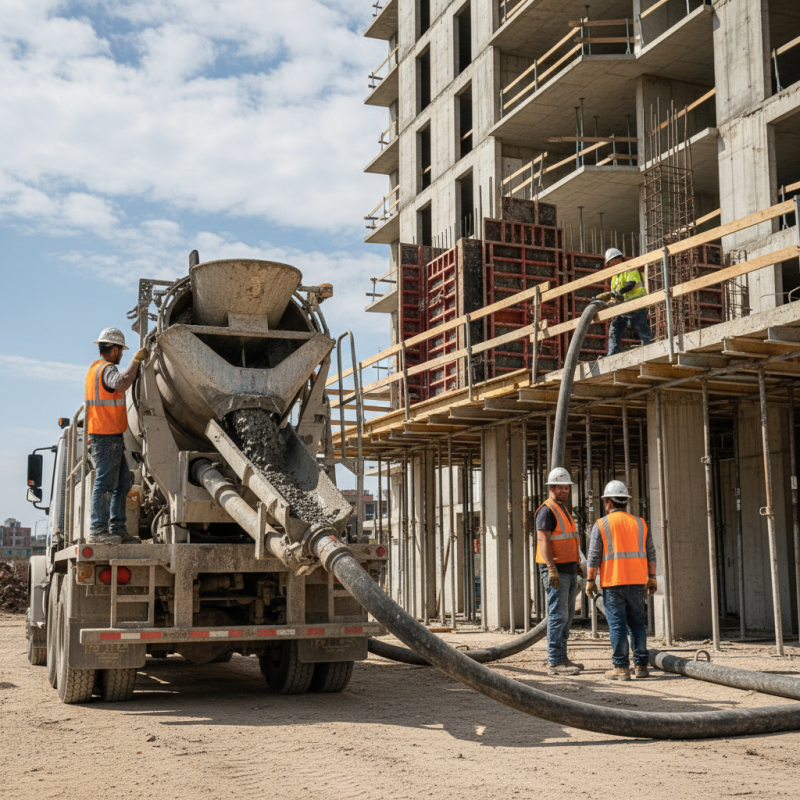
A line pump is an essential piece of equipment in concrete construction. It allows for the efficient transport of concrete through hoses, making it a popular choice on job sites. Understanding how a line pump works can enhance its effective use.

Line pumps utilize high-pressure pistons to push concrete through flexible tubes. This method offers flexibility in accessing hard-to-reach areas. The setup can be complicated and requires attention to detail. Operators must be trained and experienced to ensure safety and efficiency. Any miscalculation can lead to issues that affect the entire project.

Many professionals have mixed experiences with line pumps. Some find them invaluable, while others face challenges with clogging or pressure inconsistencies. It’s essential to weigh these factors when deciding on using a line pump. Ultimately, a line pump offers significant advantages, but it requires a thoughtful approach to ensure a successful outcome.
What is a Line Pump and How Does It Work?

What is a Line Pump?

A line pump is a specialized piece of equipment used in construction and concrete placement. It operates by transferring concrete through a series of pipes, allowing it to reach difficult locations. This method is advantageous for smaller projects where a boom pump might be cumbersome. According to industry experts, line pumps can effectively transport concrete to heights of 100 feet and more, depending on the setup.

The operation of a line pump relies on a positive displacement mechanism. This means that the pump pushes concrete along the pipeline using hydraulic pressure. Reports suggest that line pumps can handle up to 150 cubic yards of concrete per hour, offering significant efficiency for various applications. However, improper setup or maintenance can lead to issues such as blockages or pump failure, which could delay project timelines.

While line pumps are generally versatile, they have limitations. They are not ideal for all types of concrete mixes, especially those that are too thick or contain large aggregates. Additionally, experience is critical in operating these pumps effectively. Users often need to assess the specific requirements of each job, which can sometimes lead to miscalculations or oversight. Not recognizing these limitations can result in unexpected challenges on-site.
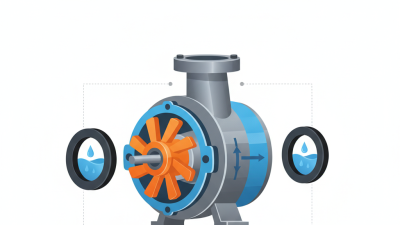
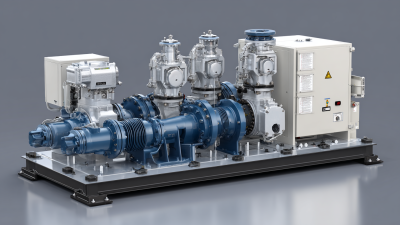
Key Components of a Line Pump

A line pump is essential for transferring concrete in construction projects. Understanding its key components can help you maximize efficiency. One major part is the pump itself, which operates using a series of pistons. These pistons push concrete through a pipeline, ensuring a steady flow. Industry reports indicate that effective use of line pumps can reduce project timelines by up to 25%.

Another critical component is the hose. The hose connects the pump to the desired location. It is designed to withstand high pressure, typically ranging from 800 to 1,500 psi. Selecting the right diameter for the hose can impact the flow rate. A smaller diameter increases resistance, slowing down the flow. Remember, the right hose choice is crucial for optimal performance.

Here’s a tip: Regularly inspect all components for wear and tear. Small issues can escalate into major problems. Also, consider the location of the pump. Ensure it’s positioned to minimize bends in the hose. This can maintain a smooth concrete flow. Utilizing line pumps effectively can significantly contribute to the success of your project while enhancing productivity.

How Line Pumps Work: The Mechanism Explained

Line pumps are crucial in the construction industry, facilitating the transport of concrete. These pumps utilize a hydraulic mechanism to move concrete through pipes. The system comprises a powerful engine and a series of valves that guide the flow. Research from the American Concrete Pumping Association indicates that line pumps can move concrete up to 1,000 feet horizontally and 150 feet vertically.

The mechanism of a line pump operates via a series of suction and pressure strokes. Concrete is drawn into the pump's chamber during the suction phase. Then, the pump compresses the concrete, forcing it through the pipeline during the pressure phase. This method is efficient for small to medium-sized projects. Reports suggest that improper setup can lead to common issues, such as blockages or slow flow.

While line pumps excel in many scenarios, operators must remain vigilant. Any failure in the hydraulic system can compromise the entire operation. Understanding the limits and mechanics of a line pump is essential. As projects become more complex, the demand for reliable line pumping solutions continues to grow, reflecting the need for skilled operators and maintenance personnel in the field.

What is a Line Pump and How Does It Work?

Feature Description
Definition A line pump is a type of concrete pump that uses pressure to transport concrete through a series of hoses to the desired location.
Mechanism Line pumps operate using a piston or ball valve system that creates suction, drawing concrete into the pump chamber and forcing it out through the discharge line.
Applications Commonly used in the construction of small to medium-sized concrete structures, including slabs, foundations, and residential projects.
Advantages Line pumps offer versatility, ease of maneuverability, and the ability to place concrete in hard-to-reach areas.
Disadvantages Line pumps can be slower than boom pumps and may require additional labor to manage hoses during operation.
Components Main components include the pump unit, hoses, couplings, and a delivery system that connects to the pump and the placement area.
Maintenance Regular maintenance includes cleaning the pump after use, checking for wear on components, and ensuring seals are intact to prevent leaks.

Applications of Line Pumps in Construction

Line pumps play a significant role in construction, particularly in concrete delivery. They are versatile and can effectively transport concrete through hoses over long distances. This makes them ideal for various applications, such as pouring concrete in hard-to-reach places, like high-rise buildings or narrow urban sites. The ability to maneuver easily makes line pumps a favorite among construction crews.

In commercial construction, line pumps are invaluable. They are commonly used for slab pours and wall placements. Accessibility is often challenging on job sites. Line pumps address this issue by fitting into tight spaces. They can deliver concrete exactly where it’s needed, reducing waste and ensuring efficiency. However, operators must be aware of potential complications, such as hose blockages, which can disrupt workflow.

Residential projects also benefit from line pumps. They provide an economical solution for home foundations and driveways. Smaller line pumps can handle the scale of these projects effectively. Despite their advantages, ensuring proper maintenance and training is crucial. Without it, operational issues may arise, leading to delays and additional costs. Understanding the mechanics and limitations of line pumps ensures a smoother construction process.

Advantages of Using Line Pumps Over Traditional Methods

What is a Line Pump and How Does It Work?

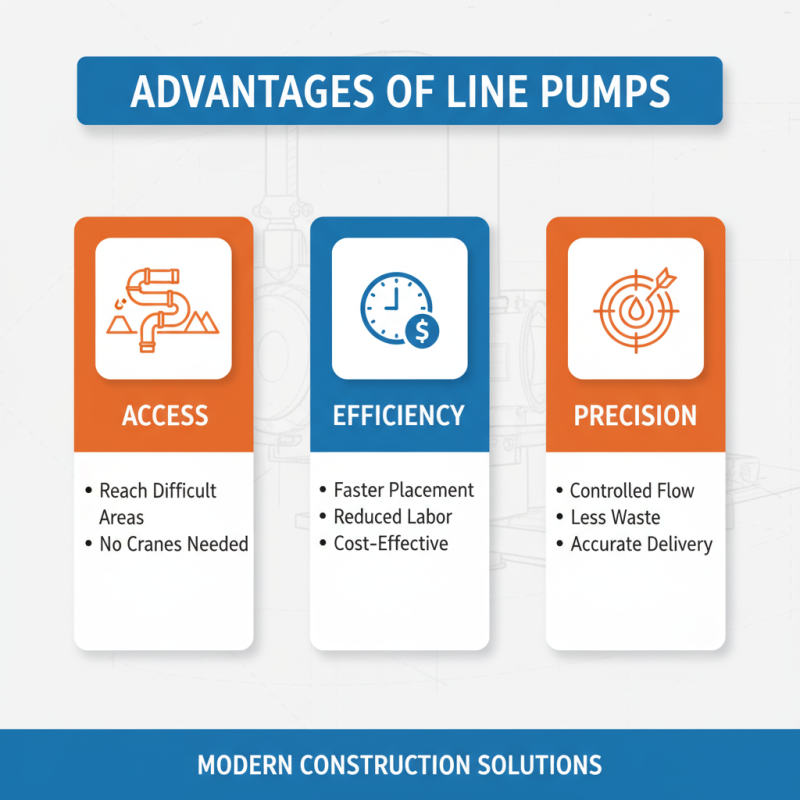
Line pumps have gained popularity in construction for their efficiency and versatility. They use a series of pipes to transport concrete along a predetermined path. This method allows for precise placement without requiring extensive setup. One significant advantage of line pumps is their ability to access hard-to-reach areas, unlike traditional concrete trucks. This can save time and reduce labor costs on job sites.

When using line pumps, consider the type of job site you’re working on. Inspect the location for any obstacles that may impede movement. Ensure the hose length is appropriate for your specific project needs. Take care to secure all connections to prevent leaks during operation.

Line pumps also offer a smoother flow of materials. This means fewer interruptions and better quality in poured concrete. You can mix different types of concrete mixtures without a problem. Flexibility in mixing and pouring can lead to more creative construction solutions. However, remember that improper use may lead to line blockages, requiring extra cleanup. Always keep your equipment in check and follow best practices to avoid these issues.

Proud Member Of Curry Supply Holdings
Since 1932

Tour Our State-of-the-Art Facility

Click for a Quick Quote