House pumps play a vital role in residential water management. These devices ensure steady water flow for daily tasks. According to a report by the American Water Works Association, household water demand has risen by 30% in the last decade. This increase emphasizes the importance of efficient house pumps.
Expert Jason Thompson, a water systems engineer, states, “Properly functioning house pumps can prevent water pressure issues and reduce energy consumption.” His insight highlights the critical balance between efficiency and performance. While many homeowners rely on house pumps, issues often arise from improper installation or lack of maintenance.
Understanding how house pumps work is crucial for homeowners. Awareness of potential problems can lead to timely solutions. Despite their importance, many still overlook regular checks. This can lead to unexpected failures and costly repairs. An informed approach to house pump maintenance is essential for sustainable home water use.
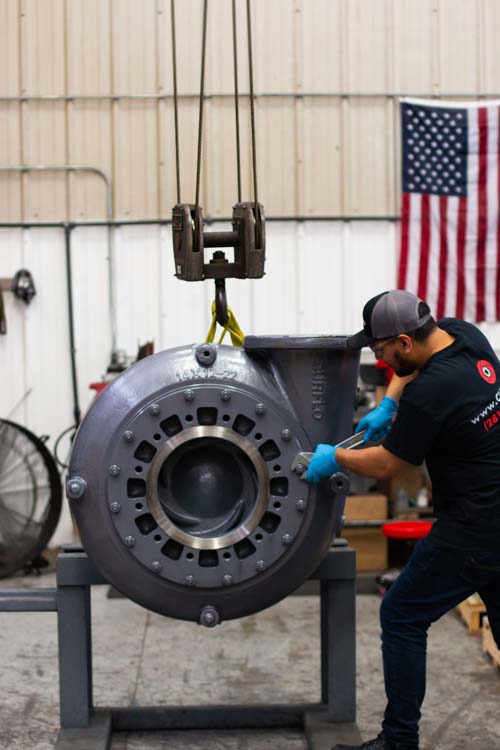
A house pump is an essential component in many homes. It is used to move water from one place to another. There are several types of house pumps, each serving different purposes. The most common types are submersible pumps and centrifugal pumps. Each type has unique features and applications.
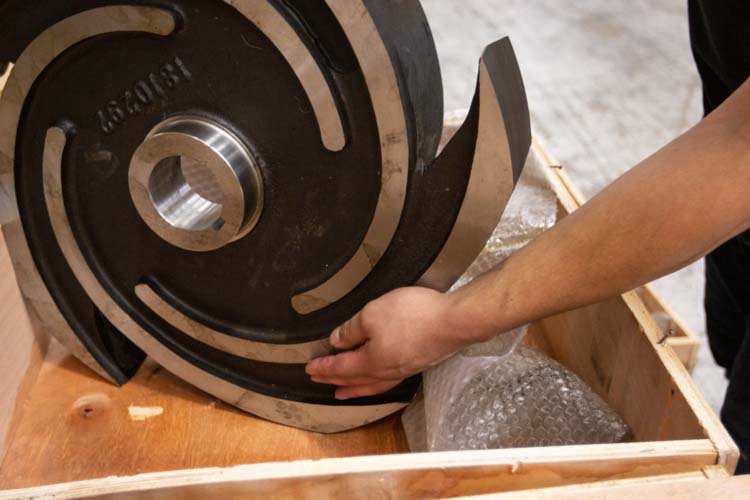
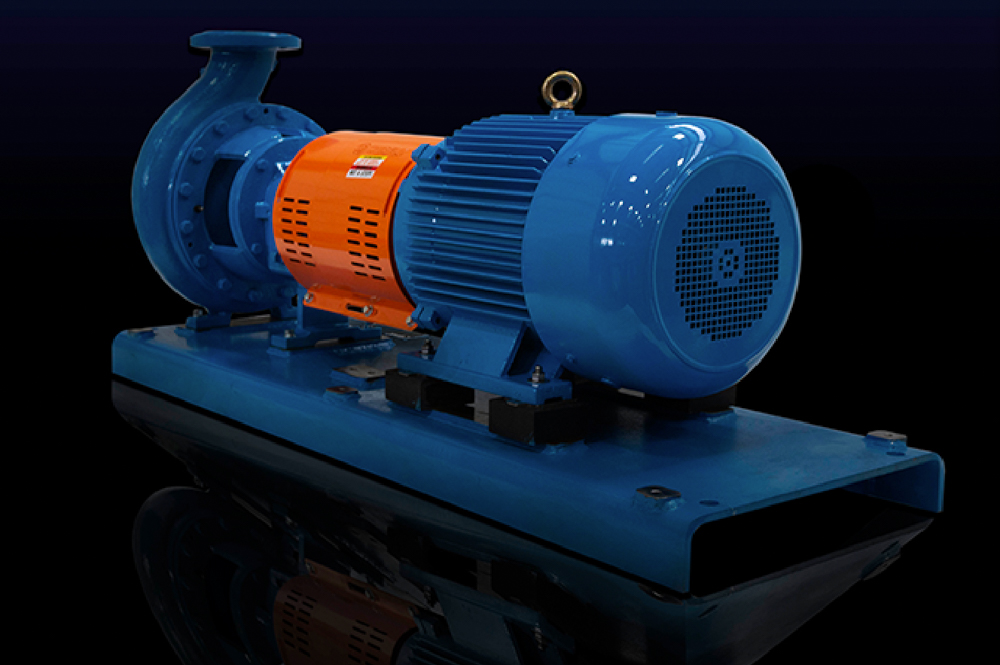
Submersible pumps are designed to be submerged in water. They are often used for wells or drainage. These pumps are efficient, as they push water to the surface. Centrifugal pumps, on the other hand, use a rotating impeller to move water. They are widely used for irrigation and household water supply. Understanding the right pump for your needs is crucial.
Choosing a house pump can be complex. Homeowners may overlook factors like flow rate and head pressure. Running the wrong pump can lead to inefficiency. Misuse can also cause wear and tear. It’s important to weigh your options carefully. Consider how long you plan to live in your home and your long-term needs. Ultimately, a well-chosen house pump can make your life much easier.
| Type of House Pump | Description | Applications | Key Features |
|---|---|---|---|
| Submersible Pump | A pump designed to be submerged in fluid for pumping. | Basements, flooded areas, and drainage applications. | Waterproof, energy-efficient, and suitable for deep applications. |
| Sump Pump | A type of pump used to remove water that has accumulated in a water-collecting sump basin. | Basements, crawl spaces, and flood-prone areas. | Automatic operation, capacity options, and reliable in storm conditions. |
| Jet Pump | A centrifugal pump that uses a jet of water to create a vacuum to draw fluid into the pump. | Wells and irrigation systems. | Effective for drawing water from deep wells and requires no electricity to operate given a water source. |
| Centrifugal Pump | Uses rotational energy to move fluids through a rotating impeller. | Water supply, HVAC systems, and swimming pools. | High efficiency, versatile in operation, and suitable for numerous applications. |
| Diaphragm Pump | Uses a diaphragm to create a pumping action for fluid transfer. | Water filtration systems and chemical transfer. | Self-priming, ideal for viscous fluids, and can handle solids. |
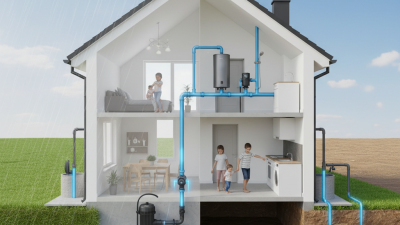
House pumps play a crucial role in residential water supply systems. They ensure a steady flow of water throughout your home. Without them, getting water to your taps would be quite a challenge. It’s a system designed for convenience.
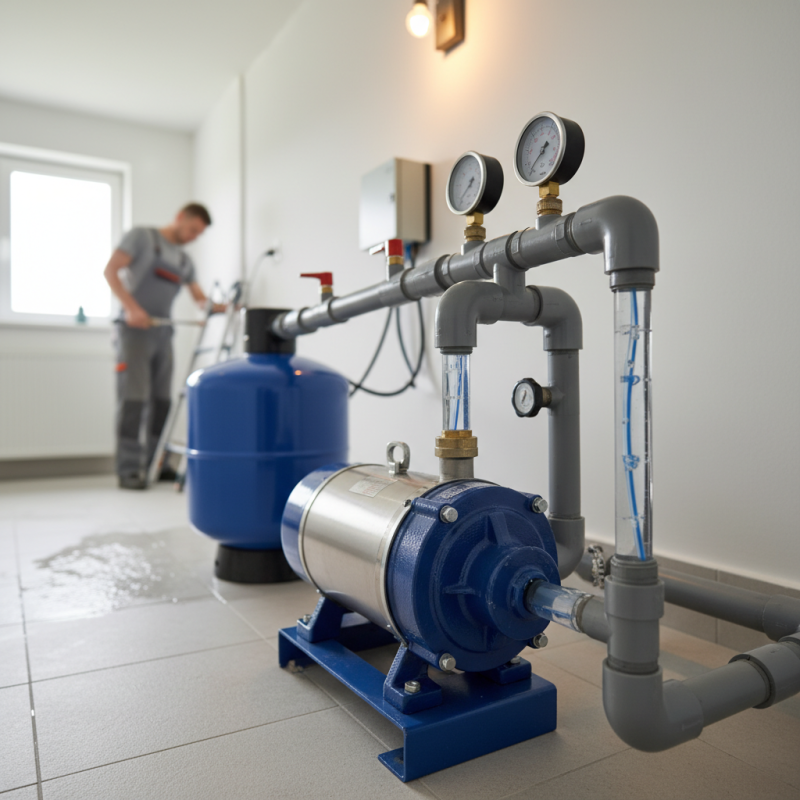
These pumps work by drawing water from a well or municipal supply. They create pressure to push the water through pipes to various fixtures. If the pressure is low, you might notice weak water flow. In some homes, a pump is necessary to lift water from deep sources. A malfunction can lead to inconvenience, like no water during peak usage times.
House pumps need regular maintenance. Over time, wear and tear can cause inefficiencies. It is wise to check their performance regularly. Sometimes, homeowners might overlook this until a problem arises. A sudden drop in water flow can disrupt daily activities. Think about the last time you faced such an issue. Reflection on maintenance can help prevent future complications.
A house pump is essential for moving water throughout your home. It functions by creating a difference in pressure. Water enters the pump, is pressurized, and flows to various outlets like faucets or hoses. This mechanical process often utilizes a motor to power the pump's critical components.
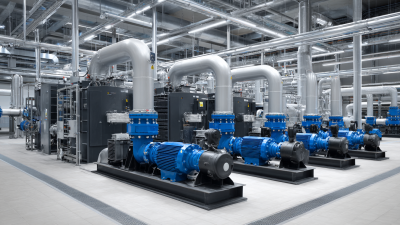
Understanding how house pumps work can be fascinating. They often use centrifugal force or positive displacement methods. Centrifugal pumps spin to generate a strong vortex, drawing water in and pushing it out. In contrast, positive displacement pumps trap a fixed amount of water and force it forward. This distinction affects their efficiency and application.
Tips: Keep your pump clean. Regular maintenance is crucial for optimal performance. Check for leaks and clogs, as they can cause significant issues. Scheduling an annual inspection can help ensure your pump operates smoothly.
Remember, not all pumps are created equal. Your home’s water needs should influence your choice. It’s worth reflecting on whether your current setup meets your home’s demands. Investing in a better pump might save you headaches in the long run.
This bar chart represents the power consumption of a house pump measured over the course of a week. As seen, the power usage tends to fluctuate, with Friday showing the highest consumption.
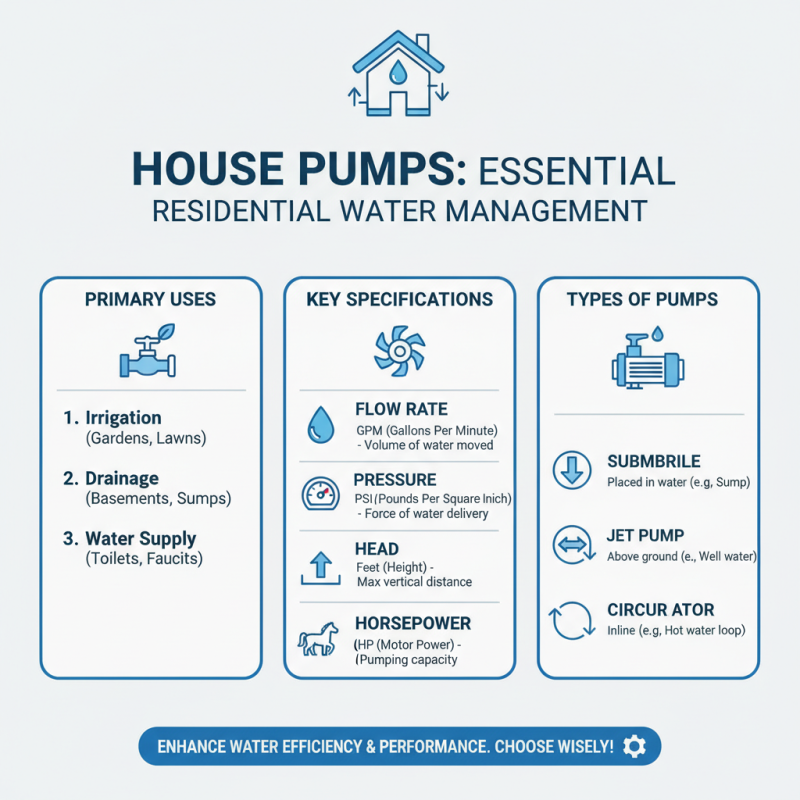
House pumps are essential devices for various water management tasks in residential settings. They help move water efficiently, whether for irrigation, drainage, or supplying water to a building. Understanding key specifications can enhance their functionality and performance.
When considering a house pump, flow rate is crucial. It indicates how much water the pump can move in a specific timeframe. Typical flow rates can vary, generally ranging from 10 to 100 gallons per minute. Another important metric is the pump's head, which measures the maximum height water can be pumped. This is significant when dealing with multi-story homes.
Additionally, energy efficiency should not be overlooked. Some pumps draw more electricity than necessary, leading to higher bills. A pump's durability is also vital; materials should withstand corrosion and wear. Regular maintenance is essential but often neglected. Over time, pumps can lose efficiency if not cared for properly. Choosing a high-quality pump is important, yet many overlook critical details during the selection process.
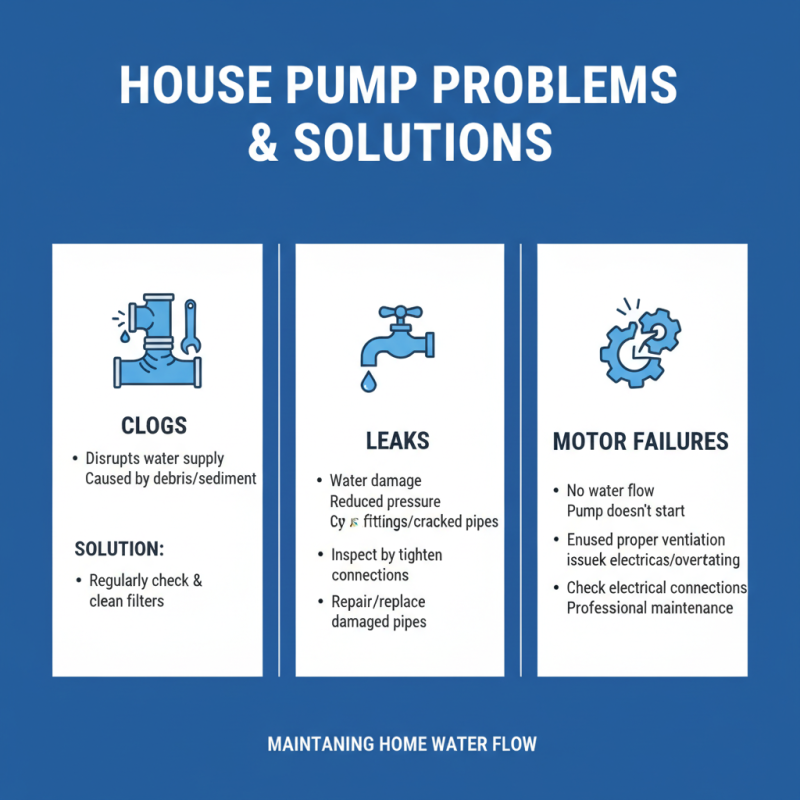
House pumps play a vital role in maintaining water flow within homes. Despite their importance, many homeowners encounter issues with these systems. Common problems include clogs, leaks, and motor failures. A clog can easily disrupt water supply. It is often caused by debris or sediment buildup. Regularly checking and cleaning filters can help prevent this problem.
Leaks are another frequent concern. They can lead to water damage if not addressed quickly. Check for signs of moisture around the pump. It’s also wise to inspect joints and connections. Sometimes, replacements might be necessary. Pay attention to unusual noises from the pump. These sounds often indicate problems that need immediate attention.
Maintenance can sometimes feel overwhelming. Yet, it is essential for long-term performance. Establish a routine check-up every few months. Observe the pump's operation and note any irregularities. Keeping a maintenance log can be quite useful. Even small issues, if ignored, may escalate into costly repairs. Remember to reflect on these practices to ensure your house pump functions smoothly.