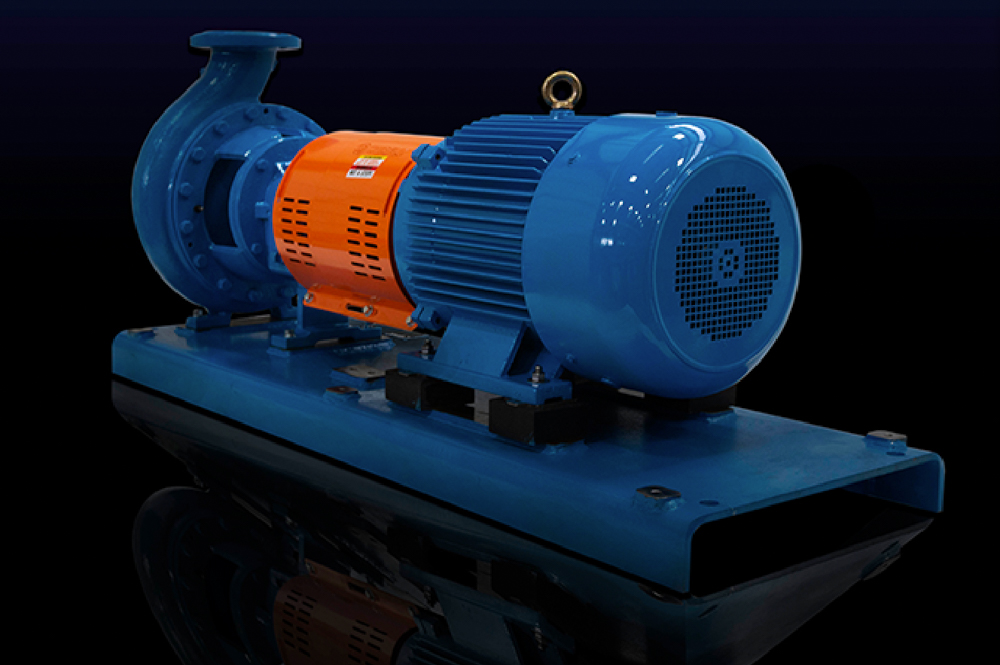
Cost of Repairing vs. Replacing ANSI Pumps: A Comprehensive Analysis

Blog

Essential Pump Parts Every Industry Should Know About?

Understanding essential pump parts is critical for various industries. From manufacturing to healthcare, pumps play a vital role. Knowing how these components function can prevent downtime and costly repairs.

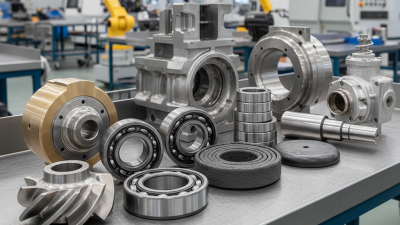
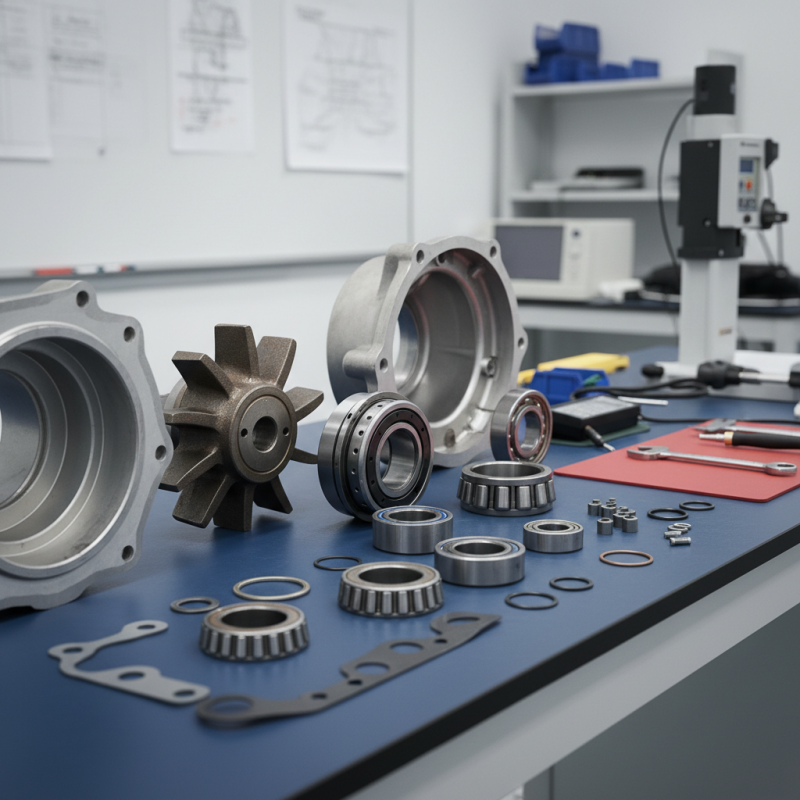
Every pump system has specific parts that ensure efficient operation. Key components include impellers, seals, and bearings. Each part serves a unique purpose, influencing performance. Identifying the right pump parts for your application can be challenging. It's easy to overlook certain details, leading to inefficiencies.

Industries often face issues due to lack of knowledge. Common mistakes include using incorrect seals or ignoring wear and tear. These oversights can result in significant losses. By learning more about pump parts, businesses can optimize their operations. It's essential to reflect on what each part contributes to the whole system.
Essential Pump Parts Every Industry Should Know About?

Understanding the Basics: What is a Pump and Its Functions?

Pumps play a crucial role in various industries, facilitating the movement of liquids. A pump is a mechanical device that moves fluids by converting mechanical energy into hydraulic energy. Their functions can range from transferring liquids to creating pressure in a system.

According to a report by the World Pumps Association, the global pump market is projected to reach $75 billion by 2025. This growth stems from advancements in technology and increased demand in sectors like water management and oil and gas. However, understanding the basic components of pumps remains essential. Key components include impellers, seals, and motors. Each part plays a significant role in pump efficiency and reliability.

For instance, impellers are responsible for the fluid's kinetic energy. Yet, improper material selection can lead to rapid wear or failure. Similarly, seals prevent leaks, which is vital for operational safety. Nonetheless, maintenance practices often overlook these critical parts until issues arise. Addressing this oversight can enhance operational efficiency and prolong equipment lifespan.

Essential Pump Parts Every Industry Should Know About

Part Name Description Function Material
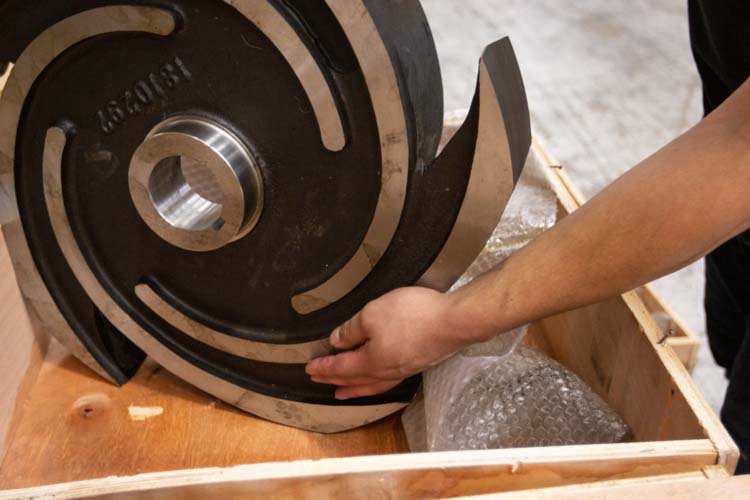
Impeller Rotating component that increases the fluid’s velocity. Transports fluid through the pump. Cast Iron, Stainless Steel, Plastic
Seal Prevents fluid leaks between components. Maintains fluid integrity and pressure. Rubber, PTFE, Mechanical Seal Materials
Casing Holds the pump components together and directs fluid flow. Encloses the pump and supports other parts. Cast Iron, Stainless Steel, Composite Materials
Suction Pipe Tubing that transports fluid into the pump. Allows fluid to enter the pump. Steel, PVC, Rubber
Discharge Pipe Moves fluid out of the pump. Directs the pumped fluid to its destination. Steel, PVC, Rubber

Key Components of a Pump: An Overview of Essential Parts

When exploring the essential components of pumps, understanding the basic parts is crucial. Every pump includes an impeller, casing, and shaft. The impeller creates flow, while the casing directs it to the outlet. A sturdy shaft connects the motor to the impeller. These components work together to ensure efficient operation.

Tips: Regular inspections can reveal wear and tear. Check the impeller for any damage regularly. This helps avoid unexpected failures and costly repairs.

Another key part is the seals. They prevent leaks and maintain pressure. However, seals can wear over time, leading to problems. It’s essential to replace them as needed. Don't ignore signs of fluid accumulation around the pump.

In addition, the bearings support the shaft's rotation. If they are not lubricated properly, they can overheat. Monitor their condition closely. Poor maintenance here leads to breakdowns. Prioritize routine checks for longevity and efficiency.

Types of Pump Parts: Specific Functions and Their Importance

Essential Pump Parts Every Industry Should Know About?

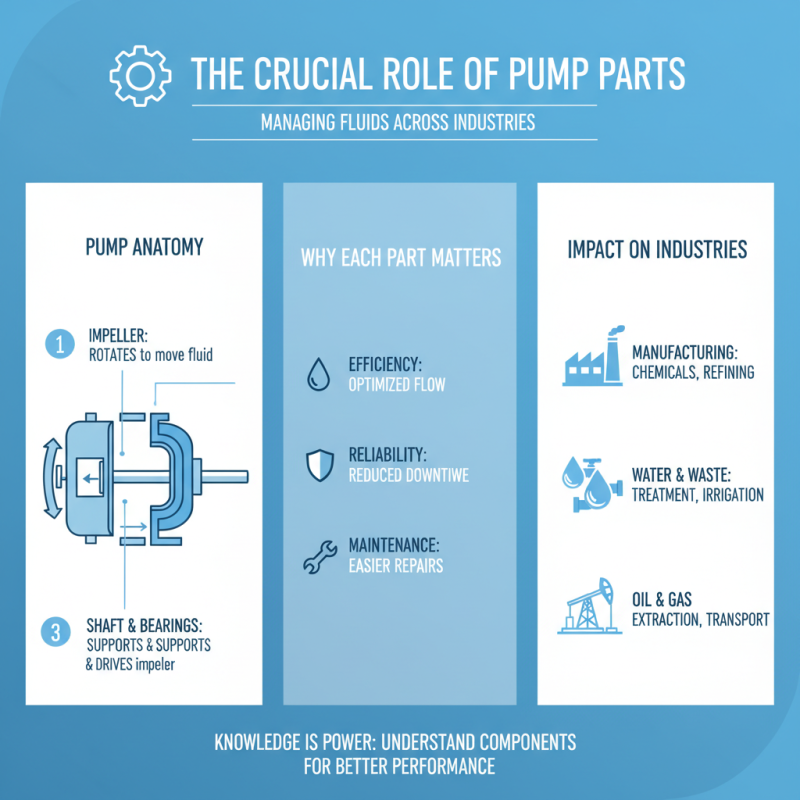
Pumps are vital in many industries, playing crucial roles in managing fluids. Understanding pump parts is essential. Each component has a specific function that impacts overall efficiency and reliability.

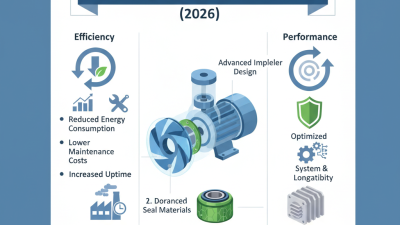
One critical part is the impeller. It's responsible for converting rotational energy into fluid momentum. According to industry reports, a well-designed impeller can enhance pump efficiency by up to 30%. Notably, the material of the impeller matters. Corrosion-resistant materials extend lifespan but may increase costs upfront.

Seals are another vital component. They prevent leaks, maintaining pressure and preventing contamination. Research shows that failing seals can lead to fluid loss, impacting over 20% of operational efficiency. Regular maintenance checks are crucial. Ignoring them can escalate costs and affect productivity.

Understanding these essential pump parts aids in optimized operations. Industries must evaluate the performance of each component regularly. A small oversight can lead to significant inefficiencies. Balancing quality and cost is an ongoing challenge.

Maintenance Tips for Essential Pump Parts in Various Industries

Pumps serve as critical components in numerous industries, from agriculture to manufacturing. Regular maintenance of essential pump parts can enhance efficiency and prolong service life. According to the Hydraulic Institute, approximately 30% of pump failures result from improper maintenance. Focusing on key parts can lead to significant improvements.

Inspect seals and gaskets routinely. A small leak can lead to greater issues. Monitor pump bearings for unusual wear, which can indicate misalignment. The National Association of Manufacturing (NAM) reports that effective lubrication can increase bearing life by up to 50%. Regularly checking impellers is also crucial. Clogs or wear can drastically reduce performance.

Tip: Schedule monthly inspections to catch problems early. This can prevent costly repairs. Additionally, maintain a spare parts inventory to minimize downtime. It’s tempting to delay maintenance, thinking, "It's working fine." But this can lead to bigger failures and higher costs in the long run. Pay attention to vibrations and sounds during operation. These can be early signs of trouble. Taking proactive steps is essential for sustainable operations.

Selecting the Right Pump Parts for Optimal Performance and Longevity

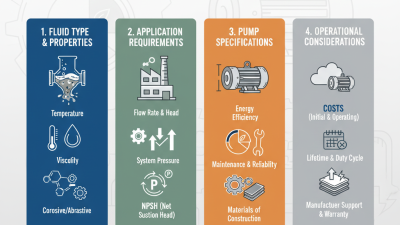
When choosing pump parts, focus on quality. High-quality materials enhance durability. They resist wear and tear better than cheaper alternatives. Stainless steel is a common option. It provides strength and corrosion resistance. However, not all stainless steel is equal. Different grades offer varying levels of protection. Make sure to understand these distinctions.

Another critical aspect is compatibility. Each pump operates differently. Parts must fit correctly to work efficiently. Mismatched parts lead to failures. It can be tempting to cut costs by mixing components. This decision often results in higher long-term expenses. Always verify that the parts align with the pump’s specifications.

Finally, consider maintenance requirements. Some parts demand frequent servicing. Others may last longer with minimal upkeep. Evaluate the maintenance schedules of different components. A less demanding option may save time and resources. Remember, investing in the right parts can prevent headaches later. Performance and longevity depend significantly on these choices.

Essential Pump Parts Every Industry Should Know About

This chart illustrates the importance level of essential pump parts for optimal performance and longevity. Each part plays a crucial role in ensuring the overall functionality of pumps across various industries.

Proud Member Of Curry Supply Holdings
Since 1932

Tour Our State-of-the-Art Facility

Click for a Quick Quote