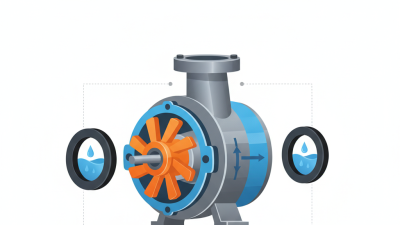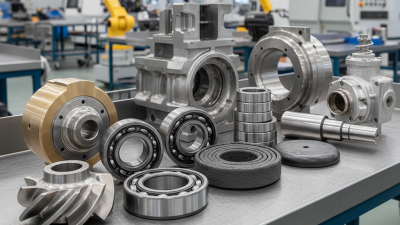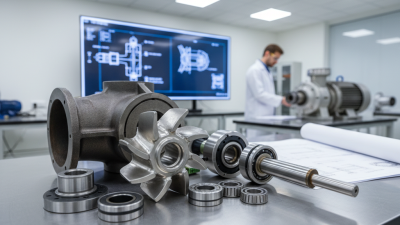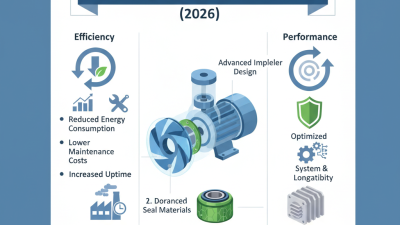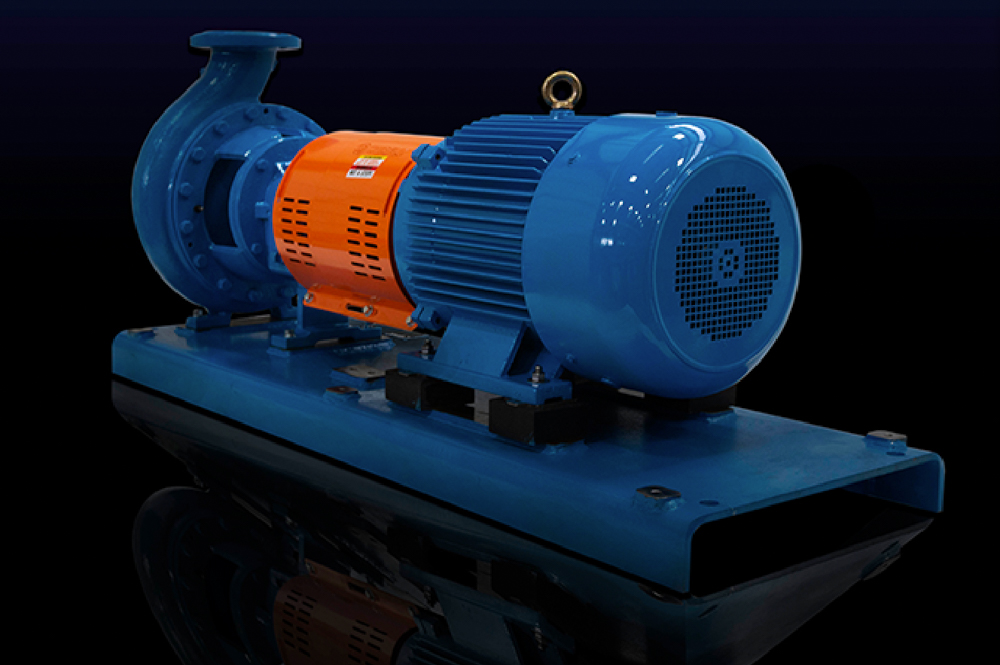
Centrifugal pumps are vital in many industries. Understanding centrifugal pump parts can enhance efficiency and longevity. Each component plays a crucial role, from the impeller to the casing.
The impeller drives the fluid, while the casing contains it. Seals prevent leaks and maintain pressure. A faulty seal can lead to significant issues over time. Regular inspection of these parts is crucial.
Neglecting any part can cause bigger problems. Even minor wear can affect performance. Being aware of these details can save time and money. It’s essential to know these parts before making decisions.
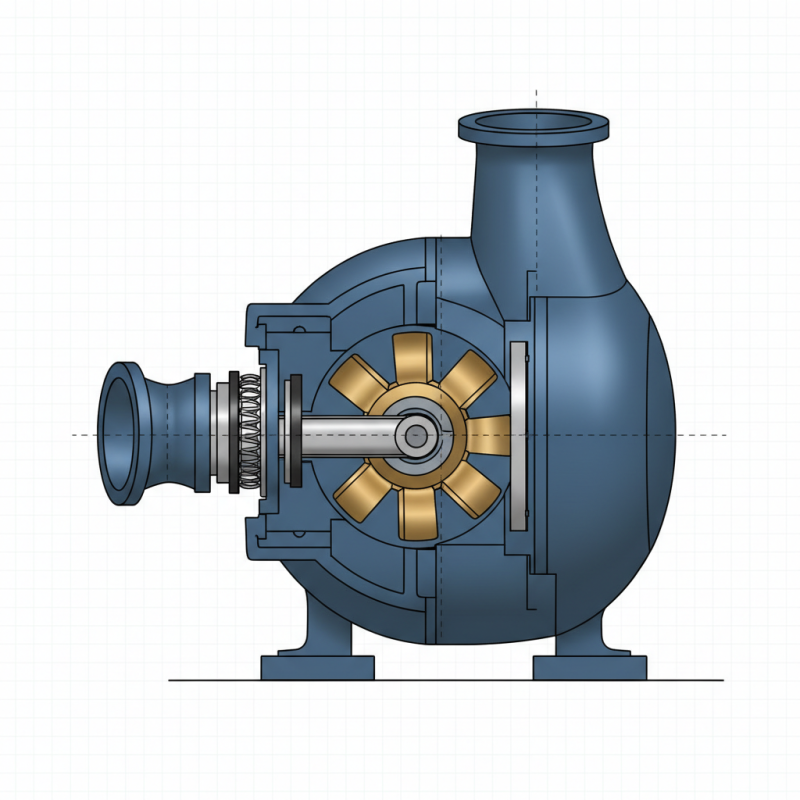
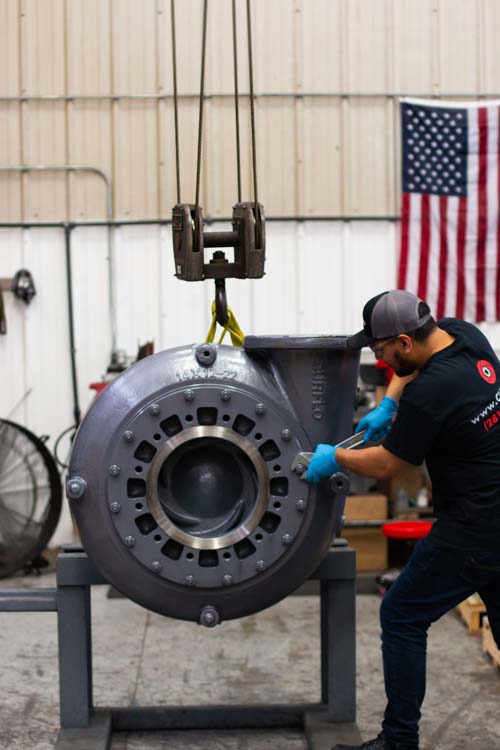
Centrifugal pumps play a vital role in various industries. Understanding their key components helps ensure efficient operation. Key parts include the impeller, casing, and sealing systems. The impeller is the heart of the pump. It transfers energy to the fluid, creating flow. A well-designed impeller can greatly improve performance.
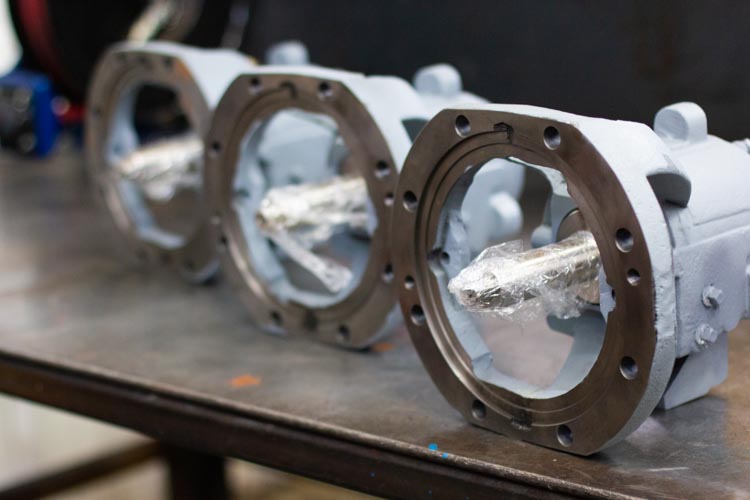
The casing houses all the internal components. It helps direct the flow of fluid. The shape of the casing affects the pump's efficiency. Attention to design details is crucial. A poorly designed casing can lead to turbulence and energy loss.
Sealing systems are essential for preventing leaks. Different materials and designs cater to specific applications. Choosing the right seal can be challenging. Improper sealing can cause significant downtime. Regular maintenance is necessary to extend the life of these components. Understanding each part and its function is key to optimizing pump performance.
| Component | Function | Material |
|---|---|---|
| Impeller | Increases the velocity of the fluid | Stainless Steel |
| Casing | Houses the impeller and directs flow | Cast Iron |
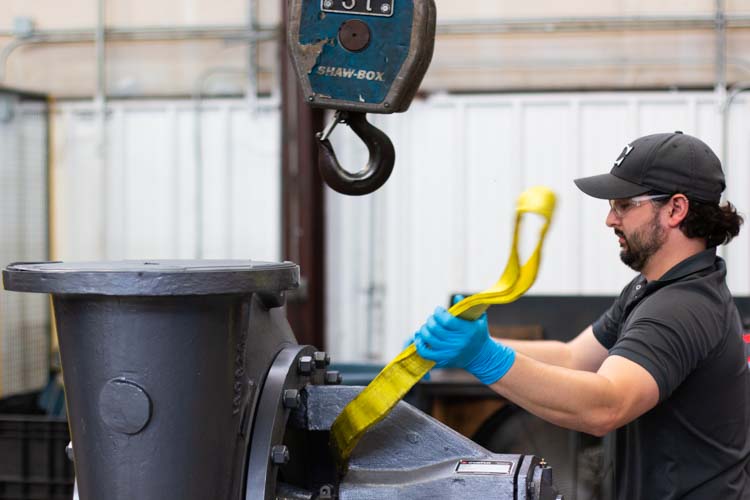
| Suction Bell | Leads fluid into the pump | Polymer |
| Mechanical Seal | Prevents fluid leakage | Ceramic |
| Bearing | Supports the rotating shaft | Bronze |
| Diffuser | Converts kinetic energy into pressure | Nylon |
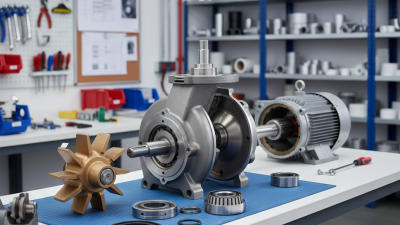
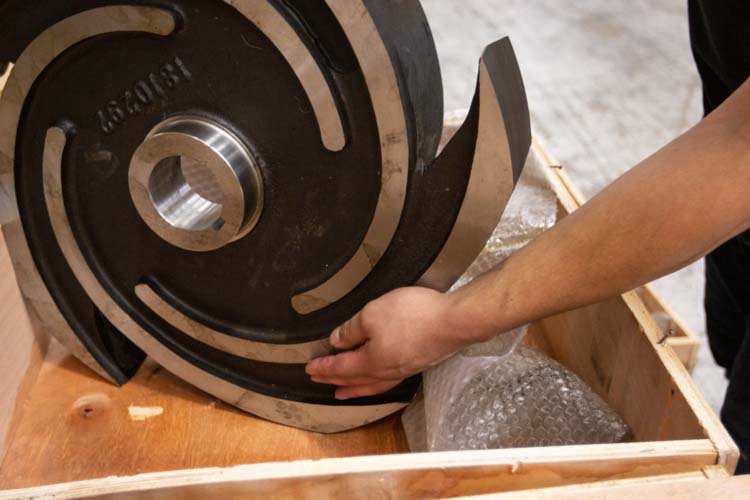
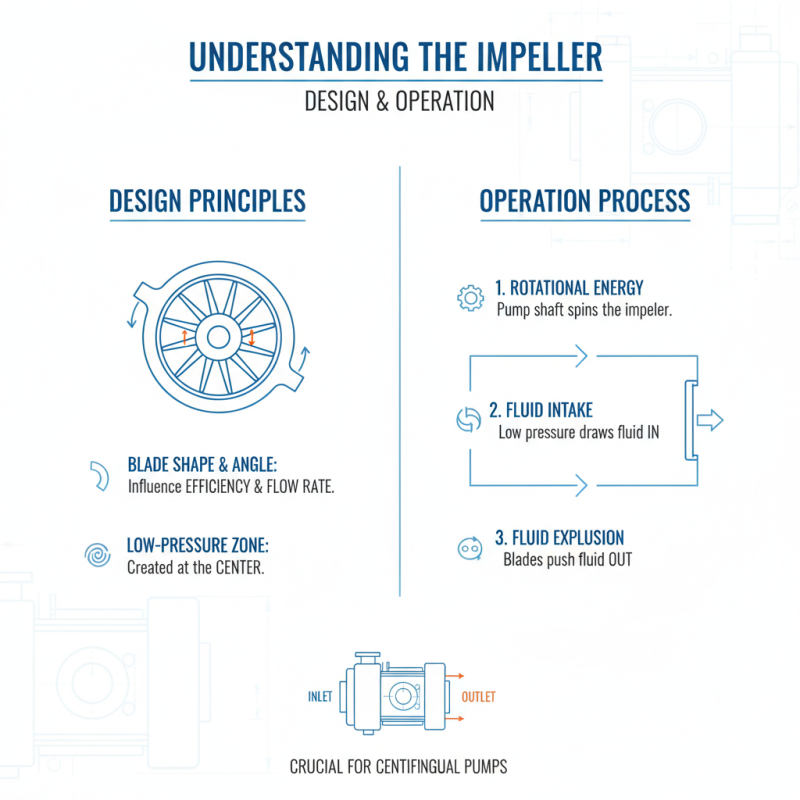
The impeller is a crucial part of a centrifugal pump. It is responsible for converting rotational energy into fluid movement. Designed to spin rapidly, the impeller creates a low-pressure zone at its center. This action draws fluid into the pump. The shape and angle of the impeller blades influence efficiency and flow rate.
When choosing an impeller, consider materials carefully. Different fluids may corrode or wear down certain materials. The wrong choice could lead to failures. Look for signs of wear regularly. Watch for vibration or noise; these can indicate problems.
**Tips:** Ensure the impeller matches the pump’s duty point. Understand the required flow rate and pressure. This knowledge helps select the right size and type. Regular maintenance is key. It’s easy to overlook small issues until they become big problems. Always inspect the impeller during servicing.
The volute plays a crucial role in centrifugal pumps. It is the spiral-shaped casing that surrounds the impeller. This unique design helps to convert kinetic energy into pressure energy. As fluid exits the impeller, it moves into the volute. Here, the flow expands, reducing velocity and increasing pressure. This transformation is vital for efficient pumping operations.
Understanding the volute's shape is important. A well-designed volute minimizes turbulence, which can reduce efficiency. Smooth surfaces and appropriate curvature allow for optimal fluid flow. Any imperfections in this area can lead to increased energy consumption and decreased performance. Regular inspection of the volute is a must for maintaining pump efficiency.
Tips: Always monitor the wear and tear of the volute. Small cracks can lead to significant issues. If you notice any performance drops, check the volute for damage. Regular maintenance can save time and costs. Remember, a well-functioning volute is key to your pump’s success.
Seals and bearings are vital components of centrifugal pumps. They play a key role in ensuring smooth operation. Seals prevent leaks, keeping fluids contained. A worn seal can lead to significant losses. It’s not just about efficiency; it’s also about safety. Regular checks can help identify issues early.
Bearings support the rotating parts of the pump. They reduce friction, enhancing performance. However, if bearings wear out, they can cause operational failure. This might lead to costly downtime. Observing unusual noises can be a warning sign. Ignoring these signs often leads to bigger issues later.
Maintaining both seals and bearings is essential. Regular inspections are needed to assess their condition. Sometimes, it’s easy to overlook small wear. Yet, those small details matter greatly. Upkeep requires time and effort, but the benefits are significant. Remember, a little vigilance goes a long way in ensuring pump reliability.
Maintaining your centrifugal pump is crucial for its longevity. Key components play a significant role in its performance. The impeller, for instance, is the heart of the pump. Its design affects flow rate and efficiency. According to a recent industry report, about 30% of pump failures occur due to impeller wear and damage. Regular inspections can help identify issues before they escalate.
Seals and bearings also deserve attention. They prevent leaks and reduce friction. A study from the Hydraulic Institute revealed that improper sealing can lead to a 15% increase in energy consumption. Regularly replacing worn seals enhances efficiency. Bearings need lubrication, too. Neglecting this can cause overheating and failures.
Monitoring these parts can extend the pump’s life. However, many operators overlook them. Yearly maintenance checks are often deemed unnecessary. But, a proactive approach can save costs in the long run. It helps avoid unplanned downtimes. Small efforts lead to significant benefits. Investing time in these essential components pays off over time.