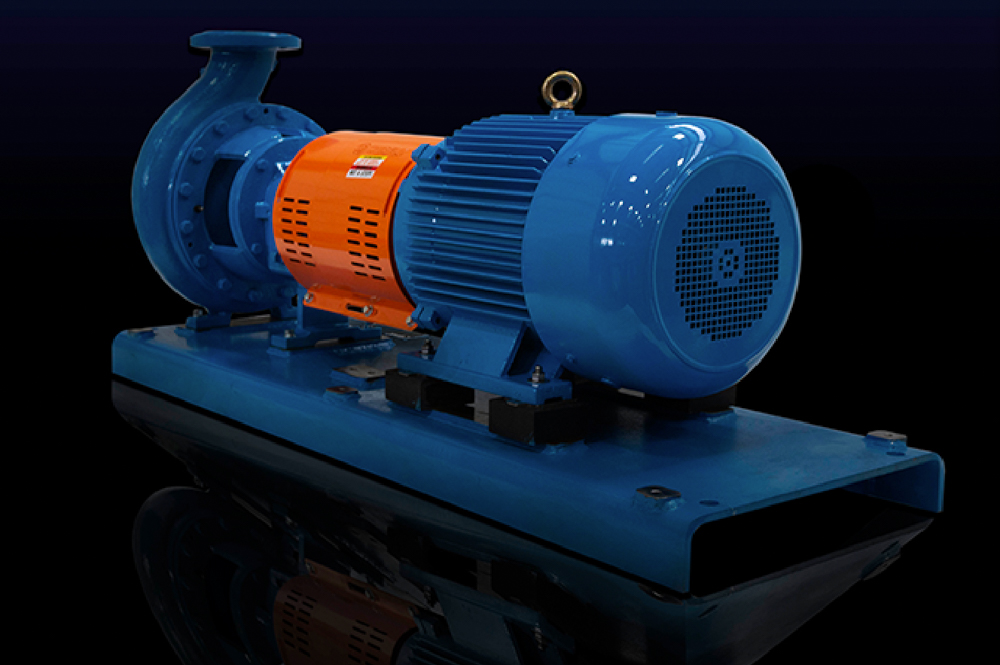
Choosing the right Chiller Series is essential for efficient cooling. It impacts both performance and energy consumption. Selecting the wrong series can lead to increased costs and maintenance issues.
Consider the specific requirements of your facility. Factors like capacity, efficiency, and operating environment should guide your choice. Some Chiller Series excel in high temperatures, while others are better suited for low loads. Reflecting on your unique needs can save time and resources in the long run.
Moreover, it's easy to overlook the importance of proper sizing. An oversized chiller may cycle on and off too frequently. This not only wastes energy but can shorten the chiller's lifespan. A careful evaluation can ensure you make the best decision. With the right Chiller Series, you can enhance productivity and reduce operational headaches.
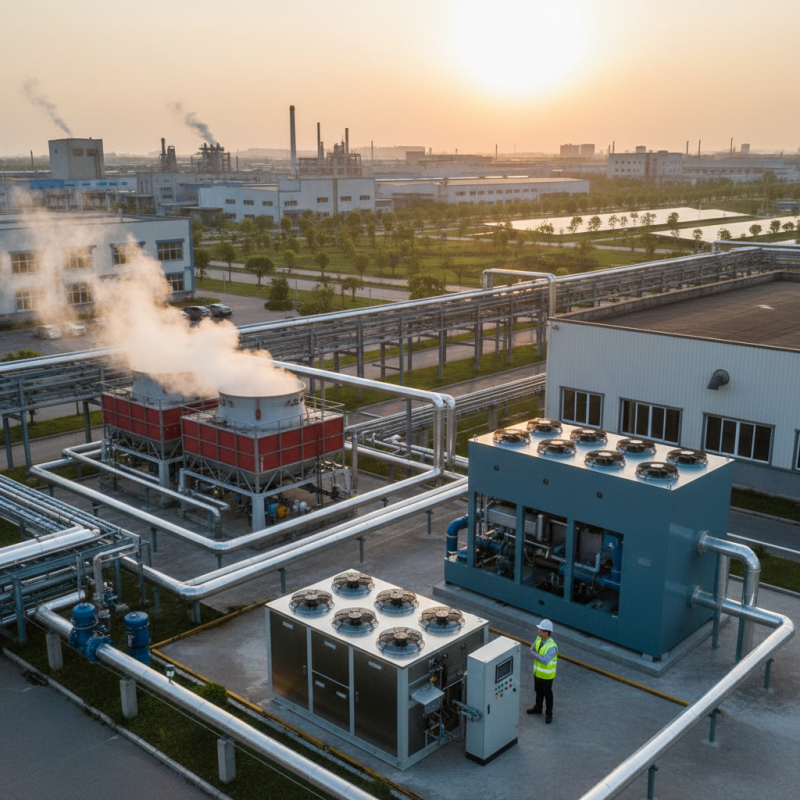
When choosing a chiller system, understanding the variety available is crucial. Chillers can be broadly categorized into air-cooled and water-cooled systems. Air-cooled chillers use ambient air to dissipate heat. They're often simpler to install and maintain. However, they may not be as efficient in hotter climates. Water-cooled chillers, on the other hand, rely on a water source for cooling. They tend to be more efficient but require more complex setups.
Each type comes with its pros and cons. Air-cooled systems are less expensive to install, but they can consume more energy. Water-cooled models, although efficient, involve higher initial costs and ongoing maintenance needs. Factors like installation space, budget, and energy efficiency should guide your decision.
It's essential to consider your specific needs. For some, an air-cooled chiller might suffice. For larger facilities, water-cooled models may prove necessary. However, overlooking long-term costs can lead to future challenges. Efficiency is key, yet it's easy to prioritize immediate savings over reliability. Evaluate all aspects carefully before diving in.
| Chiller Type | Cooling Capacity (kW) | Efficiency (EER) | Application | Typical Installation Costs |
|---|---|---|---|---|
| Air-Cooled Chiller | 100 - 700 | 3.0 - 4.5 | Commercial Buildings | $30,000 - $150,000 |
| Water-Cooled Chiller | 200 - 3000 | 4.0 - 6.5 | Industrial Applications | $50,000 - $500,000 |
| Absorption Chiller | 300 - 1000 | 0.5 - 1.5 | Process Cooling | $100,000 - $300,000 |
| Portable Chiller | 5 - 100 | 2.5 - 3.5 | Event Cooling | $3,000 - $20,000 |

When selecting a chiller, several key factors come into play. Understanding your specific needs is crucial. Consider the cooling capacity required for your application. Different processes generate varying heat loads. You may be surprised by how much heat even minor equipment can produce. This is a critical factor in ensuring efficient cooling.
Another aspect to consider is energy efficiency. More efficient chillers translate to reduced operational costs. Look for options with a high coefficient of performance (COP). Sometimes, the most efficient choice may have a higher upfront cost. Reflect on the long-term benefits versus initial expenses. It's not always a straightforward decision.
You should also evaluate the maintenance requirements. Some chillers need frequent upkeep, while others are more self-sufficient. This can impact your overall operational efficiency. Assess the reliability and durability of the chiller. Think about its application in real-world conditions. The best choice isn't always the most obvious one; it requires careful contemplation and introspection.
When selecting a chiller, energy efficiency ratings are crucial. Higher ratings mean lower operational costs. But not all units are created equally. Understanding these ratings can feel overwhelming. Still, it’s necessary for making informed choices.
Consider the Seasonal Energy Efficiency Ratio (SEER). This metric measures cooling output versus energy consumed during a cooling season. A higher SEER indicates better efficiency. However, it may come at a higher upfront cost. Balancing initial expenses and long-term savings is challenging.
Another key rating is the Energy Efficiency Ratio (EER). It reflects performance at peak conditions. A unit with an impressive EER can still underperform in real-world situations. The impact of environment and usage patterns often goes unnoticed. Review your specific needs and conditions. Prioritize energy efficiency but remain realistic about your budget. It may take some trial and error to find an optimal choice.
When selecting a chiller, cooling capacity is crucial. A chiller that is too small will struggle to maintain low temperatures. This can lead to inefficiencies and equipment damage. On the other hand, an oversized chiller wastes energy and increases operational costs. Striking a balance is not always easy.
Consider your specific cooling needs. Understand the heat load generated by your equipment. Calculate the required cooling capacity by factoring in all variables. This can be challenging, as many underestimate their actual needs. It may require multiple adjustments and a few trial runs to get it right.
Think about future needs, too. As operations expand, cooling demands can change. Investing in the right-sized chiller today can save you from costly upgrades later. Regularly reviewing your chiller's performance helps identify if it's time for a change. Always keep an eye on efficiency and performance. Small tweaks in setup can lead to significant savings.
The Importance of Cooling Capacity: Selecting the Right Size Chiller
When investing in a chiller system, maintenance is key. Regular check-ups can extend the lifespan of your unit. Neglect in this area can lead to costly repairs or early replacement. Scheduling monthly inspections is a good habit. Simple tasks, like checking coolant levels, are often overlooked. Don’t make that mistake.
Cleaning the condenser coils is another crucial task. Dirt buildup can hinder efficiency. A quick cleansing session can often revive performance. Inspecting the refrigerant is essential too. Low levels can indicate leaks. Addressing issues early can save you time and money.
Monitoring operational sounds is important as well. Unusual noises may signal troubles. Identifying these sounds early on can help prevent bigger problems. It’s not always easy to stay on top of maintenance, but a little effort goes a long way. Ignoring these maintenance tasks will lead to regrets down the road.