Cost of Repairing vs. Replacing ANSI Pumps: A Comprehensive Analysis

Blog

How to Choose the Right Industrial Centrifugal Pumps for Your Applications?

Choosing the right industrial centrifugal pumps can be challenging. These pumps are essential in various applications. They are widely used in industries like chemical processing, wastewater management, and food production.

Industrial centrifugal pumps come in various sizes and materials. Each type has its unique strengths and weaknesses. For instance, some pumps handle high flow rates well, while others are better suited for high-pressure applications. Understanding these differences is crucial for making an informed decision.

It is also important to consider the pump's efficiency and lifespan. An efficient pump reduces operational costs. However, not all pumps will last a long time under heavy usage. This could lead to frequent replacements and increased downtime. Thus, thorough research is necessary. Reflecting on your specific needs will help ensure you select the best pump for your application.
How to Choose the Right Industrial Centrifugal Pumps for Your Applications?

Understanding the Basics of Industrial Centrifugal Pumps

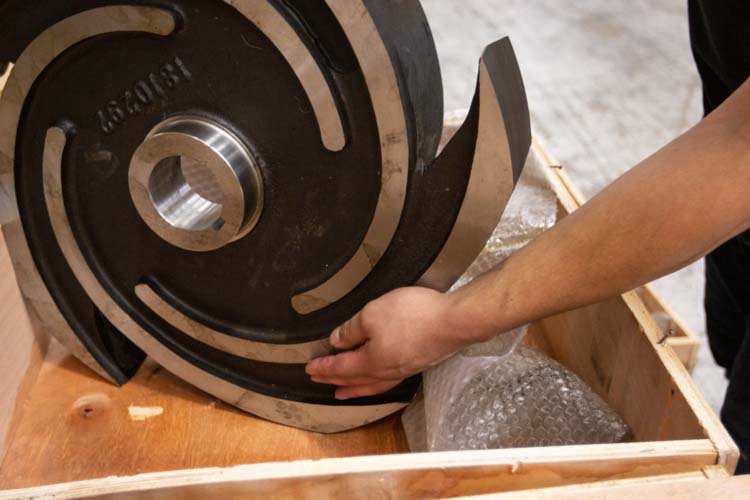
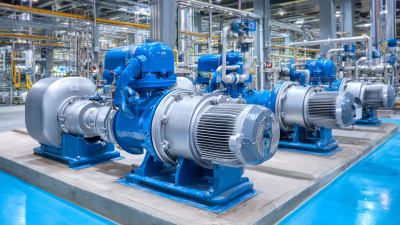
Industrial centrifugal pumps are crucial in various applications. Understanding their basics helps ensure optimal performance. These pumps work on a simple principle: converting rotational energy into fluid motion. This conversion is powered by an impeller, which pushes fluid outward.

According to a report by the Hydraulic Institute, about 25% of energy consumed in industrial operations comes from pumping systems. Selecting the right pump type can enhance efficiency. However, many users overlook factors like fluid characteristics and operational conditions. For instance, the viscosity and temperature of the fluid greatly impact the choice of pump material and design.

Additionally, proper sizing of the pump is essential. An oversized pump can lead to energy wastage, while an undersized one might struggle with flow rates. A 2019 study indicated that nearly 30% of pumps are misapplied due to inadequate sizing. Users must also consider maintenance needs. Regular inspections can prevent costly downtimes, yet many firms neglect this aspect. Understanding these factors creates a foundation for selecting the right industrial centrifugal pump for specific applications.
Key Factors to Consider When Selecting Centrifugal Pumps

Choosing the right industrial centrifugal pump is critical for efficiency. Several key factors play a significant role in this selection process. One primary consideration is the fluid's properties. For instance, viscosity and density affect the pump's performance. A more viscous fluid requires a pump with a higher capacity to maintain flow. Temperature is another factor that must not be overlooked. Pumps must endure the operational heat without risk of failure.

Another vital aspect to consider is the required flow rate. This is measured in gallons per minute (GPM) or liters per minute (LPM). An incorrect flow rate can lead to underperformance or inefficient operation. Additionally, the total dynamic head (TDH) must meet your system’s needs. If the TDH is underestimated, it can lead to reduced efficiency.

It’s also essential to evaluate the pump material. Different materials resist corrosion and wear differently. Selecting the wrong material may result in premature wear or breakdown. In some cases, users may overlook the impact of long-term maintenance costs. Neglecting these parameters can cause operational difficulties. A careful assessment is invaluable in the selection process.

Different Types of Industrial Centrifugal Pumps and Their Applications

Industrial centrifugal pumps come in various types. Each type has its own applications and features. Selecting the right pump is essential for efficiency and performance.

One common type is the vertical centrifugal pump. It is suitable for applications with limited floor space. These pumps are often used in water treatment and agricultural irrigation.


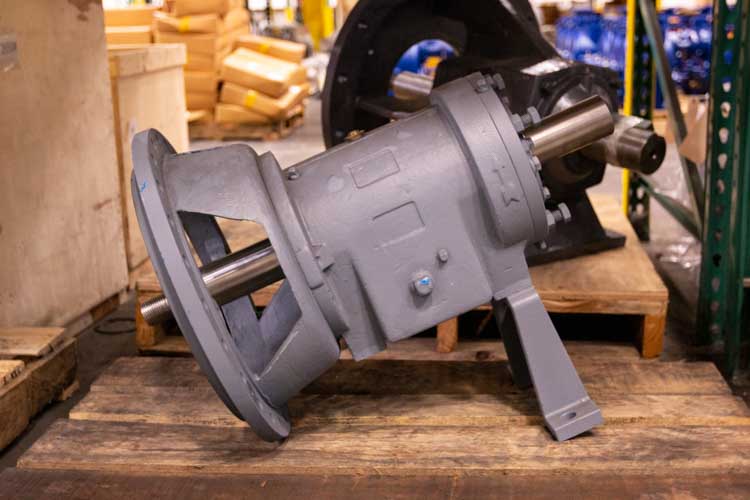
Another type is the horizontal centrifugal pump. It offers high flow rates, making it ideal for transferring liquids in processing plants. However, consider that these pumps require adequate space and installation expertise.


Multistage centrifugal pumps are designed for high-pressure applications. They are used in boiler feed pumps and reverse osmosis systems. While they might seem perfect, they can be overly complex for simple tasks. Always evaluate the operational requirements carefully. A pump that is too powerful can lead to inefficiencies and costs. Make sure to assess the specific needs before making a choice.
Assessing Pump Performance Metrics for Your Specific Needs

How to Choose the Right Industrial Centrifugal Pumps for Your Applications?

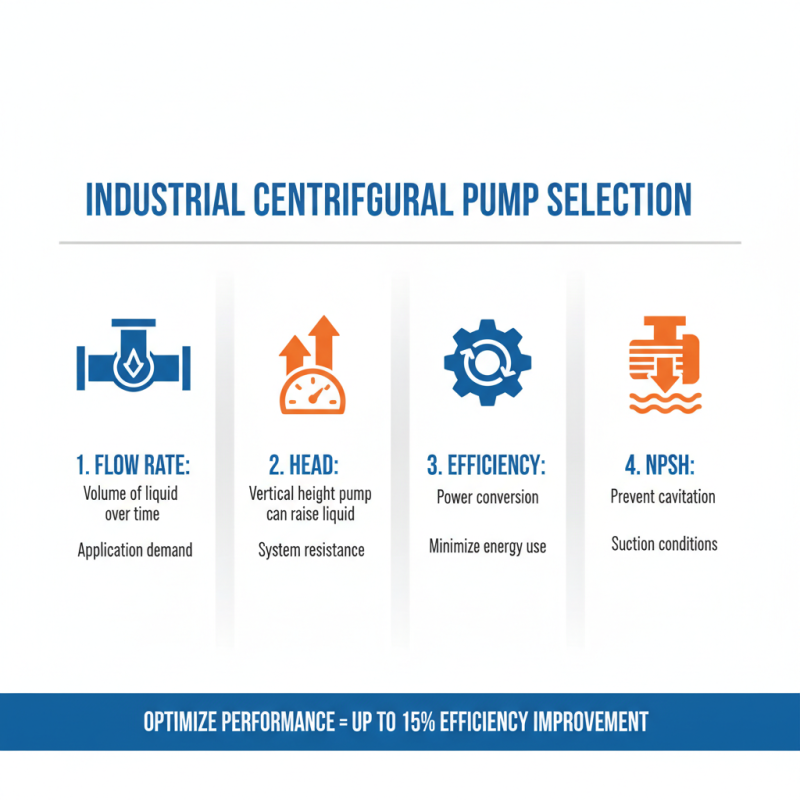
Choosing the right industrial centrifugal pump involves understanding specific performance metrics. Each application has unique requirements that drive pump selection. Key performance indicators include flow rate, head, efficiency, and NPSH (Net Positive Suction Head). According to industry reports, optimizing these metrics can improve operational efficiency by up to 15%.

When assessing flow rate, consider the total volume needed for your application over time. A typical centrifugal pump can handle flow rates from 10 to 15,000 GPM. However, matching the pump capacity to your actual requirements is crucial. Oversizing can lead to inefficient operation and increased energy costs.

Tip: Always evaluate the head requirement—the vertical distance the fluid needs to be lifted. Insufficient head can cause cavitation, damaging the pump. Regularly check the NPSH against the operational conditions. Maintaining a good buffer can prevent performance issues.

Ultimately, careful analysis of these metrics ensures you select a pump that’s fit for purpose. Remember, a mismatch can result in costly downtime, inefficient processes, and even pump failure. Consider also the material compatibility for your fluids, as it can simplify maintenance.

Maintenance and Longevity Considerations for Centrifugal Pumps

How to Choose the Right Industrial Centrifugal Pumps for Your Applications?

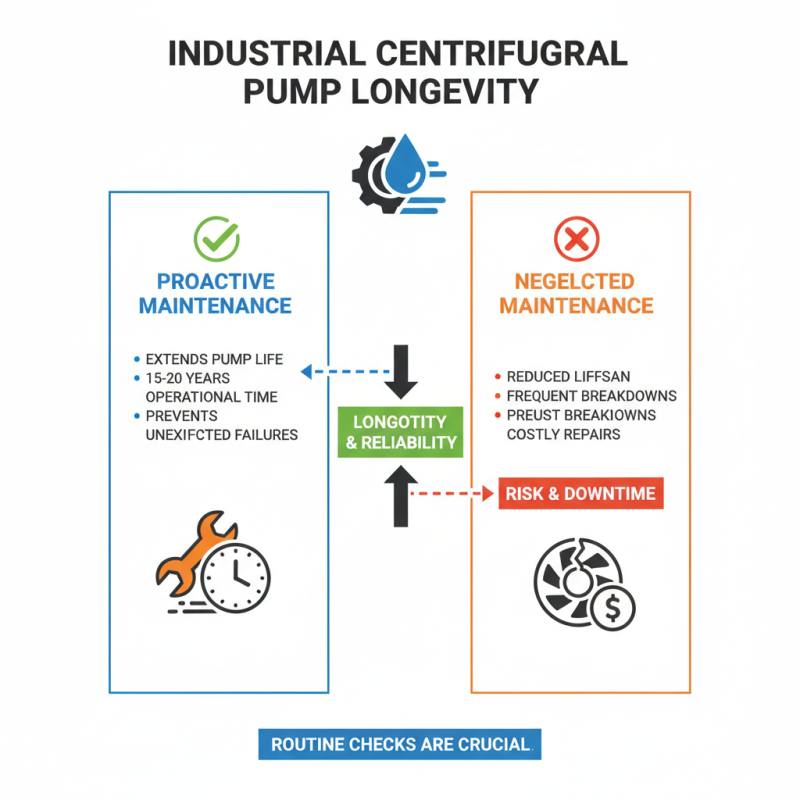
When selecting industrial centrifugal pumps, maintenance and longevity are critical factors. Regular maintenance can extend pump life significantly. Reports suggest that a well-maintained pump can last 15 to 20 years. Neglecting maintenance, however, can lead to unexpected failures. Many operators underestimate the importance of routine checks.

Lubrication is vital. Inadequate lubrication can lead to overheating. This can shorten the pump’s lifespan drastically. Monitoring vibration is another key aspect. A shift in vibration patterns often indicates an emerging problem. According to industry data, 25% of pump failures happen due to poor alignment and inappropriate installation.

It's common for technicians to overlook seals and gaskets during inspections. Failing to replace worn parts can magnify issues down the line. Specific data indicates that 70% of pump failures are attributed to mechanical seal failures. Regular inspections should include these components. Investing time in thorough maintenance can mitigate potential risks and enhance operational efficiency. Consider regular training sessions for staff too, as knowledge is essential for optimal pump care.

Proud Member Of Curry Supply Holdings
Since 1932

Tour Our State-of-the-Art Facility

Click for a Quick Quote