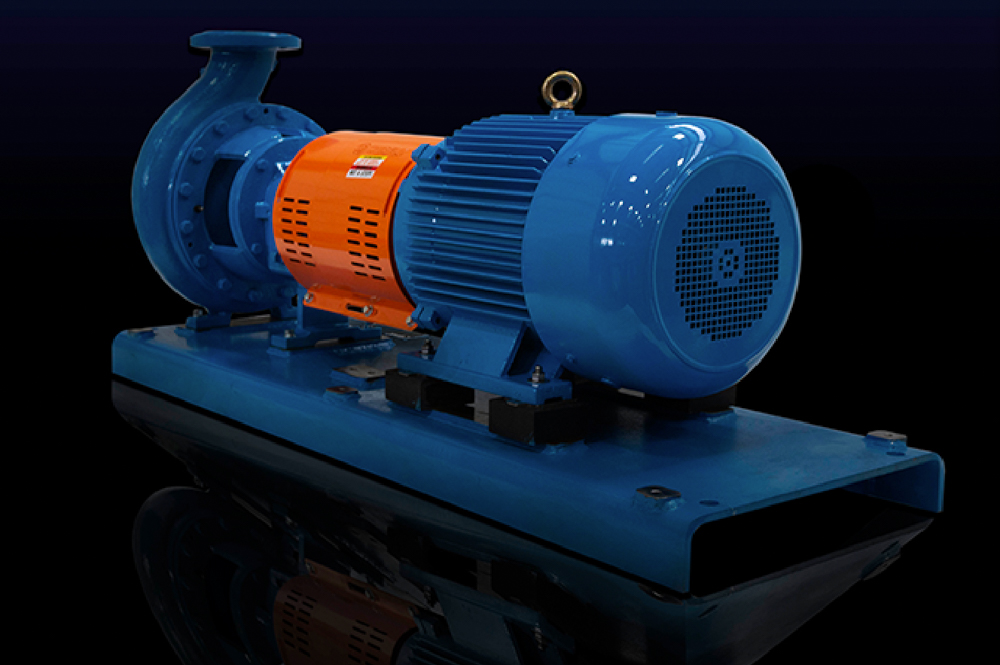
Choosing the right house pumps for your home can be daunting. There are many options available. Making the right choice is crucial for efficiency and comfort.
House pumps serve various functions, from draining water to boosting pressure. Each pump type has specific applications. Understanding your needs is essential. For example, a sump pump protects your basement from flooding. A well pump ensures a consistent water supply.
Not every house is the same. You may find that your home has unique requirements. It’s important to reflect on your water usage habits. Evaluate factors like location, climate, and plumbing systems. Choosing house pumps without thorough consideration can lead to issues. Over time, this decision may affect your home’s value. Take the time to research, and don’t rush the process.
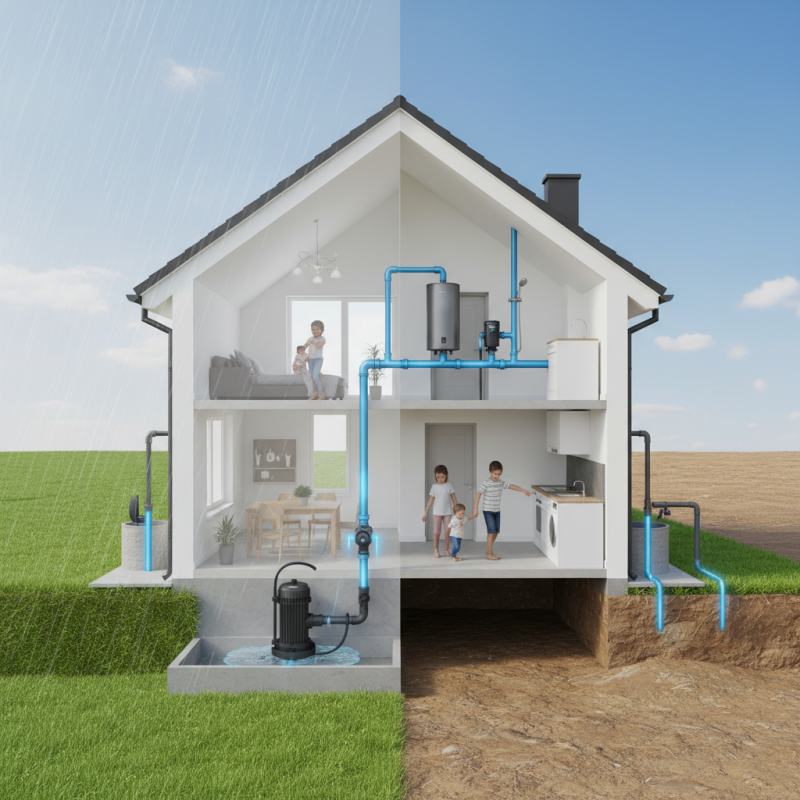
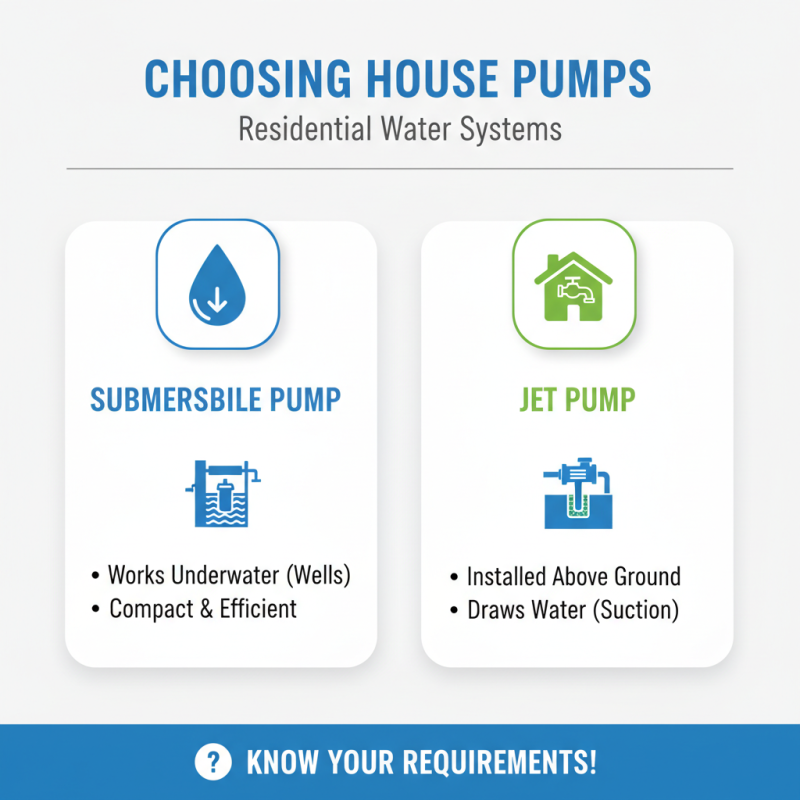
When selecting house pumps, understanding the types available is crucial. There are various options for residential use. Submersible pumps, for example, work underwater. They are compact and often used in wells. Another type is the jet pump, which is installed above ground. It draws water from wells through suction. Each type serves different needs, so knowing your requirements is key.
A sump pump is an essential device for homes susceptible to flooding. It prevents water accumulation in basements. However, installation can be complex. Regular maintenance is often overlooked, leading to failures. Conversely, fountain pumps add beauty to outdoor spaces but can be less efficient for large volumes. Assess the specific needs carefully.
Pressure pumps help deliver consistent water flow. They're vital for homes with varying demands. But they can consume more energy. This can lead to higher bills if not managed properly. Homeowners must think about size, power, and efficiency when making a choice. Evaluating your household's water demand is a step often ignored.
Understanding your home's water needs is crucial when selecting house pumps. According to industry reports, average households use about 80 to 100 gallons of water per person daily. This figure varies based on usage patterns. For instance, families may need more water during peak hours, like in the mornings or evenings. Analyzing your household's water consumption can help in choosing the right pump capacity.
Consider what water sources you'll require. If you frequently water a garden, or fill a pool, you might need a more powerful pump. The EPA suggests that outdoor usage can account for 30% of total household water consumption. It's also essential to observe seasonal variations. For example, during summer, your water needs may double, stressing the pump's efficiency.
Ignoring these details can lead to purchasing an inadequate pump. Many homeowners overlook their actual usage patterns. They might choose a pump based on average data without reflecting on personal needs. Such missteps can result in inefficient water supply and increased costs. Always track your water usage for a clearer picture. This understanding can significantly impact the pump's effectiveness and your home's overall water management strategy.
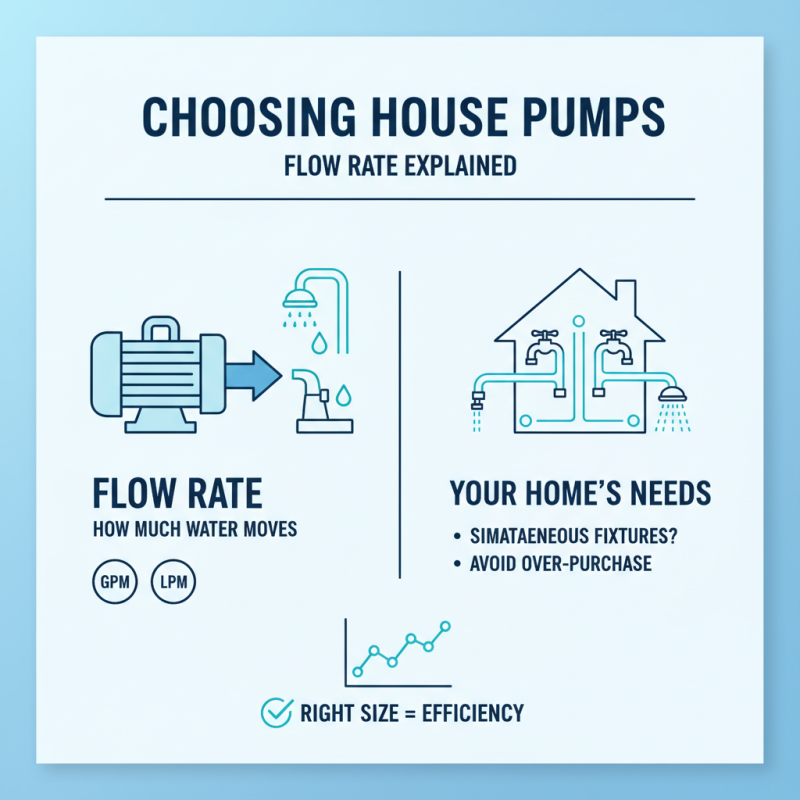
When choosing house pumps, understanding flow rate and head height is crucial. Flow rate indicates how much water the pump can move. It’s commonly measured in gallons per minute (GPM) or liters per minute (LPM). A higher flow rate means more water delivered, but that might not always be necessary for your home. Consider how many fixtures will operate simultaneously. This can help you avoid over-purchasing a pump that exceeds your needs.
Head height is equally important. It represents the height to which the pump can lift water, influenced by the home's layout. A pump needs the right head height to function effectively. If the distance from the pump to the highest faucet is significant, your head height requirement will increase. Think about the vertical climb. A pump might seem perfect in specs but could fall short in real-world applications. Address any uncertainties; measure distances accurately to make an informed decision.
Evaluate these specifications in light of your unique home situation. A compatible pump makes all the difference. Look for balance; choosing a pump with just the right specs may require calming doubts about what you need. Being overly ambitious might lead to disappointment. Consider both flow rate and head height carefully before committing to a pump that might later cause issues.
When choosing house pumps, energy efficiency is crucial. According to a report by the Department of Energy, homes utilize about 43% of their total energy for heating and cooling. An efficient pump can significantly reduce this cost. Look for models with high Energy Efficiency Ratio (EER) ratings. Higher ratings indicate better efficiency and lower energy consumption.
Operating costs also depend on the pump's size and performance. Oversized pumps may cycle on and off frequently, leading to energy waste. A smaller pump might run continuously, causing additional wear. Understand your home’s water needs before deciding. This ensures you select the right size for your requirements.
**Tip:** Regular maintenance can enhance efficiency. Schedule annual inspections to identify issues early.
Consider the installation location of your pump. This can affect its energy use. For example, placing it in a poorly ventilated area may lead to overheating, reducing efficiency.
**Tip:** Use insulation for pipes. This minimizes heat loss and improves energy use. Proper insulation can save up to 10% on energy bills.
Lastly, reflect on the potential environmental impact. Choosing an efficient model is not just about saving money. It also contributes to sustainability.
Choosing the right house pump requires careful consideration of installation and maintenance. Start by ensuring proper placement. The pump should be in a well-ventilated area to avoid overheating. If you have a sump pump, check the pit's depth. A shallow pit may lead to frequent cycling, which isn't efficient.
Regular maintenance is crucial for optimal performance. Clean the filters regularly to prevent clogs. Inspect the pump's motor and electrical components. Look for signs of wear or damage. It's also essential to test the pump periodically. Turn it on and off to see if it functions correctly. Neglecting these checks can lead to unexpected breakdowns.
Choosing the right size is another critical factor. A pump that is too large can waste energy, while a small pump may struggle to keep up. Understand your household needs before making a choice. Reflect on your water usage patterns. Are there peak times when demand is higher? Balancing these aspects will ensure your pump operates efficiently.
| Pump Type | Application | Flow Rate (GPM) | Max Head (ft) | Power Source | Installation Tips | Maintenance Tips |
|---|---|---|---|---|---|---|
| Submersible Pump | Sump pumping, well water | 25 - 50 | 25 - 30 | Electric | Ensure proper depth and connection fittings | Regularly check for clogs and debris |
| Pedestal Pump | Basement drainage | 30 - 60 | 20 - 25 | Electric | Install above the sump pit, ensuring stable base | Check float switch functionality regularly |
| Transfer Pump | Water transfer, irrigation | 20 - 30 | 10 - 15 | Gas or Electric | Ensure proper suction line positioning | Flush system after use to prevent buildup |
| Booster Pump | Pressure enhancement in long pipes | 30 - 70 | 50 - 60 | Electric | Position near water source for efficiency | Inspect valves and fittings periodically |