Choosing the right well pumps for your home is crucial for efficient water supply. A recent report by the Water Systems Council indicates that more than 15 million households in the U.S. rely on private wells. This underscores the need for quality well pumps tailored to individual water needs.
Expert John Thomas, a well pump specialist, states, "Selecting the right pump can be a game changer." Homeowners must consider factors such as water depth, usage patterns, and pump types. The wrong choice can lead to inefficient operation or even system failures. Basic choices include submersible and jet pumps, each suitable for different scenarios.
It's easy to overlook the specifics when choosing well pumps. However, minor mistakes in selection can lead to significant costs over time. Understanding your water supply and future needs is essential. Take the time to assess and ensure your well pump will meet your requirements efficiently.
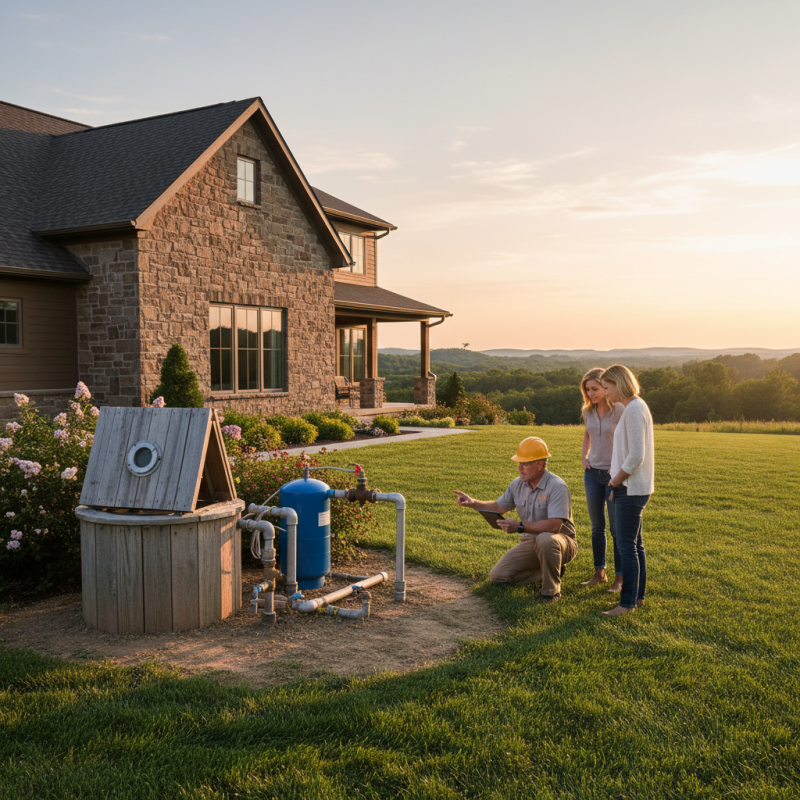
When selecting a well pump, understanding the two main types is crucial. Submersible pumps reside underwater, often in deep wells. They push water up to the surface efficiently. These pumps are great for high water tables. However, they can be challenging to repair once submerged. Accessing them often requires specialized tools or professionals.
On the other hand, jet pumps sit above ground. They are generally easier to reach and service. Jet pumps can work for shallow wells, but they may struggle with deeper sources. Their installation might cost less initially. Yet, they often consume more energy. Consider your specific water needs and the distance to the supply. Reflect on which features matter most to you. It’s important to weigh efficiency against ease of access.
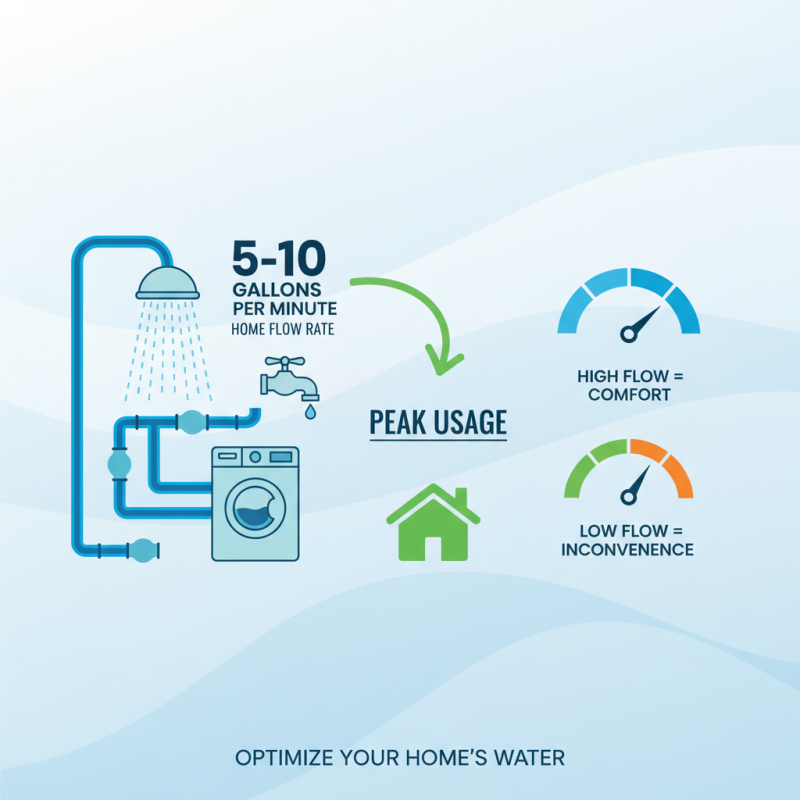
When considering your home's water needs, understanding flow rate and pressure is crucial. Flow rate refers to how much water is delivered per minute. A higher flow rate is essential for activities like showering or running appliances simultaneously. Typically, homes may require a flow rate between 5 to 10 gallons per minute. Knowing your specific needs can help avoid running out of water during peak usage.
Pressure requirements are another important factor. Adequate pressure ensures that water reaches all areas of your home effectively. This can vary based on the height of your home and the fixtures used. Generally, a pressure of around 40-60 psi is standard. However, some homes may struggle with insufficient pressure, leading to weak faucets and showerheads. Evaluating your system and its capabilities can lead to improved comfort.
Sometimes, homeowners overlook their actual usage patterns. For instance, if you host guests frequently, your needs might be greater. Conversely, a smaller household might not need as much flow or pressure. Reflection on daily routines can ensure the right choices are made. Each home has unique requirements, and taking the time to assess them is vital for long-term satisfaction.
When selecting a well pump, understanding the factors affecting its lifespan is crucial. Material quality plays a significant role in determining how long a pump will function effectively. High-quality materials, such as stainless steel or durable plastics, resist corrosion and wear. On the other hand, lower-quality materials may lead to premature failure. Homeowners must balance cost with durability when choosing a pump.
Installation practices can also impact the longevity of a well pump. Proper installation techniques help prevent issues like misalignment or water leaks. It is essential to ensure that the pump is set at the correct depth. Additionally, using the right fittings and seals can prevent contamination. Inadequate installation may force pumps to work harder, leading to inefficient operation and a reduced lifespan.
Many homeowners overlook these details during the purchase process. Choosing a pump with the right materials and ensuring proper installation require research and thought. Skipping these steps may lead to frustration and increased costs in the long run. Make sure to take time for these considerations. Your water needs deserve a reliable solution.
| Factor | Description | Impact on Lifespan |
|---|---|---|
| Material Quality | The materials used in the pump construction can affect durability and resistance to corrosion. | Higher quality materials lead to increased lifespan and reduced maintenance costs. |
| Installation | Proper installation ensures optimal performance and lowers the risk of damage or failure. | Correct installation can significantly extend the pump's operational lifespan. |
| Pump Type | Different types of pumps (e.g., submersible, jet) have various lifespans based on their design and purpose. | Selecting the right type for your water source affects longevity and efficiency. |
| Water Quality | Sediment, minerals, and pH levels can wear down pump components. | Poor water quality can lead to more frequent repairs and shorten pump lifespan. |
| Maintenance | Regular inspections and servicing help identify and address issues early. | Consistent maintenance significantly enhances lifespan and reliability. |
Choosing the right well pump starts with understanding your water needs. Sizing your well pump is crucial for efficient operation. GPM, or gallons per minute, indicates how much water you can get. Consider your household demand. Do you use multiple appliances simultaneously? Calculate your total GPM requirement to meet this demand effectively.
Static water level calculations are also important. This level changes based on water availability in your well. Measure the depth of the well and the height of the water when it is static. Knowing these figures helps in selecting a pump that can lift water efficiently. Pumping water from too great a depth can strain the system.
Tips: Consider a pump with some extra capacity. This helps if you need more water in summer. Regularly monitor the pump’s performance. If you notice a drop in water pressure, it may be time to reassess your needs. Remember, well water systems can be complex. Take your time to evaluate the right choice. Mistakes in sizing can lead to inefficiencies. Be prepared to make adjustments if necessary.
Proper maintenance is crucial for well pump performance. Regular inspections can prevent unexpected failures. You should check your pump every few months. Listen for unusual noises. Monitor the water flow. Is it consistent? Any fluctuations may signal a problem.
Cleaning is also important. Sediment can build up over time. Ensure the pump's casing and filters are clear. This will improve efficiency. Don't forget to check the pressure switch. It should activate properly to maintain water pressure. Neglecting these tasks can lead to costly repairs.
Be aware of seasonal impacts. Cold winters can freeze components. Insulating pipes is wise. Additionally, consider the local water table levels. Drought conditions can strain your pump. Reflect on your usage patterns. Are you drawing too much water? Sometimes, less is more.