Cost of Repairing vs. Replacing ANSI Pumps: A Comprehensive Analysis

Blog

How to Choose the Best Pump Products for Your Needs?

Selecting the right pump products can be a daunting task. With multiple options available, it's essential to know your specific needs. According to industry expert Dr. Emily Carter, "Choosing the right pump product is key to efficiency and reliability." Her words highlight the importance of careful consideration.

Understanding the features of various pump products is crucial. Each application requires a different type, from centrifugal to diaphragm pumps. The wrong choice can lead to inefficiency and increased operational costs. It’s not always straightforward; sometimes, additional research is needed.

Beyond just specifications, think about the long-term implications of your choice. Evaluate how each pump product performs over time. Look for customer reviews and case studies to gauge reliability. No product is perfect, and what works well for one situation may not suit another. Reflect on your unique requirements to make a sound decision.
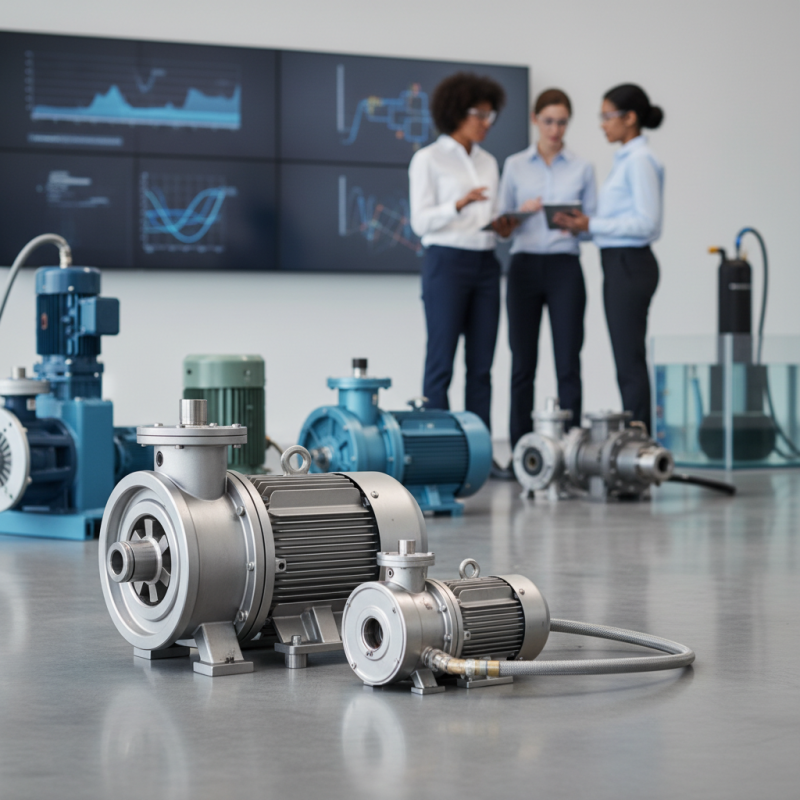
How to Choose the Best Pump Products for Your Needs?

Understanding Your Pump Requirements and Applications

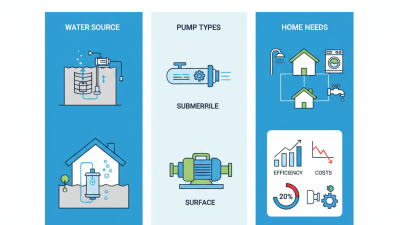
Choosing the right pump requires a clear understanding of your specific needs. Different applications demand different pump types. For instance, in the construction industry, a submersible pump is often necessary for dewatering tasks. According to industry reports, these pumps can move water effectively, handling up to 800 gallons per minute depending on the model.

Consider the fluid you plan to pump. Some pumps work better with liquids, while others handle slurries. If you're dealing with chemicals, materials need to be compatible. Data shows that 30% of pump failures arise from improper selection based on fluid characteristics. Consult manufacturer guidelines for insight into compatibility to avoid costly mistakes.

It’s important to evaluate the power source as well. Some pumps require electricity, while others operate on gasoline or air. A recent study indicated that energy efficiency can affect operational costs by over 20%. Also, consider the installation space. A compact solution might be ideal for tight areas. Ensuring all these factors align is crucial in choosing the best pump for your tasks.

How to Choose the Best Pump Products for Your Needs? - Understanding Your Pump Requirements and Applications

Application Type of Pump Flow Rate (GPM) Maximum Head (Feet) Power Source Material
Irrigation Centrifugal Pump 50 100 Electric Cast Iron
Water Supply Submersible Pump 30 150 Electric Stainless Steel
Industrial Processing Diaphragm Pump 20 75 Pneumatic Polypropylene
Chemical Transfer Peristaltic Pump 10 50 Electric EPDM
HVAC Systems Inline Pump 25 60 Electric Aluminum

Identifying Key Features of Pump Products

How to Choose the Best Pump Products for Your Needs?

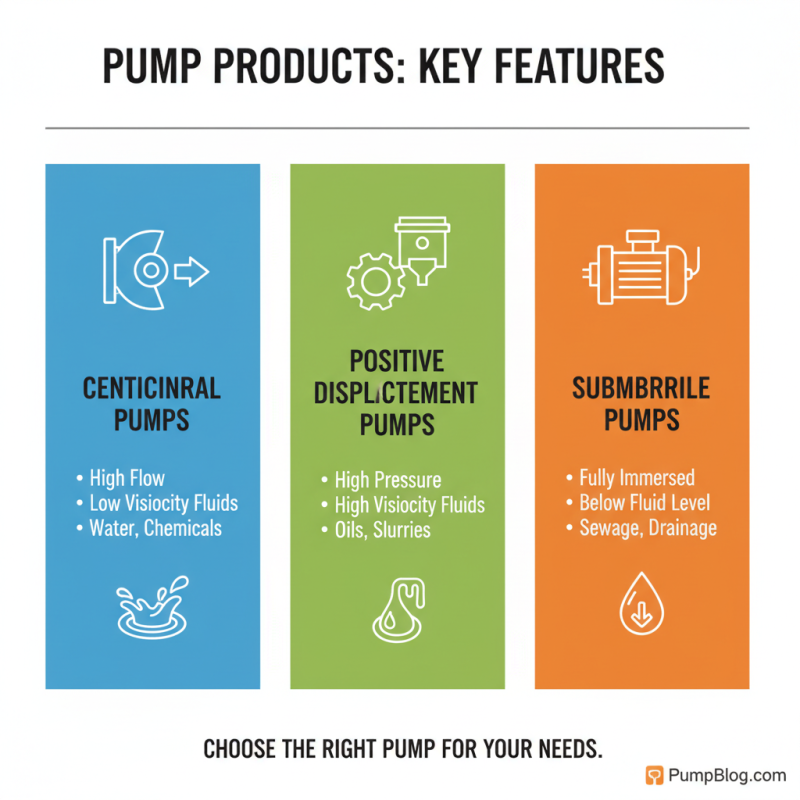
When selecting pump products, understanding key features is crucial. Start with the type of pump you need—whether it's centrifugal, positive displacement, or submersible. Each type serves different applications. For example, centrifugal pumps excel in moving fluids quickly, while positive displacement pumps are effective for high-viscosity liquids. Knowing your requirements helps eliminate unsuitable options.

Next, consider flow rate and pressure capacity. These metrics directly influence performance. A pump must meet the specific flow demands of your project. Beyond that, check the materials used in pump construction. Durability is vital. Corrosion-resistant materials can enhance longevity. An appropriate seal type also matters. A pump with a reliable seal can prevent leakage and enhance efficiency.

While evaluating energy efficiency is important, don't overlook maintenance requirements. Some pumps demand frequent upkeep, which can be time-consuming. Will it fit into your operational schedule? Sometimes, workers underestimate the importance of easy maintenance. Moreover, reflect on noise levels and vibrations. They can impact your work environment. Not all pumps are created equal in this aspect. Understanding these nuances improves your chances of a successful selection.

Comparing Different Types of Pumps Available

How to Choose the Best Pump Products for Your Needs?

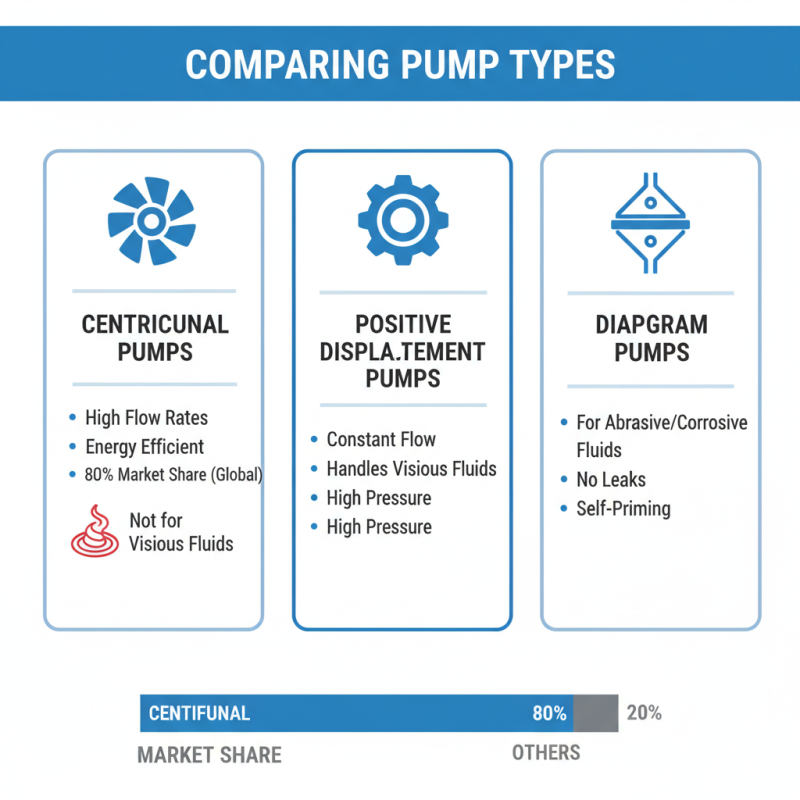
When selecting pump products, it's essential to understand the diverse types available. Centrifugal pumps, for instance, are widely used in various industries. They offer high flow rates and efficiency. According to a recent industry report, these pumps account for about 80% of the global market share. However, they struggle with viscous fluids. This limitation prompts consideration of alternative options.

Positive displacement pumps are another popular choice. They handle thick liquids better than centrifugal pumps. Reports show their usage is increasing in pharmaceutical and food sectors. These pumps provide consistent flow regardless of pressure changes. Yet, they require careful maintenance to avoid wear and tear. Users must weigh these factors before making a choice.

Submersible pumps serve different needs. These are ideal for draining and groundwater applications. However, installation can be complex, and they may require specific electrical configurations. Understanding these details helps ensure the right selection for your project. Overall, each pump type has its strengths and weaknesses, which require careful evaluation against your specific requirements.

Evaluating Manufacturer Reputation and Customer Reviews

When selecting pump products, evaluating manufacturer reputation is crucial. Trustworthy manufacturers often have a history of reliability and quality. According to a recent industry report, up to 70% of customers base their purchases on company reputation. This statistic emphasizes the importance of choosing a reputable brand.

Customer reviews are equally critical. Many reviews can reveal product performance over time. A study found that products with higher customer ratings tend to outperform their peers by approximately 40%. Look for common themes in reviews, such as durability and ease of maintenance.

Be cautious with overly positive reviews; they may not portray the whole picture. Engage with both good and bad feedback. Understanding customer experiences can provide valuable insights into potential issues. Reflecting on these reviews is vital in making an informed choice. The right pump can significantly impact efficiency and productivity, making this evaluation process essential.

Pump Product Selection: Manufacturer Reputation and Customer Reviews

Budgeting for Pump Products: Cost vs. Quality Considerations

When budgeting for pump products, striking the right balance between cost and quality is essential. A recent industry report shows that businesses often underestimate the total cost of ownership. It's not just about the initial purchase price. Maintenance, operational efficiency, and energy costs can significantly impact your budget. Investing in higher quality pumps may lead to savings over time.

Tip: Set a realistic budget. Consider not only the purchase price but also life-cycle costs.

Quality pumps can reduce downtime. Research indicates that low-quality pumps may fail 20% more often, leading to costly repairs. It's crucial to evaluate the materials and technologies used in pump design. Seek products with proven performance records, as they tend to offer better reliability.

Tip: Look for pumps with long warranties. A good warranty suggests confidence in product quality.

Reflecting on your specific needs is vital. Are these pumps for a one-time project or long-term use? Choosing based on a short-term budget can backfire, leading to higher costs down the line. Aim for options that align with the nature of your operations and environment to ensure you make a wise investment.

Proud Member Of Curry Supply Holdings
Since 1932

Tour Our State-of-the-Art Facility

Click for a Quick Quote