In the rapidly evolving landscape of industrial pumping solutions, choosing the right equipment is crucial for operational efficiency. According to a recent report by Market Research Future, the global pumping solutions market is projected to reach $50 billion by 2026. This growth is driven by increasing demand across various sectors, including oil and gas, water and wastewater management, and food processing.
Industry expert Jane Smith emphasizes the importance of tailoring pumping solutions to specific needs. She states, "Selecting the right pump can significantly impact productivity and cost savings." Each application presents unique challenges. Factors such as fluid type, pressure requirements, and environmental conditions must be considered. Neglecting these details can lead to equipment malfunctions and increased maintenance costs.
Navigating the myriad options available can be overwhelming. Many companies struggle to align their needs with the best technology. With more choices than ever, the possibility of overestimating capabilities or underestimating needs is real. Reflecting on past experiences can guide current decisions and help avoid costly mistakes. Thoughtful analysis is essential for making informed decisions in choosing industrial pumping solutions.
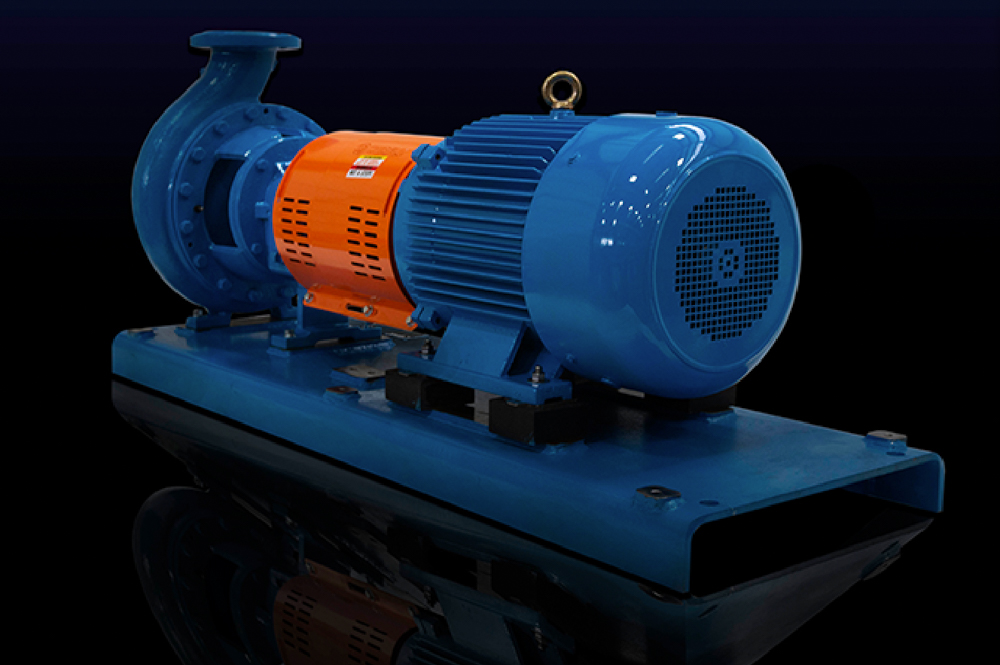
When choosing industrial pumps, it's vital to understand the various types available. Centrifugal pumps are quite common. They are great for moving liquids quickly and efficiently. These pumps work by converting rotational energy into fluid movement. Their applications include water supply systems and chemical processing. However, they can struggle with viscous fluids.
Positive displacement pumps are another option. They excel in handling thick liquids or slurries. This type of pump moves fluid by trapping a fixed amount and then forcing it into the discharge pipe. They are often used in oil and gas industries. Yet, they require regular maintenance to avoid issues.
Finally, consider diaphragm pumps. These pumps are versatile and suitable for various applications. They can handle corrosive materials and are often used in food processing. It's essential to assess your specific needs before making a choice. The pump's efficiency and durability can significantly impact your operations. Reflect on the specific requirements, like flow rate and viscosity, to find the best fit.
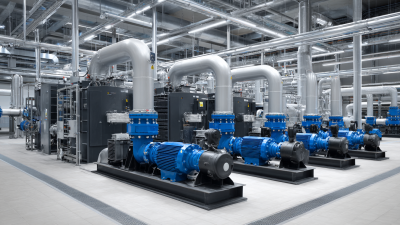
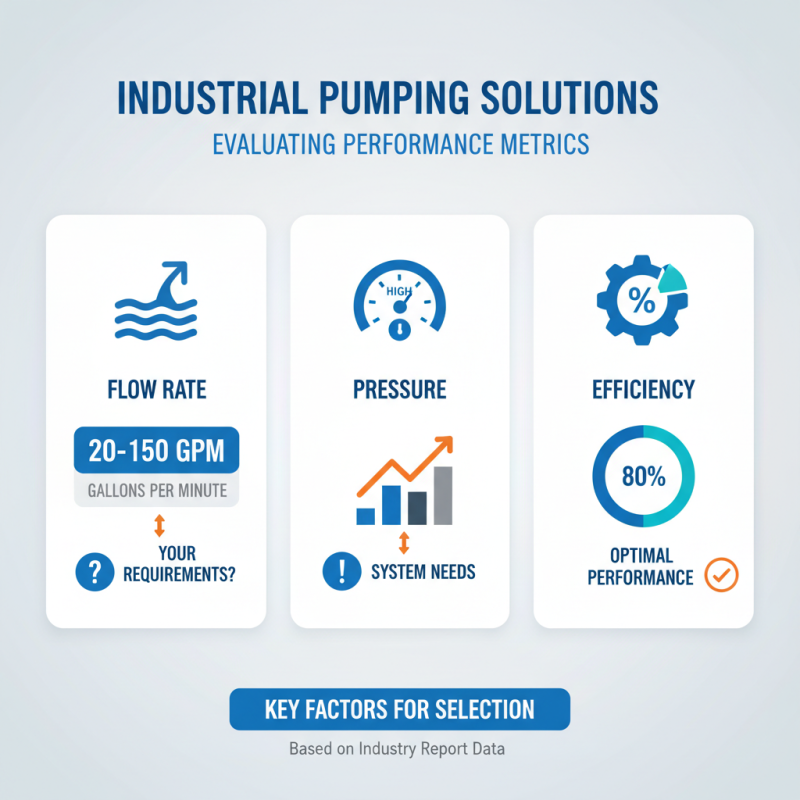
When selecting industrial pumping solutions, evaluating performance metrics is critical. Flow rate, pressure, and efficiency are fundamental factors. For instance, a recent industry report indicates that the average flow rate for commercial pumps ranges from 20 to 150 gallons per minute. This means understanding your specific requirements is crucial for optimal performance.
Pressure is another key metric to consider. Many applications demand different pressure levels. In fact, some operations require pressures up to 300 psi. Such variance highlights the need for careful assessment. Choosing a pump that cannot meet these demands may lead to operational issues.
Efficiency is not just about performance on paper. Certain pumps achieve only 70% efficiency in real-world conditions. This discrepancy can impact energy consumption and operational costs. Sometimes, pumps with higher initial costs save more in the long run. It's vital to reflect on these trade-offs to find the best solution for your specific needs.
When selecting an industrial pump, understanding the specific needs of your industry is crucial. Different industries have distinct requirements. For instance, food processing demands hygienic designs. Chemical industries require resistant materials. Evaluating these needs is the first step toward making an informed choice.
Another vital factor is pump performance. Consider flow rates and pressure ratings that suit your processes. Performance can vary significantly based on the pump type. Depending on the application, centrifugal pumps might be ideal, while positive displacement pumps excel in others. Beware, overlooking compatibility with existing systems can lead to costly mistakes.
Maintenance needs are equally important. Some pumps require regular servicing to ensure reliability. Analyze the service life and ease of repair. This aspect often gets neglected. Think about how often your team can perform maintenance. Factor in your team’s expertise. A reliable pump can’t compensate for a team unprepared for preservation tasks.
| Key Factor | Description | Importance Level | Common Applications |
|---|---|---|---|
| Flow Rate | Measuring the volume of fluid that needs to be transported per unit of time. | High | Water treatment, chemical processing |
| Fluid Type | Identify the characteristics of the fluid, whether it's corrosive, viscous, or includes solids. | Critical | Oil and gas industry, food processing |
| Pressure Requirements | Determining the necessary discharge pressure to transport the fluid effectively. | High | Chemical and petrochemical processes |
| Energy Efficiency | Evaluating the energy consumption of the pump and its operational cost. | Moderate | Manufacturing, HVAC |
| Material Compatibility | Understanding the compatibility of the pump materials with the fluid being handled. | Critical | Mining, wastewater treatment |
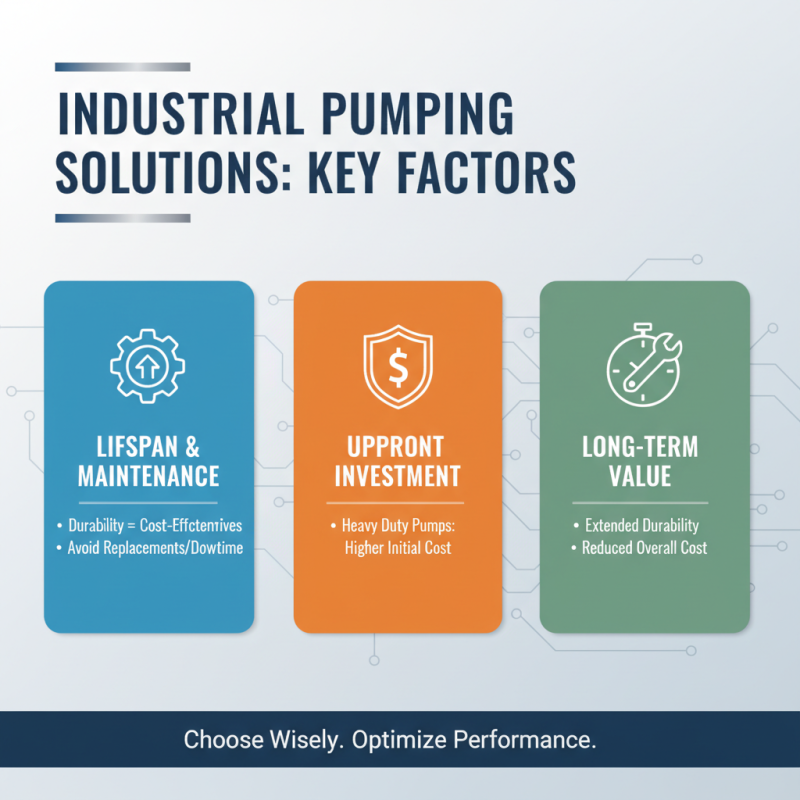
When selecting an industrial pumping solution, lifespan and maintenance are crucial factors. A pump’s durability impacts its overall cost-effectiveness. Pumps designed for heavy duty typically last longer but may require more upfront investment. Assessing the expected lifespan helps avoid frequent replacements and downtime.
Maintenance is often overlooked. Regular checks can prevent costly failures. Establish a routine inspection schedule. Look for signs of wear and tear, as early detection can save money. Understand the parts that need regular attention. Some pumps require oil changes, while others may need seal replacements.
Tips: Use a maintenance log. Document every service performed. Train staff on basic pump care. Empower them to spot issues early. Set aside a budget for unexpected repairs. This foresight can alleviate stress and keep production running smoothly. Remember, a poorly maintained pump can lead to significant losses. Be proactive, not reactive.
When considering industrial pumping solutions, cost is a critical factor. Initial purchase prices can vary widely. Some pumps may seem cheaper upfront but potentially lead to higher operational costs later. Understanding the total cost of ownership is essential. This includes maintenance, repairs, and energy consumption.
Budgeting for long-term operations requires careful planning. Unexpected breakdowns can be costly. Regular maintenance can mitigate these risks. However, not all companies allocate sufficient funds for upkeep. This oversight can lead to increased downtime and overall inefficiency.
Cost analysis should also address energy usage. Efficient pumps reduce operational costs significantly. Investing in energy-efficient models may seem like a high initial cost. Yet, it can lead to substantial savings over time. Organizations must reflect on their specific needs. Is the focus on upfront savings or long-term efficiency?