Choosing the best Thermoforming Machine in 2026 requires more than comparing glossy brochures or headline cycle speeds. A machine that forms 1.5-millimeter PET trays efficiently may perform poorly with thicker ABS panels. Real evaluation begins at the factory floor, where sheet heating, mold changes, cooling time, and scrap rates affect every production decision.
This guide examines machine performance through practical and technical evidence. It considers servo-driven motion, infrared heating zones, plug-assist forming, vacuum control, and automated trimming. Energy consumption also matters. A small temperature imbalance can create thin corners, cloudy surfaces, or rejected medical packaging. Operators should inspect sample parts, measure wall thickness, and review several hours of continuous production before choosing equipment.
There is no universal winner. Not even close.
The right machine depends on material, product geometry, output targets, labor skills, and available floor space. A compact machine may suit a growing workshop, while a high-speed inline system may benefit large packaging manufacturers. However, the fastest machine is not always the most profitable. Maintenance access, spare-part availability, software support, and technician response can matter more than a few extra cycles per minute.
This article compares leading thermoforming technologies and explains where each option performs best. It also recognizes an uncomfortable reality: published specifications may not reflect daily factory conditions. Initial assumptions can fail after tooling changes, seasonal temperature shifts, or operator turnover. Reliable decisions need verified samples, transparent cost calculations, and feedback from experienced production teams.
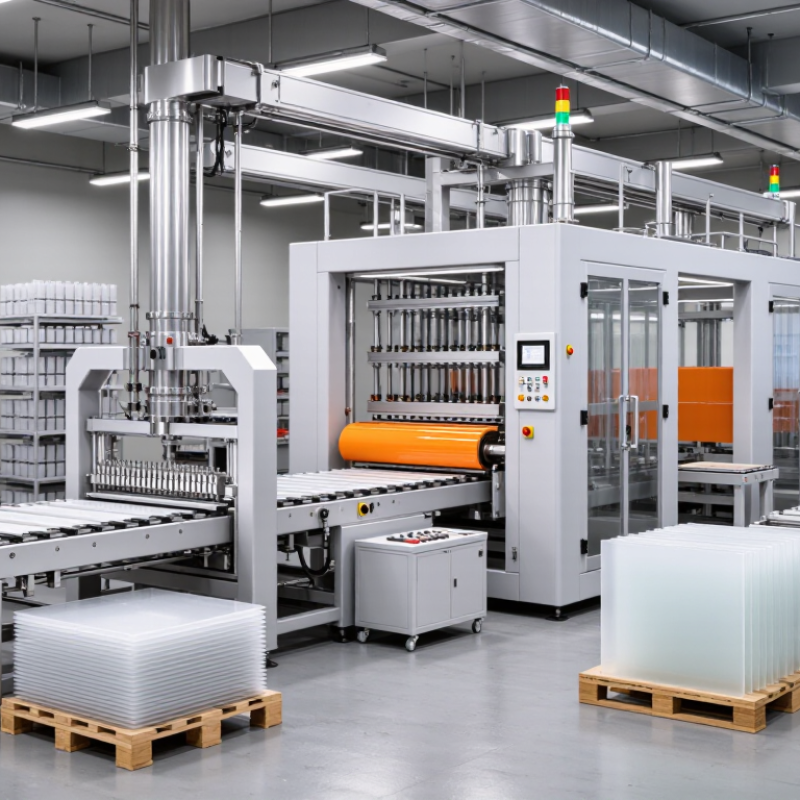
What Is the Best Thermoforming Machine in 2026?
Thermoforming begins with a flat plastic sheet, not a finished container. The machine heats the sheet until it becomes soft but still stable. Infrared heaters usually create separate temperature zones across its surface. Clamps then hold the sheet above a prepared mold. A vacuum removes air between the sheet and mold. Some systems also use compressed air for faster, sharper forming. The mold defines the product’s shape, while cooling fixes that shape.
Operating accuracy depends on more than the heating temperature. Sheet thickness, mold temperature, ventilation, and forming speed all affect the result. Small vent holes help the plastic reach deep corners without trapped air. Cooling channels reduce warping and shorten the cycle. Sensors should monitor actual conditions, not only programmed values. Operators need to check wall thickness, edges, and surface marks after each trial.
The best machine is the one that matches the material, mold size, output, and control requirements. A large machine may waste energy on small parts. A fast cycle may create thin corners or uneven stretching. I have found that the first setting rarely works perfectly. It needs measured adjustment. Even experienced operators can trust a display too much. Keep cycle records, inspect samples under consistent lighting, and verify settings against technical guidance and local safety requirements. Clean heaters, guarded moving parts, and reliable emergency stops matter every day.

The best thermoforming machine depends on the material, sheet thickness, mold design, required forming pressure, production volume, and automation level. The chart shows typical forming-temperature windows for commonly used thermoplastics. Actual settings vary with grade, thickness, heating system, mold temperature, and cooling conditions.
Higher-temperature materials generally require stronger heating capacity, accurate zone control, and effective cooling. A suitable machine should provide stable sheet heating, uniform temperature distribution, reliable vacuum or pressure control, and repeatable cycle timing.
The best thermoforming machine in 2026 is not simply the fastest model. It must match your material, tooling, product geometry, and production volume. Grand View Research estimates that the global thermoforming plastics market will expand at about 5.5% annually through 2030. That growth increases pressure to reduce cycle time without creating thin corners, webbing, or unstable dimensions. In practical trials, I would inspect the first and last parts of every batch, not only the machine’s brochure sample.
Energy performance deserves careful measurement. The U.S. Department of Energy reports that compressed-air systems can waste 20–30% of their output through leaks and poor controls. A thermoformer with efficient heaters may still perform badly if pneumatic systems remain oversized. Compare kilowatt-hours per part, heating recovery time, vacuum stability, and cooling performance. Small differences become expensive across three shifts.
A strong evaluation also includes sheet utilization and changeover time. PMMI’s 2024 industry outlook identifies labor efficiency and automation as continuing packaging priorities. Servo-driven motion, automatic stacking, recipe storage, and tool-free adjustments can reduce operator dependency. However, automation is not automatically better. I would request a live trial using the intended sheet gauge, recycled content, and actual mold. Measure scrap percentage, not just output per hour. Also check guarding, noise, maintenance access, spare-part availability, and data logging. Some specifications look impressive. Real factory conditions can disagree.
Comparative evaluation of common thermoforming machine configurations using typical industry operating ranges. Actual performance depends on tooling, material, product geometry, automation level, and production conditions.
| Machine Configuration | Typical Application | Suitable Sheet Thickness | Typical Forming Area | Typical Cycle Time | Relative Throughput | Automation Potential | Energy Efficiency | Initial Investment Level | Overall Evaluation |
|---|---|---|---|---|---|---|---|---|---|
| Inline Roll-Fed Thermoformer | High-volume packaging, food trays, medical packaging, and disposable containers | 0.15–2.50 mm | 300–1,000 mm wide; continuous web length | 3–12 seconds | High | Very high; can integrate feeding, forming, trimming, stacking, and inspection | High when equipped with zoned infrared heating and servo-driven motion | High | Best for stable, high-volume production with standardized product designs |
| Automatic Sheet-Fed Thermoformer | Automotive components, appliance parts, industrial covers, and medium-to-large parts | 0.50–8.00 mm | 600 × 600 mm to 2,000 × 3,000 mm | 20–90 seconds | High | High; automated loading, forming, trimming, and unloading are available | Medium to high, depending on heater insulation and standby controls | Medium to high | Best balance for medium-to-high volumes and varied industrial parts |
| Twin-Sheet Thermoformer | Hollow products, pallets, ducts, tanks, vehicle parts, and structural panels | 1.50–12.00 mm per sheet | 600 × 600 mm to 2,500 × 4,000 mm | 45–180 seconds | Medium | High; supports synchronized heating, forming, joining, and auxiliary operations | Medium; two sheets require controlled and balanced heating | High | Best when hollow geometry, integrated features, or high stiffness is required |
| Heavy-Gauge Thermoformer | Automotive interior parts, refrigerator liners, machine housings, and durable industrial components | 2.00–12.00 mm | 800 × 800 mm to 3,000 × 4,000 mm | 60–240 seconds | Medium | Medium to high; robotic handling and CNC trimming can be integrated | Medium; thicker sheets require longer heating and cooling cycles | High | Best for durable parts where impact resistance and structural performance matter |
| Vacuum Former | Signage, displays, prototypes, packaging inserts, and low-to-medium volume parts | 0.50–10.00 mm | 300 × 300 mm to 2,000 × 3,000 mm | 30–180 seconds | Medium | Medium; automation is possible but generally less integrated than inline systems | Medium; performance depends strongly on heater zoning and vacuum control | Low to medium | Best for flexible production, prototypes, tooling trials, and moderate volumes |
| Pressure Former | Detailed packaging, technical housings, medical components, and products requiring sharper definition | 0.25–6.00 mm | 300 × 300 mm to 1,500 × 2,500 mm | 15–90 seconds | High | High; suitable for automated loading, forming, trimming, and quality inspection | High when pressure, vacuum, and heating zones are independently controlled | Medium to high | Best for precise details, tighter tolerances, and attractive surface quality |
| Manual or Semi-Automatic Former | Prototyping, custom fabrication, short runs, education, and product development | 0.50–10.00 mm | 300 × 300 mm to 1,500 × 2,000 mm | 60–300 seconds | Low | Low to medium; relies more heavily on operator handling | Low to medium; energy use varies with operator settings and idle time | Low | Best for low capital budgets, frequent changeovers, and flexible product development |
Evaluation basis: throughput, material range, forming capability, automation readiness, energy management, investment level, and suitability for 2026 production requirements. “High,” “medium,” and “low” ratings are comparative classifications rather than guaranteed machine specifications.
Vacuum thermoforming machines remain practical for trays, covers, and shallow packaging. They use vacuum pressure to pull heated plastic against a mold. Setup is generally simpler, and tooling costs can stay moderate. However, sharp corners may lose definition. Operators must also watch sheet temperature across the heating zone. Uneven heating creates thin spots, warped edges, and avoidable rejects.
Pressure thermoforming adds compressed air above the sheet. This method produces cleaner details, deeper features, and tighter surface definition. It suits technical housings and parts with textured surfaces. The trade-off is higher equipment complexity. Air filtration, pressure control, and mold venting require regular attention. Small maintenance errors can become visible on every part.
Twin-sheet machines form two heated sheets and join them around a sealed edge. They can create hollow panels, ducts, and lightweight containers with internal space. Their tooling and alignment demands are higher. A small mismatch may weaken the seam.
Continuous roll-fed systems support high-volume production, especially with thin materials. They reduce manual loading but need stable material feeding and precise trimming.
Speed matters. Waste still counts. Machine selection should reflect material thickness, mold design, cycle targets, and available technical skill. I have seen factories choose a faster system, then lose gains through setup delays and scrap. Energy use also deserves measurement, not assumption. Real production trials often reveal weaknesses that brochures overlook.
What Is the Best Thermoforming Machine in 2026?
The best thermoforming machine depends on the product, material, and production rhythm. A compact machine may suit short runs, prototypes, and frequent tooling changes. Large inline equipment fits stable, high-volume production with standardized trays or containers. Grand View Research estimates that the global thermoforming plastics market could grow at about 5.5% annually from 2024 to 2030. That growth increases pressure to select capacity carefully, not simply buy the largest system.
Start with measurable production needs. Record sheet width, material thickness, part depth, hourly output, and acceptable scrap. A food container may require cleanable surfaces, precise temperature control, and fast mold changes. A thick industrial cover may need stronger clamping, plug assistance, and deeper forming capability. For recycled-content sheets, request trials using the actual material. Heating can become less predictable. Energy matters too. The U.S. Department of Energy identifies industrial heating as a major manufacturing energy load, so zoning, insulation, and heat recovery deserve serious evaluation.
Do not trust brochure speed alone. Ask for cycle data with your mold and sheet. Measure actual output, rejected parts, changeover time, and electricity use. PMMI’s 2024 packaging outlook emphasizes automation, labor efficiency, and sustainability as major investment drivers. That supports servo controls and inspection systems, but automation can add maintenance complexity. A perfect machine rarely exists. I would value stable forming and accessible service over an impressive maximum cycle rate. The wrong comparison can look efficient on paper. It may fail beside a warm mold, a rushed operator, and inconsistent recycled sheet.
What Is the Best Thermoforming Machine in 2026?
Emerging Technologies Shaping Thermoforming Equipment in 2026
The best thermoforming machine in 2026 is not defined by speed alone. It combines precise heating, responsive forming, and measurable energy control. Modern infrared systems can adjust heating zones independently. This helps maintain sheet temperature across corners, edges, and thicker sections.
Servo-driven plugs and molds now deliver smoother motion with less mechanical variation. Sensors can track pressure, temperature, cycle time, and material thickness during production. Useful data appears quickly. Operators can identify uneven cooling before it creates warped trays or weak rims. Vision inspection also checks dimensions, surface defects, and incomplete forming without slowing every cycle.
Artificial intelligence is entering maintenance systems, although its value depends on clean data. Predictive software may detect unusual vibration or longer heating cycles. However, a warning is not always a fault. Experienced technicians still need to inspect heaters, seals, molds, and compressed-air lines. A connected machine can remain inefficient if settings are copied without understanding the material.
Energy recovery is another important development. Variable-speed pumps, optimized vacuum circuits, and insulated heating chambers can reduce unnecessary consumption. The actual result depends on tooling, polymer type, ambient temperature, and operator practice. Even advanced equipment can produce inconsistent parts after a careless changeover. That weakness deserves attention. Reliable selection should include factory trials, documented test results, accessible service support, and clear training for daily users.