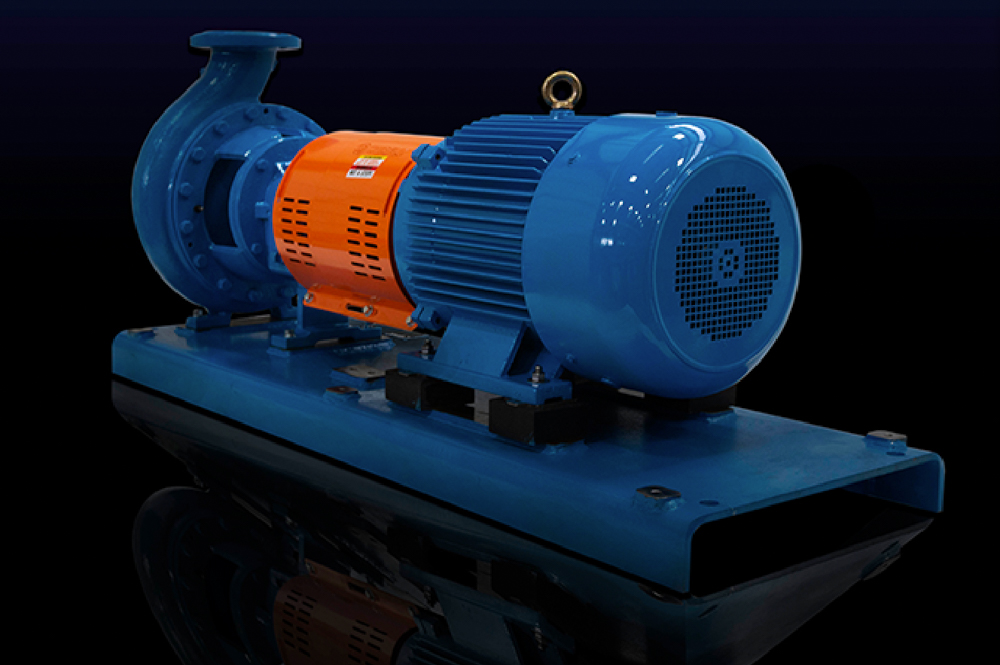
The line pump industry is undergoing significant evolution. As of 2023, the global demand for concrete line pumps has surged by 28%. This reflects a shift toward more efficient construction methods. Buyers must consider various options to optimize their investments.
Line pumps are increasingly recognized for their flexibility and efficiency. They are essential in urban construction projects. According to a recent industry report, line pumps can reduce labor costs by up to 30%. However, selecting the right model requires careful analysis. Buyers face a range of brands with differing capabilities.
Understanding the specifications and performance is vital. Some may overlook critical factors like motor power and hose diameter. These can greatly influence operational effectiveness. Buyers should also assess the availability of parts and service support. Not all suppliers offer the same level of reliability. Therefore, candidates must weigh their choices to avoid common pitfalls. In this competitive landscape, informed decisions will enhance project success.
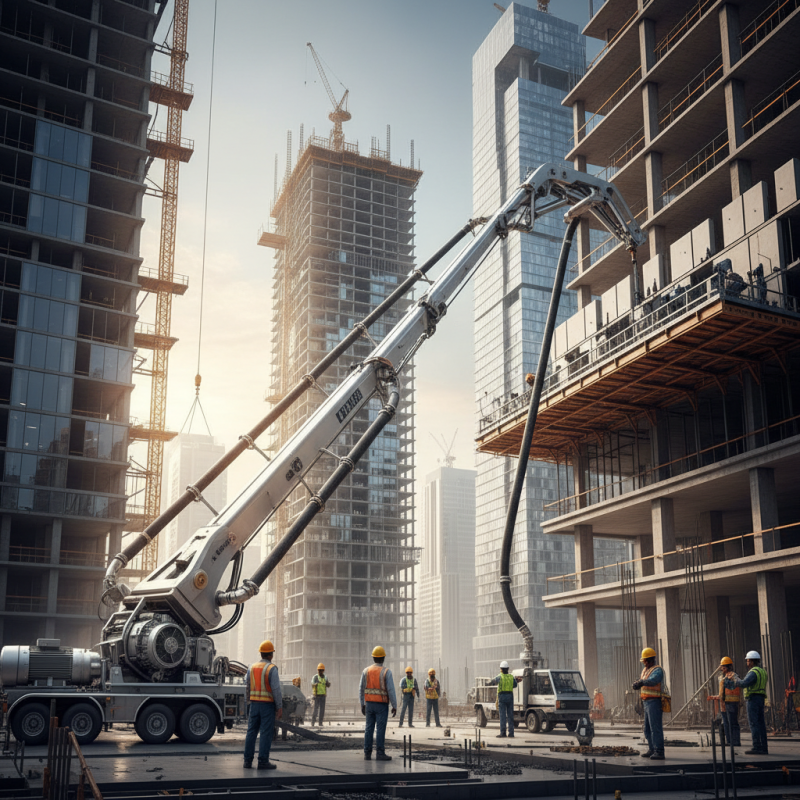
Line pumps play a crucial role in modern construction. They facilitate the efficient transfer of concrete to various locations on a job site. This is particularly important for projects requiring precision and speed. Line pumps ensure that even hard-to-reach areas receive the necessary materials, helping to maintain the flow of construction activities.
When selecting a line pump, it’s vital to consider its capacity and reach. Some projects may need high-capacity pumps to handle large volumes of concrete. Others may require pumps designed for narrow spaces. Understanding the specific needs of each project aids in choosing the right equipment.
Tips: Always evaluate the terrain and distance to the pour site. This helps in selecting a pump that minimizes delays. Additionally, consult with experienced contractors. Their insights on the best practices can prevent costly mistakes. A line pump can be a valuable asset, but improper selection and use can lead to inefficiency. Balancing equipment capability with the project’s demands is essential for successful operations.

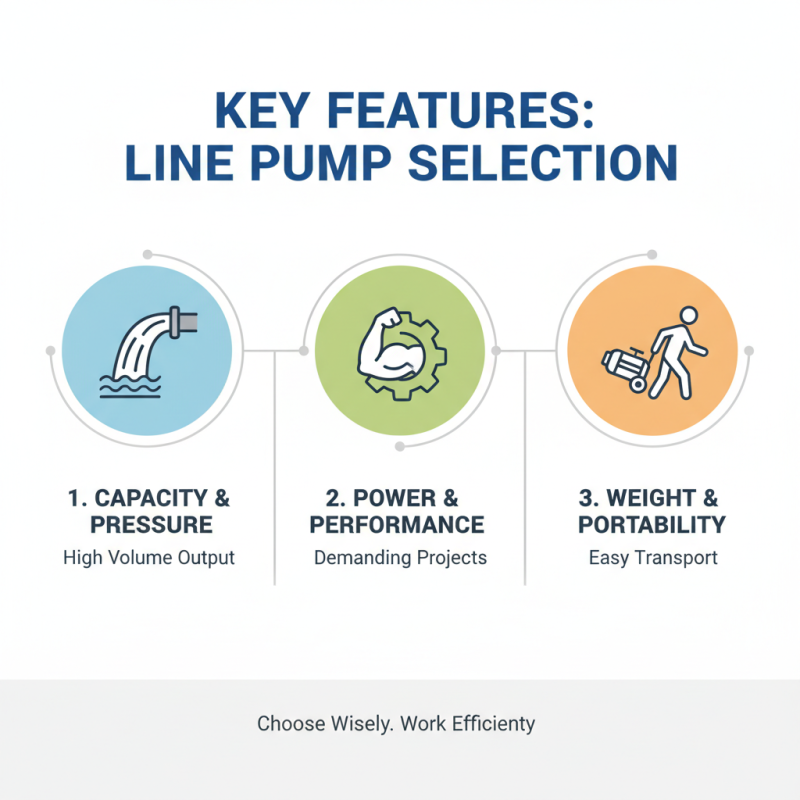
When selecting a line pump, several key features should be prioritized. Assess the pump's capacity and pressure specifications. A pump that can handle high volumes will typically perform better in demanding projects. Consider the weight and portability as well. A lightweight pump is easier to transport between job sites.
Tip: Always check the suction and discharge sizes. Proper sizing can make a significant difference in your efficiency. Ensure compatibility with your existing hoses.
Another vital aspect is reliability. A robust design can withstand tough conditions. Look for pumps made from durable materials that resist wear and tear. Maintenance should be easy, too; a pump that requires less upkeep saves time and costs in the long run.
Tip: Evaluate user reviews and expert opinions. They can provide insights into real-world performance and potential shortcomings.
Consider noise levels as well. A quieter pump improves the work environment and complies with regulations in many areas. Reliable performance combined with low noise is essential for modern construction sites. Keeping these features in mind can help you make a more informed decision in the market.
In 2026, global buyers are faced with an impressive array of line pump options. Top brands in the industry are stepping up their game, providing advanced technology and increased efficiency. Data from recent industry reports indicate that the demand for high-performance line pumps has surged over the last two years. This trend highlights the necessity for buyers to choose wisely.
Leading models feature enhanced durability and improved output, capable of handling various concrete types. Most line pumps now boast automatic cleaning systems and real-time monitoring capabilities. Such innovation helps to reduce downtime and increase productivity on job sites. However, buyers should remain vigilant. Some brands may not meet performance claims, so research and user reviews are crucial.
Tip: Always evaluate the service support provided by manufacturers. Having access to prompt assistance can significantly impact your project's success. Also, consider the availability of spare parts, as maintenance plays a key role in the longevity of your equipment. Being proactive can save time and money in the long run.
| Model | Type | Max Output (m³/h) | Max Pressure (bar) | Weight (kg) | Price Range (USD) |
|---|---|---|---|---|---|
| Pump Model A | Electric | 40 | 85 | 300 | 15000 - 18000 |
| Pump Model B | Diesel | 50 | 90 | 500 | 20000 - 22000 |
| Pump Model C | Hydraulic | 60 | 95 | 700 | 25000 - 28000 |
| Pump Model D | Electric | 35 | 80 | 400 | 11000 - 13000 |
| Pump Model E | Diesel | 45 | 88 | 600 | 19000 - 21000 |
When evaluating line pumps, performance and efficiency are crucial factors for global buyers. A line pump's reliability is assessed through its delivery rate, which varies widely across models. High-performing pumps often showcase impressive output rates. Additionally, their operational efficiency is determined by fuel consumption and maintenance needs. A well-optimized pump saves both time and resources.
While some pumps excel in specific environments, their adaptability can be a point of contention. For instance, a pump that performs well in urban settings might struggle in rugged terrains. Users must consider these scenarios when selecting their equipment. Some models may have robust features but could require frequent servicing, leading to increased downtime and costs.
Efforts to enhance pump efficiency are ongoing. However, advancements can lead to complexities in user experience. A user-friendly interface is essential, yet sophisticated technology can create a steep learning curve. Overall, understanding these dynamics is vital for making an informed choice. Each project may present unique challenges, and careful consideration is needed to match the pump to its operational context.
As we look ahead to 2026, the global market for line pumps is evolving. Key trends indicate a shift towards enhanced efficiency and sustainability. Now, buyers are increasingly interested in models that reduce fuel consumption and emissions. Manufacturers are responding with innovative designs that utilize advanced materials. This not only improves performance but also minimizes environmental impact.
Another noteworthy trend is the growing integration of technology in line pumps. Smart features are becoming common, enhancing user control and maintenance. For instance, remote monitoring systems allow operators to track performance in real time. However, not every user understands these technologies fully. Potential buyers should seek user-friendly systems to avoid complications during operation.
Market demand is diversifying as construction needs change. Buyers should consider regional needs and project types. Some areas require compact units, while others may benefit from high-capacity models. This variance often leads to a mismatch between customer expectations and product offerings. It is essential for buyers to evaluate their specific requirements. Understanding local market dynamics will help in making informed decisions.