When considering various types of pumps, a self priming pump stands out for its unique advantages. These pumps offer convenience, efficiency, and reliability in fluid management. Whether you are a homeowner or a professional, understanding their benefits is crucial. A self priming pump eliminates the need for manual priming, allowing for easy integration and immediate operation.
Many industries rely on self priming pumps due to their ability to handle various liquids. They are especially beneficial in areas with limited access to water sources. However, it is essential to acknowledge that not all applications suit them perfectly. This reflection encourages users to evaluate specific needs before making a purchase.
A reliable self priming pump can significantly enhance operational efficiency. They are designed to work effectively in challenging conditions. Such qualities make them invaluable for agricultural, industrial, and residential applications alike. As we explore the top ten benefits of these pumps, it becomes evident why they are a popular choice among many.
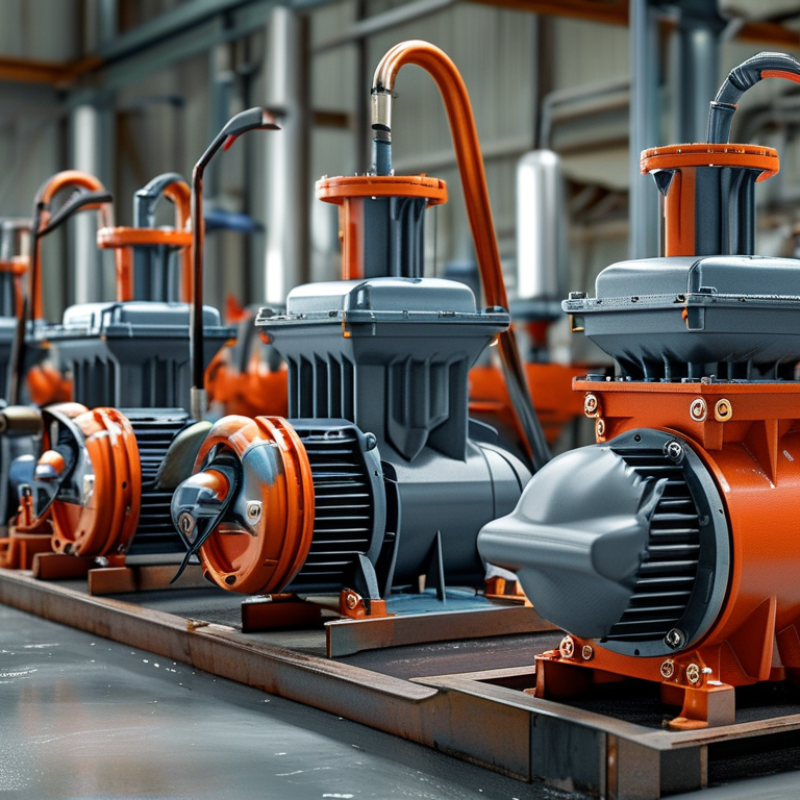
Self-priming pumps are essential in various industries. Their mechanism allows for efficient operation without needing manual priming. According to industry studies, self-priming pumps can remove air from their intake, ensuring smooth fluid delivery. This feature is particularly beneficial in applications where fluid levels fluctuate.
In a report by the Hydraulic Institute, self-priming pumps demonstrated a 15% increase in energy efficiency compared to traditional pumps. This translates to reduced operational costs over time. The design allows them to work effectively with viscous fluids and even those with solid particles. Industries using these pumps reported a 30% improvement in reliability and maintenance ease.
Despite their advantages, users should note potential challenges. Proper installation and regular maintenance are crucial for optimal performance. Neglecting these aspects may lead to decreased efficiency. Monitoring wear and tear ensures the pump operates as intended. Understanding the intricacies of a self-priming pump’s operation can lead to informed decisions and better outcomes.
| Benefit | Description | Usage Scenario |
|---|---|---|
| Ease of Operation | Self priming pumps are easy to operate, requiring minimal setup. | Irrigation systems |
| Energy Efficiency | Designed to provide higher efficiency, reducing energy costs. | Water supply |
| Automatic Priming | Automatically removes air from the system, ensuring functionality. | Fish farming |
| Versatility | Can handle various fluids, making them suitable for different applications. | Industrial processes |
| Cost-Effective | Lower maintenance costs compared to traditional pumps. | Residential water systems |
| Durability | Often constructed with high-quality materials that withstand various conditions. | Construction sites |
| Consistent Performance | Delivers reliable performance even in fluctuating environments. | Agricultural applications |
| Quick Installation | Designed for faster installation compared to other pump types. | Emergency scenarios |
| Low Noise Operation | Operates quietly, providing a minimal noise footprint. | Residential use |
| Wide Range of Applications | Suitable for applications including cleaning, emptying tanks, and more. | Marine applications |
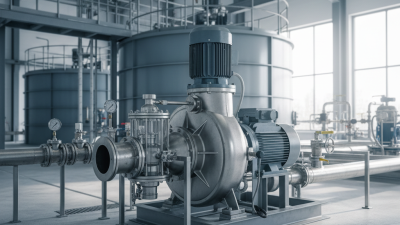
Self-priming pumps are a game-changer in various industries. Their efficiency stems from their ability to draw liquid into the pump without needing manual priming. According to a report by the Hydraulic Institute, self-priming pumps can improve operational efficiency by up to 30%. This means less downtime and reduced energy costs, creating significant savings for businesses.
In practical terms, the design of self-priming pumps allows them to handle air and liquids simultaneously. This reduces the risk of cavitation, a common issue in standard pumps that can lead to damage and increased maintenance costs. A study published in the Journal of Fluid Engineering highlights that self-priming technology can decrease energy consumption by 15% when compared to conventional pumps. However, some users may overlook their maintenance needs, leading to inefficiencies. Regular inspections can prevent performance drops and ensure pumps operate at their best.
Energy savings are not just about the pumps themselves. The reduced need for frequent maintenance and the extended lifespan of self-priming pumps translate into fewer resource requirements. Businesses can reflect on how neglected maintenance can detract from overall efficiency. Understanding these dynamics is crucial for optimizing performance, making investments in self-priming technology a worthwhile consideration.
Self-priming pumps offer significant versatility across various applications. They are designed to efficiently handle both clean and contaminated fluids. This feature makes them ideal for use in agriculture, construction, and wastewater management. Users often appreciate how these pumps can adapt to different operational environments without compromising efficiency.
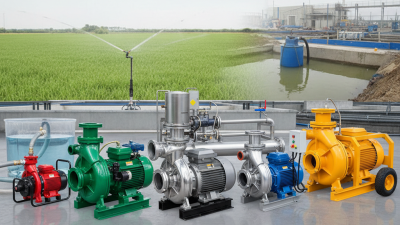
In many agricultural settings, self-priming pumps can transport water from deep wells to irrigation systems. Their ability to stay primed even when the water level fluctuates is crucial. This adaptability reduces downtime and increases productivity. In construction, these pumps can swiftly remove water from sites, which is essential during heavy rains.
However, it's important to recognize challenges with self-priming pumps. Users may occasionally face difficulties related to suction lift limitations. Some may also find their performance varies based on fluid viscosity. Regular maintenance is key to ensuring optimal operation. Even seasoned operators need to be mindful of these factors to maximize efficiency.
Self-priming pumps are increasingly favored in various industries, largely due to their low maintenance requirements. According to a report from the Hydraulic Institute, systems utilizing these pumps experience up to a 30% reduction in maintenance costs. This figure can lead to significant savings over time, especially in continuous operations where downtime can be costly.
Operators often grapple with equipment failure and operational inefficiencies. Self-priming pumps mitigate these issues by eliminating the need for complex priming procedures. They can efficiently handle gas and liquid mixtures, reducing the risk of system failures. This capability not only saves time but also cuts down on frequent repairs and replacements.
Regular inspection is essential for optimal performance, but upkeep is generally straightforward. Occasional checks on seals and impellers can prevent larger issues. Engaging with reliable maintenance guidelines can further extend the life of these pumps. Maintenance teams should be trained on best practices to ensure everything runs smoothly. Relying solely on automated monitoring systems can lead to complacency. Operators need to balance technology use with manual oversight for best results.
In various industries, self-priming pumps stand out for their reliability and performance, especially in tough conditions. Research shows that self-priming pumps can draw fluids from depths of over 25 feet, making them suitable for construction sites and remote agricultural areas. When faced with variable fluid levels, their ability to manage fluctuations offers a significant advantage.
Enhanced performance in challenging conditions is further supported by studies indicating that self-priming pumps can operate efficiently even with varying viscosity levels. This adaptability proves essential in industries like chemical processing and wastewater management. Surprisingly, not all businesses prioritize this feature, often risking efficiency. These pumps also minimize the risk of air locking, which can disrupt fluid flow.
However, some users face issues with maintenance. Regular inspections are vital to ensure optimal operation. Failure to maintain these pumps can lead to decreased performance and reliability. Keeping an eye on wear and tear can save costs in the long run, as neglected maintenance can result in more severe problems down the line. The balance between efficiency and upkeep requires ongoing attention.
This bar chart illustrates the top 10 benefits of using a self-priming pump, highlighting aspects such as enhanced reliability, energy efficiency, and ease of maintenance. Each benefit is scored based on its significance and contribution to performance in challenging conditions.